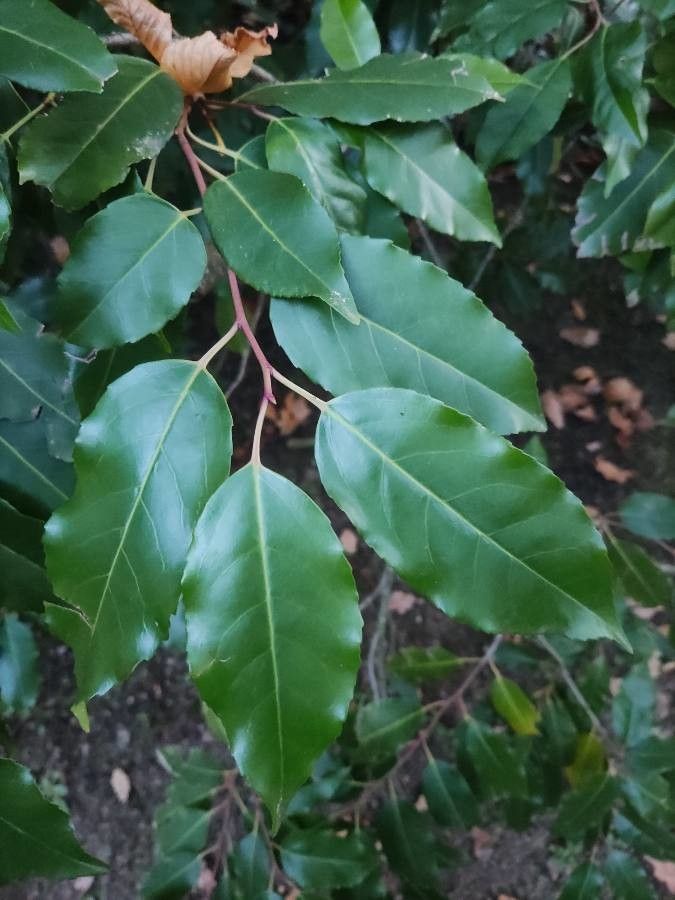
Viburnum luzonicum, the Luzon viburnum, is a species of flowering plant in the family Viburnaceae. It is native to southeast and south-central China, Taiwan, the Philippines, Vietnam, and the Maluku Islands. A dense, rounded evergreen bush reaching 8–15 ft (2.4–4.6 m), and taking readily to pruning into hedges, it is hardy to USDA zone 7.
Luzon viburnum has strong disease resistance and is generally not susceptible to illnesses. Regarding care, this plant is fairly low-maintenance. When planted outdoors it needs little watering, and larger specimens typically do not require pruning. Smaller plants, however, should be pruned after they have finished blooming. Luzon viburnum is appropriate for anyone with outdoor space, such as a garden or deck, and does not demand extensive care experience.
How to keep Viburnum Luzonicum.
Light
The development of luzon viburnum requires significant sunlight exposure, as it originates from areas with abundant light. Nonetheless, it can tolerate areas with moderate sunlight. An imbalance of light, either too much or too little, can hinder its normal growth, impacting its leaf quality and flower development.
Water
Originally from areas with sporadic rainfall, Luzon viburnum is drought-tolerant and efficiently absorbs water. It thrives when the soil remains consistently moist, requiring watering every 1 to 2 weeks. As an evergreen, Luzon viburnum keeps its lush foliage when adequately hydrated, especially during active growth periods.
Temperature
The Luzon viburnum thrives naturally in areas with temperatures varying between 59 and 95°F (15 to 35℃). It is fond of temperate climates and might need interventions like shading or mulching when dealing with severe temperature changes.
Fertilizer
It is critical to appropriately time the fertilization of Luzon viburnum. You should fertilize starting in the early spring and continue with monthly applications through the beginning of summer. Fertilization contributes to the production of beautiful flowers and provides the needed energy during both dormant and active growth stages.
Pruning
Luzon viburnum features lush foliage and delicate white flowers. For optimal care, prune it in late spring after it has finished flowering. Focus on removing any dead or diseased branches. Light trimming is beneficial as it encourages growth and improves airflow. Be sure to use clean, sharp tools to prevent damage and the spread of disease. Avoid heavy pruning to ensure that blooms are preserved for the next season.
Botanical profile.
- Plant Type
- Shrub
- Life Cycle
- Perennial
- Genus
- Viburnum
- Family
- Viburnaceae
- Hardiness Zone
- 7-9
- Mature Height
- 2.44 m to 4.57 m
- Mature Spread
- 2.44 m to 4.57 m
- Leaf Color
- Dark Green, Forest Green
- Leaf Type
- Deciduous
- Flower Color
- White
- Flower Size
- 3.05 cm to 5.08 cm
- Bloom Time
- Mid spring, Late spring
- Planting Time
- Spring, Summer
- Harvest Time
- Late summer, Early fall, Mid fall
- Native Area
- Philippines, Vietnam, China
Reader questions.
What are the sunlight requirements for Luzon viburnum?
Luzon viburnum thrives in full sun conditions, requiring more than 6 hours of sunlight daily, but can also tolerate partial sun with about 3-6 hours of sunlight. It's essential to observe your garden's sunlight patterns to find the best spot that offers the right balance of light and shade, ensuring the plant's health and happiness. This species originates from brightly lit environments, so adequate sun exposure is crucial for its growth, affecting both its foliage quality and flower production. However, it can survive in moderately sunlit areas. When sunlight is insufficient, especially for indoor plants, artificial lighting can be a viable solution to promote growth. It's advisable to choose the right type of artificial light and to determine the appropriate distance and duration of exposure to mimic natural sunlight as closely as possible.
What is the native environment of Luzon viburnum?
Luzon viburnum, botanically named Viburnum luzonicum, is native to environments where temperatures range from 59 to 95°F (15 to 35°C). It thrives in mild climates and can adapt to a variety of conditions, although extreme temperature shifts might require additional care such as providing shade or mulching to protect against fluctuations.
How can I tell if my Luzon viburnum isn't getting enough light?
Signs of insufficient light in Luzon viburnum include smaller new leaves, leggy or sparse growth, faster leaf drop, slower or no new growth, lighter-colored new leaves, and symptoms of too much light like chlorosis, sunscald, leaf curling, wilting, and leaf scorching. These symptoms indicate that the plant is not receiving the optimal amount of sunlight it needs to maintain healthy growth and development. Chlorosis, for instance, shows the plant's inability to photosynthesize effectively due to reduced chlorophyll from excessive sunlight, while sunscald and leaf scorching are direct damages caused by intense sunlight exposure.
Does Luzon viburnum need frost protection measures in winter?
Luzon viburnum has strong cold resistance and does not usually require special frost protection measures during the winter months. However, if winter temperatures are expected to drop below -15°C, it is important to protect the plant. This can be done by wrapping the trunk and branches with materials such as non-woven fabric or cloth, and by watering the plant abundantly before the first freeze in autumn to ensure the soil is moist when it enters a frozen state, thereby helping to prevent drought and water scarcity during winter and early spring.
What solutions can help Luzon viburnum with light issues?
To address light issues in Luzon viburnum plants, consider the following solutions: For indoor plants, gradually move them to sunnier spots each week until they receive at least 6 hours of direct sunlight daily, ideally through a south-facing window. Utilize artificial lighting, such as desk lamps or professional plant grow lights, for at least 8 hours a day if the plant is large or not easily movable. For outdoor plants, similarly, move them gradually to sunnier locations to avoid shock and sunburn. If the plant is small and manageable, consider transplanting it to a location with ample sunlight and good drainage during its dormant period. Reducing obstructions by pruning branches or leaves that block sunlight can also significantly improve light exposure. It's important to note that areas of the plant damaged by insufficient light may not recover, but new growth should be healthy and vigorous with improved light conditions.
What are the indications and solutions for Luzon viburnum in low temperature conditions?
In low temperature conditions, Luzon viburnum thrives best when temperatures remain above 15°C and should be kept above -10°C during winter. If temperatures fall below -15°C, the branches may become brittle and dry by spring, and the plant may fail to produce new shoots. The solution for such damage is to prune away any dead branches that have not produced new leaves in spring.
How does high temperature affect Luzon viburnum and what are the solutions?
During summer, Luzon viburnum should ideally be kept below 35°C. High temperatures exceeding 38°C can cause the plant's leaves to lighten in color and the tips may become dry and withered, increasing susceptibility to sunburn. To address this, trim away the sunburned and dried-up parts, move the plant to a location with shade from midday and afternoon sun, or use a shade cloth. Additionally, watering the plant in the morning and evening can help keep the soil moist, mitigating the effects of high temperatures.