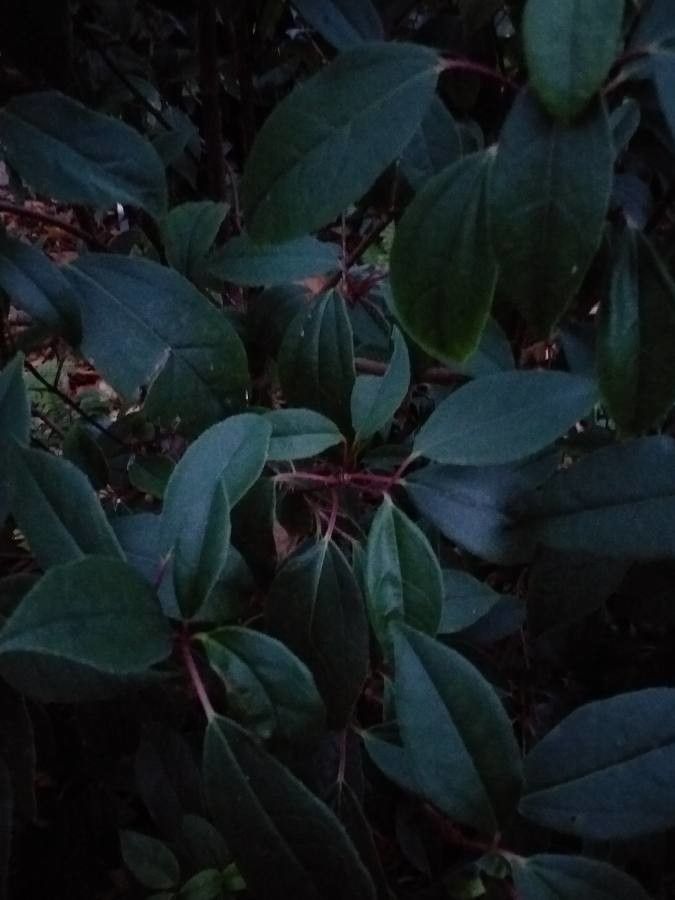
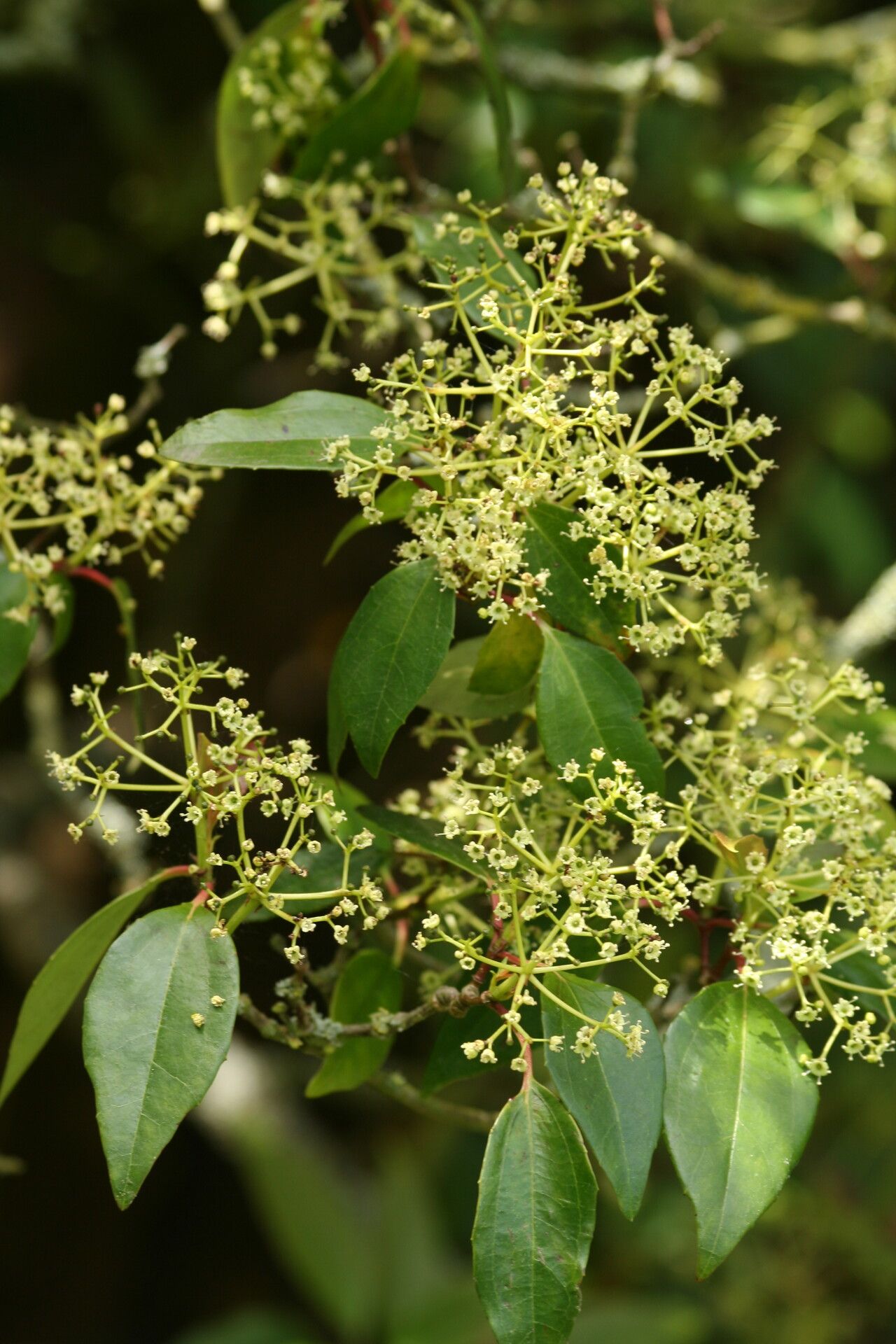
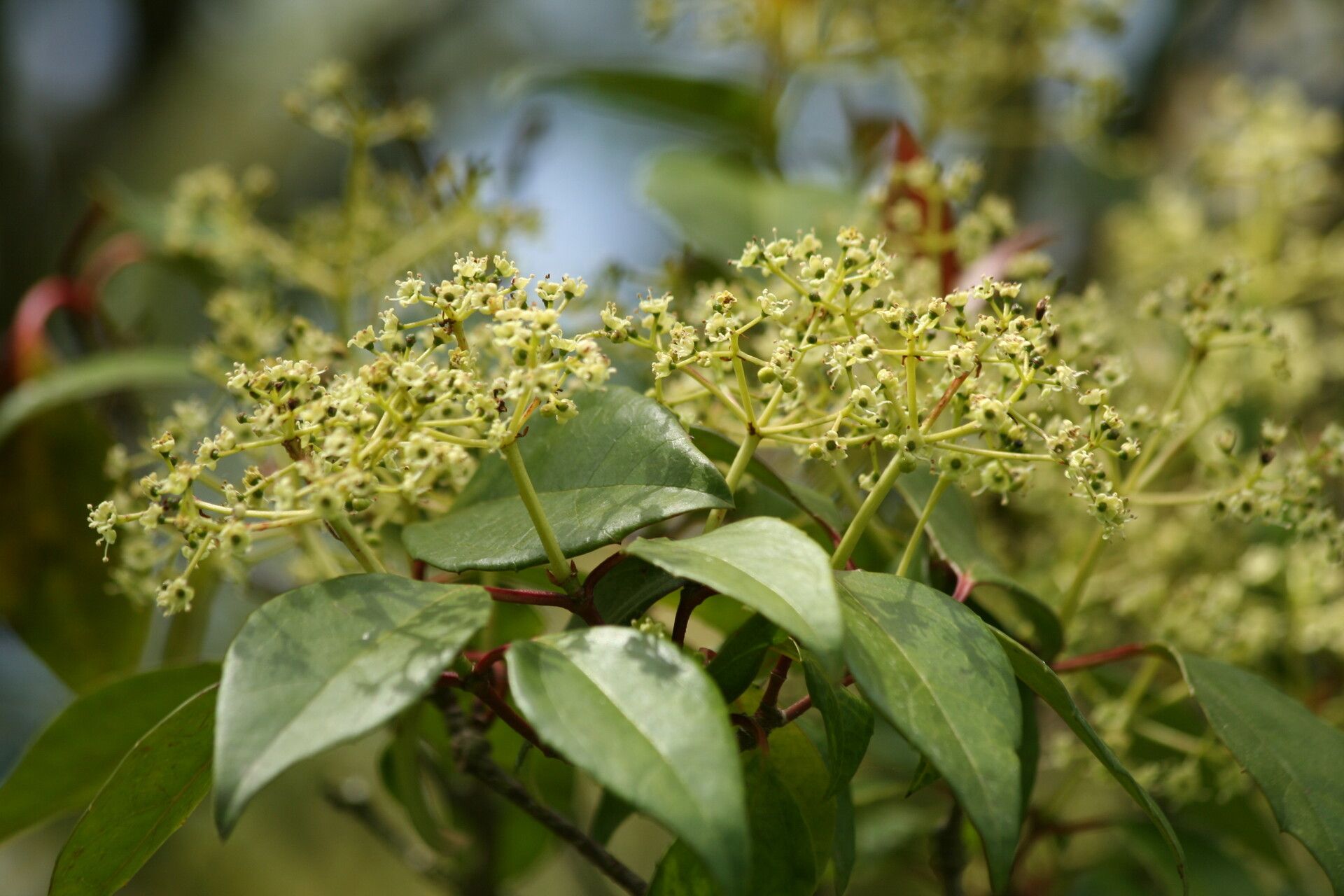
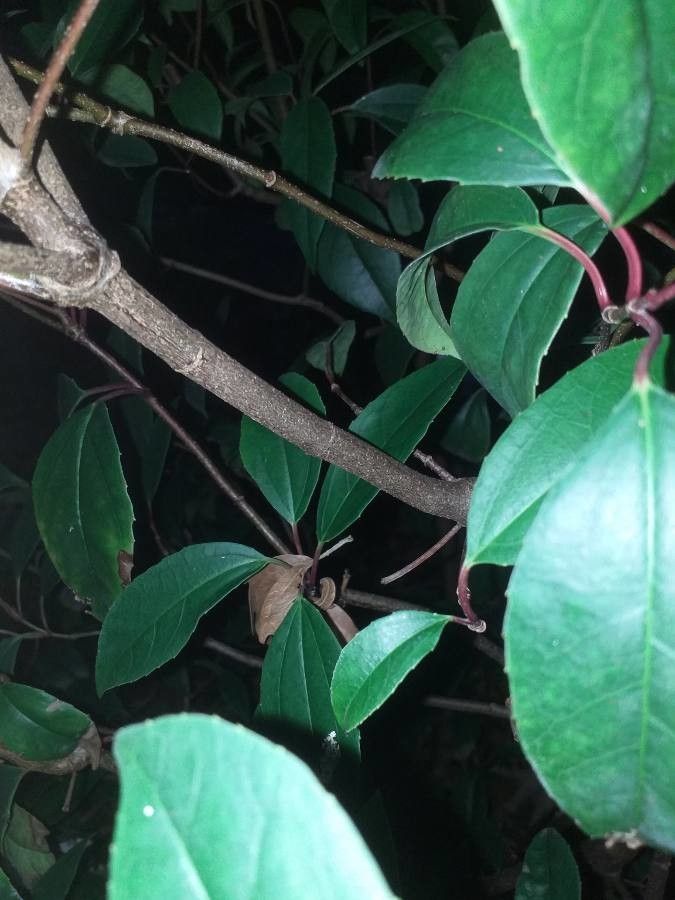
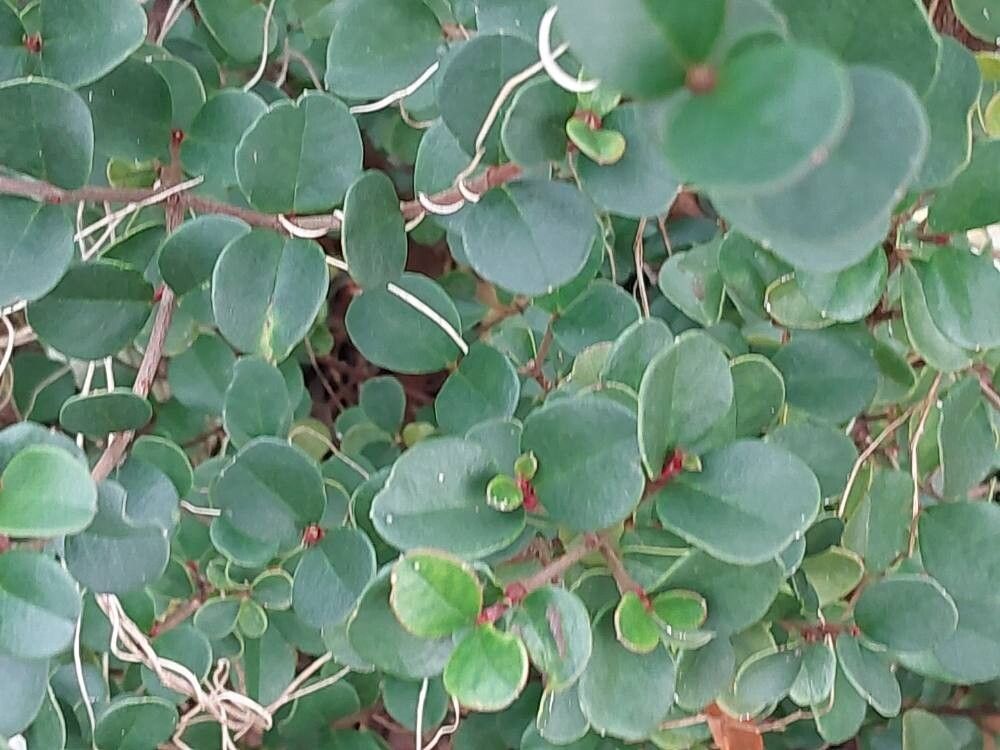
Viburnum propinquum, the Chinese evergreen viburnum, is a species of flowering plant in the family Viburnaceae, native to central and southern China, Taiwan, and Luzon in the Philippines. A dense, rounded evergreen bush reaching 6–8 ft (1.8–2.4 m), and useful for landscaping applications, it is hardy to USDA zone 7.
Chinese viburnum is resistant to pests and diseases and is generally unlikely to suffer from them. As for care, this species is fairly low-maintenance. When grown outdoors it needs only light watering, and larger plants typically do not require pruning. Smaller plants, however, should be pruned after they finish flowering. Chinese viburnum is suitable for anyone with outdoor space, such as a garden or a deck, and does not demand much gardening experience.
How to keep Viburnum Propinquum.
Light
Chinese viburnum comes from open habitats, such as sunny meadows and forest edges, where light is abundant. It does best in Full Sun but will also tolerate Partial Sun, showing good adaptability to different light conditions.
Water
Chinese viburnum thrives in conditions with moderate water and prefers a humid environment, though it can withstand short periods of dryness. For optimal health, it is recommended to water the plant every 1-2 weeks. Being an evergreen, the Chinese viburnum keeps its leaves throughout the year, which helps it maintain water balance across different seasons.
Temperature
Chinese viburnum copes well with a wide range of climatic conditions, from scorching summers to chilly winters. However, it does have a preferred temperature band for growth. When temperatures rise too high, the plant can experience heat and humidity stress, which may cause it to die. In areas where temperatures approach the lower limit of its cold tolerance, taking insulating measures to protect the plant is important.
Fertilizer
Timing is essential for fertilizing Chinese viburnum. Start in early spring and fertilize every month until early summer. Fertilizer encourages attractive blooms and supplies energy during both dormant and active growth periods.
Pruning
Chinese viburnum is a shrub known for its glossy leaves and white flowers. To keep it healthy, prune it in early spring. This helps remove dead branches and improves air circulation, which encourages compact growth, enhances flowering, and reduces the risk of disease. Make sure to use clean, sharp tools for effective pruning.
Botanical profile.
- Plant Type
- Shrub
- Life Cycle
- Perennial
- Genus
- Viburnum
- Family
- Viburnaceae
- Hardiness Zone
- 7-9
- Mature Height
- 1.83 m to 2.44 m
- Mature Spread
- 1.83 m to 2.44 m
- Leaf Color
- Green
- Leaf Type
- Deciduous
- Flower Color
- White
- Flower Size
- 5.08 cm to 7.62 cm
- Bloom Time
- Mid spring, Late spring
- Planting Time
- Spring, Summer, Autumn
- Harvest Time
- Late summer, Early fall, Mid fall
- Native Area
- Philippines, China
Reader questions.
What are the sunlight requirements for Chinese viburnum?
Chinese viburnum, also known by its botanical name, Viburnum propinquum, thrives in various lighting conditions, making it adaptable to many garden settings. For optimal growth, it requires full sun, which means it should receive more than 6 hours of direct sunlight per day. However, it can also flourish in partial sun, necessitating about 3-6 hours of sunlight daily. It's essential to observe the movement of sunlight in your garden closely to find the best spots that offer a harmonious balance of light and shade, ensuring your Chinese viburnum's well-being. This careful selection aids in promoting the health and happiness of your plant.
What is the botanical name of the Chinese viburnum?
The botanical name of the Chinese viburnum is Viburnum propinquum. This plant is known for its aesthetic appeal and is a popular choice in various landscapes.