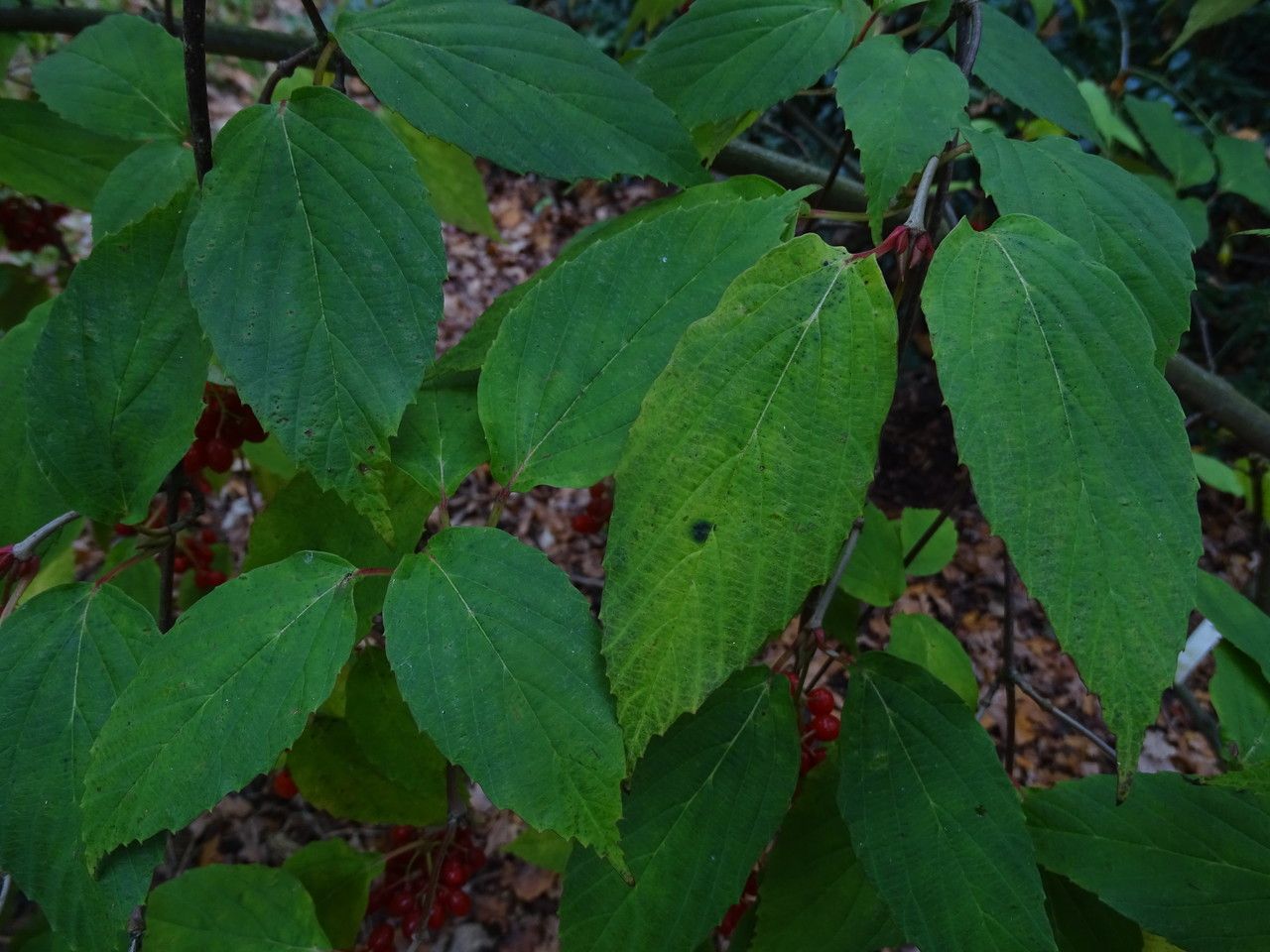
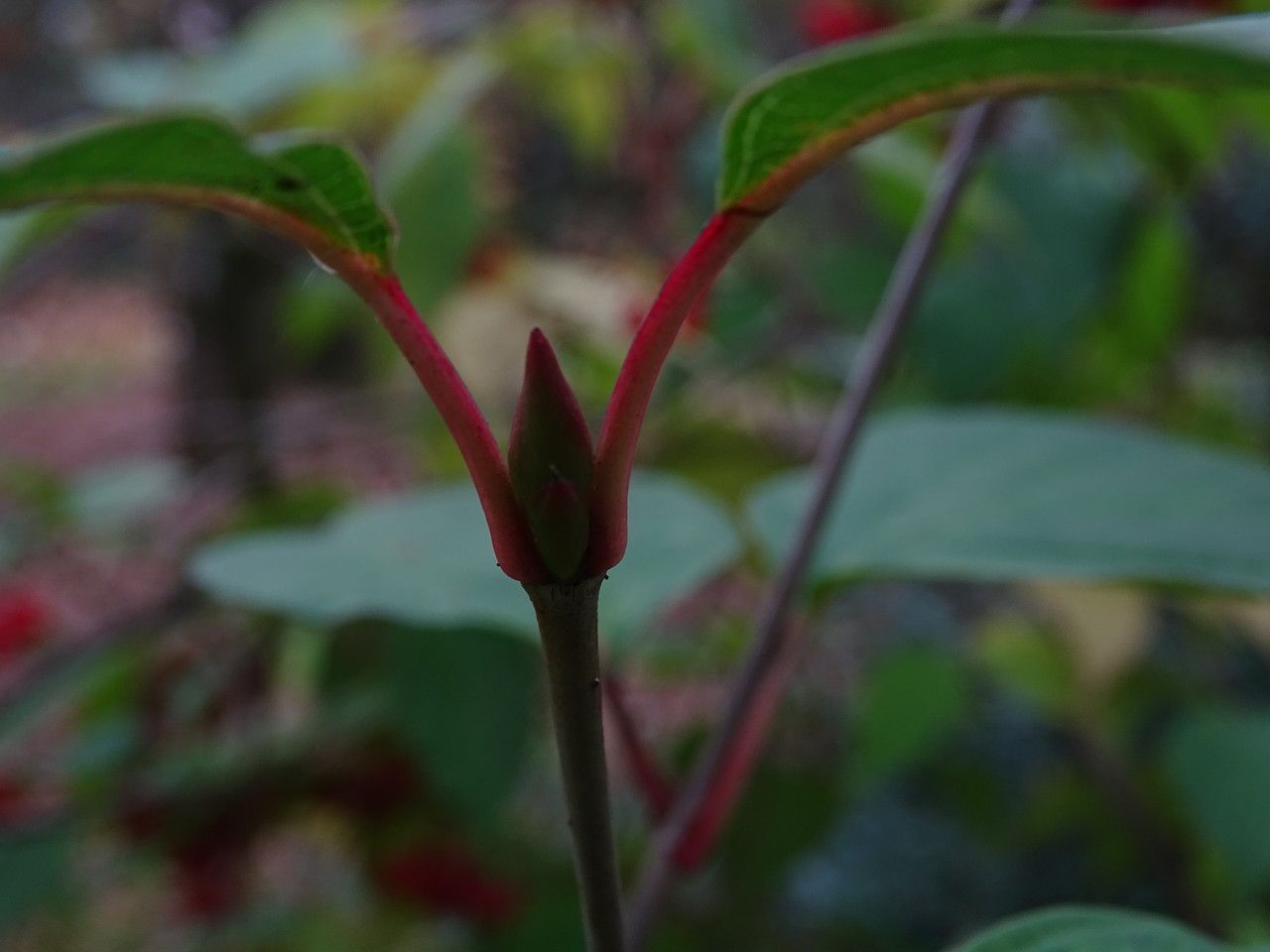
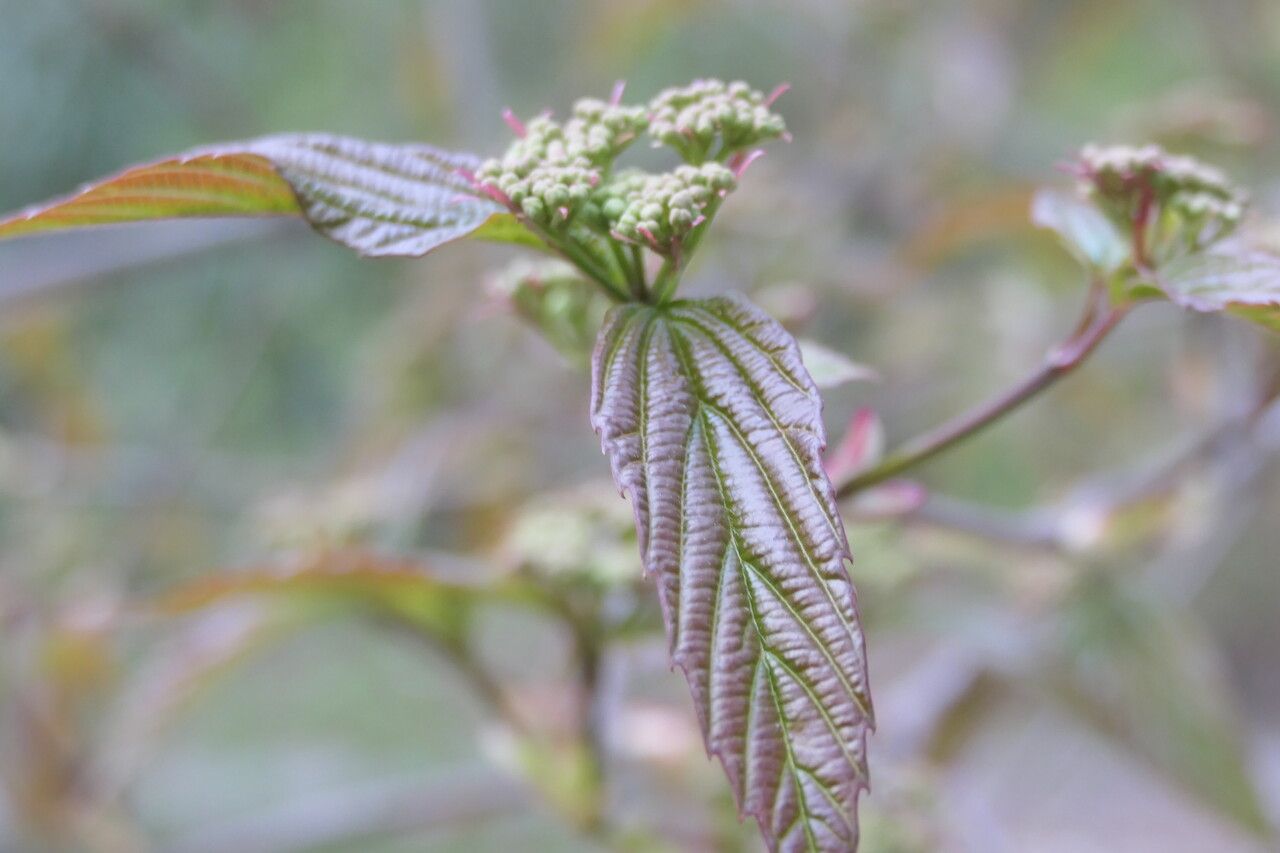
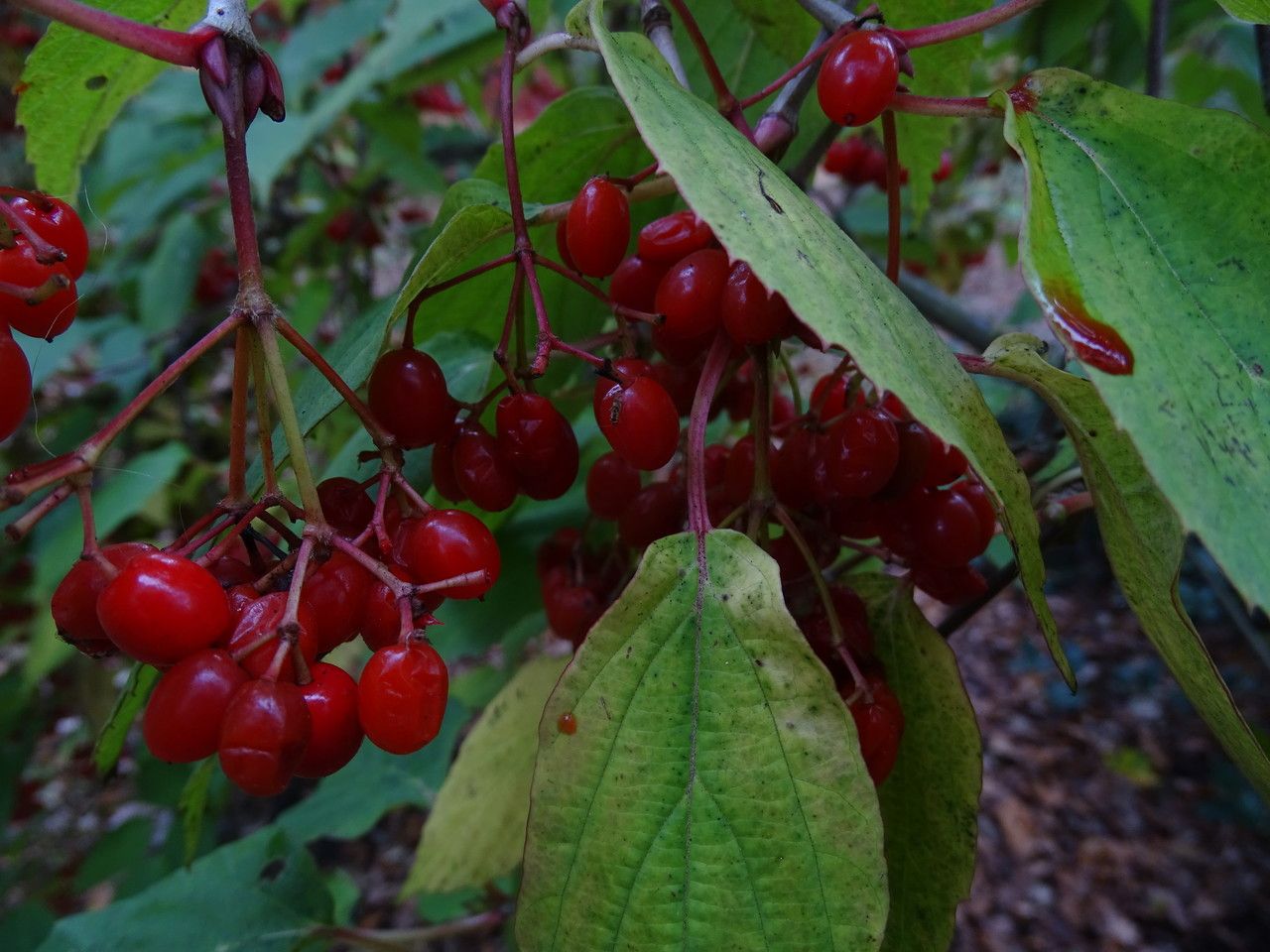
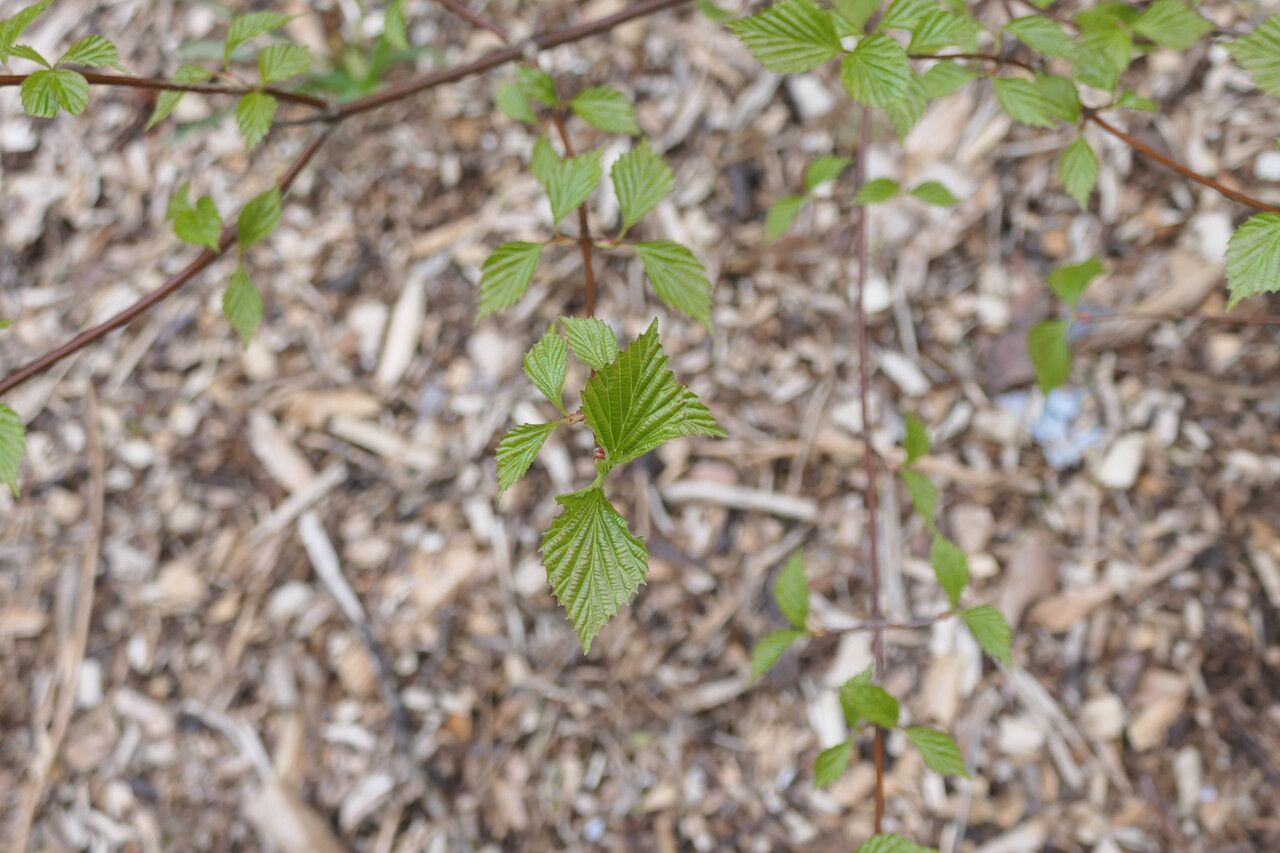
Viburnum setigerum, the tea viburnum, is a plant in the family Adoxaceae that is native to China.
Tea viburnum is highly resistant to disease and is generally unlikely to suffer from illnesses. As for upkeep, this plant is fairly low maintenance. Planted outdoors, it needs only light watering, and larger specimens typically do not need pruning. Smaller plants, however, should be pruned after they finish blooming. Tea viburnum is well suited to anyone with an outdoor area, such as a garden or deck, and does not demand extensive care experience.
How to keep Viburnum Setigerum.
Light
Tea viburnum is native to habitats such as forest understories and rocky areas, where it occurs in natural shade. It prefers partial sun but can adapt to full sun or full shade, demonstrating its versatility and hardiness.
Water
Tea viburnum is well-suited to environments with moderate moisture levels. It can withstand periods of low water availability, but it thrives best when watered consistently yet moderately every 1-2 weeks. As an outdoor plant in temperate zones, it capitalizes on seasonal rainfall, aligning its growth cycle with these natural patterns.
Temperature
Tea viburnum is highly adaptable to a variety of climate conditions, from blistering summers to freezing winters. However, it does have a preferred temperature range for growth. If temperatures climb too high, the plant can experience heat and humidity stress, which may lead to its death. In places where temperatures approach the lower limit of its cold tolerance, providing insulation is important to protect the plant.
Fertilizer
The timing of fertilizing Tea viburnum is important. Apply fertilizer in early spring and then every month up to early summer. Fertilizer encourages attractive blooms and supplies energy during both dormant periods and active growth phases.
Pruning
You can lightly prune tea viburnum throughout the year to remove any dead parts. If you want to shape the plant, do so in late winter or early spring. Remove only about one-third of the intermingled branches when shaping the plant for borders. It's best to prune after the plant has flowered but before it sets fruit. To avoid frost damage, refrain from pruning during periods of severe cold.
Botanical profile.
- Plant Type
- Shrub
- Life Cycle
- Perennial
- Genus
- Viburnum
- Family
- Viburnaceae
- Hardiness Zone
- 5-8
- Mature Height
- 2.44 m to 3.66 m
- Mature Spread
- 1.83 m to 2.44 m
- Leaf Color
- Red, Purple, Blue, Green
- Leaf Type
- Semi-evergreen
- Flower Color
- White
- Flower Size
- 0.51 cm to 0.76 cm
- Bloom Time
- Late spring, Early summer
- Planting Time
- Spring, Summer, Autumn
- Harvest Time
- Late summer, Early fall, Mid fall
- Native Area
- Myanmar, China
Other names.