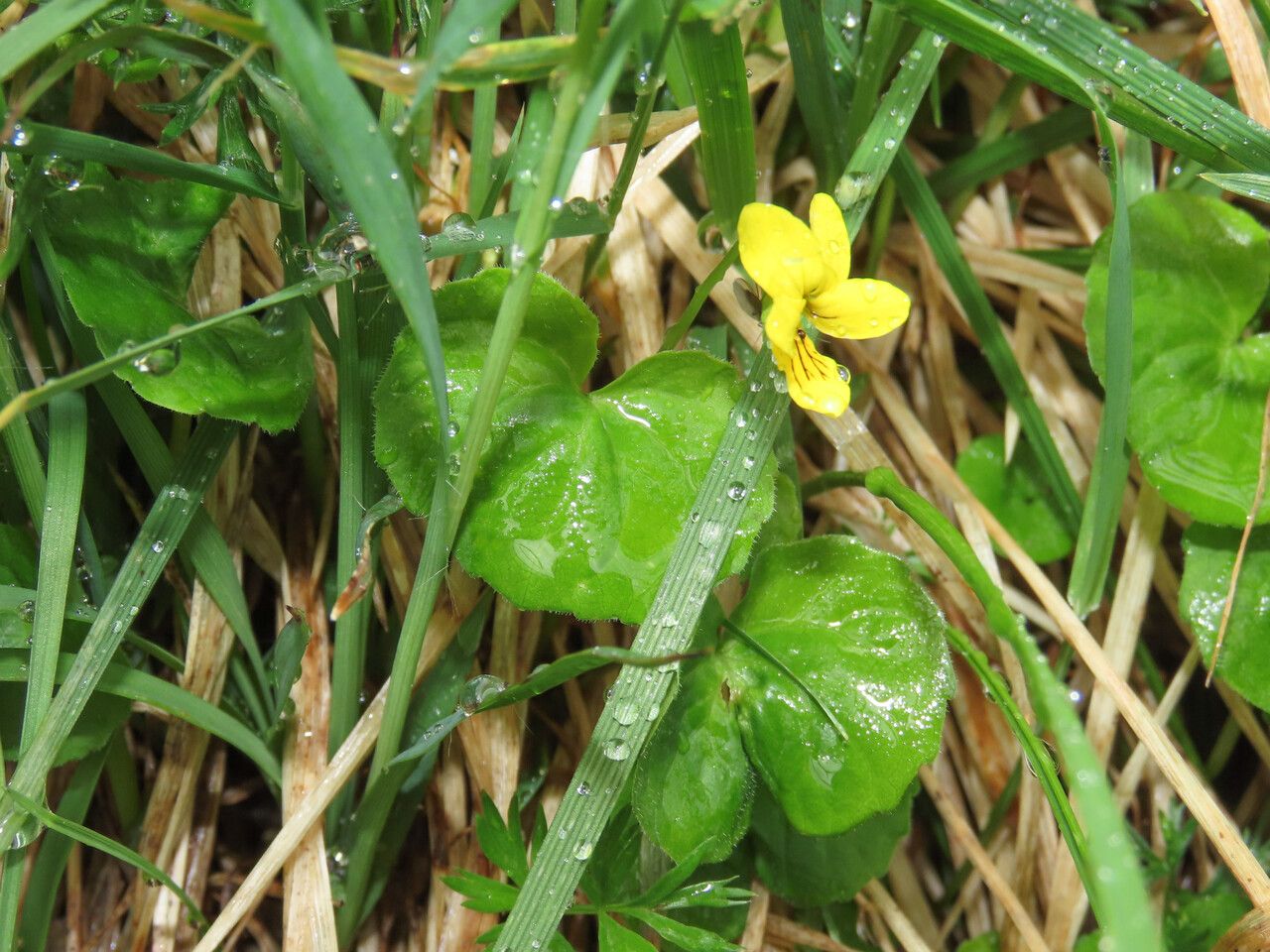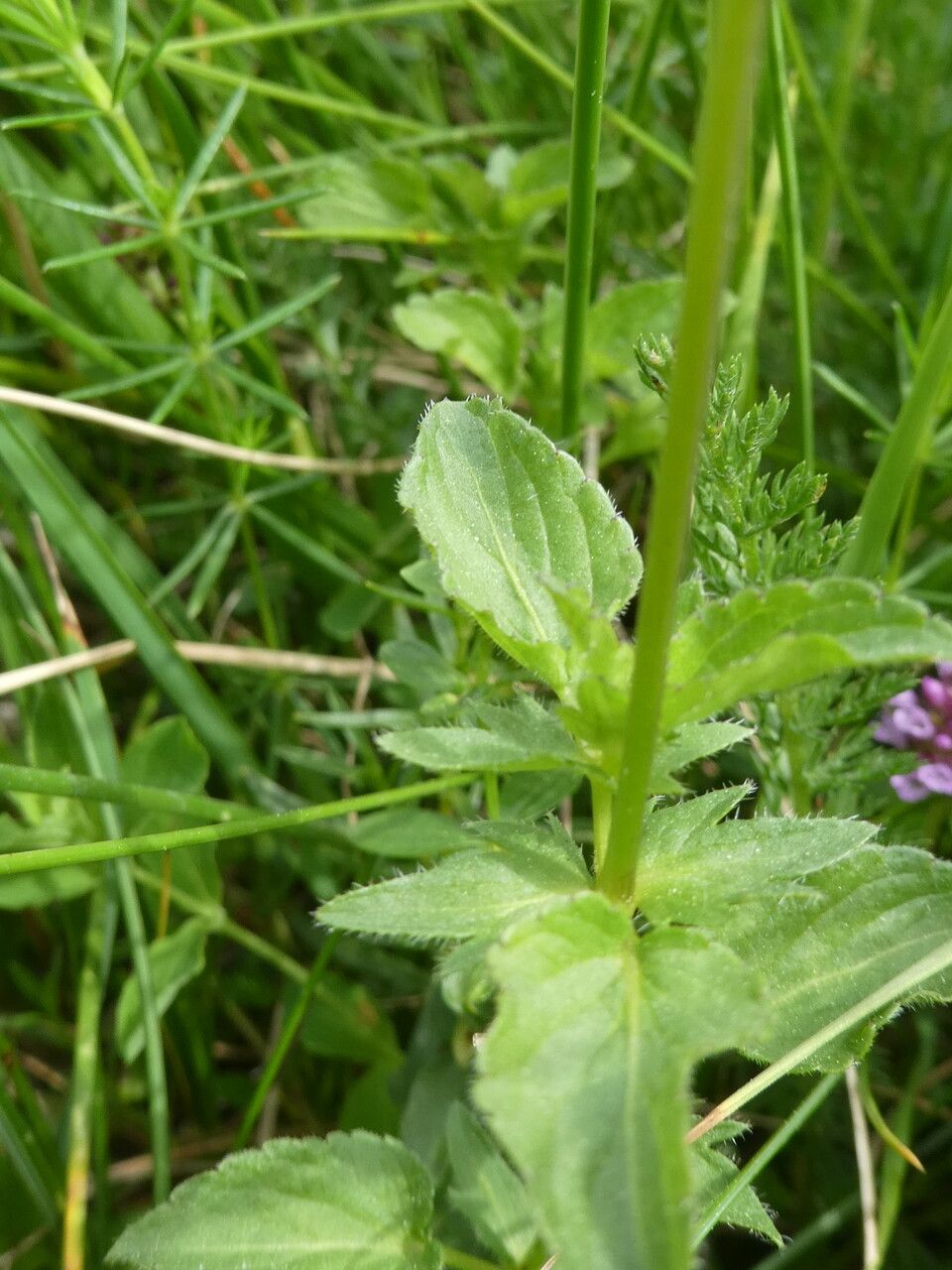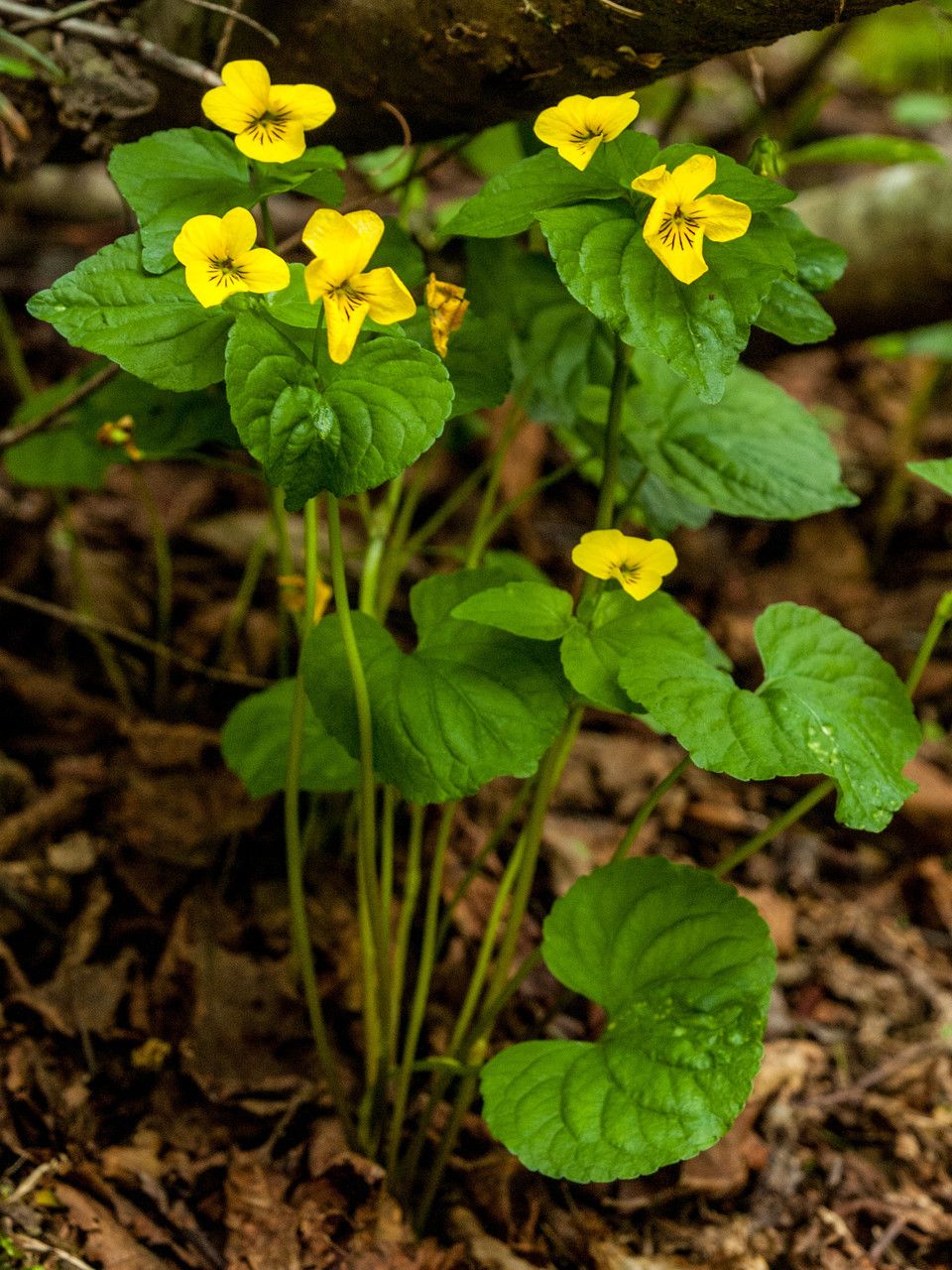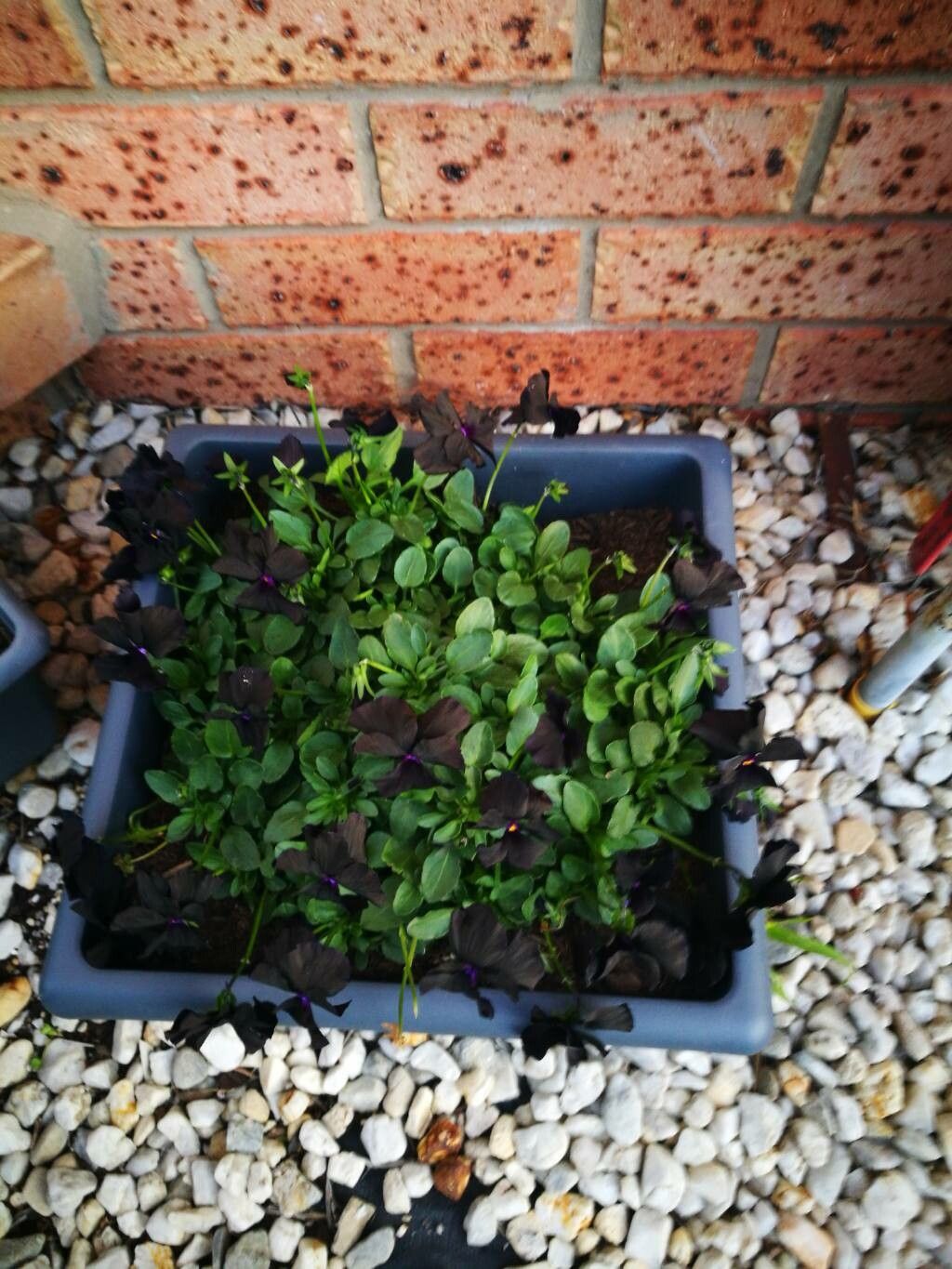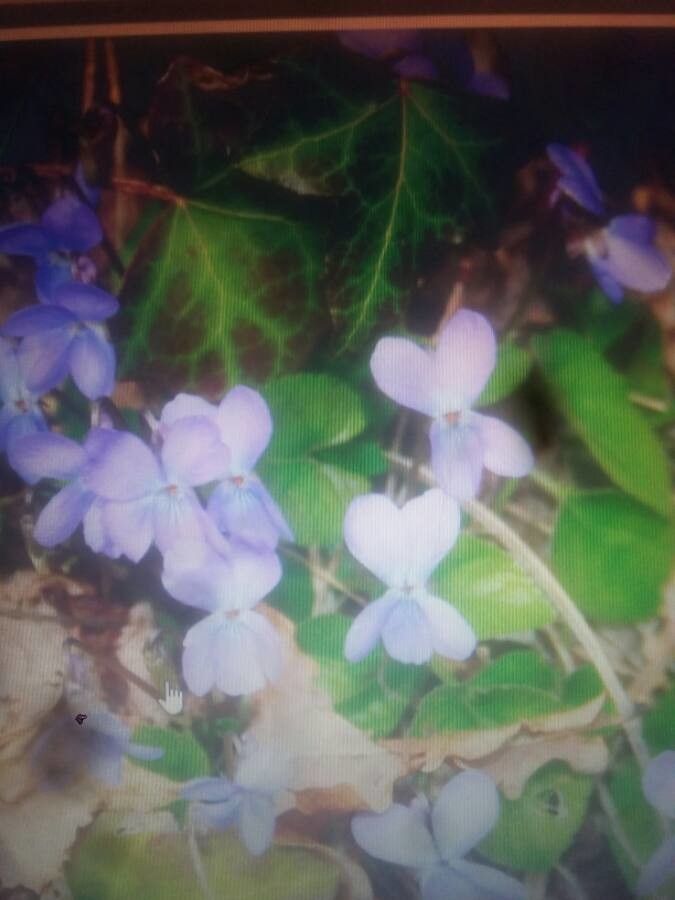
Dehnhardt's white violet has strong disease resistance and is typically not susceptible to illnesses. Still, it can be affected by pests and diseases found in its environment. Such infections tend to be mild. Regarding upkeep, this plant needs a moderate amount of care. It should be pruned on a regular basis to preserve an attractive appearance and vigorous growth. Applying fertilizer can also encourage more blooms. Dehnhardt's white violet is appropriate for anyone who has an outdoor area like a garden or patio and does not demand extensive gardening experience. When kept indoors, it may need more attention.
How to keep Viola Alba Subsp Dehnhardtii.
Light
The white violet of Dehnhardt naturally thrives in habitats like forest understories or rocky terrains, where there is an inherent shadow. It favours conditions of partial sunlight, however, it has the ability to adjust to either complete sunlight or complete shade, showcasing its robust and adaptable characteristics.
Water
Dehnhardt's white violet thrives in humid forests and mountainous regions, which makes it sensitive to drought. To prevent decay, avoid overwatering. In gardens, adjust your watering schedule based on the weather to avoid letting the soil get too dry. When grown in pots, water the plant thoroughly once the surface of the soil feels dry.
Temperature
Dehnhardt's white violet possesses the capability to adjust to a broad variety of temperature circumstances. However, its dispersion could be constrained by diverse combinations of hydration and warmth conditions. It flourishes optimally in heated atmospheres during the summertime with sufficient precipitation or irrigation. Extended durations of cloudy and damp weather, in conjunction with prolonged elevated temperatures, could heighten the chances of Dehnhardt's white violet perishing. During winter, adequate shielding from the cold can augment the plant's chances of survival.
Fertilizer
The optimal period to apply fertilizer to a Dehnhardt's white violet is during the onset of spring when the plant is coming out of its dormant phase and beginning to actively grow. Fertilizing offers vital nutrients needed for robust growth. Despite the relatively modest fertilization requirements of Dehnhardt's white violet, yearly fertilizing can contribute to its longevity and continuous, improved flower blooming.
Botanical profile.
- Plant Type
- Herb
- Life Cycle
- Perennial
- Genus
- Viola
- Family
- Violaceae
- Hardiness Zone
- 5-9
- Mature Height
- 5 cm to 15 cm
- Mature Spread
- 10 cm to 20 cm
- Leaf Color
- Dark Green, Forest Green
- Leaf Type
- Semi-evergreen
- Flower Color
- Purple, Violet, White
- Flower Size
- 1.52 cm to 2.54 cm
- Bloom Time
- Late winter, Early spring, Mid spring
- Planting Time
- Spring
- Harvest Time
- Late spring, Early summer, Mid summer
- Native Area
- Turkey, Tunisia, Cyprus, Bulgaria, Greece, Croatia, Slovenia, Morocco, Ukraine, Russia, Iraq, Syria, Italy, Iran, Albania, Azerbaijan, Algeria, Romania, France