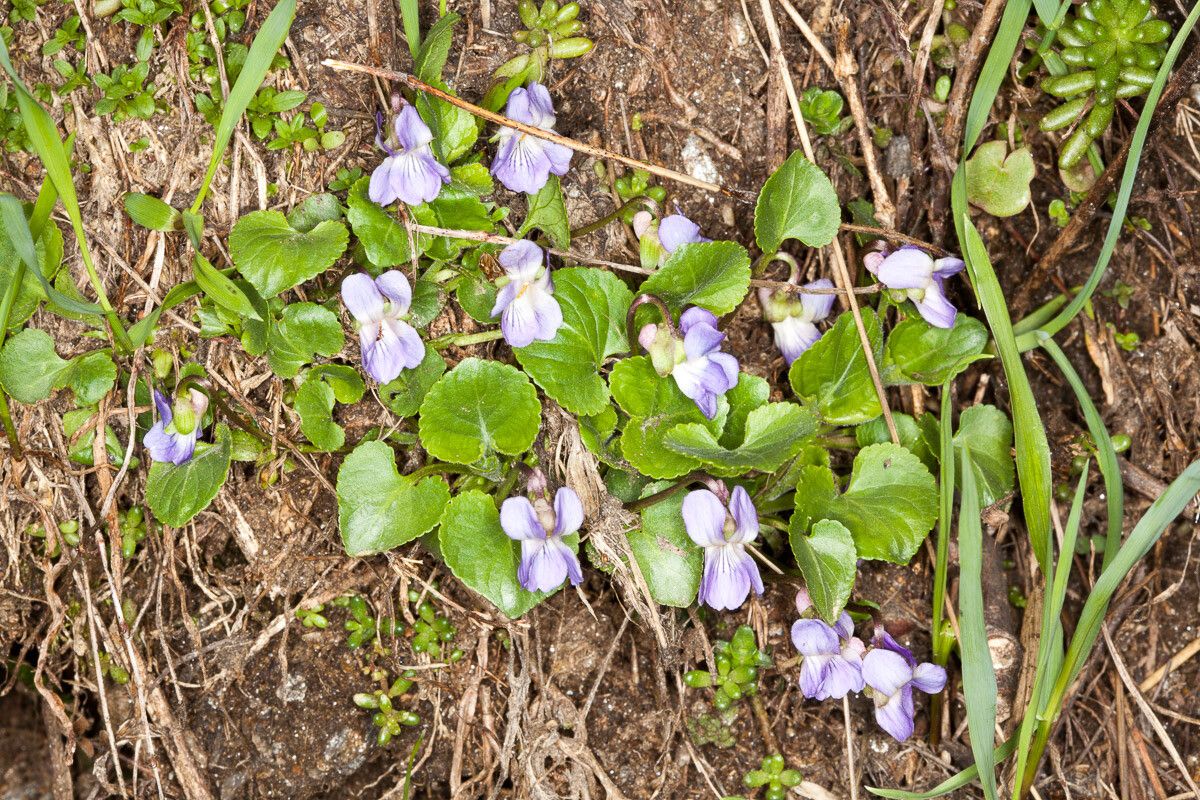
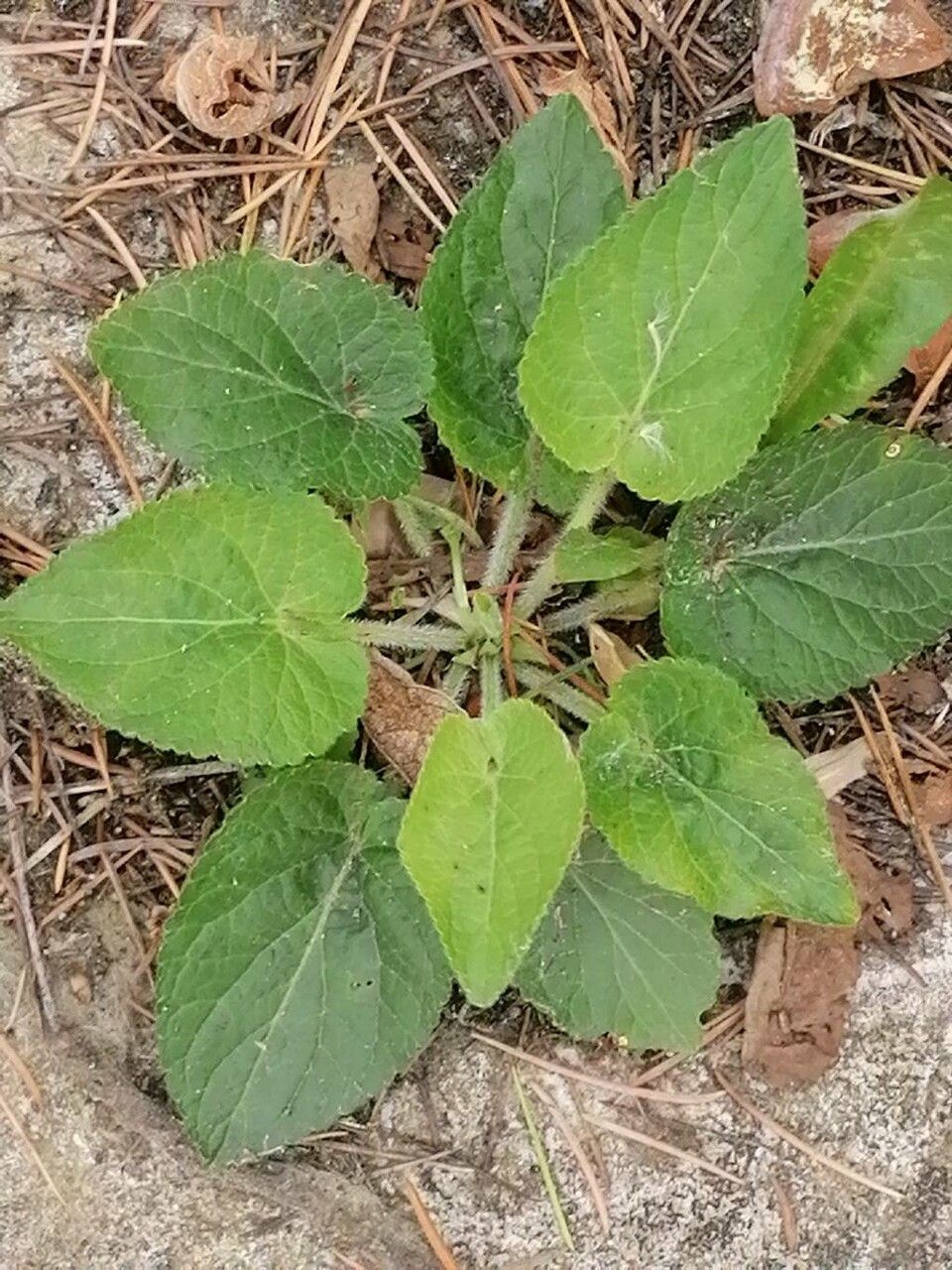
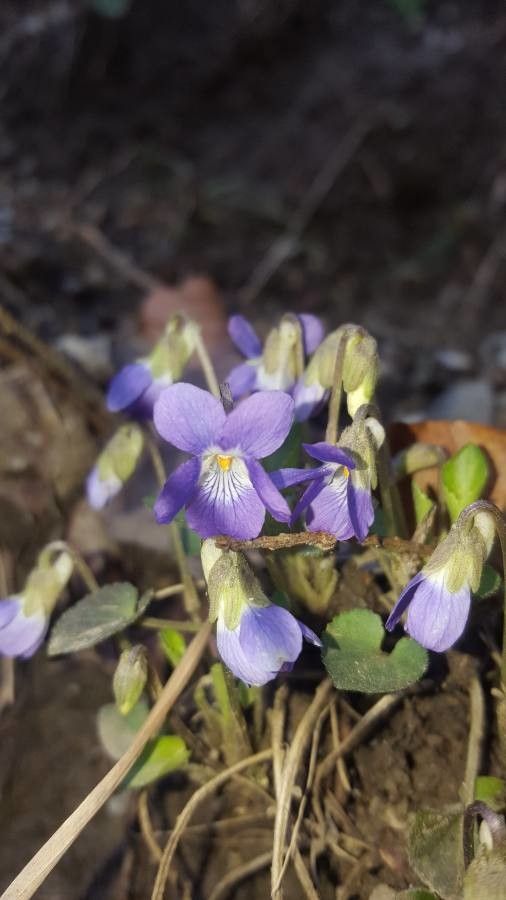
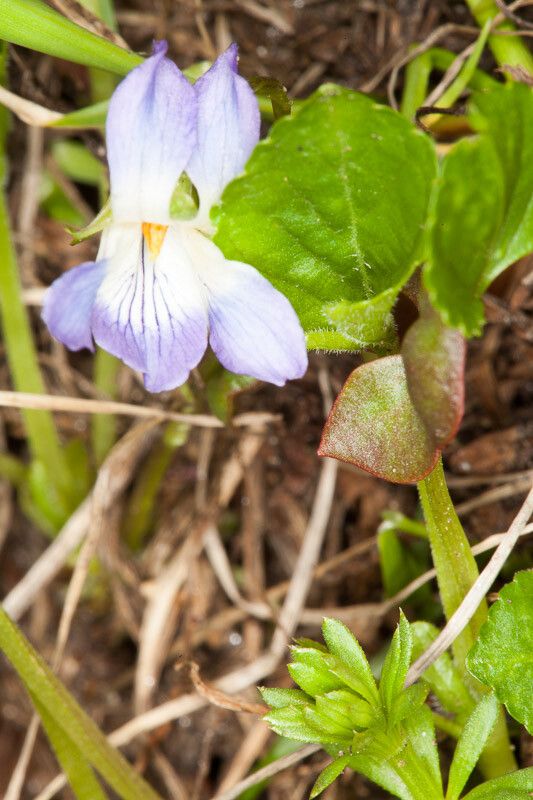
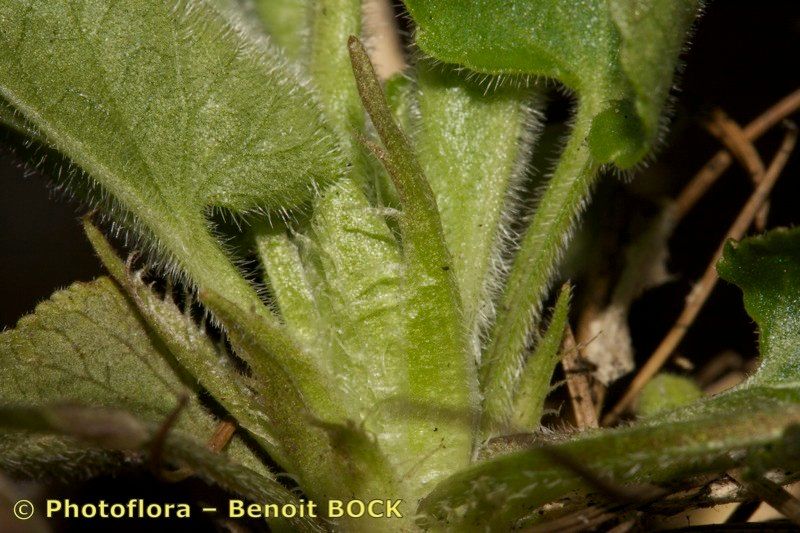
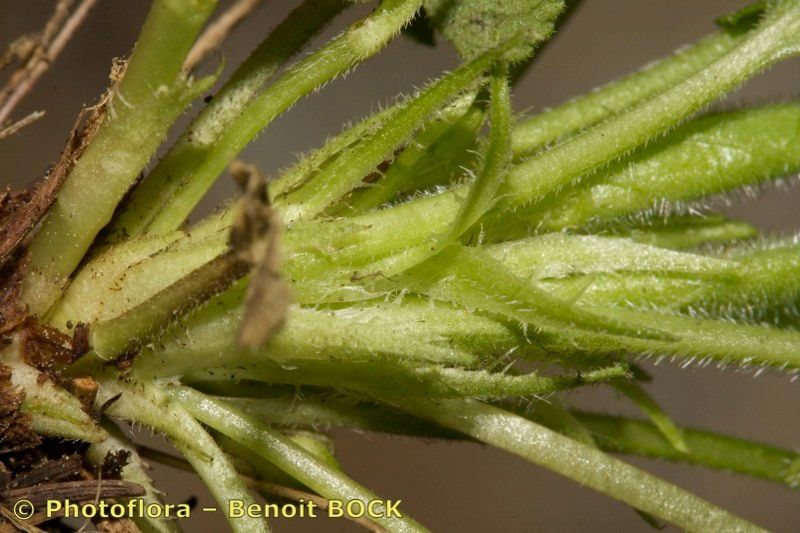
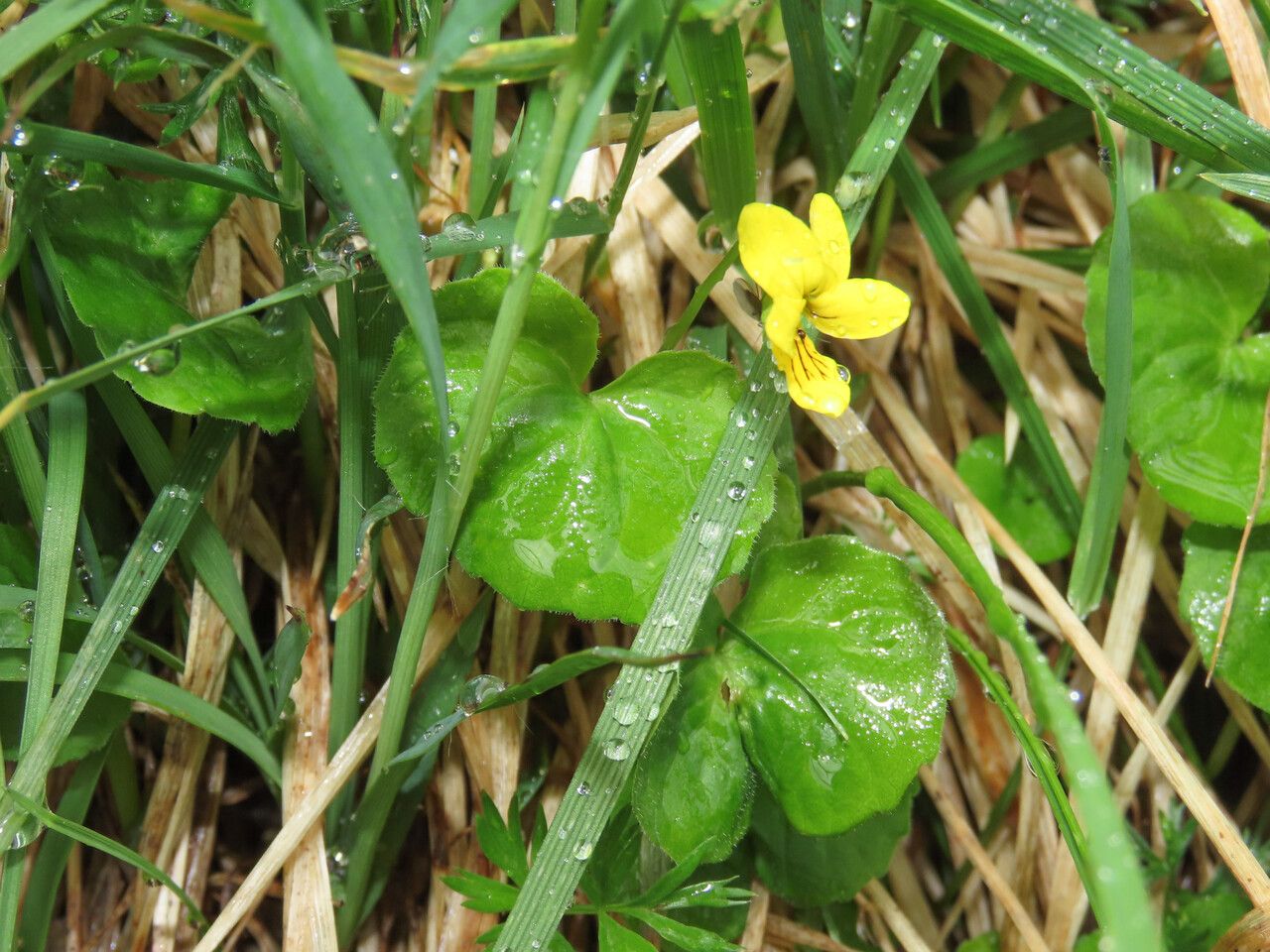
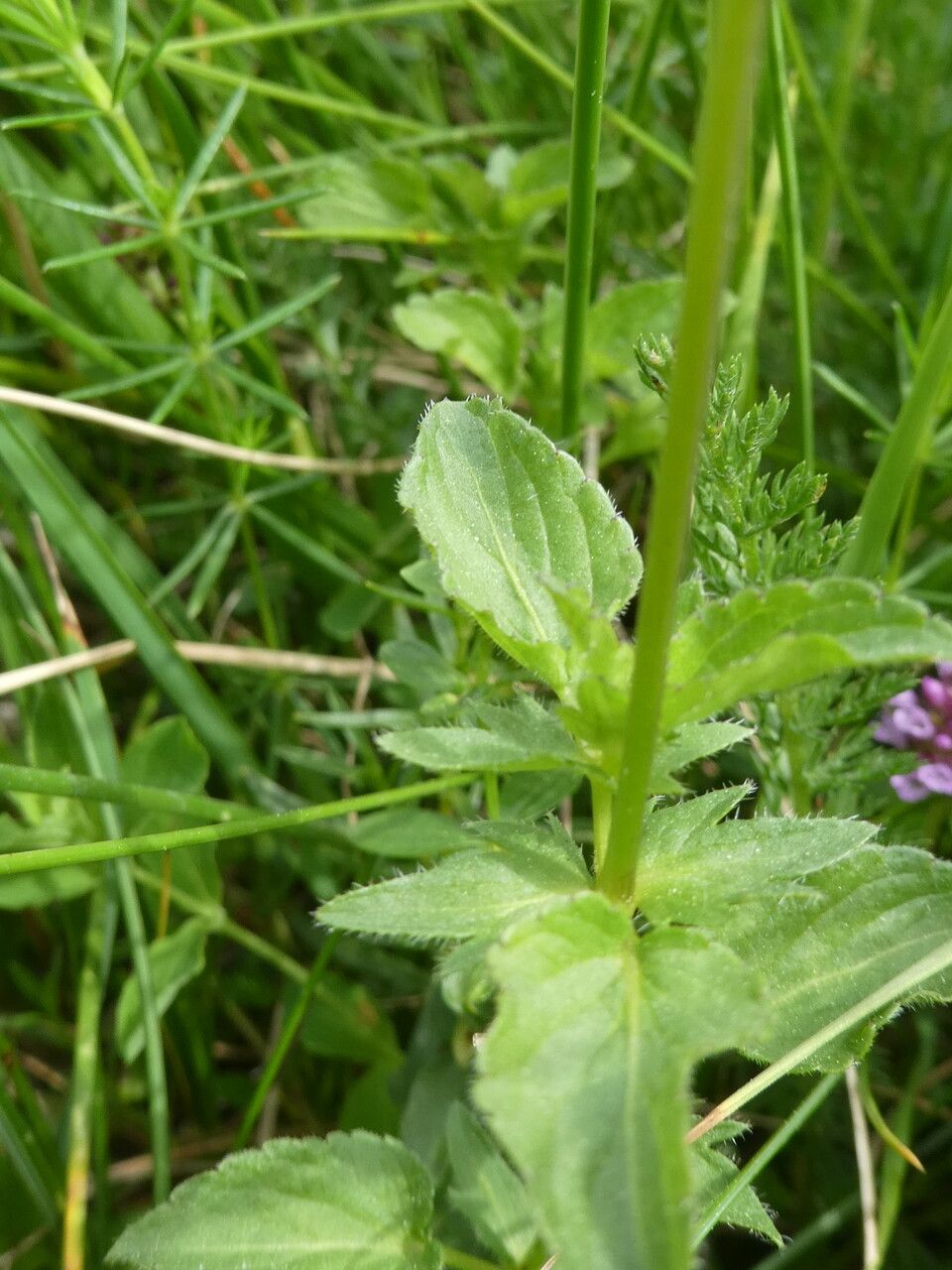
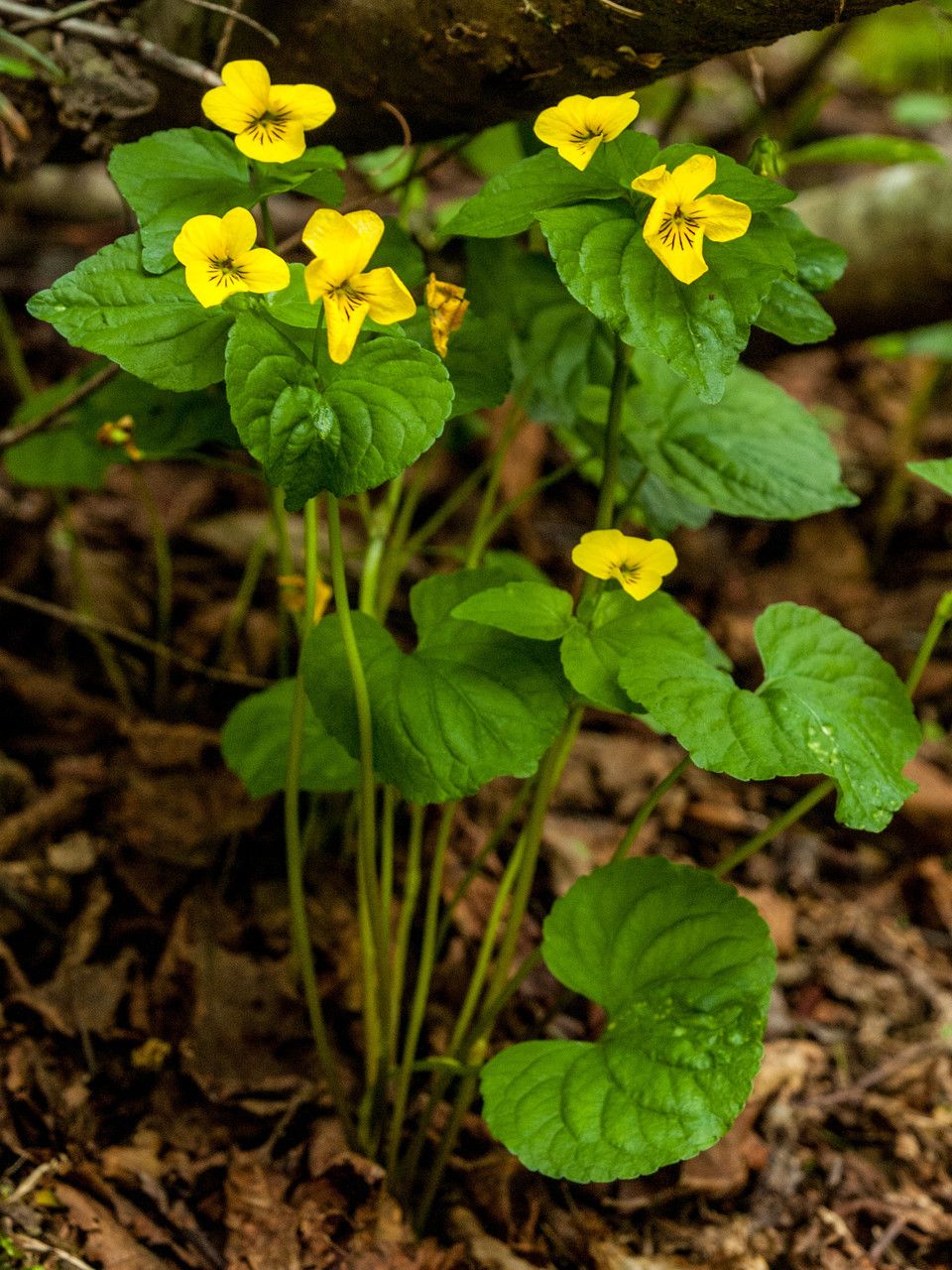
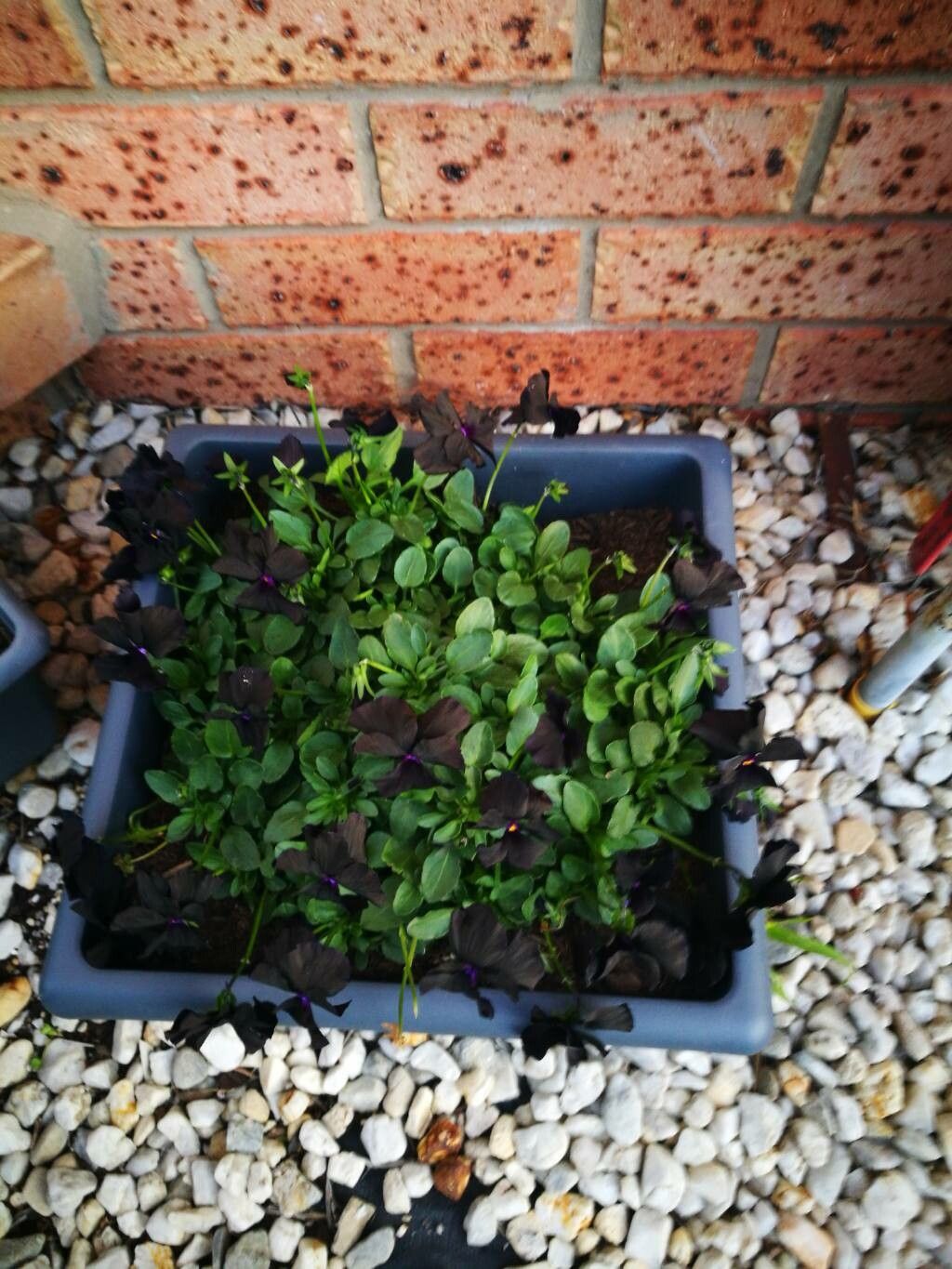
Hill violet is fairly disease-resistant and generally not prone to illness. However, it can be vulnerable to pests and diseases present in its environment. These problems are typically not serious. Regarding care, the plant needs moderate maintenance. It should be pruned regularly to keep a tidy appearance and encourage healthy growth. Fertilizing can also help encourage flowering. Hill violet is suitable for anyone with outdoor space, such as a garden or patio, and does not require much experience with plant care. It may need more attention when grown indoors.
How to keep Viola Collina.
Light
Hill violet grows best in abundant sunlight, though it can still grow in moderate light. Native to sunny habitats, the plant shows stunted growth when light is severely lacking and may be damaged by excessive exposure.
Water
Hill violet thrives in conditions of moderate moisture and consistent soil hydration, but it is important to avoid waterlogging. To maintain the ideal environment, it should be watered weekly. While typically grown outdoors, hill violet is sensitive to water availability during its growing season, which is crucial for its flowering potential.
Temperature
Hill violet is suited to a comfortable temperature range of 68 to 95 °F (20 to 35 ℃). Native to regions with moderate temperatures, this plant can tolerate slight fluctuations. For optimal growth, appropriate temperature adjustments, especially during seasonal changes, are recommended.
Fertilizer
Correct fertilization is vital for Hill violet's health and appearance. Fertilize Hill violet during summer, repeating the treatment monthly throughout the season. Nutrients fuel growth and help preserve the plant's parts. Fertilization improves Hill violet's flower display, ensuring the best blooms.
Pruning
The hill violet is characterized by its delicate flowers and low-growing habit. To maintain its health and appearance, prune the plant from early to late spring, concentrating on removing any dead or diseased stems. Light trimming can encourage more blooms, but be cautious—heavy pruning may stress the plant. Providing seasonally appropriate care will enhance both its flowering and overall vigor.
Botanical profile.
- Plant Type
- Herb
- Life Cycle
- Perennial
- Genus
- Viola
- Family
- Violaceae
- Hardiness Zone
- 10
- Mature Height
- 4 cm to 20 cm
- Mature Spread
- 15 cm to 25 cm
- Leaf Color
- Green, Dark Green
- Leaf Type
- Deciduous
- Flower Color
- Violet
- Flower Size
- 1.52 cm
- Bloom Time
- Early spring, Mid spring
- Planting Time
- Spring, Summer
- Harvest Time
- Late spring, Early summer
- Native Area
- Sweden, Austria, Czech Republic, Slovakia, Romania, Poland, Croatia, Slovenia, Belarus, Ukraine, China, Uzbekistan, Russia, Lithuania, Norway, Germany, Hungary, Kyrgyzstan, Kazakhstan, Italy, Switzerland, Estonia, Mongolia, Finland, Koppen, South Korea, Latvia, Belgium, France
Reader questions.
What are the sunlight requirements for Hill Violet?
Hill Violet thrives in environments that offer plentiful sunlight. It requires more than 6 hours of sunlight to be categorized under full sun, and about 3-6 hours of sunlight for partial sun conditions. It's crucial to observe your garden throughout the day to identify areas with the perfect balance of light and shade to ensure your Hill Violet's happiness.
What is the ideal temperature range for growing Hill Violet?
Hill Violet (Viola collina) thrives best within a temperature range of 68 to 95 °F (20 to 35 °C), which mimics its native environment's moderate climate. This plant is exceptionally heat-loving and can tolerate slight fluctuations in temperature. However, it is vulnerable to cold temperatures. During colder months, especially in autumn, it is suggested to move Hill Violets grown outdoors inside, placing them near a bright window but away from direct heat sources like heaters, to maintain a temperature above 20°C. Ensuring the temperature does not drop to 5°C or lower is crucial for the plant's survival and optimal growth.
How does artificial lighting support Hill Violet's growth indoors?
When natural sunlight is insufficient, particularly during winter or in less sunny spaces, artificial lighting becomes essential for Hill Violet's growth indoors. It's recommended to use LED lights as they can be tailored to provide specific wavelengths necessary for the plant. For full sun plants, 30-50W/sq ft of artificial light is needed, while partial sun plants require 20-30W/sq ft, and full shade plants need 10-20W/sq ft. The light source should be placed 12-36 inches above the plant to replicate natural sunlight and should be on for 8-12 hours per day to mimic natural daylight hours.
How does low temperature affect Hill Violet, and what are the remedies?
Hill Violet is not tolerant of cold and fares poorly when temperatures drop below 20°C, especially in winter, where temperatures should remain above 5°C to prevent harm. Exposing the plant to temperatures below 1°C can cause its leaves to lighten and, following frost damage, turn brown or black, leading to wilting and drooping. To remedy this, trim the frost-damaged parts and move the plant to a warm indoor space immediately. Placing it near a south-facing window ensures it gets enough sunlight, while keeping it away from heaters and air conditioning vents helps avoid air dryness.
What are the symptoms of insufficient light in Hill Violet?
Symptoms of insufficient light in Hill Violet include smaller new leaves compared to previous ones, leggy or sparse growth, faster leaf drop, slower or halted new growth, lighter-colored new leaves, chlorosis, sunscald, leaf curling, wilting, and leaf scorching. These symptoms are indicators that the plant is not receiving adequate sunlight, affecting its ability to photosynthesize and maintain its health.
What should be done if Hill Violet is exposed to high temperatures?
During hot summer months, it's crucial to keep Hill Violet below 35°C to prevent heat stress. Exposing the plant to temperatures above 41°C may lead to lighter leaf colors and increase the risk of sunburn. In such cases, trim away the sunburned and dried parts of the plant. Relocate it to a spot that provides shade during the intense midday and afternoon sun. Proper watering in the morning and evening is also important to maintain soil moisture and help the plant cope with the heat.
What are the solutions for Hill Violets facing insufficient light?
To address insufficient light for Hill Violets, gradually move the plants to sunnier locations each week until they receive at least 6 hours of direct sunlight daily. For indoor plants, using a south-facing window or keeping a lamp on for at least 8 hours daily can be beneficial. If the plant is large or not easily movable, consider investing in professional plant grow lights. For outdoor plants, it's crucial to avoid sudden changes in light exposure to prevent sunburn. Minimizing obstructions like pruning trees and, for smaller plants, transplanting during their dormant period to areas with better sunlight and drainage can also help.