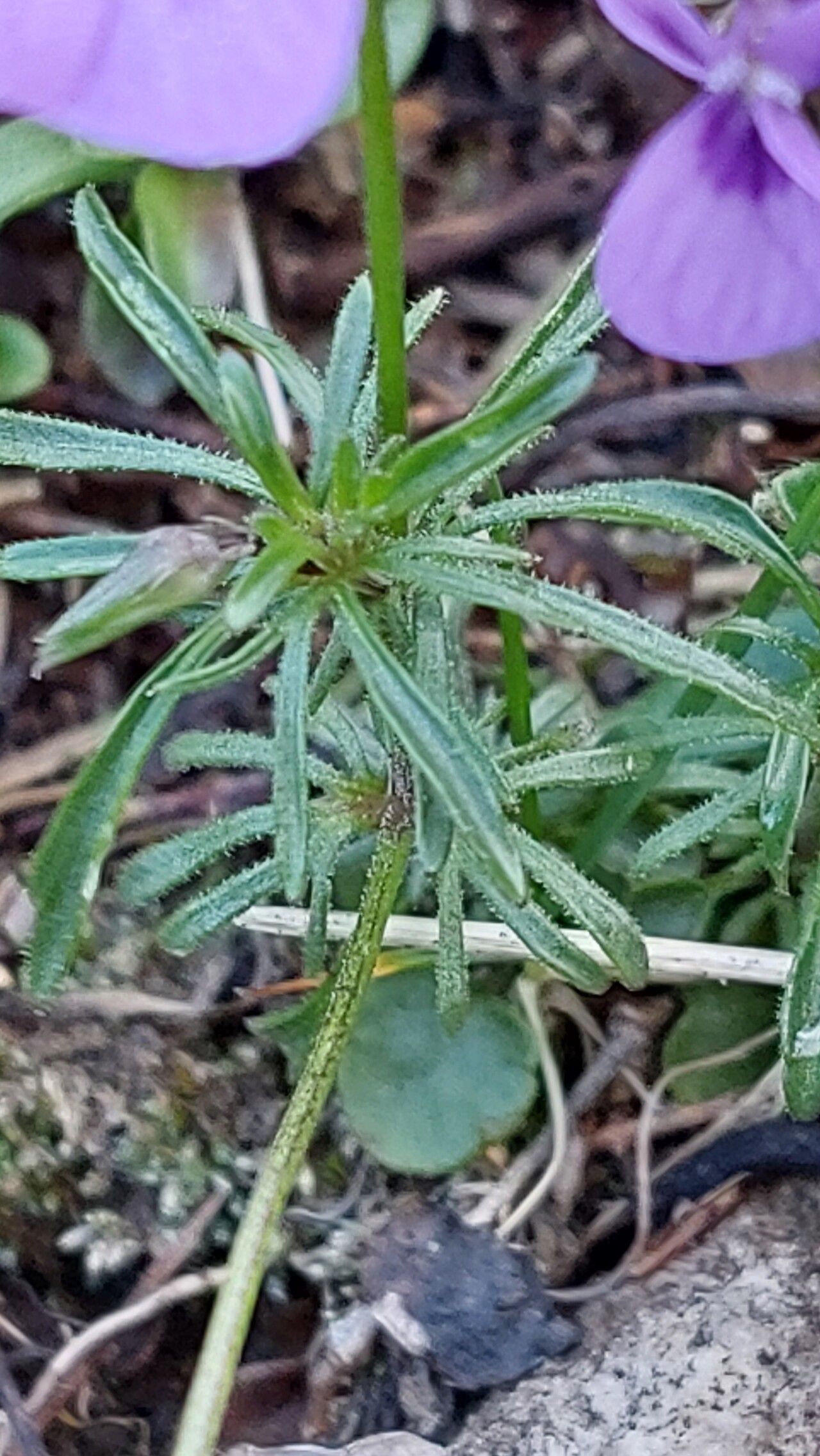
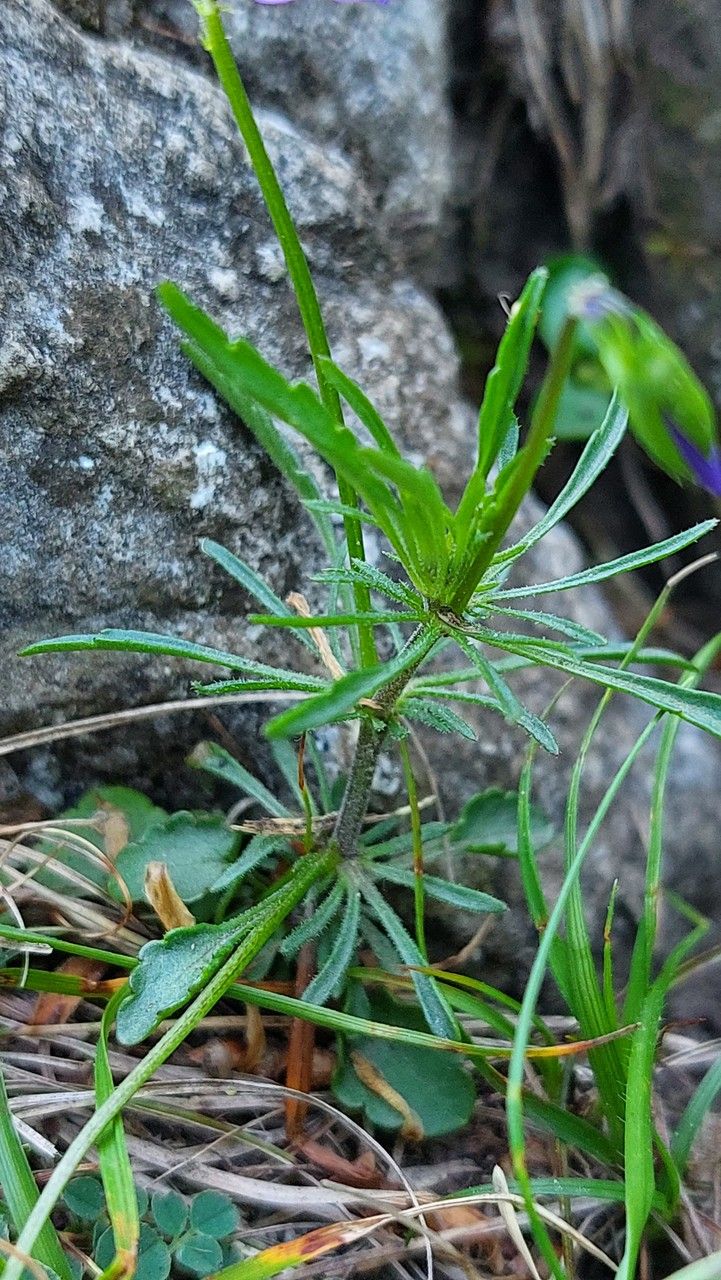
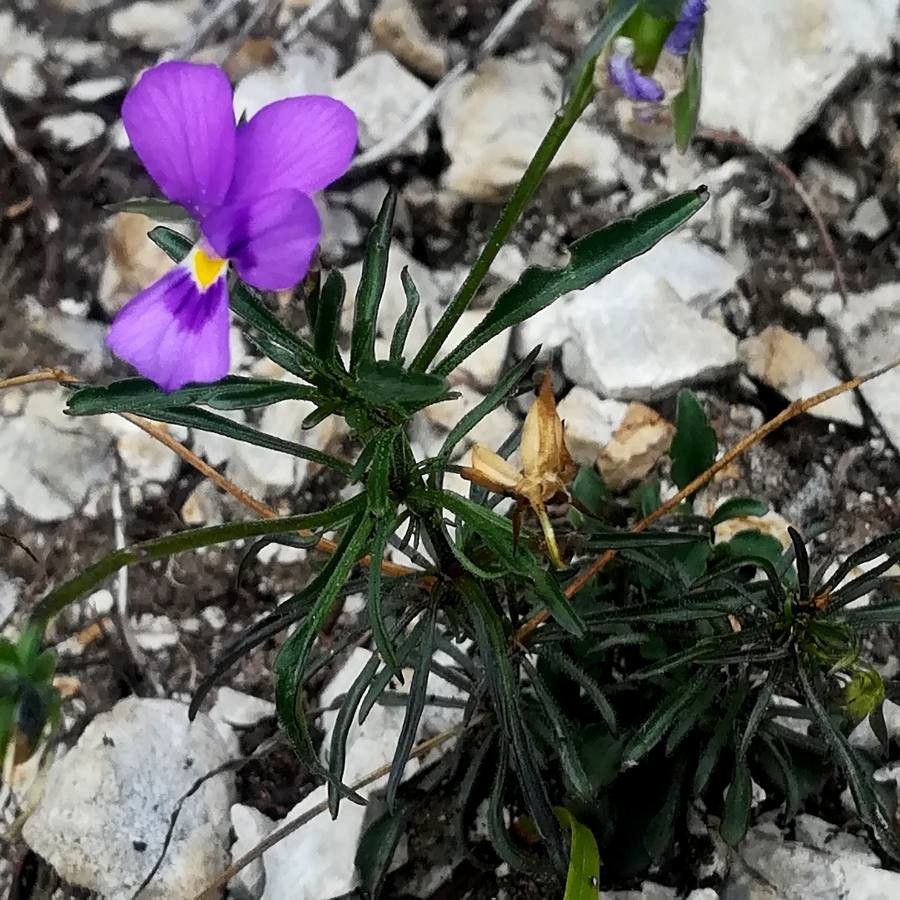
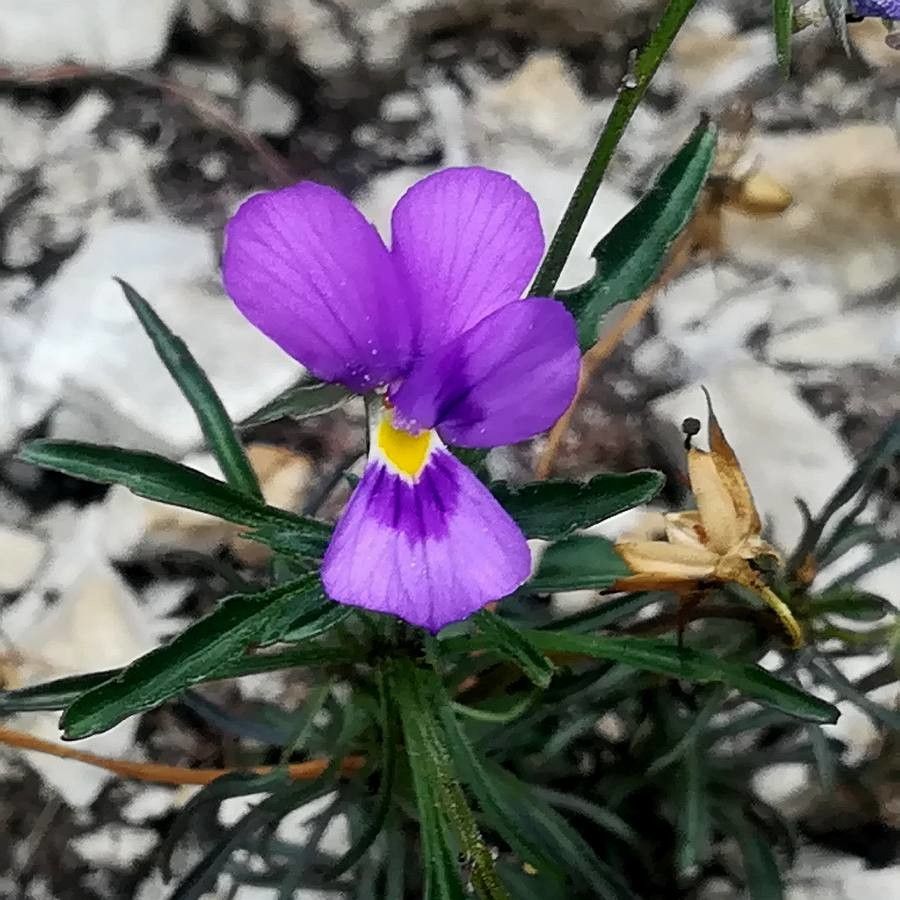
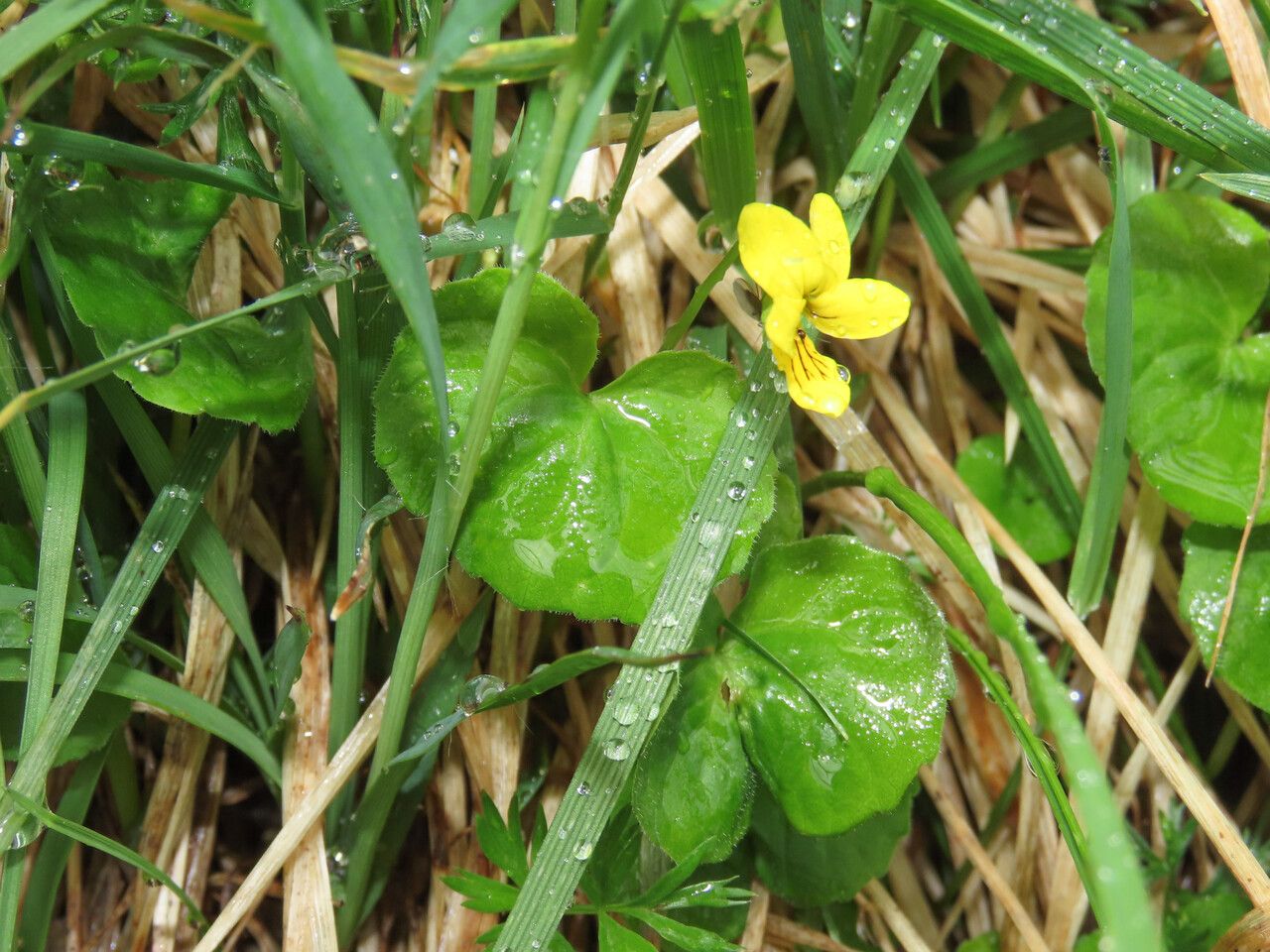
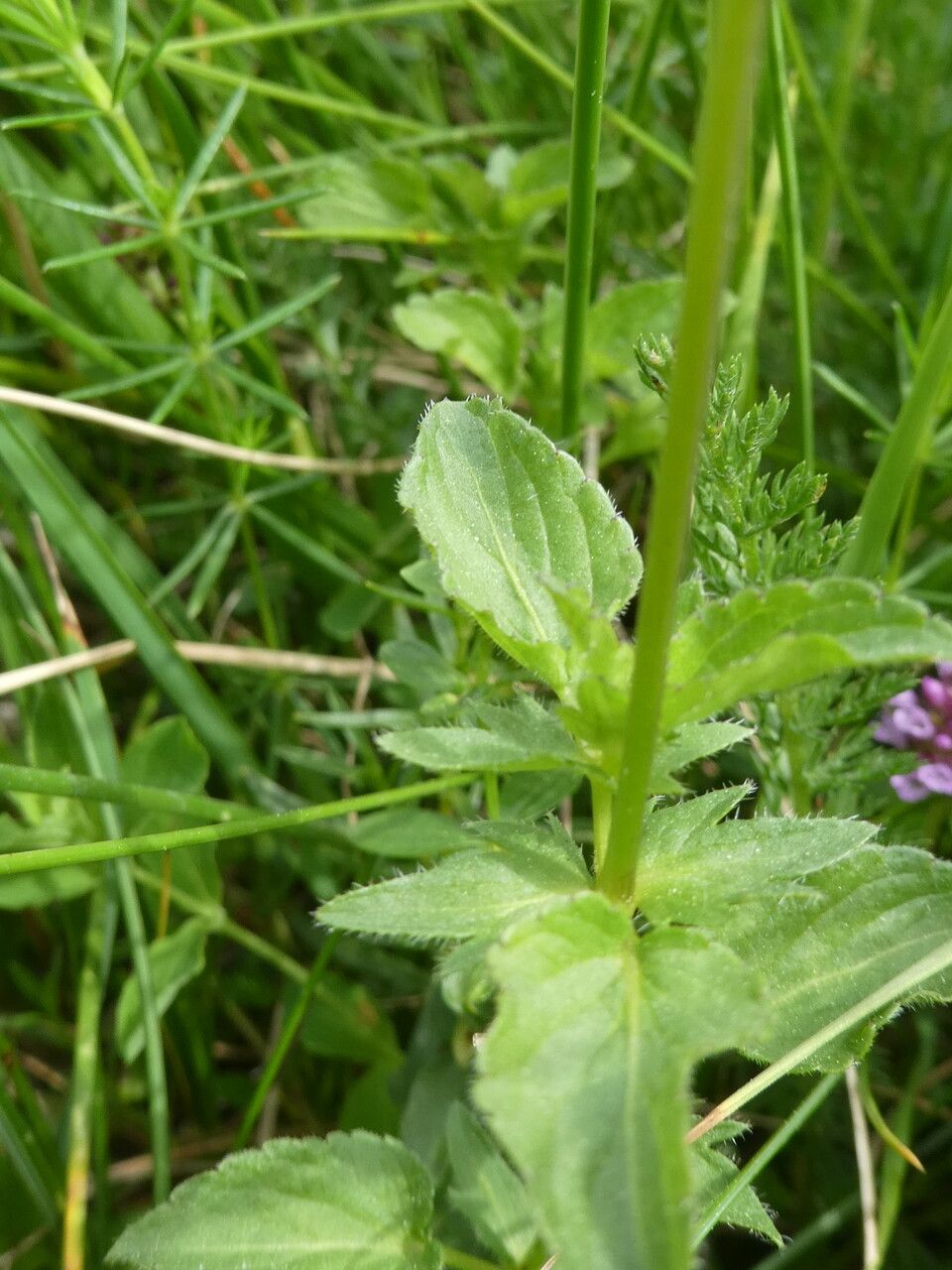
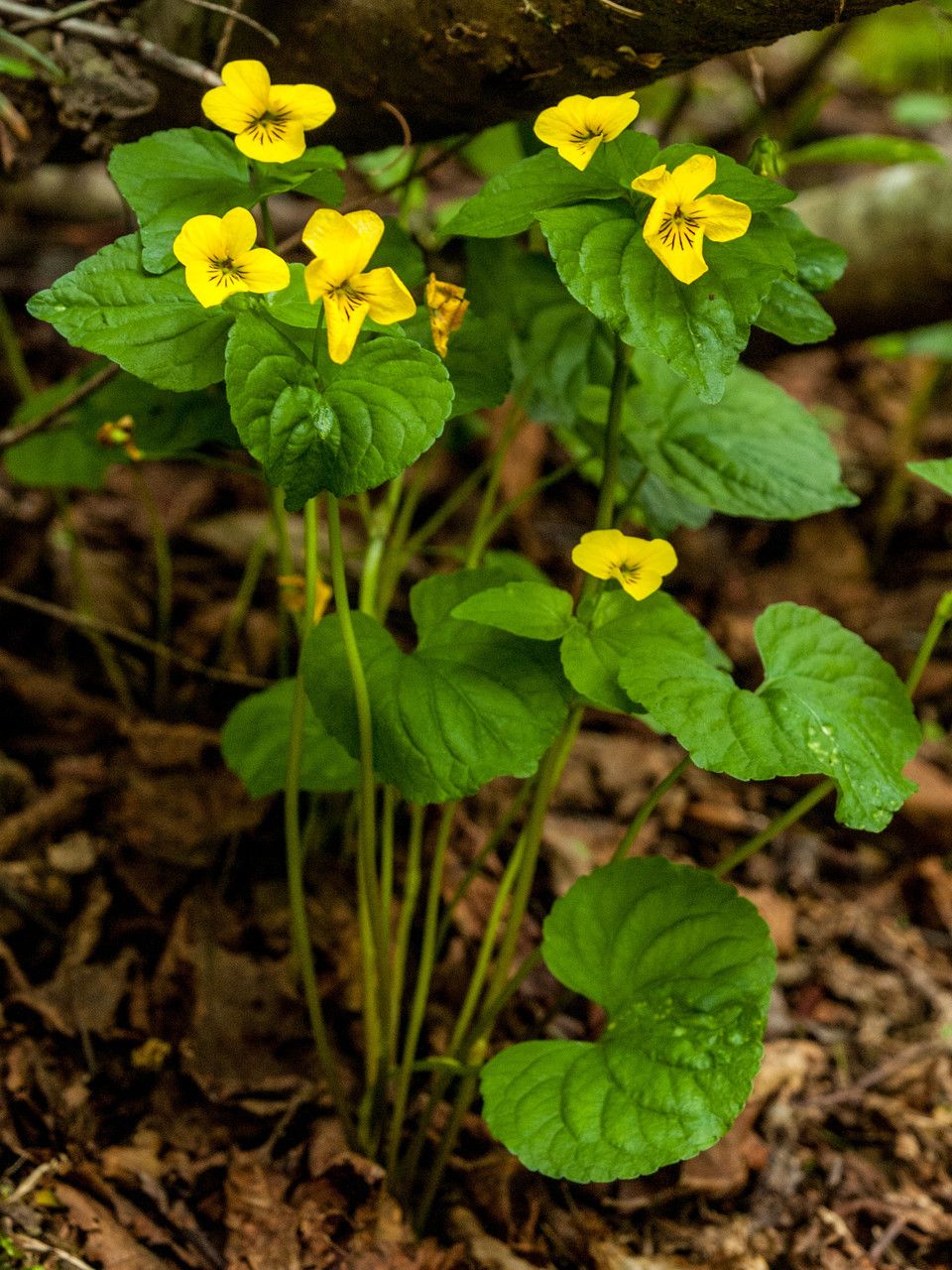
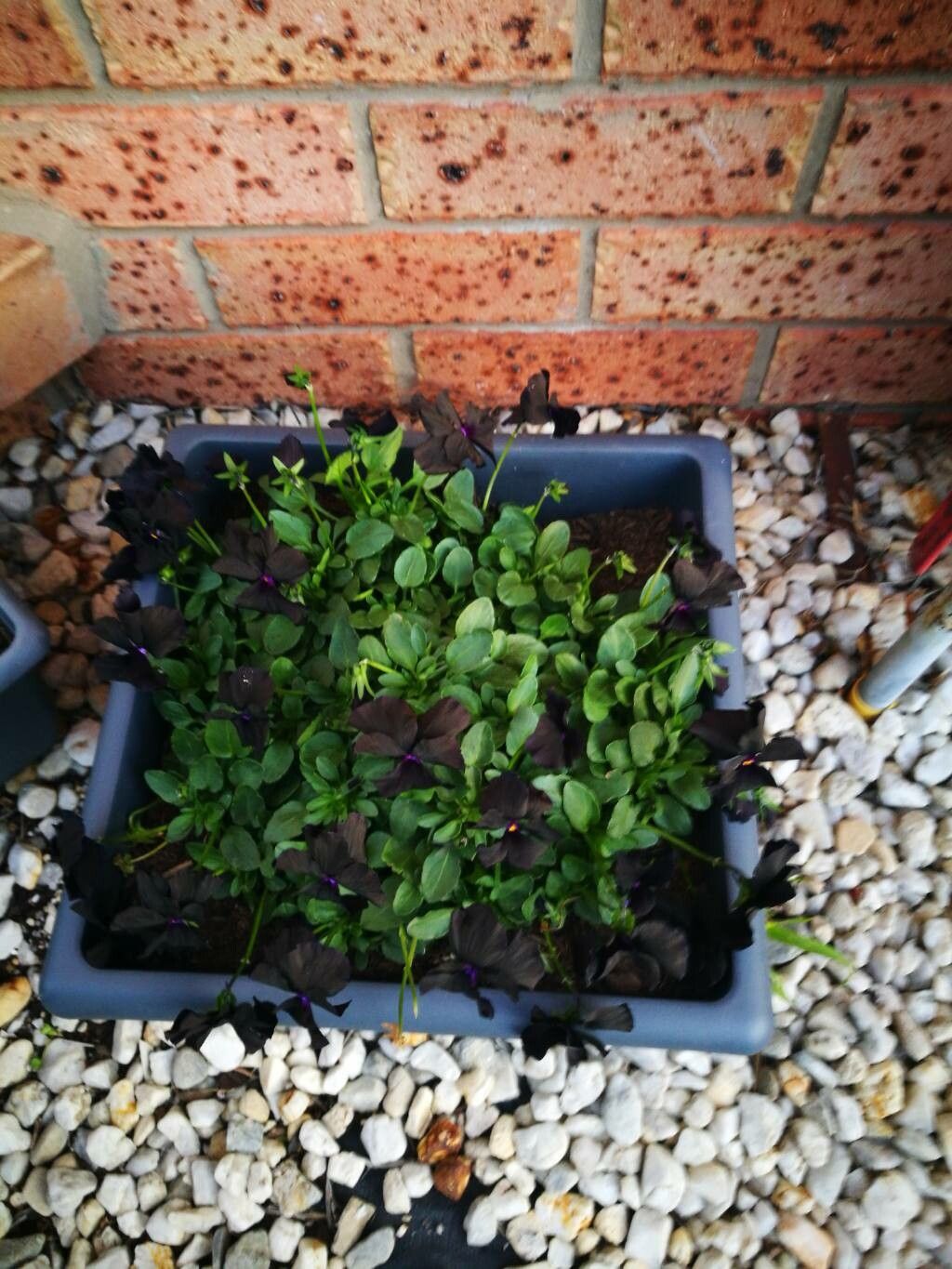
Duby's pansy has strong disease resistance and is generally not prone to illnesses. Still, it can be affected by pests and diseases present in its surroundings. These infections are typically not serious. In terms of care, the plant needs moderate maintenance. It should be pruned regularly to preserve a good appearance and healthy growth. Fertilizing can also help encourage flowering. Duby's pansy is appropriate for anyone with outdoor space, such as a garden or patio, and does not demand extensive care experience. It may need more attention when grown indoors.
How to keep Viola Dubyana.
Light
Duby's pansy is native to habitats like forest understories or rocky sites, which offer natural shade. It prefers partial sun but can adjust to full sun or full shade, showing its hardy and versatile character.
Water
Duby's pansy thrives in humid forests and mountainous regions, which makes it sensitive to drought. However, overwatering can lead to decay. In gardens, you should water the plant according to the weather, ensuring the soil doesn't dry out. For potted plants, water them thoroughly when the surface of the soil feels dry.
Temperature
Duby's pansy can adjust to a wide variety of temperatures, but its distribution may still be restricted by different combinations of moisture and heat. It does best in warm summer climates with sufficient rainfall or regular watering. Long spells of cloudy, rainy weather, as well as extended high temperatures, can raise the risk of Duby's pansy dying. In winter, giving it proper protection from the cold can increase the plant's survival rate.
Fertilizer
The ideal time to fertilize a Duby's pansy is early spring, as it comes out of dormancy and begins active growth. Fertilization supplies essential nutrients for healthy development. Although Duby's pansy has relatively low fertilization needs, fertilizing once a year can improve its survival and encourage better, longer-lasting flowers.
Pruning
To ensure healthy growth for Duby's pansy, it's important to prune the plant from early to late spring. Start by removing any dead stems and pinching off spent blooms. This encourages new growth and helps extend the blooming period. Additionally, thin out any overcrowded areas to improve air circulation. This will result in a bushier plant and a longer flowering season.
Botanical profile.
- Plant Type
- Herb
- Life Cycle
- Perennial
- Genus
- Viola
- Family
- Violaceae
- Hardiness Zone
- 5-9
- Mature Height
- 10 cm to 15 cm
- Mature Spread
- 15 cm to 20 cm
- Leaf Color
- Dark Green
- Leaf Type
- Evergreen
- Flower Size
- 2.03 cm to 3.05 cm
- Bloom Time
- Spring
- Planting Time
- Spring
- Harvest Time
- Early summer, Mid summer
- Native Area
- Italy