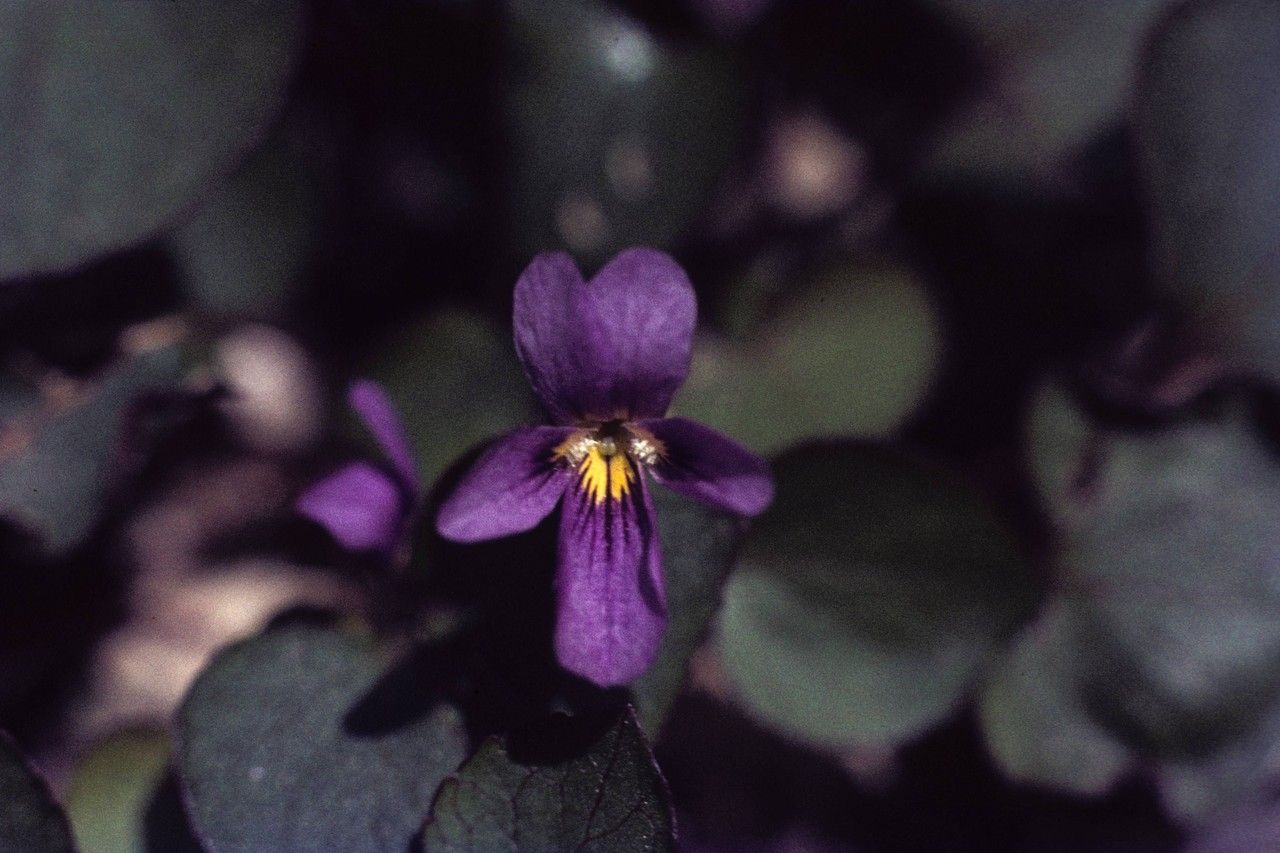
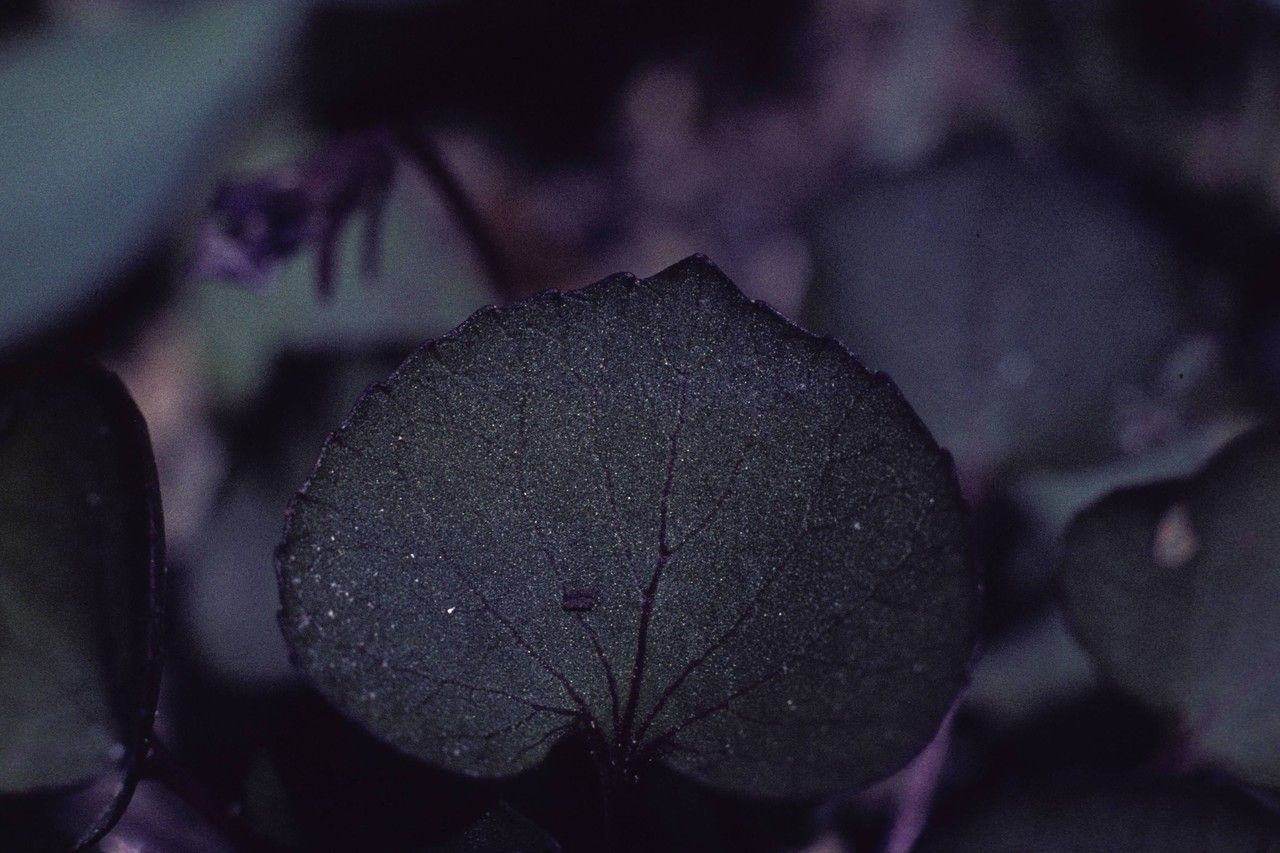
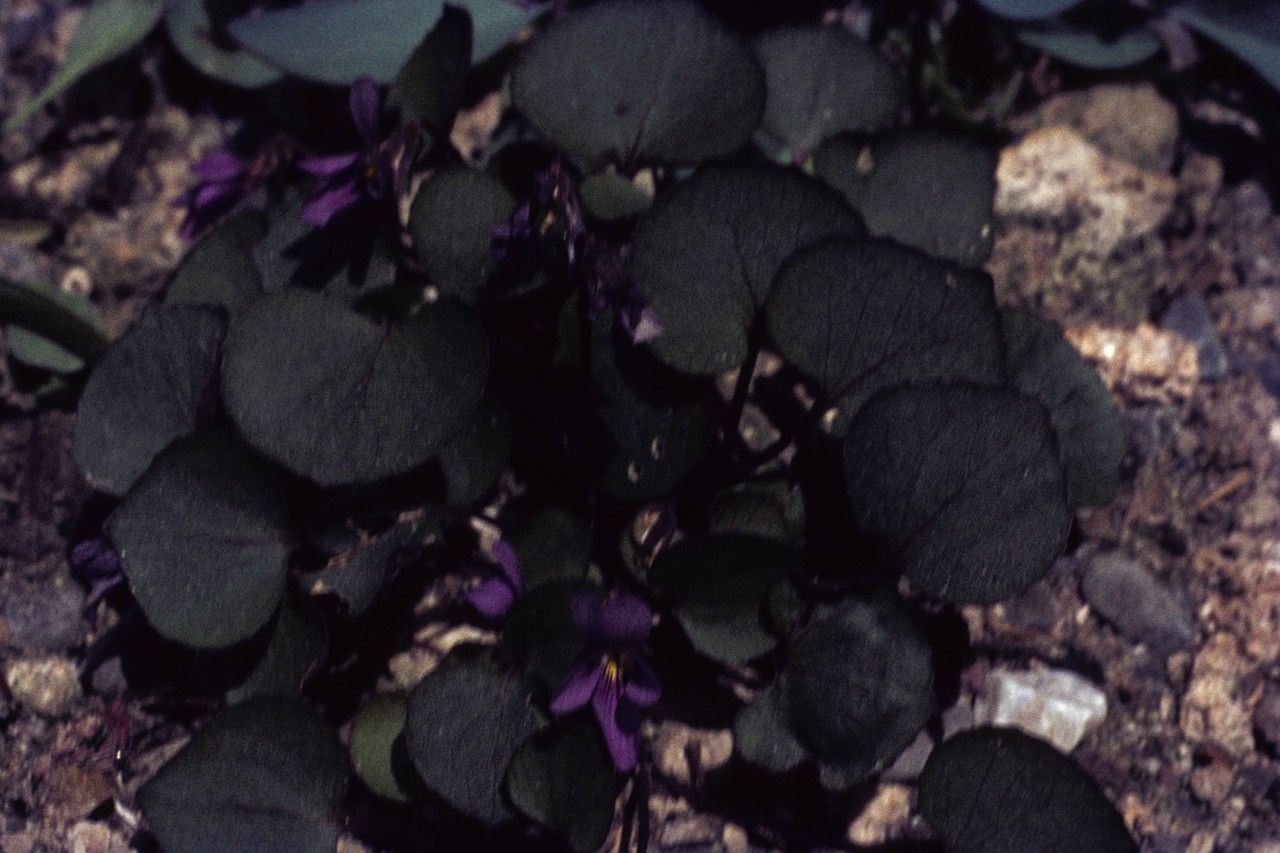
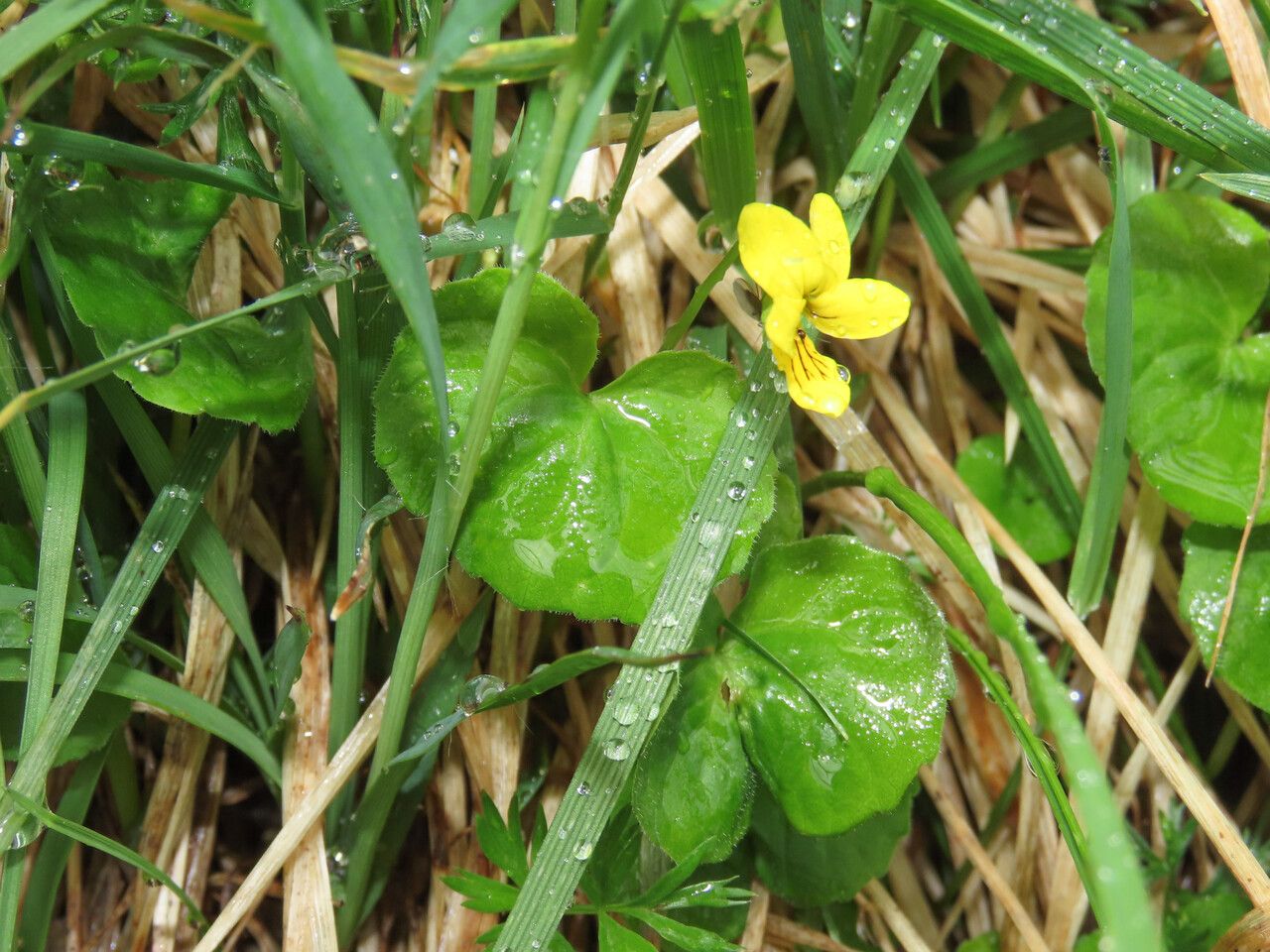
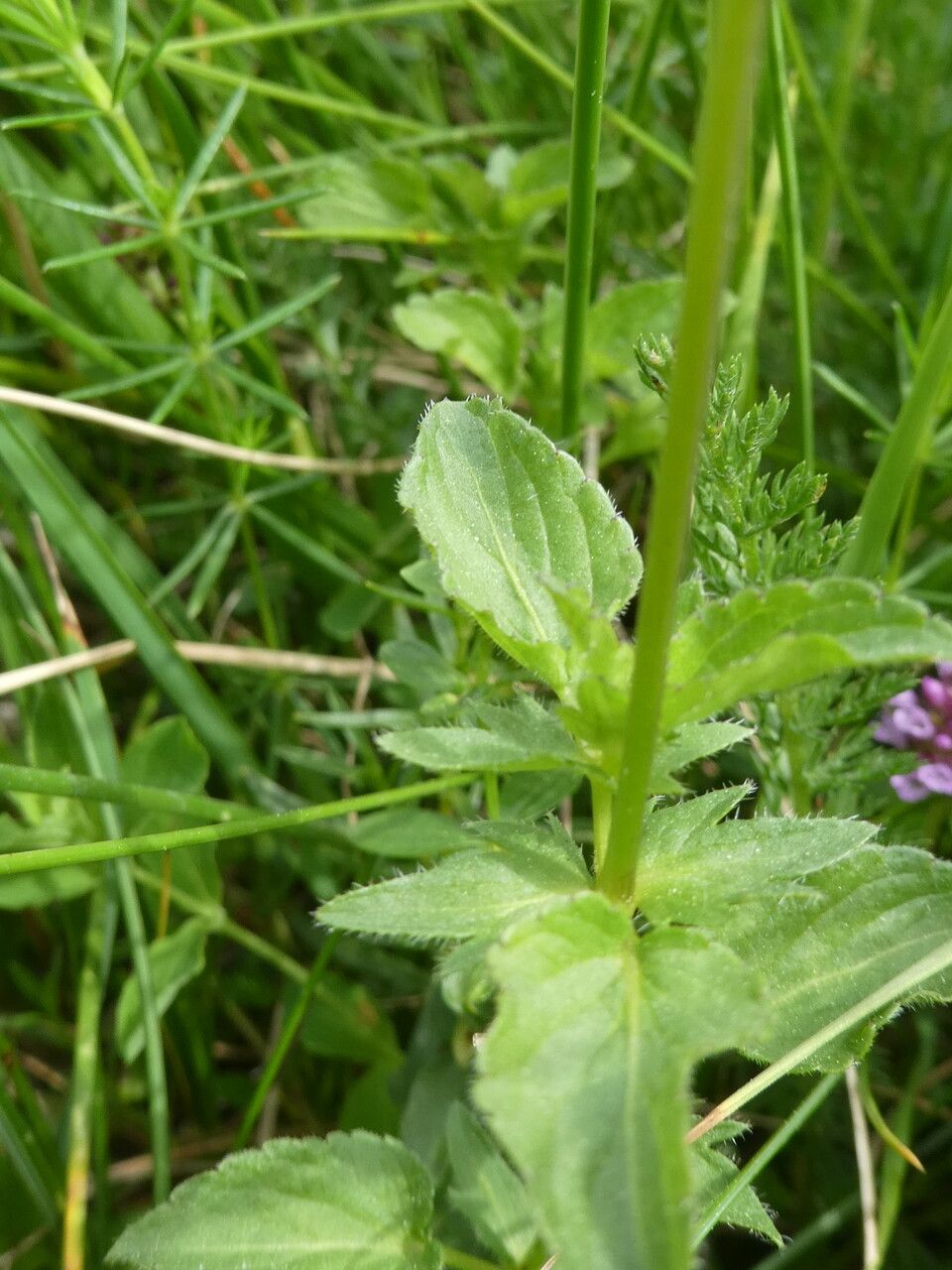
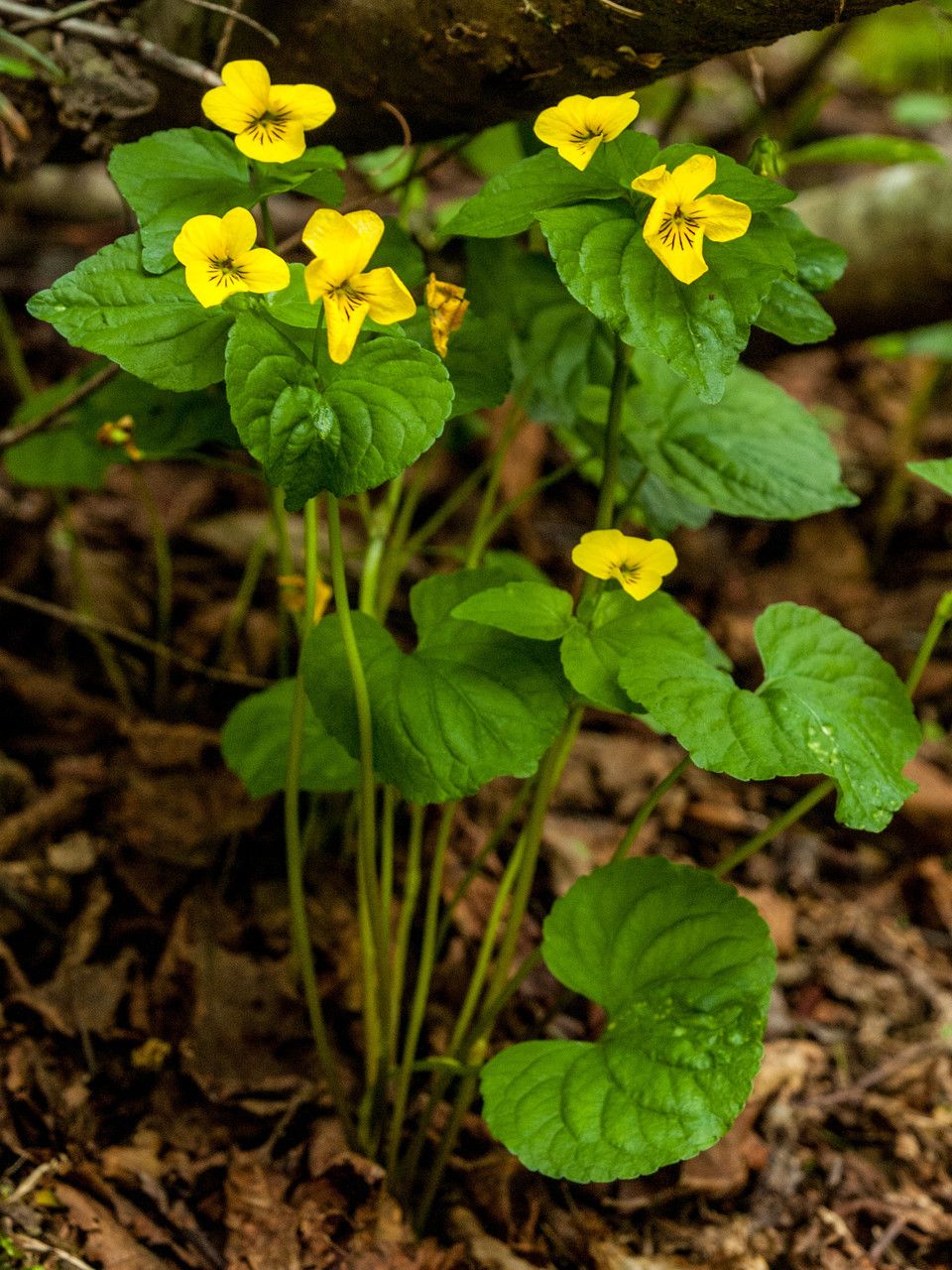
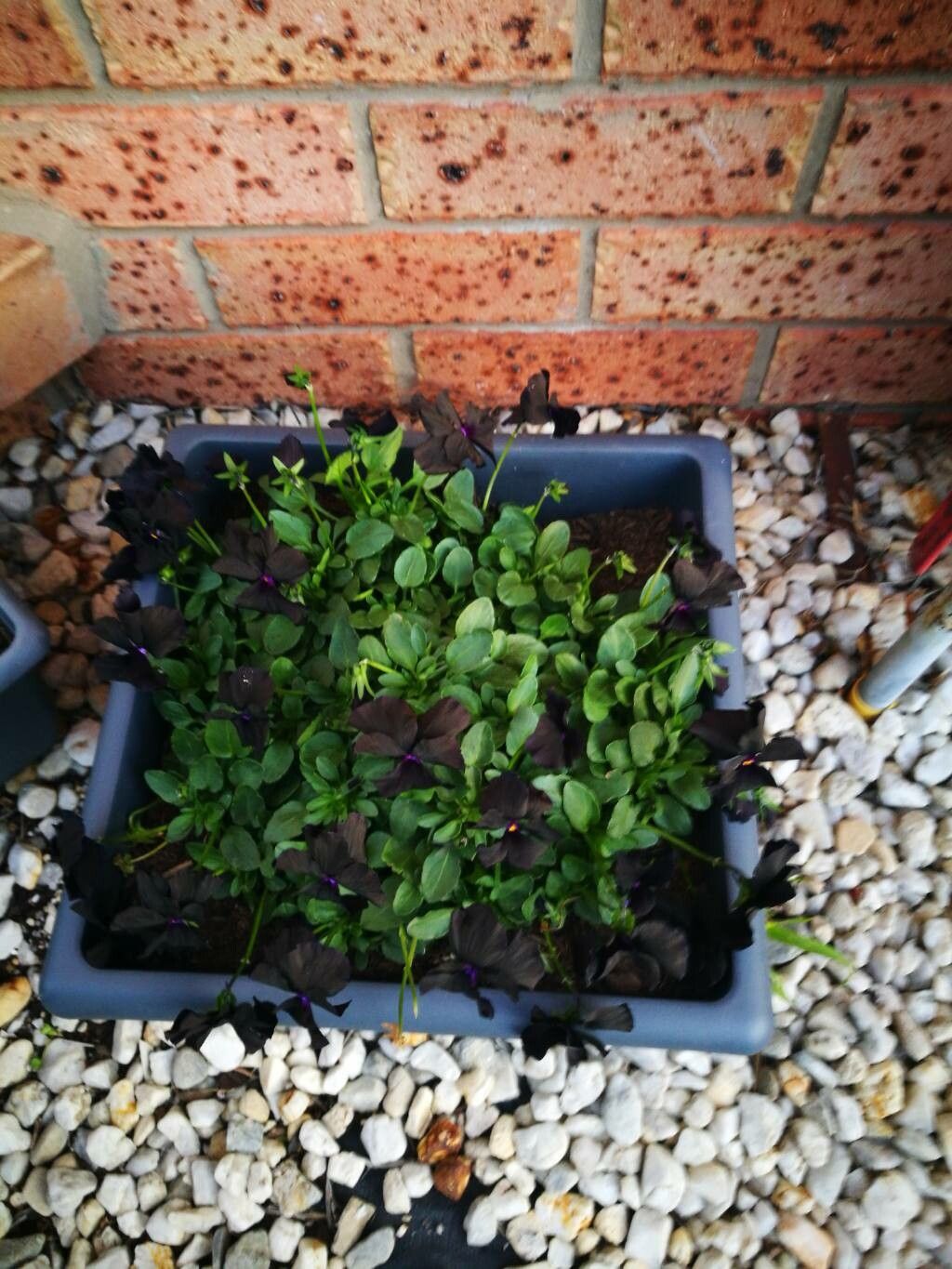
Viola flettii, a species of flowering plant in the family Violaceae, is a perennial herb that grows up to 10 cm tall. It has small, heart-shaped leaves and produces delicate purple flowers with yellow centers, which bloom from late spring to early summer.
Native to the Pacific Northwest region of North America, Viola flettii thrives in moist, shady areas such as forests and meadows. It prefers well-drained soil with high organic content.
Indigenous peoples have used Viola flettii for its anti-inflammatory properties, and it plays a crucial role as a food source for pollinators like bees and butterflies.
Unfortunately, habitat loss due to human activities such as logging and development has led to a decline in Viola flettii populations in recent years. Conservation efforts, including habitat restoration projects and the protection of remaining populations, are currently underway to safeguard this species from further decline.
Olympic violet shows strong disease resistance and is generally not very susceptible to illnesses. However, it can be vulnerable to pests and diseases present in its environment. These issues are usually mild. Regarding care, the plant needs a moderate amount of attention. Regular pruning is necessary to keep a neat appearance and support healthy growth. Fertilizing can also encourage better flowering. Olympic violet is well suited for anyone with outdoor space, such as a garden or patio, and does not require extensive care experience. It may need more attention when grown indoors.
How to keep Viola Flettii.
Light
Olympic violet occurs naturally in habitats like forest understories and rocky areas, where it grows in natural shade. It prefers partial sun but can tolerate full sun or full shade, showing its versatile, hardy character.
Water
Olympic violet flourishes in humid forests and mountainous regions, but it is not tolerant of drought conditions. Be cautious of overwatering, as it can lead to decay and eventually kill the plant. To keep Olympic violet healthy, water it based on current weather conditions, ensuring that gardens do not become excessively dry. For potted plants, make sure to water them thoroughly whenever the soil surface becomes dry.
Fertilizer
For Olympic violet, the primary time to apply fertilizer is in early spring when the flowers are beginning to form. Using the appropriate fertilizer promotes better blooms and helps the Olympic violet produce attractive flowers. Fertilizing in early spring ensures strong flowers throughout the season and supplies energy for dormant growth phases.
Pruning
To keep Olympic violet healthy and vibrant, it's best to prune it in early spring. Start by removing any dead stems to encourage a fuller shape. Make the cuts just above the leaf nodes to support healthy regrowth. This practice improves air circulation, reduces the risk of disease, and enhances the plant's overall appearance and vitality throughout the growing season.
Botanical profile.
- Plant Type
- Herb
- Life Cycle
- Perennial
- Genus
- Viola
- Family
- Violaceae
- Hardiness Zone
- 4-8
- Mature Height
- 3 cm to 15 cm
- Mature Spread
- 10 cm to 15 cm
- Leaf Color
- Dark Green
- Leaf Type
- Deciduous
- Flower Color
- Violet, Purple
- Flower Size
- 1.52 cm to 2.03 cm
- Bloom Time
- Mid spring, Late spring
- Planting Time
- Spring, Summer
- Harvest Time
- Early summer, Mid summer
Other names.
Reader questions.
What are the sunlight requirements for Olympic violet (Viola flettii)?
The Olympic violet (Viola flettii) thrives under specific sunlight conditions. For plants described as needing 'Full sun', they require above 6 hours of sunlight daily. Those categorized under 'Partial sun' need about 3-6 hours of sunlight daily. It's important to observe the movement of sunlight through your garden to find spots that offer the right balance of light and shade, ensuring your plants remain happy and healthy.
What is the Olympic violet?
The Olympic violet, known botanically as Viola flettii, is a species of violet. Details about its essential characteristics, symptoms of care, or additional information are not provided in the available data.