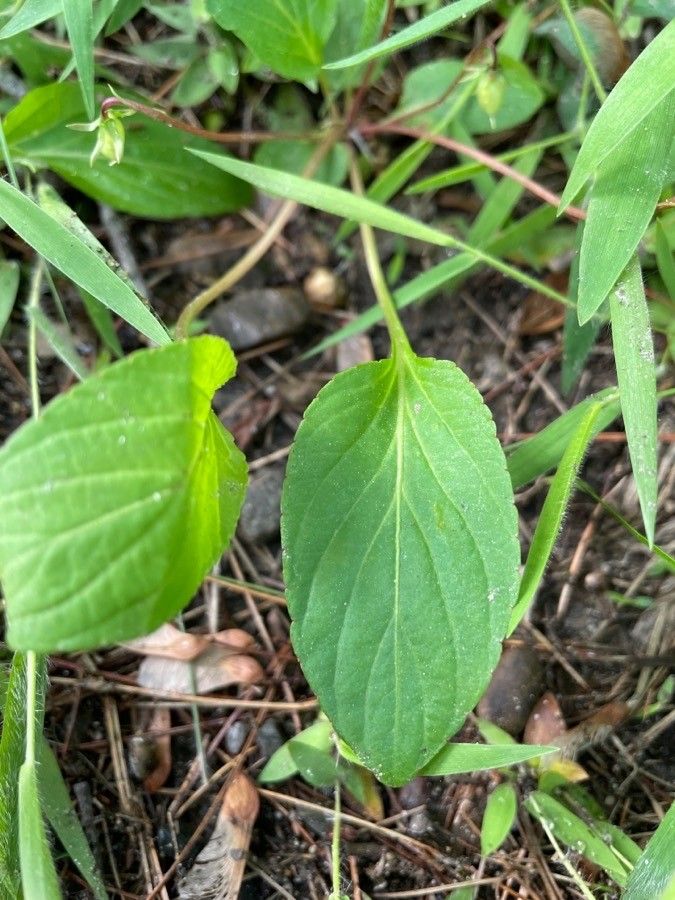
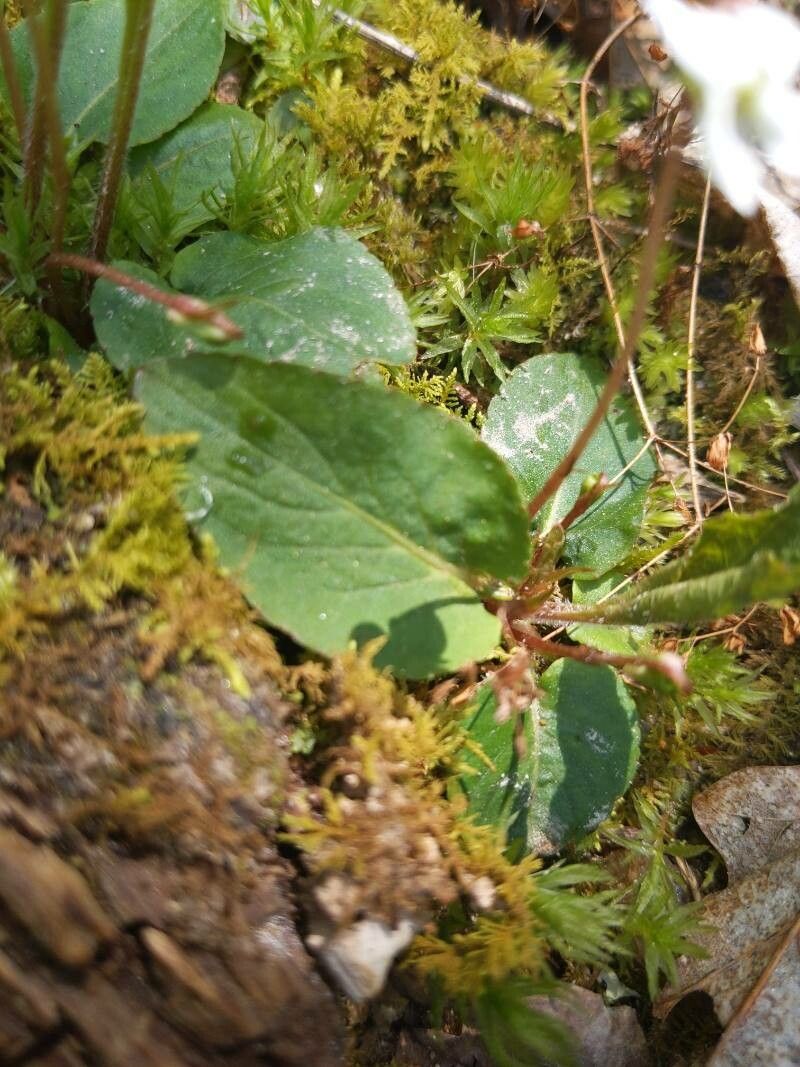
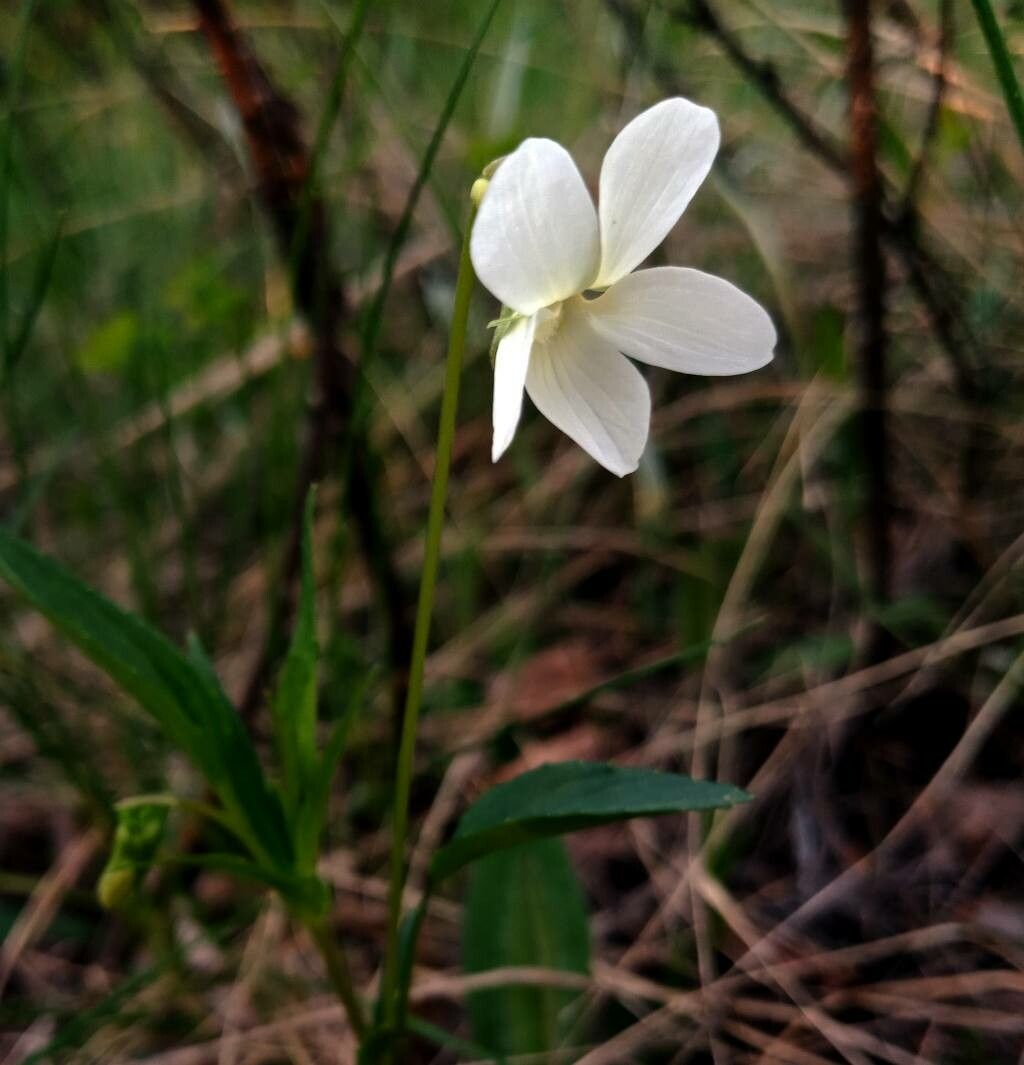
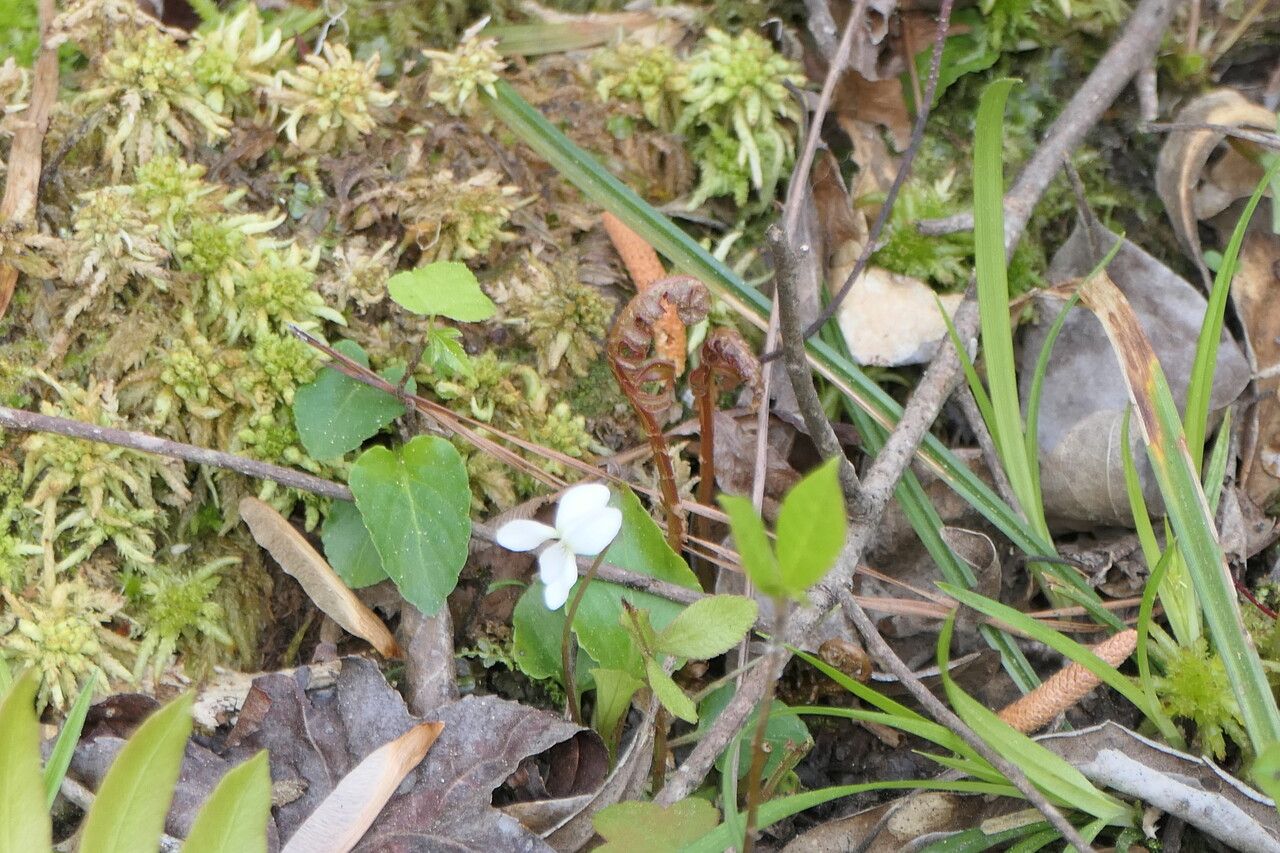
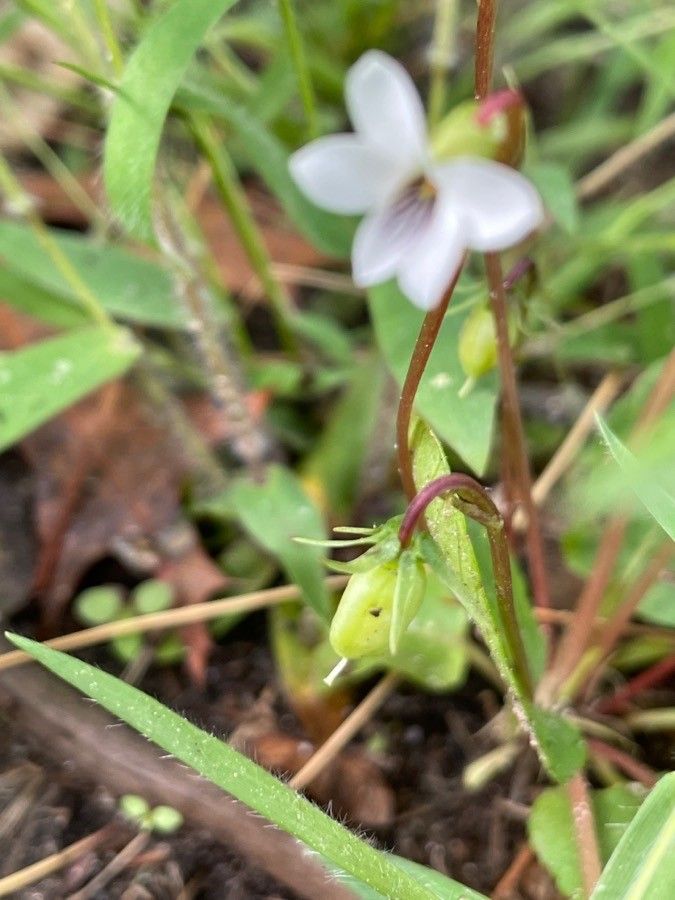
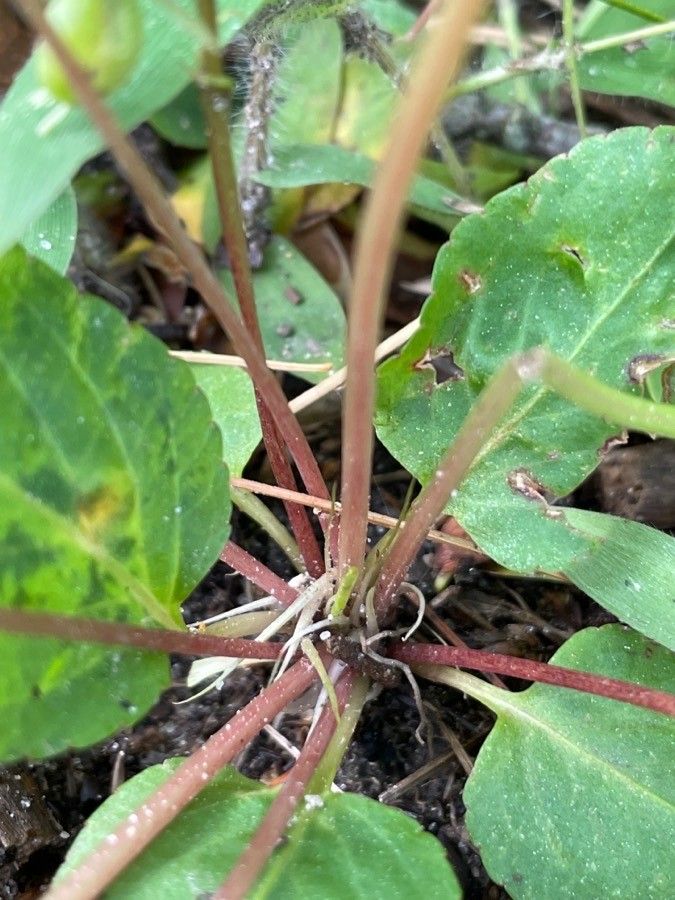
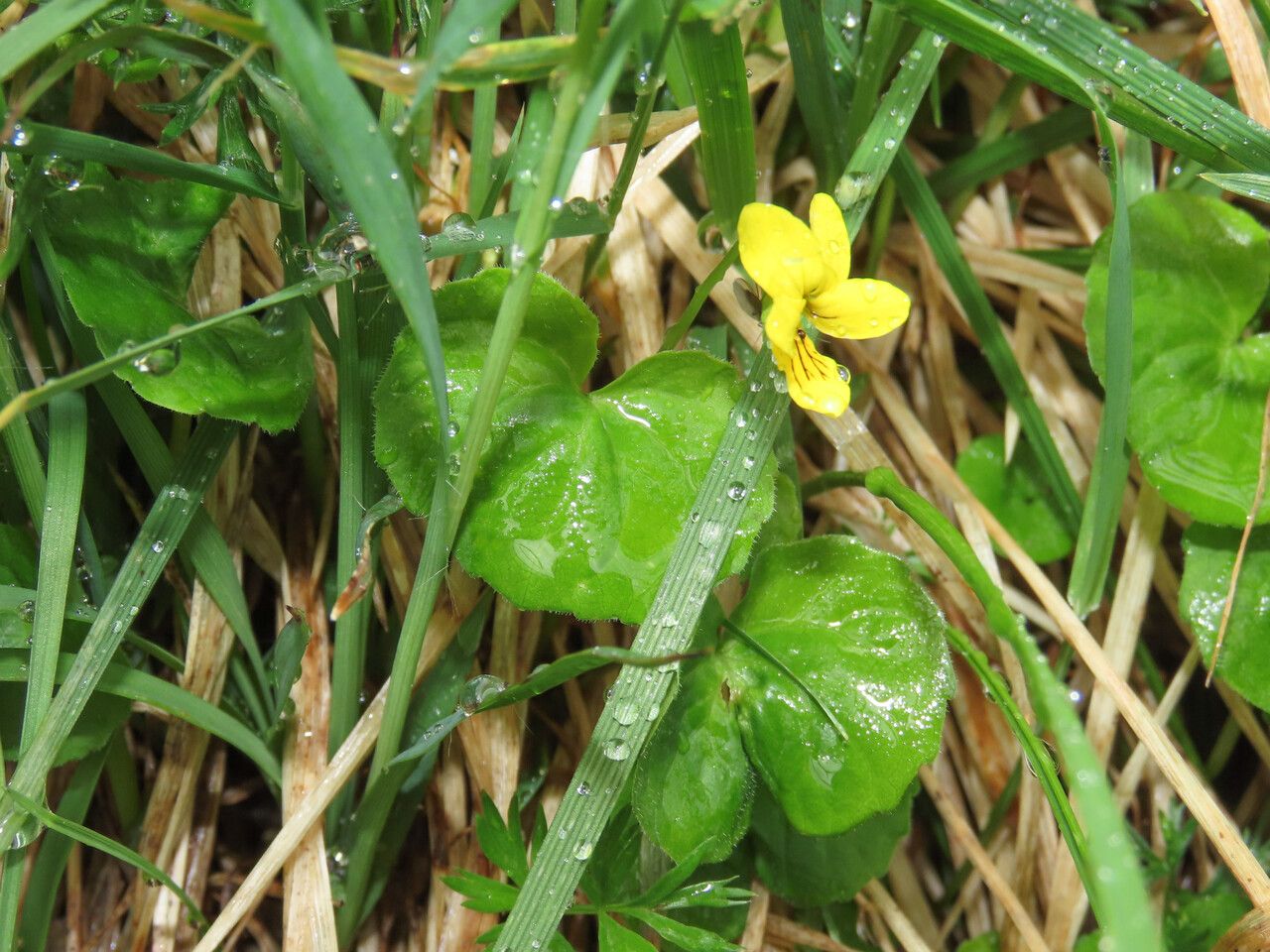
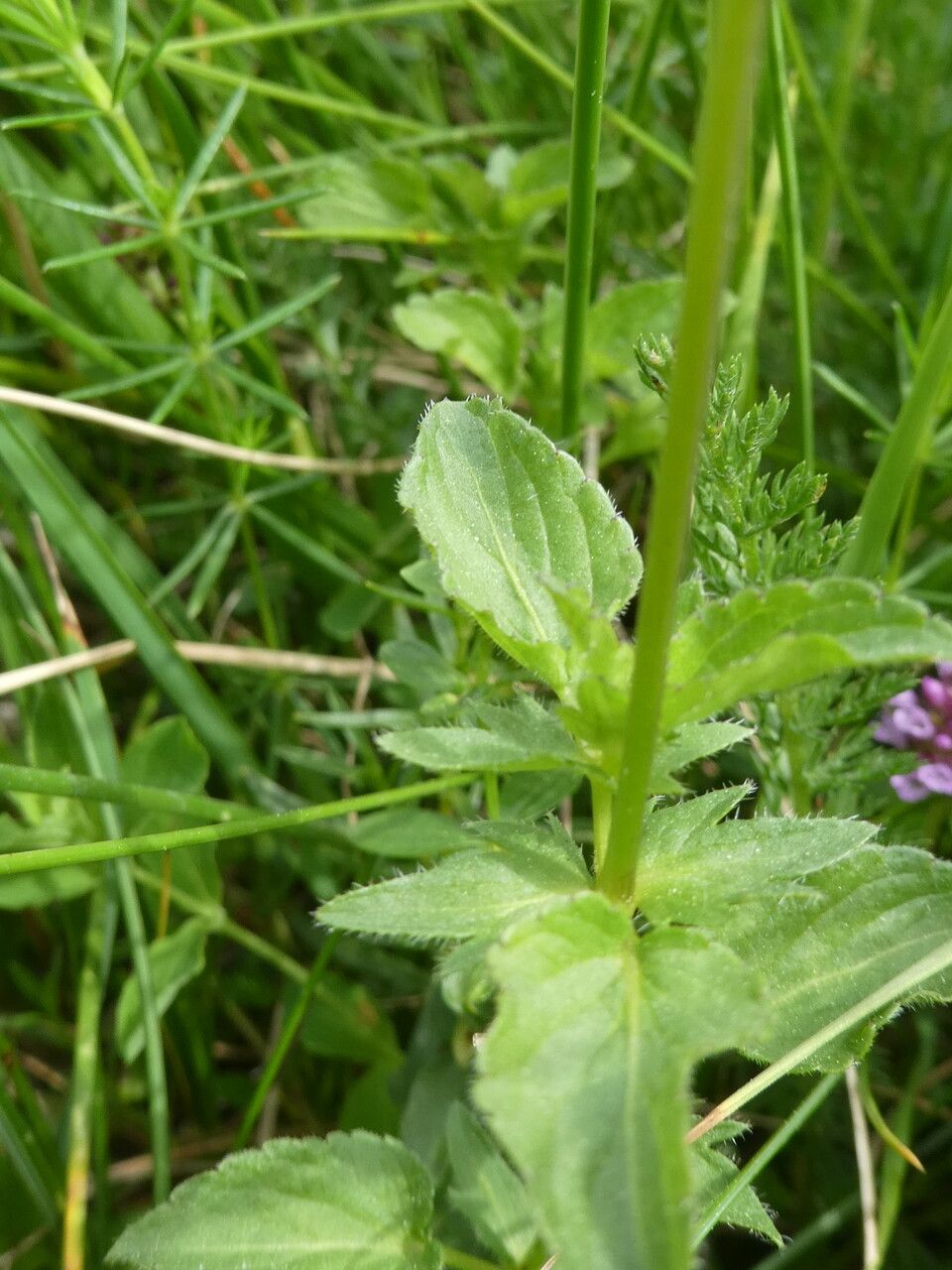
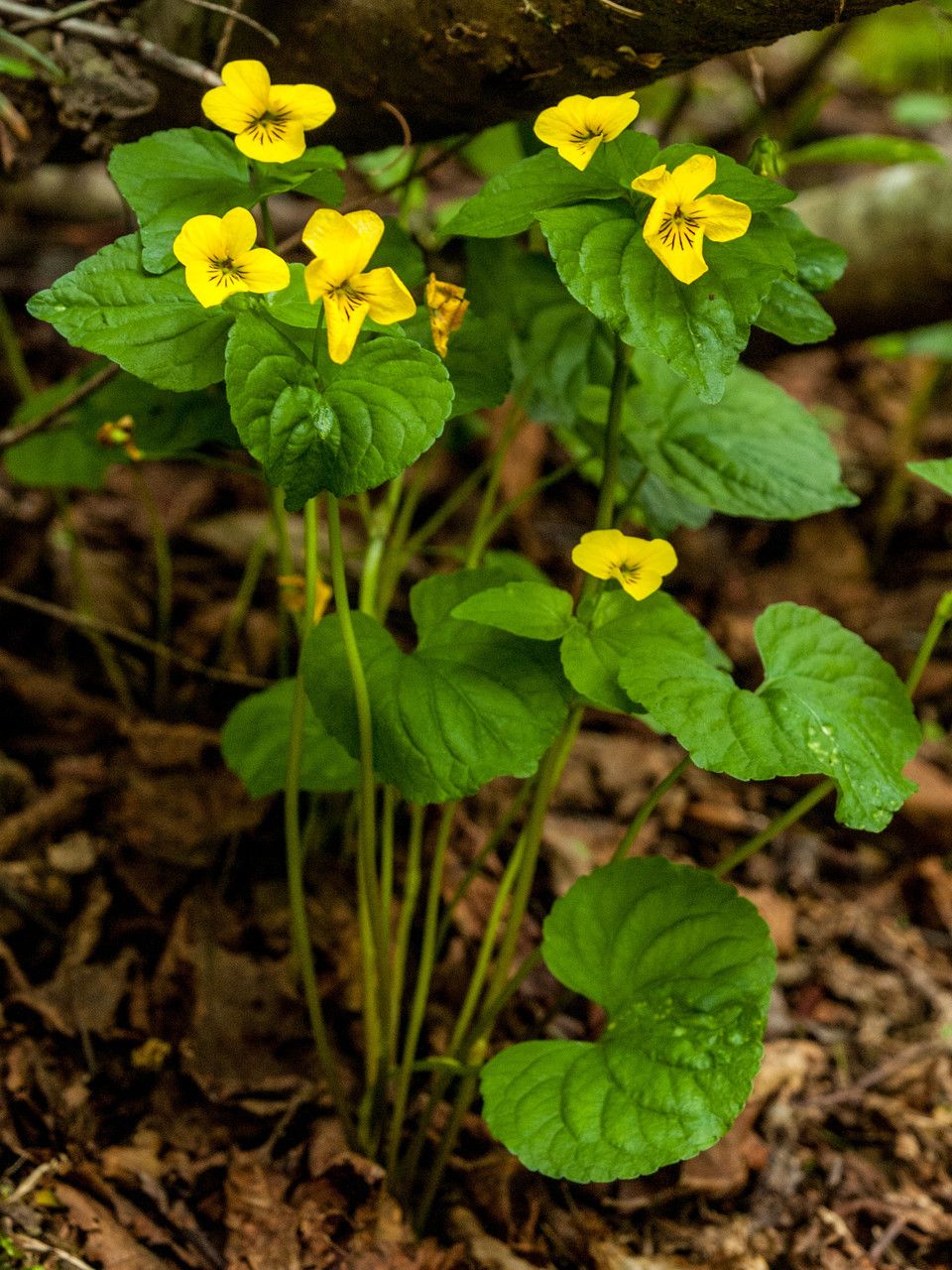
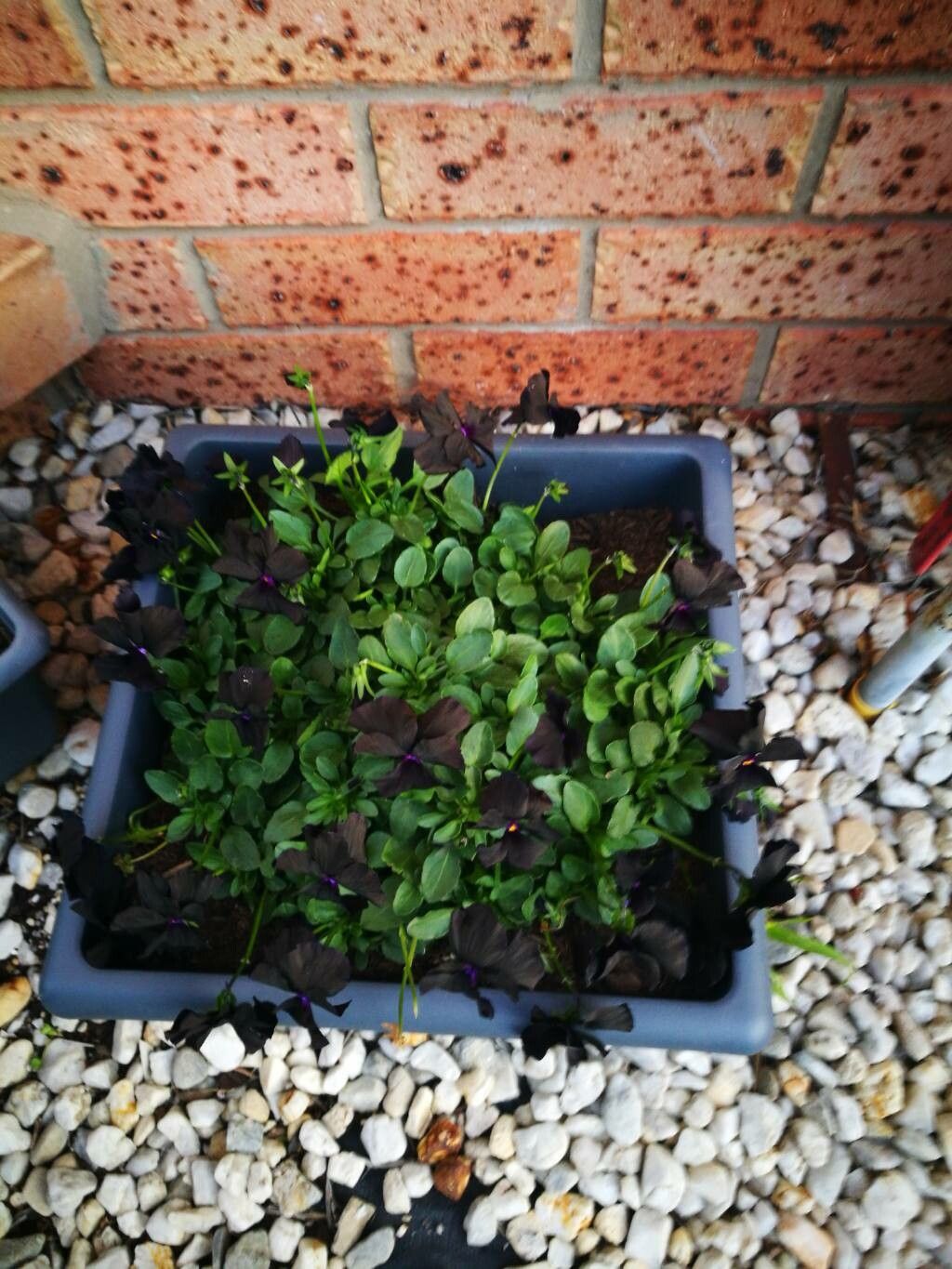
Viola lanceolata, commonly known as the Lance-leaved Violet, is a perennial herbaceous plant in the Violaceae family. Native to North America, it thrives in diverse habitats including meadows, woodlands, and prairies. The Lance-leaved Violet reaches up to 30 cm in height and features dark green, lance-shaped leaves with serrated edges. From April to June, the plant produces small yellow flowers with five petals.
Renowned for its attractive foliage and blossoms, the Lance-leaved Violet is a popular ornamental plant. Historically, Native Americans have utilized this plant for medicinal purposes, treating ailments such as headaches, coughs, colds, and skin irritations.
Moreover, the Lance-leaved Violet is a crucial food source for pollinators like bees and butterflies, thanks to its nectar-rich flowers. This makes it an essential component of North American flora, offering both ornamental and medicinal value. Whether for enhancing a garden or contributing to habitat restoration projects, Viola lanceolata is a valuable addition.
Bog white violet has strong resistance to disease and is generally not susceptible to illnesses. However, it can be vulnerable to pests and diseases present in its environment. These infections are generally mild. In terms of care, this plant needs moderate maintenance. It should be pruned regularly to keep a neat appearance and support healthy growth. Fertilizing can also help encourage flowering. Bog white violet is appropriate for anyone with an outdoor area, such as a garden or patio, and does not demand much care experience. It may require extra attention when grown indoors.
How to keep Viola Lanceolata.
Light
Bog white violet thrives in areas with moderate sunlight, which is a key factor in its robust growth. Although it comes from habitats with substantial filtered light throughout the day, it does not require those exact conditions. Insufficient light can impede its development, while too much sunlight may be detrimental.
Water
The bog white violet thrives in moist, marshy environments and can endure brief periods of flooding. To mimic its natural habitat when cultivated, it needs to be watered weekly. In dry seasons, the plant goes dormant, which reduces its water requirements as a survival strategy.
Temperature
The bog white violet is native to temperate, seasonally regulated climates and prefers average temperatures of 59 to 95°F (15 to 35℃). For optimal growth, keep temperatures within this range, making slight adjustments to accommodate warmer or cooler seasonal fluctuations.
Fertilizer
The best time to fertilize a Bog white violet is in early spring, when it is coming out of dormancy and beginning active growth. Fertilization supplies essential nutrients for healthy development. Although the Bog white violet has relatively low fertilizer requirements, annual fertilization can improve its survival and encourage better, longer-lasting blooms.
Pruning
The bog white violet flourishes in wet, boggy areas and produces beautiful white flowers. To maintain its health and encourage growth, prune the plant from early to late spring, removing only the dead or damaged stems. Regularly check for pests and diseases, as timely pruning can help prevent these issues. Be cautious with pruning, as heavy cutting can stress the plant; light trimming is usually sufficient.
Pot & Repot
When repotting Bog white violet, select a pot 1-2 inches (2.5–5.1 cm) larger with good drainage. Use a well-draining potting mix. Repot in spring or fall, making sure the root ball is slightly lower than the rim of the flower pot. Water thoroughly after repotting and place it in a warm spot with indirect sunlight.
Botanical profile.
- Plant Type
- Herb
- Life Cycle
- Perennial
- Genus
- Viola
- Family
- Violaceae
- Hardiness Zone
- 8-10
- Mature Height
- 10 cm to 15 cm
- Mature Spread
- 15 cm
- Leaf Color
- Green, Gray, Silver
- Leaf Type
- Deciduous
- Flower Color
- White
- Flower Size
- 2.54 cm
- Bloom Time
- Spring
- Planting Time
- Spring, Summer
- Harvest Time
- Late spring, Early summer, Mid summer
Other names.
Reader questions.
How should I water my Bog white violet?
To properly water the Bog white violet, it is recommended to use filtered water at room temperature or slightly warmer. This is because tap water may contain harmful particles for the plant's health. The Bog white violet is accustomed to a warm environment, so cold water can be a shock to its system. Additionally, it is best to avoid overhead watering to prevent foliage complications. Instead, water the plant by applying filtered room temperature water directly to the soil until it is completely soaked. This method is beneficial as it helps moisten the roots and aids in their continued spread through the soil to gather necessary nutrients.
What are the sunlight requirements for Bog White Violet?
Bog White Violet thrives in areas with moderate sunlight exposure, typically requiring about 3-6 hours of sunlight daily. Originating from habitats with substantial daylong filtered light, it can adapt to less than ideal conditions but performs best with adequate light. Insufficient light may hinder its growth, while too much direct sunlight could be harmful. It’s important to watch the sunlight movement in your garden to find spots that offer a good balance of light and shade, ensuring the plant's well-being.
What is the ideal temperature range for Bog white violet?
Bog white violet, or Viola lanceolata, thrives in temperate climates regulated by seasons, with an ideal temperature range between 59 to 95°F (15 to 35°C). To ensure optimal growth, it's important to maintain these temperatures, making slight adjustments to accommodate seasonal changes. While the plant has some level of cold tolerance, particularly when temperatures exceed -5°C, additional protective measures should be taken if temperatures are expected to drop below -5°C, such as wrapping the plant in plastic film or fabric. Once temperatures rise, these protections should be promptly removed.
What should I do if I give my Bog white violet too much water or too little water?
Overwatering is a common issue for the health of your Bog white violet. It causes wilting and yellowing of the stems and leaves, and can lead to diseases like root rot, mold, and mildew that can kill the plant. Underwatering is less likely, but it can cause brittle and brown leaves. It's important to recognize signs of overwatering quickly and reduce watering. Replace poorly draining soil with a well-draining mix. If your plant is not getting enough water, increase the frequency of watering until the signs improve.
How can artificial lighting benefit indoor plants like Bog White Violet?
When natural sunlight is insufficient, especially during winter or in less sunny spaces, artificial lighting can be crucial for the growth of indoor plants like Bog White Violet. Artificial lights, such as LED lights, can be customized to provide specific wavelengths needed for optimal growth. Full sun plants require 30-50W/sq ft, partial sun plants need 20-30W/sq ft, and full shade plants require 10-20W/sq ft of artificial light. The light source should be placed 12-36 inches above the plant to mimic natural sunlight, and plants typically need 8-12 hours of light per day to thrive.
How does Bog white violet react to low temperatures?
Bog white violet has a moderate tolerance to low temperatures and performs best when kept above 15°C. Throughout the winter, it's crucial to ensure the temperature does not fall below -5°C. Should temperatures drop below -10°C, the plant's leaves may begin to droop, and while they can recover from mild exposure, severe cases will lead to wilting and eventual leaf drop. To help the plant survive cold snaps, it's advised to trim off any frost-damaged parts and prepare for future low temperatures by wrapping the plant in non-woven fabric or cloth, and erecting a wind barrier for additional protection.
How often do I need to water my Bog white violet?
If your Bog white violet is in a pot, the most precise way to determine if it needs water is by checking the soil. Stick your finger into the soil and if the first two to three inches are dry, it's time to water it. If you have your Bog white violet planted outdoors, you can use a similar method. If the top few inches of soil are dry, it needs water. Typically, during spring and early fall, watering once a week is sufficient. However, during extremely hot weather, you may need to water twice or more per week. It's worth noting that mature and well-established Bog white violets can withstand drought relatively well.
What are the symptoms of incorrect light exposure in Bog White Violet?
Incorrect light exposure can cause various symptoms in Bog White Violet. Insufficient light may result in smaller new leaves, leggy or sparse growth, faster leaf drop, slower or halted new growth, and lighter-colored new leaves indicating a lack of chlorophyll. Excessive sunlight exposure can lead to chlorosis (leaves turning yellow), sunscald (damage from intense sunlight), leaf curling (to minimize water loss), wilting (due to increased water loss), and leaf scorching (brown, dry edges on leaves). These symptoms can significantly impact the plant's health and growth.
How should Bog white violet be cared for during high temperatures?
During the summer months, it's important to keep Bog white violet below 35°C to prevent stress and damage. Exposure to temperatures above 41°C can lead to lighter leaf color, drying and withering of leaf tips, curling of the leaves, and increased susceptibility to sunburn. To mitigate these effects, trim away any sunburned or dried parts of the plant. Relocating the plant to a shaded area during the midday and afternoon sun, or utilizing a shade cloth, can provide relief. Additionally, maintaining soil moisture through watering in the morning and evening will further help the plant cope with high temperatures.
How much water does my Bog white violet require?
Here are some tips on watering your Bog white violet effectively: - Don't be afraid to give your plant a proper amount of water. When the top two to three inches of soil become dry, it's time to water thoroughly. - To thoroughly water your plant, make sure to soak the soil entirely. The water should be enough to cause excess water to flow through the drainage holes at the bottom of the pot. - If you don't see any excess water draining from the pot, it means you might need to add more water. Underwatering can be harmful to your plant. - However, be careful not to let the water accumulate inside the soil as it can also be dangerous for the plant. Ensure proper drainage. - On the other hand, if water fails to drain through the pot, it could mean that the soil isn't draining well. This is harmful to your plant's health, so it's best to avoid it. - If your plant is placed outside, receiving around 1 inch of rain per week should be sufficient.
How can I address and correct light exposure issues for Bog White Violet?
To correct light exposure issues for Bog White Violet, gradually acclimate the plant to its ideal lighting conditions by moving it to increasingly sunnier spots each week until it achieves 3-6 hours of direct sunlight daily. For indoor plants that are large or difficult to move, consider using artificial lights such as desk lamps or professional grow lights for at least 8 hours daily. If dealing with outdoor plants, avoid sudden changes in light intensity to prevent sunburn. Reducing obstructions like pruning tree branches can help increase sunlight exposure. Transplanting smaller plants during their dormant period into a location with ample sunlight and good drainage is also beneficial. It's crucial to note that parts of the plant affected by insufficient sunlight may not recover, but new growth will be healthy with improved light exposure.
How should I water my Bog white violet as it grows?
The water needs of the Bog white violet can vary depending on its growth stages. In the first few years or after transplanting, it requires more water due to the energy it puts into sprouting new roots. These roots need extra moisture to support future growth. As the plant matures, it will require less water. Additionally, during the bloom period, the flower development requires more moisture, so you may need to increase watering during this time.