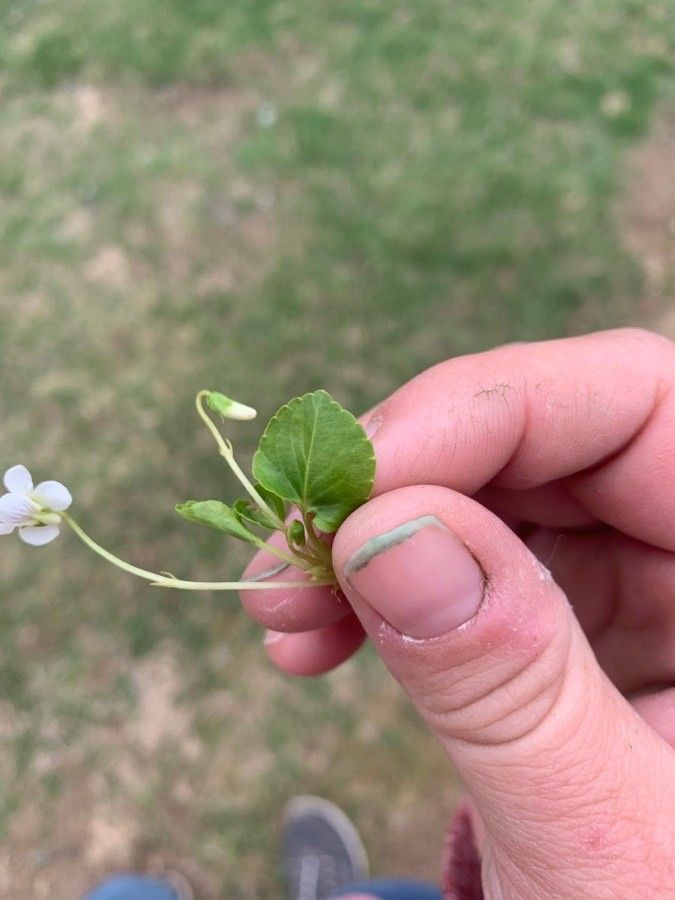
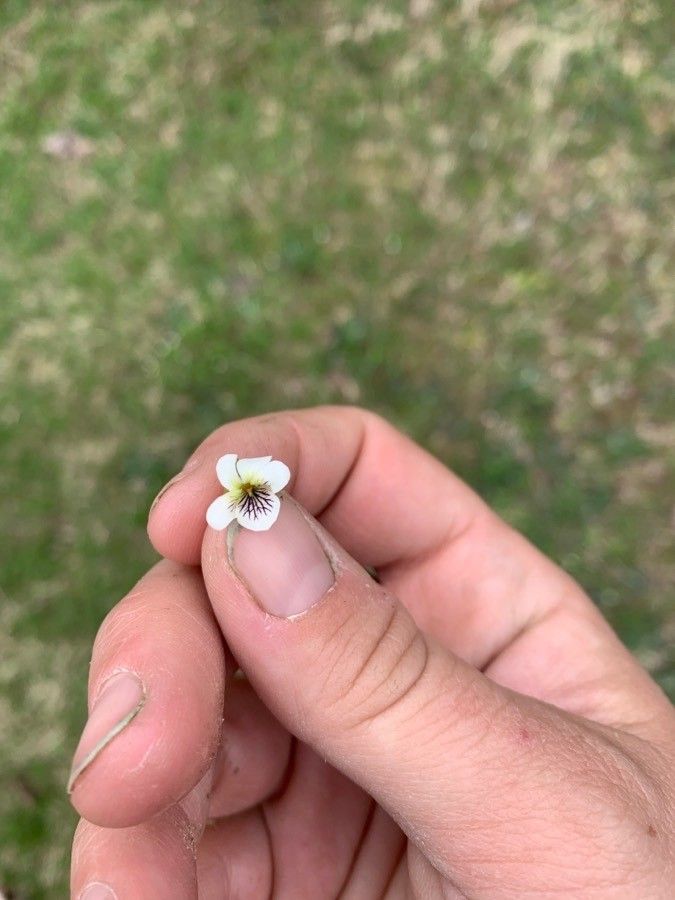
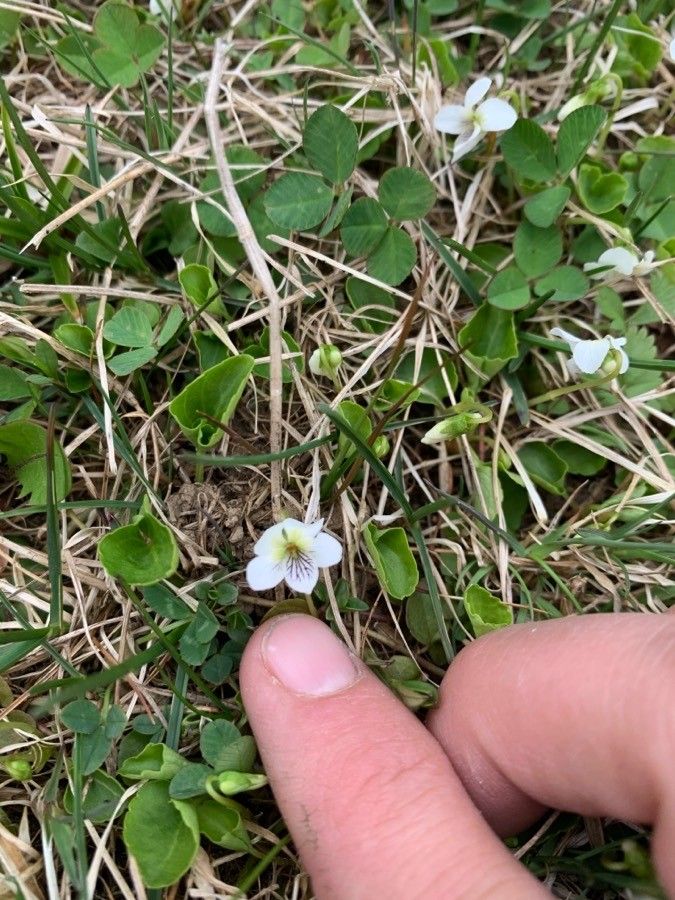
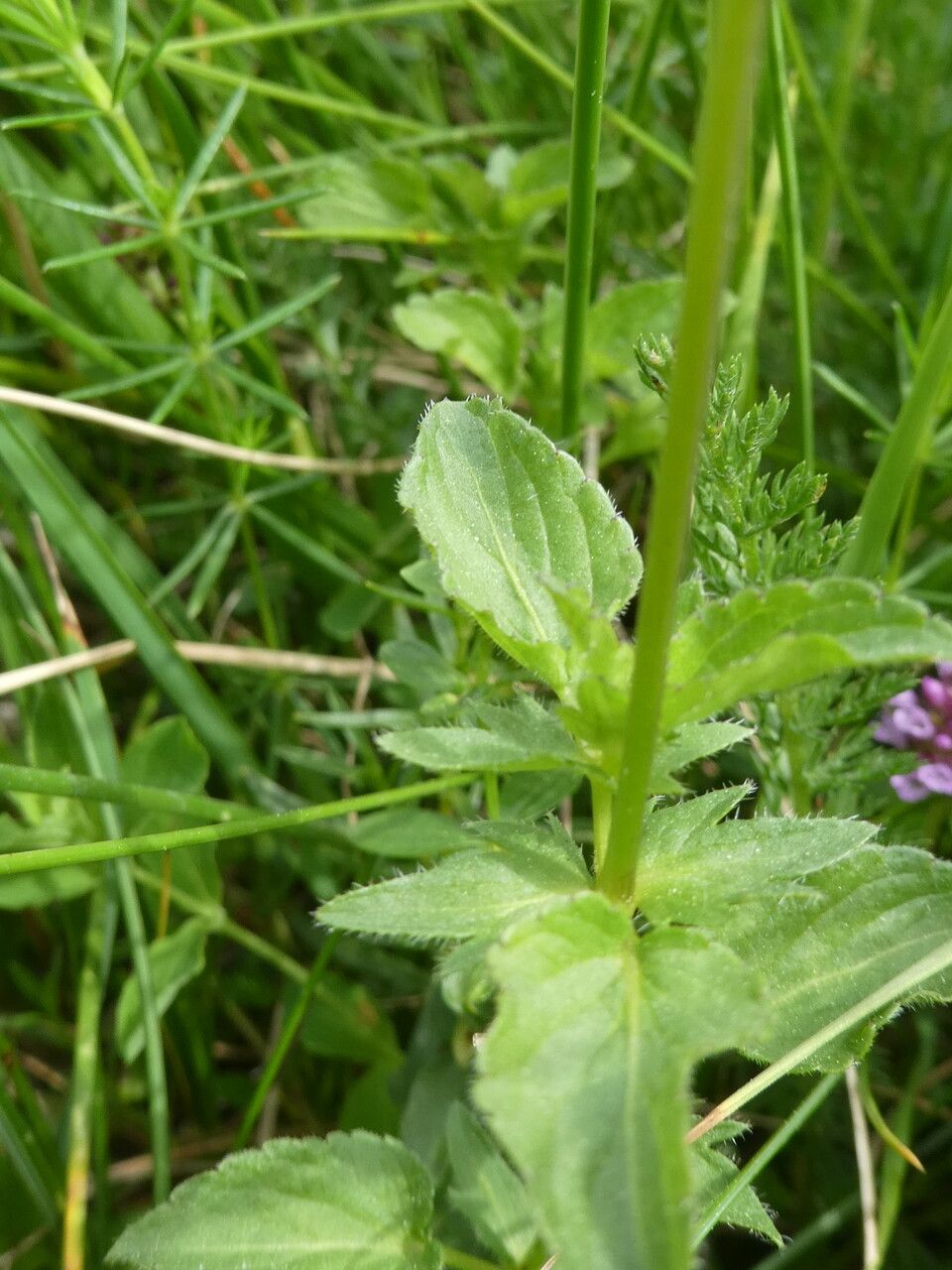
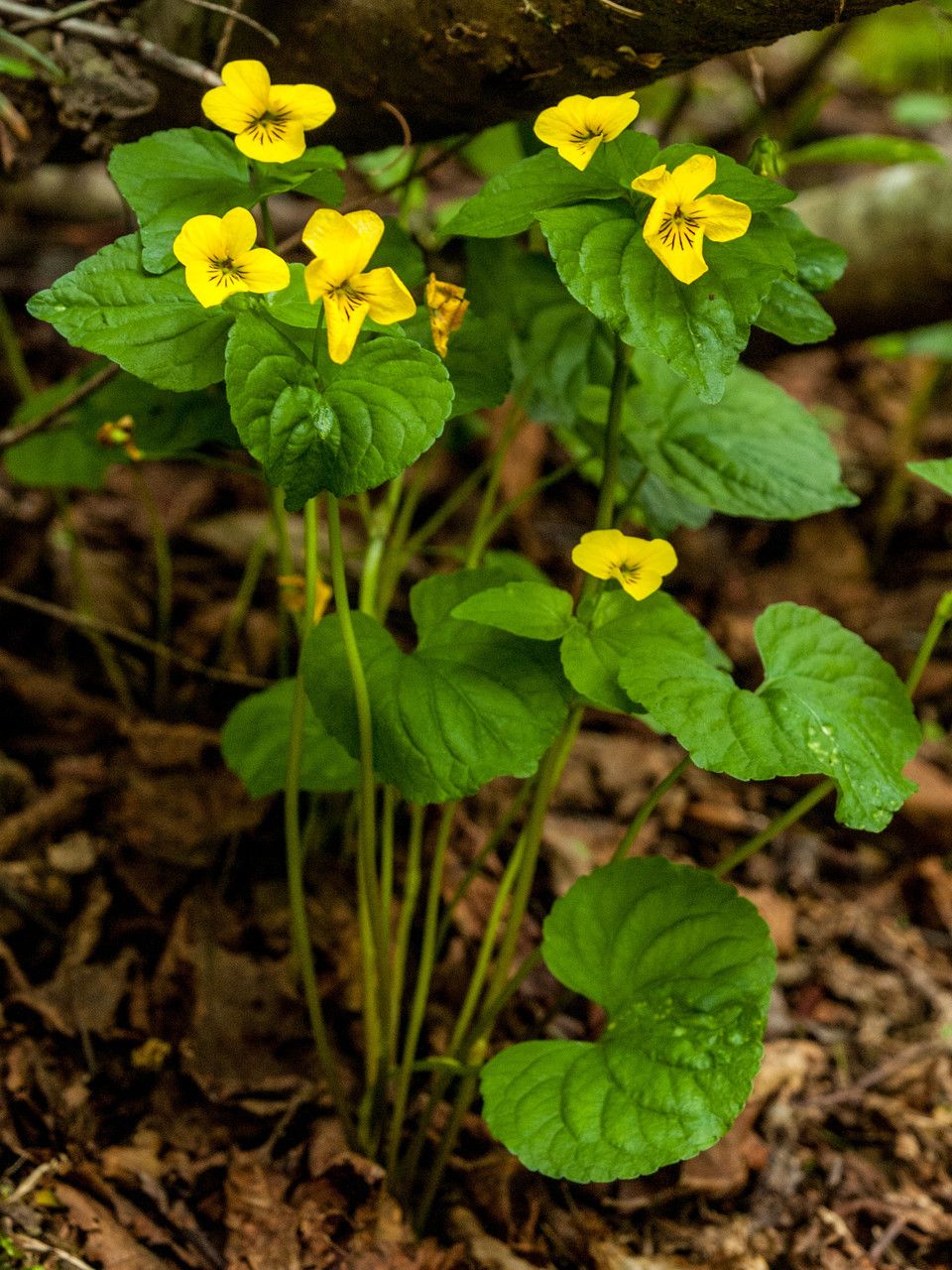
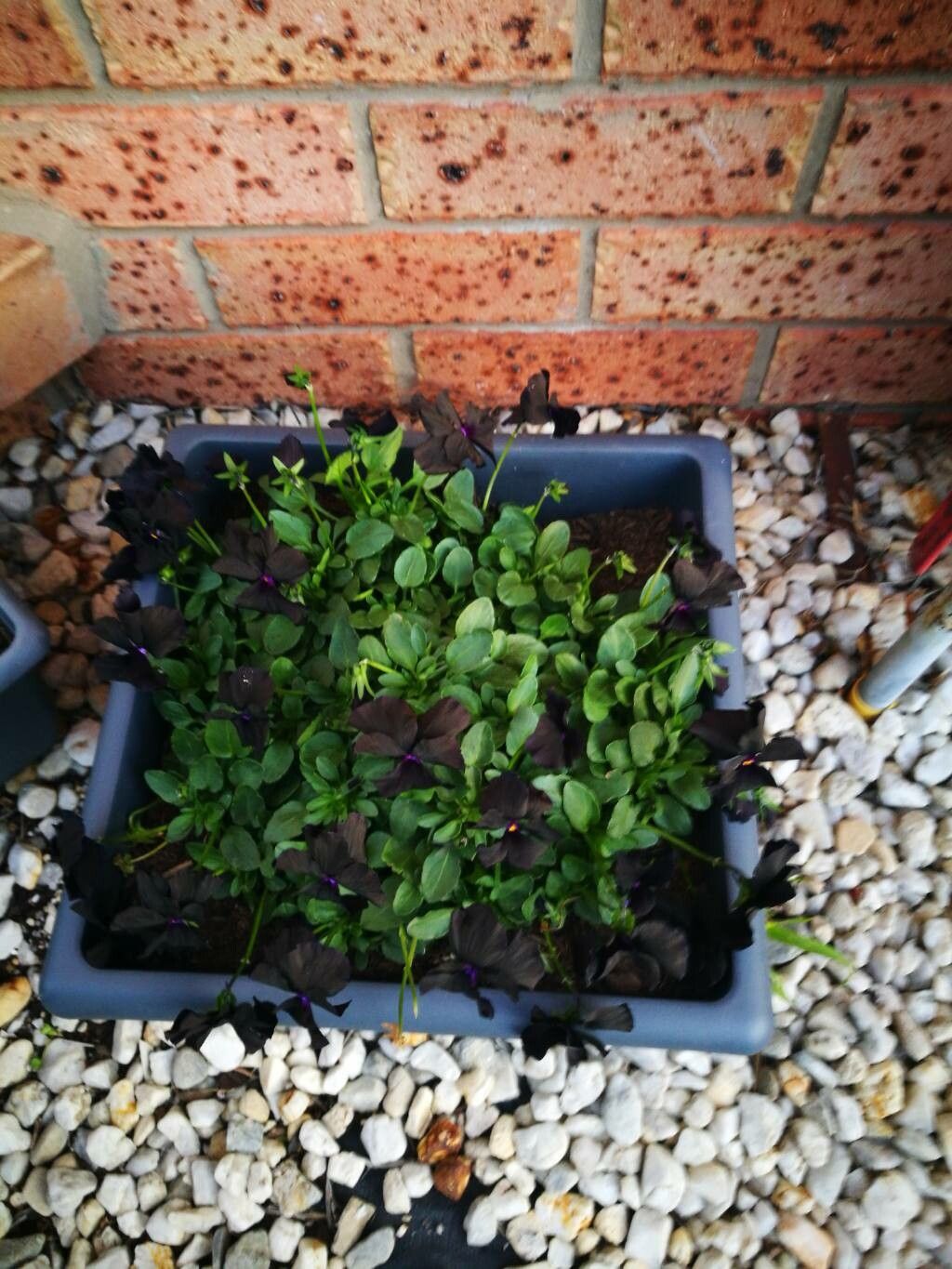
Viola macloskeyi (small white violet, northern white violet, smooth white violet, sweet white violet, western sweet violet, western sweet-white violet, wild white violet) is a flowering perennial plant in the violet family (Violaceae).It is native to Canada, the northeastern, north-central, northwestern, southeastern, and southwestern United States and California, and the French islands of Saint Pierre and Miquelon.
Small white violet is fairly disease-resistant and generally not easily affected by illnesses. However, it can be vulnerable to pests and diseases present in its environment. These infections are usually mild. In terms of care, this plant needs moderate maintenance. It should be pruned regularly to maintain a neat appearance and healthy growth. Fertilizing can also help encourage flowering. Small white violet is suitable for anyone with outdoor space, such as a garden or patio, and does not require much gardening experience. It may demand more attention when cultivated indoors.
How to keep Viola Macloskeyi.
Light
Small white violet thrives in full sun yet can tolerate partial shade. Coming from sun-rich habitats, it suffers when light is inadequate, which slows its development. Conversely, too much sun can burn its leaves.
Water
The small white violet thrives in moist soil with high humidity and needs regular watering, ideally once a week. Although it can tolerate moderate drought, it grows best outdoors where it receives natural rainwater, mimicking the hydration patterns of its natural habitat.
Temperature
The small white violet is naturally adapted to climates with temperatures from 32 to 90°F (0 to 32°C). It grows best in cooler conditions but can tolerate warmer temperatures. Seasonal adjustments should ensure it is protected from extreme heat or cold.
Fertilizer
For Small white violet, the primary time to fertilize is in early spring when the flowers are forming. The right fertilizer promotes better blooms and helps Small white violet produce lovely flowers. Fertilizing in early spring ensures excellent flowers during the season and provides energy for dormant growth phases.
Pruning
The small white violet is known for its delicate white flowers and thrives in moist, shaded areas. To promote vigor and shape, prune the plant in early to late spring by removing dead stems and any overgrown, leggy parts. Regular pruning helps prevent disease and supports the plant's structural health. For the best pruning techniques, refer to horticultural guides.
Botanical profile.
- Plant Type
- Herb
- Life Cycle
- Perennial
- Genus
- Viola
- Family
- Violaceae
- Hardiness Zone
- 2-7
- Mature Height
- 1 cm to 13 cm
- Mature Spread
- 10 cm to 15 cm
- Leaf Color
- Green
- Leaf Type
- Deciduous
- Flower Color
- White
- Flower Size
- 1.02 cm to 1.52 cm
- Bloom Time
- Spring
- Planting Time
- Spring, Summer
- Harvest Time
- Early summer, Mid summer
Other names.
Reader questions.
What is the ideal temperature range for the small white violet?
The small white violet, or Viola macloskeyi, thrives in environments where the temperature ranges from 32 to 90°F (0 to 32°C). It is adapted to cooler climates but can withstand warmer temperatures as well. To ensure the plant's health, it's important to make seasonal adjustments to protect it from extreme heat or cold. Though it's highly cold-tolerant and doesn't require additional protection against frost, watering it generously before the first freeze of autumn is advisable. This helps keep the soil moist and prevents drought and water scarcity during winter and early spring.
How does low temperature affect the small white violet, and what should be done?
The small white violet is extremely tolerant of cold temperatures and can withstand temperatures above -40°C. If temperatures fall below this threshold, you might not notice immediate changes during the winter. However, there could be a decrease in sprouting or no sprouting at all come springtime. In such cases, the recommendation is to remove any parts of the plant that have failed to sprout in the spring, aiding in its recovery and growth.
What is the impact of high temperature on the small white violet, and how can it be mitigated?
High temperatures are detrimental to the small white violet; when temperatures exceed 32°C, the plant's growth halts, and it becomes more susceptible to rot. To help the plant cope with high temperatures, it is advisable to trim away any sunburned and dried-up parts. Moving the plant to a shaded area during the midday and afternoon sun, or using a shade cloth, can protect it from excessive light. Additionally, watering the plant in the morning and evening can help maintain soil moisture, ensuring the plant remains healthy.