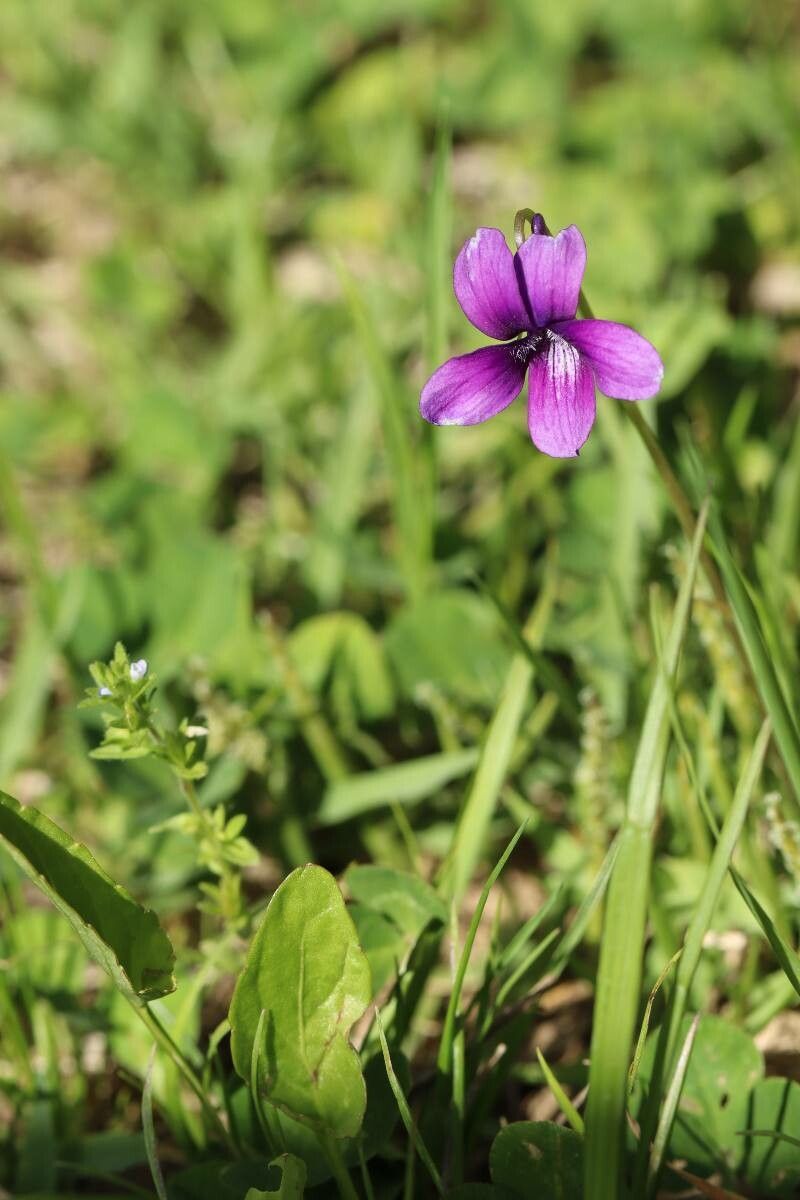
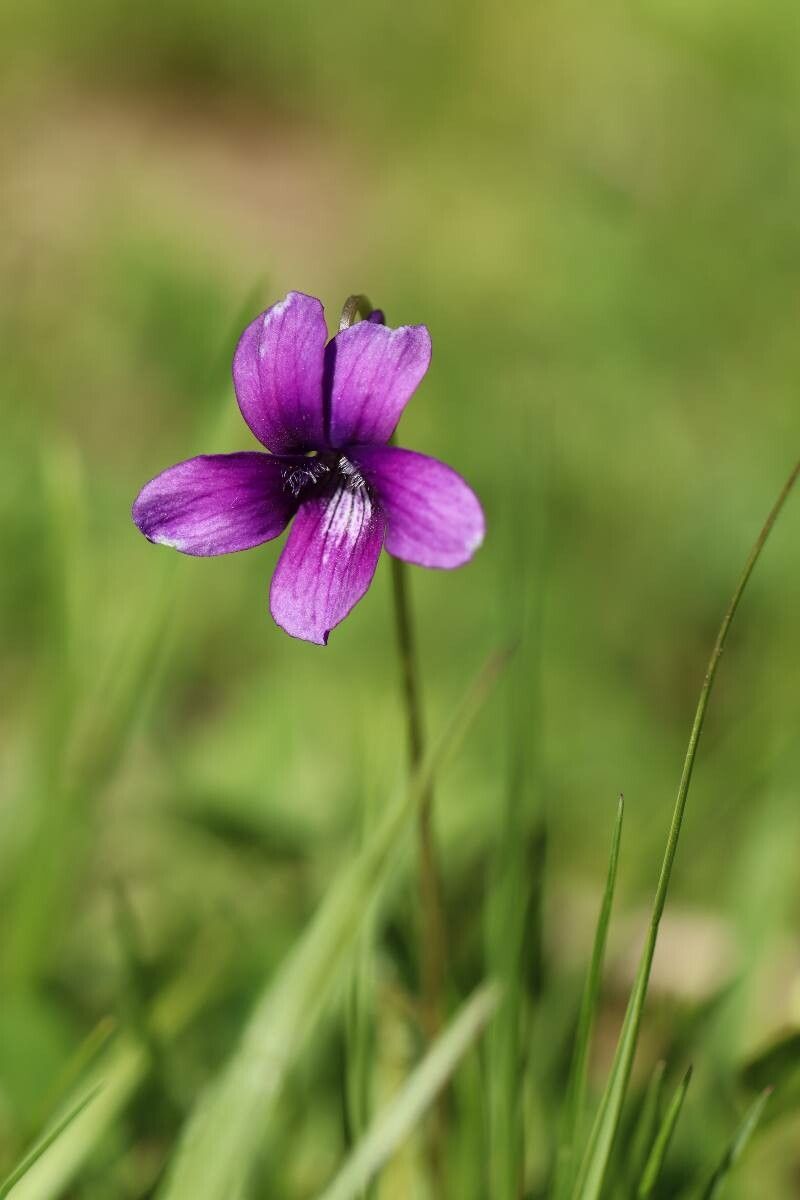
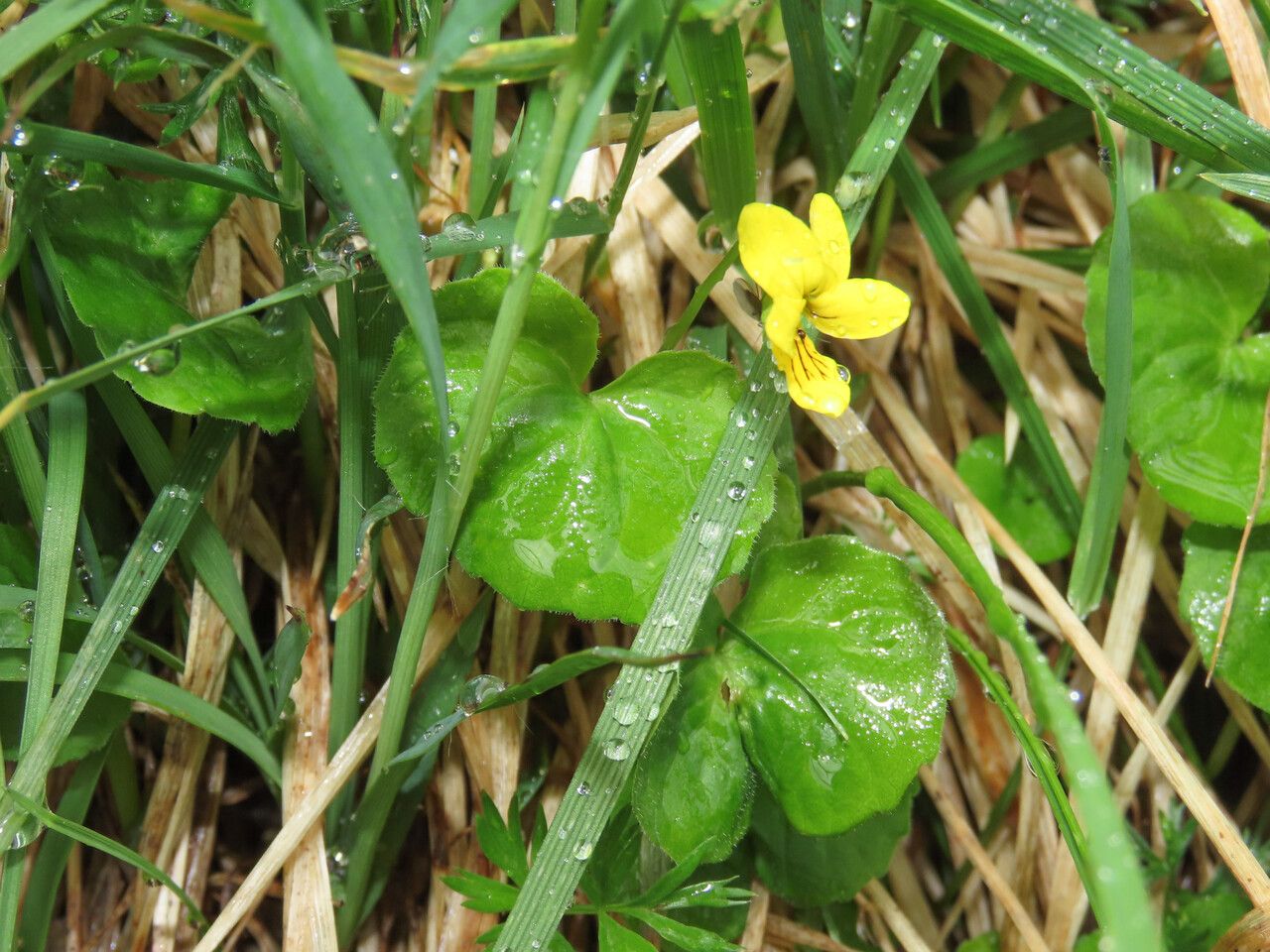
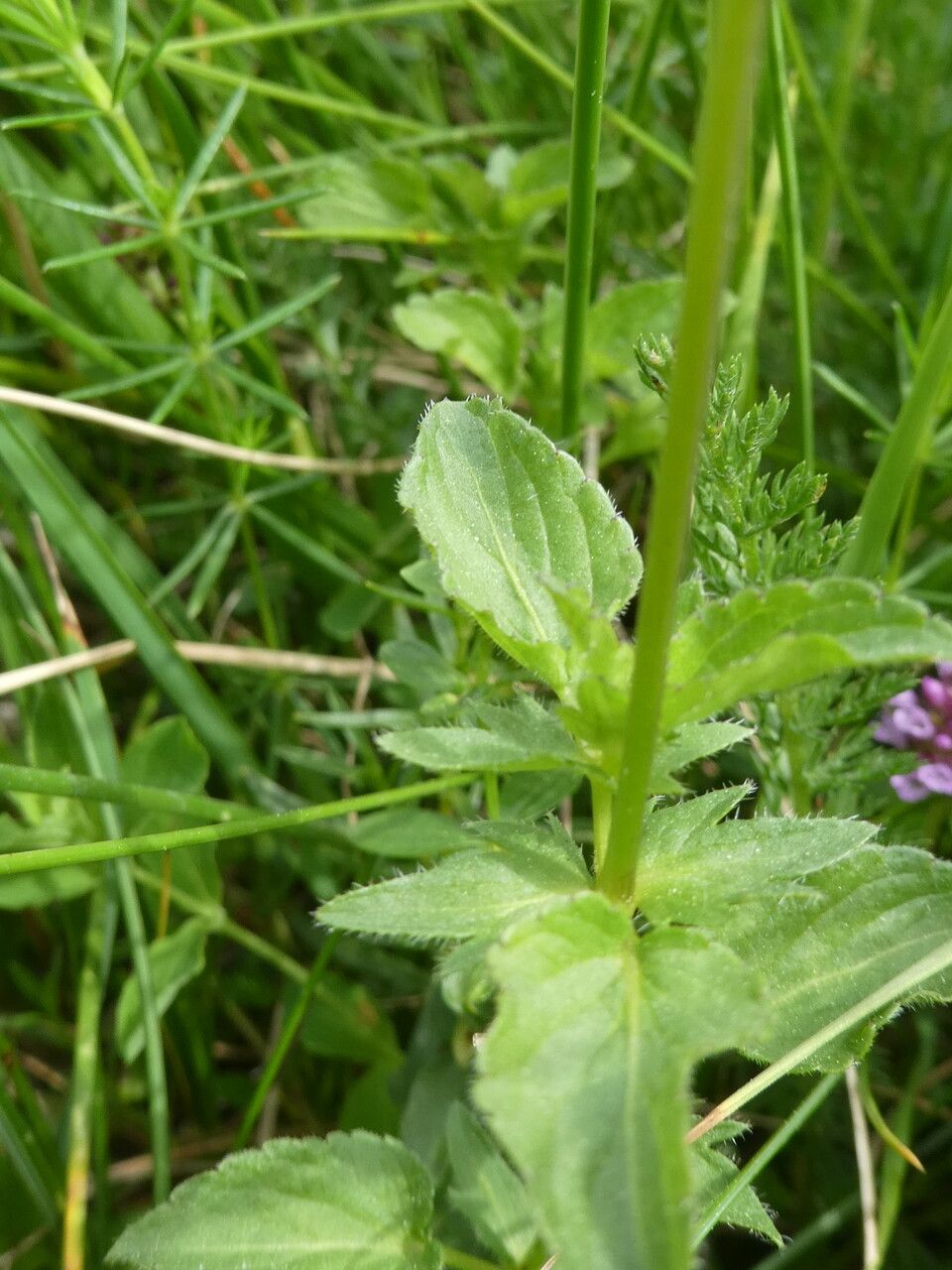
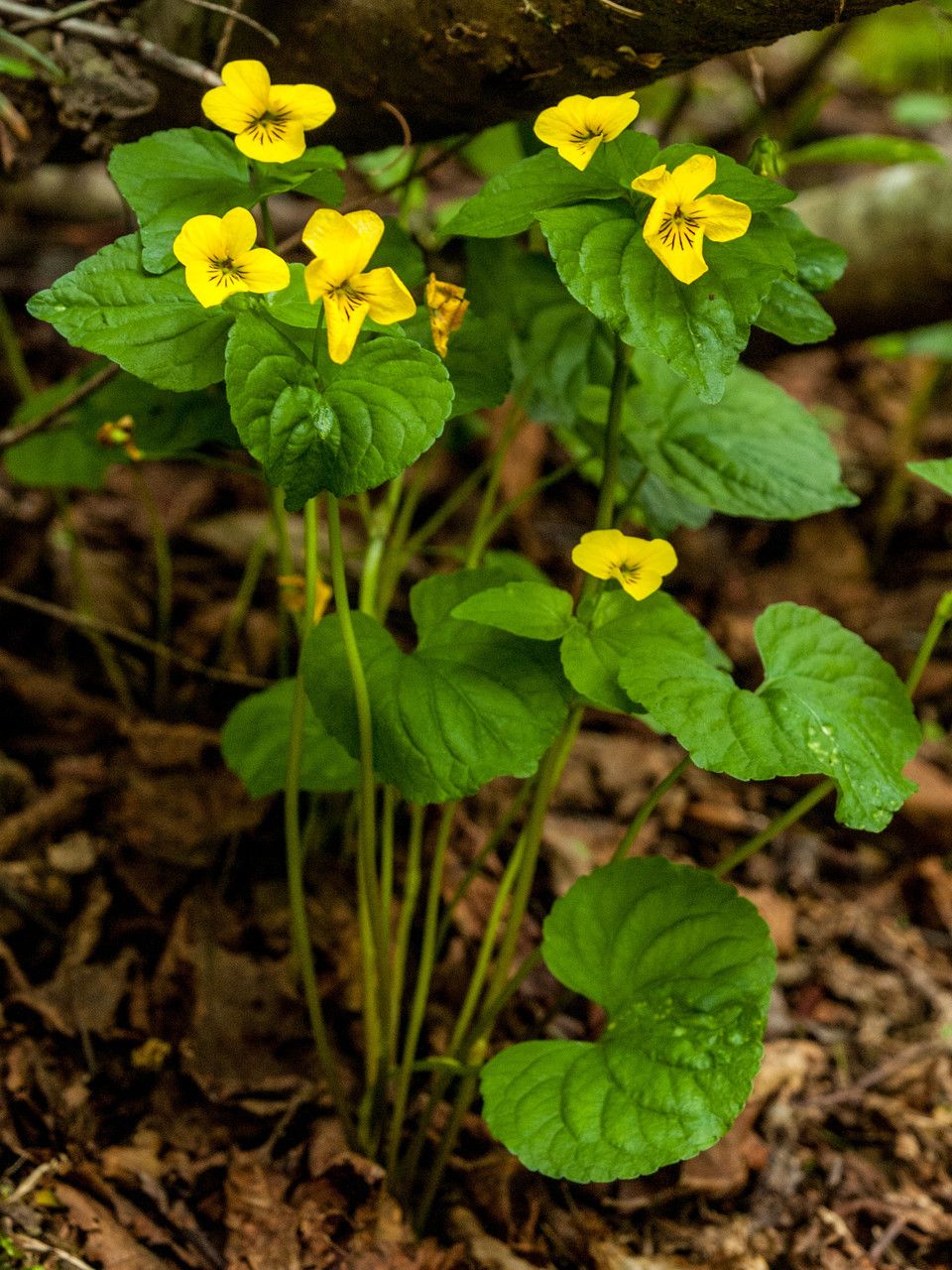
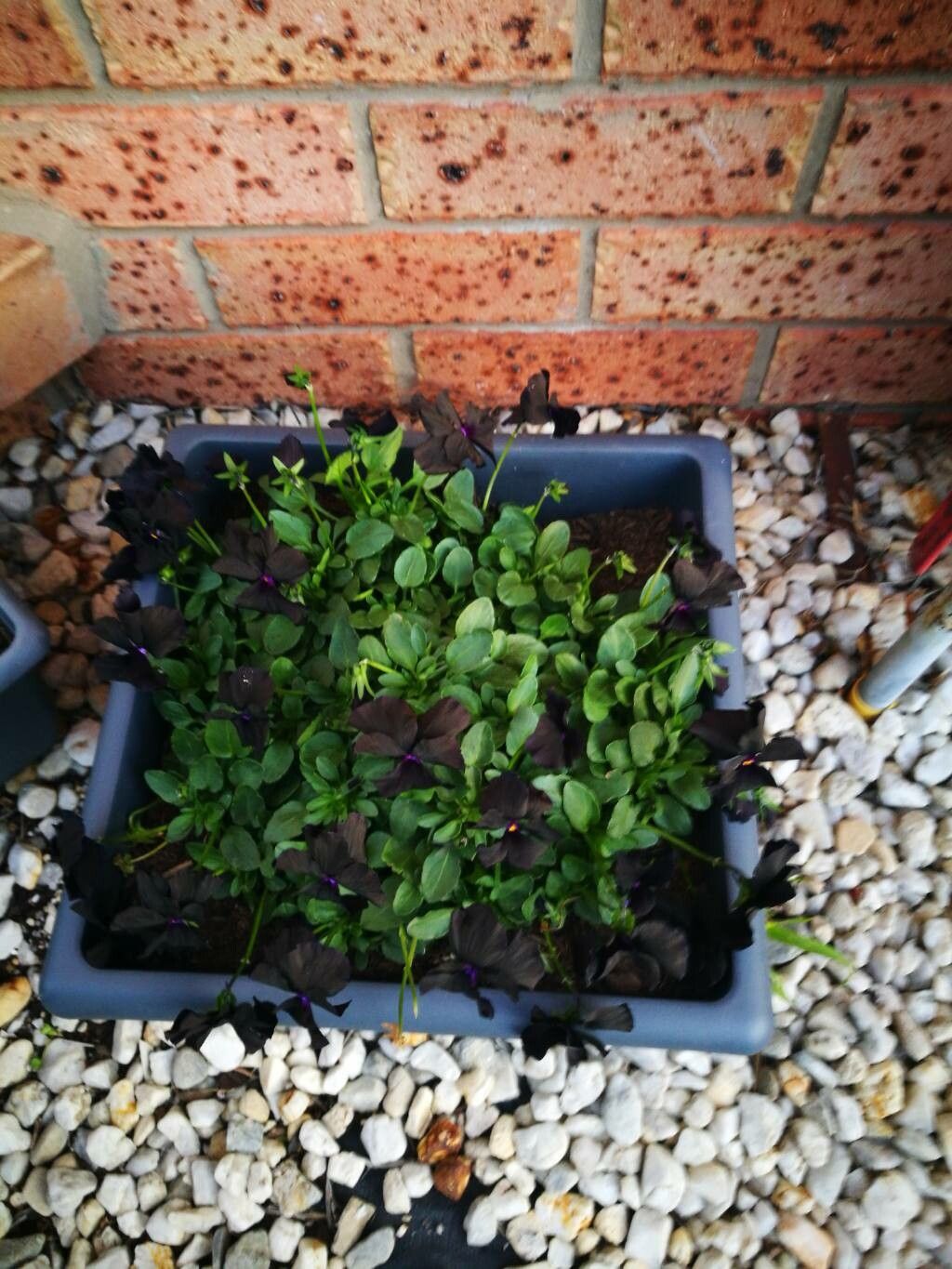
Viola mandshurica is a perennial species of violet known by the common names dōng běi jǐn cài meaning 'northeastern violet' in China, jebikkot meaning 'sparrow flower' in Korea, and sumire meaning 'violet' in Japan. In Japan, V. mandshurica is considered to be the basic species and other violet species have additional descriptors such as himesumire or nojisumire. Its specific name is derived from Manchuria, an area of its native habitat which has at different times in history included parts of modern China, Korea, Mongolia and the Russian Far East.
Manchurian violet has good resistance to diseases and is generally not prone to them. However, it can be affected by pests and diseases present in its environment. These infections are generally mild. In terms of care, this plant needs moderate maintenance. It should be pruned regularly to retain a neat appearance and support healthy growth. Fertilizing can also help encourage flowering. Manchurian violet is appropriate for anyone with outdoor space, such as a garden or patio, and does not require extensive care experience. It may need more attention when grown indoors.
How to keep Viola Mandshurica.
Light
Manchurian violet grows best under continuous light, though it can tolerate lower-light conditions. Too little light can slow its growth, and too much light may cause the leaves to wither. This preference for bright conditions matches its native habitat, since it evolved in areas with abundant daylight.
Water
The Manchurian violet thrives in high humidity and needs regular weekly watering, similar to its natural wet habitat. It is perfect for indoor growing where humidity levels can be controlled. During its winter dormancy, the plant requires less water, reflecting its cyclical growth pattern.
Temperature
Manchurian violet can tolerate a wide range of temperatures, although its distribution may still be restricted by different combinations of moisture and heat. It does best in warm summer conditions with sufficient rainfall or watering. Extended periods of cloudy, rainy weather or prolonged high temperatures can raise the likelihood of the Manchurian violet dying. In winter, protecting it from cold can increase the plant's chances of survival.
Fertilizer
The best time to fertilize a Manchurian violet is in early spring, when it is coming out of dormancy and beginning active growth. Fertilizing supplies essential nutrients needed for healthy development. Although Manchurian violets have fairly low fertilizer requirements, giving them fertilizer once a year can improve their survival and encourage healthier, longer-lasting flowers.
Pruning
Manchurian violet is famous for its vibrant purple flowers and benefits greatly from early spring pruning. To encourage growth, remove dead leaves and spent blooms while being careful to avoid heavy pruning to minimize stress on the plant. Regular, light pruning helps enhance the plant's shape and increases airflow, which reduces the risk of disease and improves both the health and appearance of the plant.
Botanical profile.
- Plant Type
- Herb
- Life Cycle
- Perennial
- Genus
- Viola
- Family
- Violaceae
- Hardiness Zone
- 7-10
- Mature Height
- 6 cm to 18 cm
- Mature Spread
- 15 cm
- Leaf Color
- Green, Dark Green
- Leaf Type
- Semi-evergreen
- Flower Color
- Purple, Violet
- Flower Size
- 2.03 cm
- Bloom Time
- Spring
- Planting Time
- Spring, Summer, Autumn
- Harvest Time
- Late spring, Early summer, Mid summer
- Native Area
- Russia, Nepal, Japan, Koppen, South Korea, China
Other names.