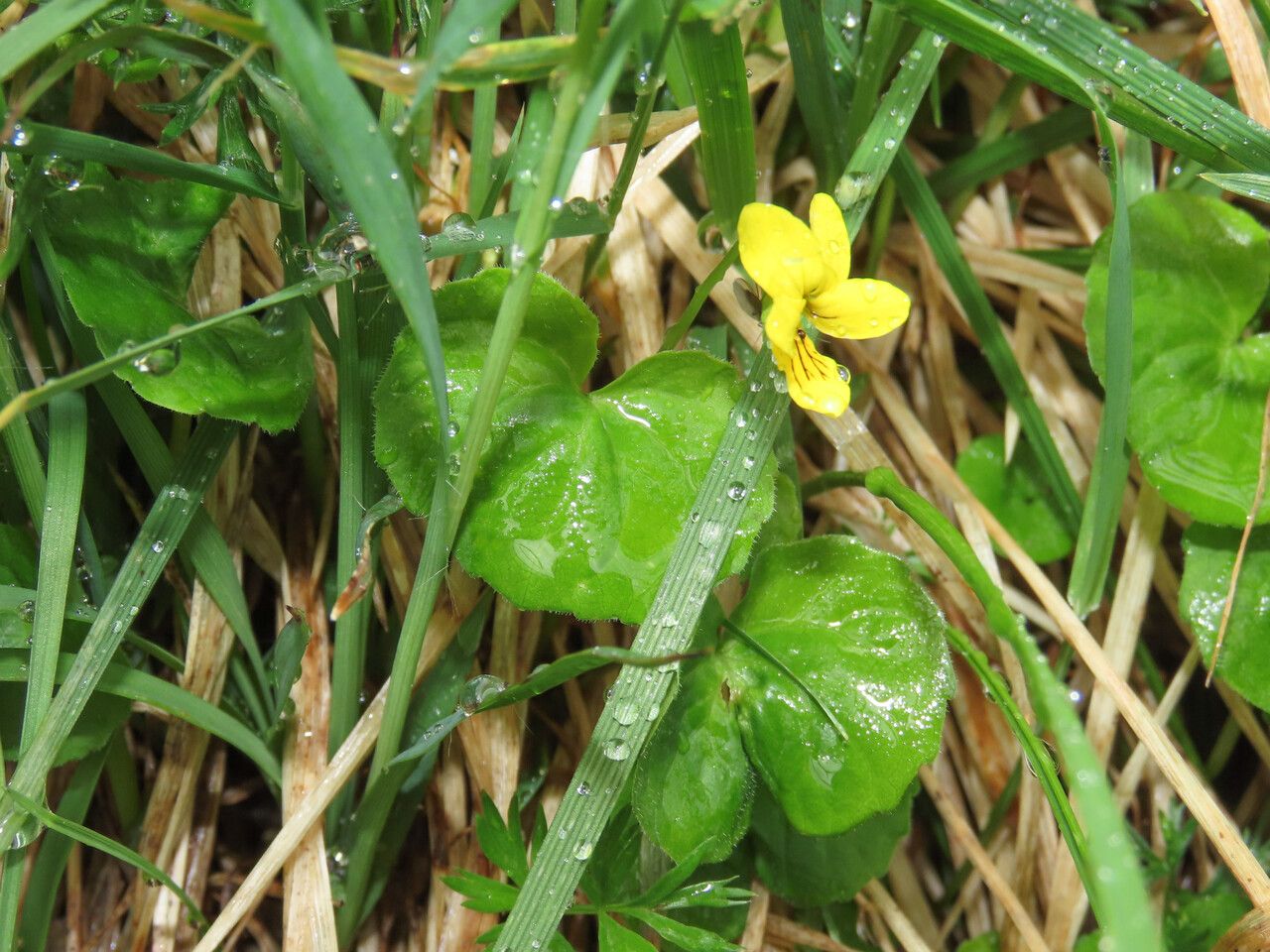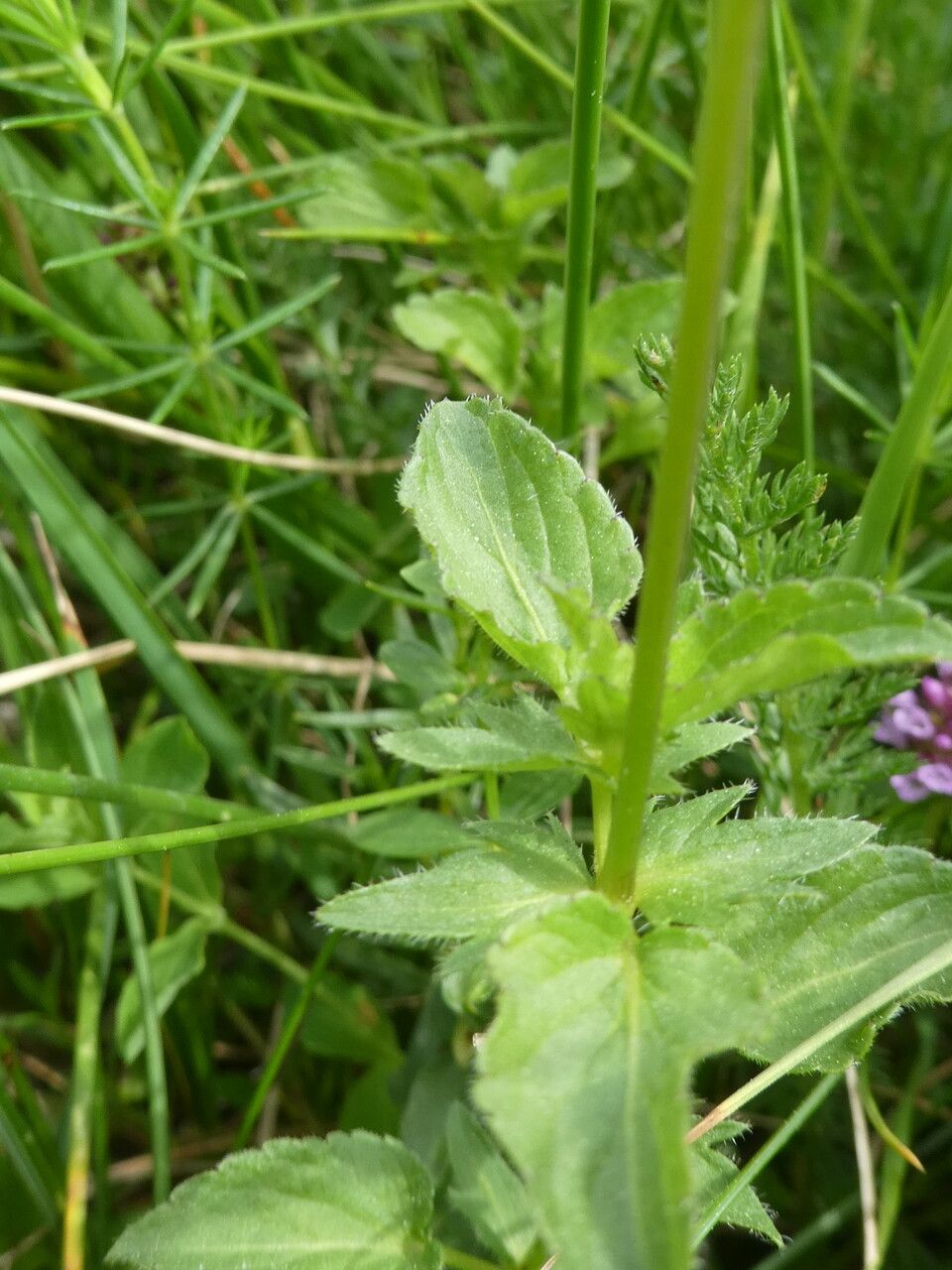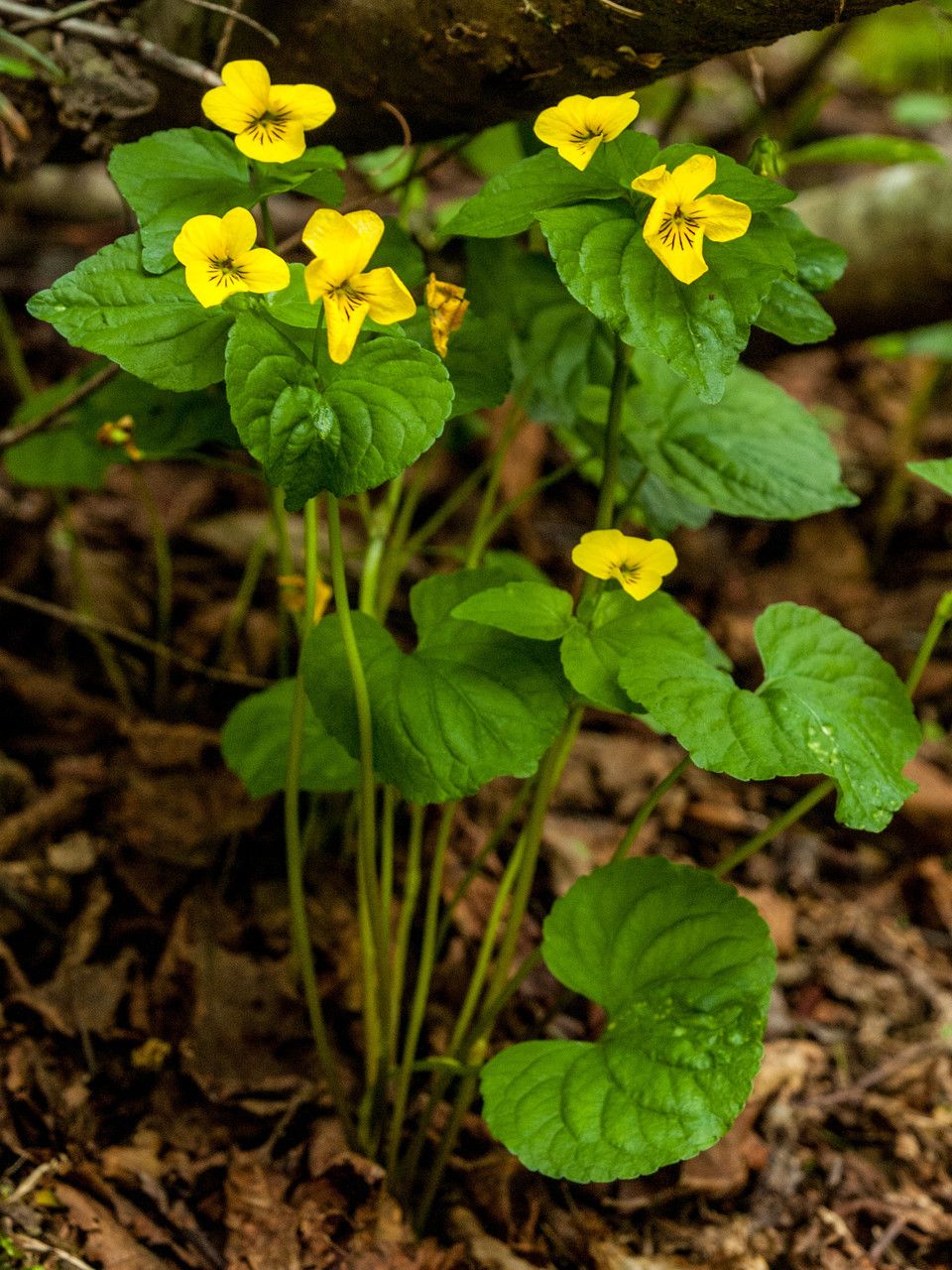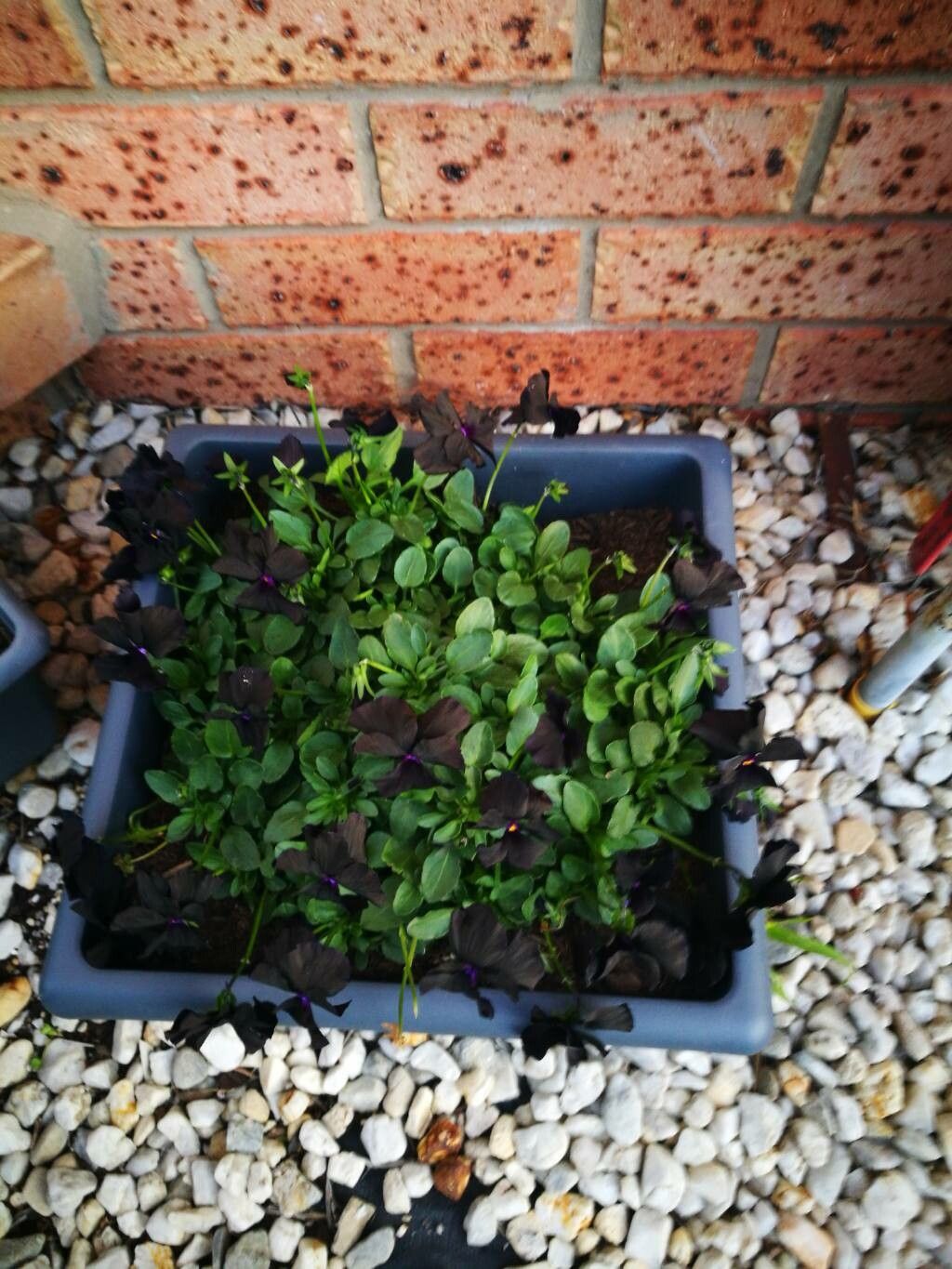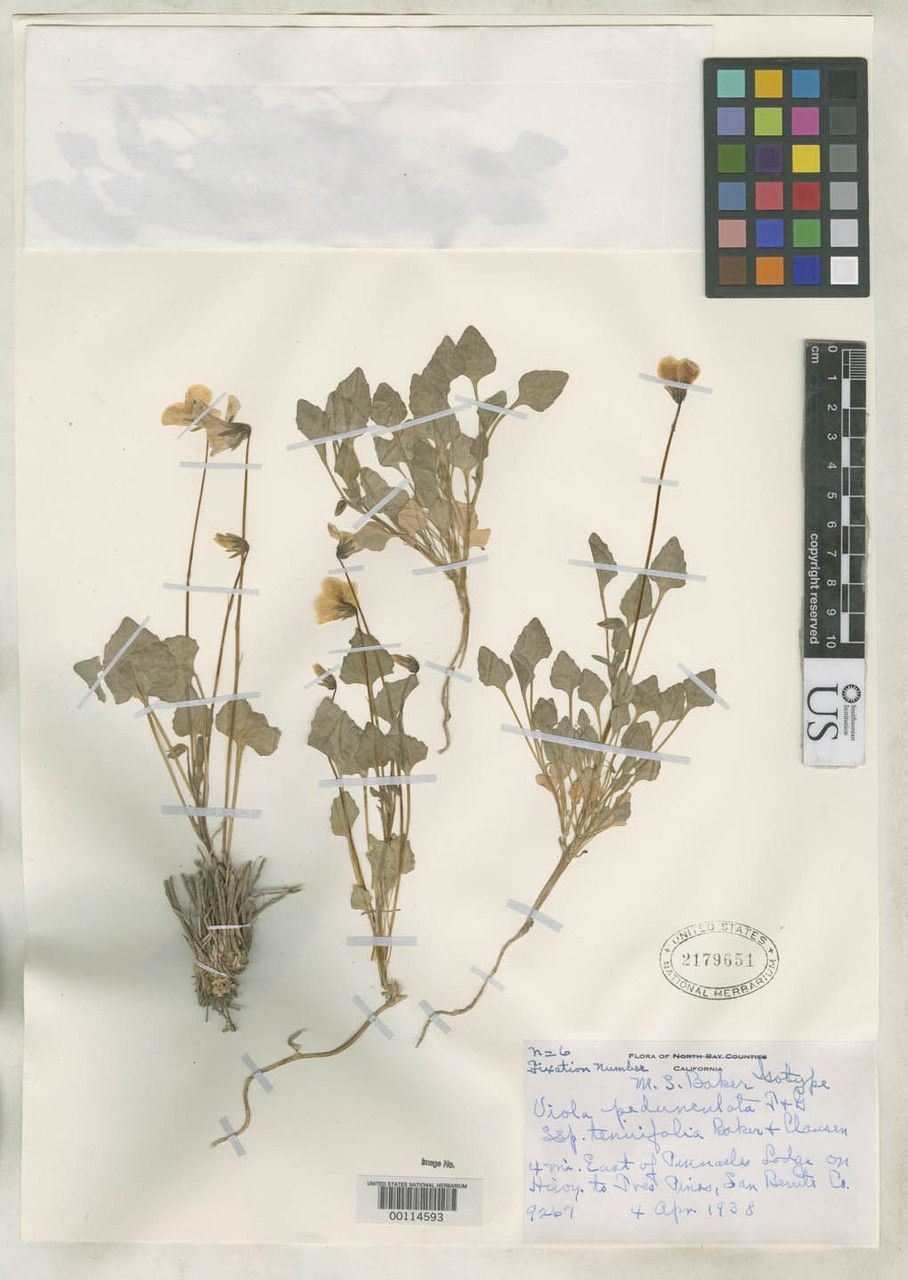
Viola pedunculata, the California golden violet, Johnny jump up, or yellow pansy, is a perennial yellow wildflower of the coast and coastal ranges in California and northwestern Baja California. The common name "Johnny jump up" is usually associated with Viola tricolor however, the introduced garden annual. The plant grows on open, grassy slopes, in chaparral habitats, and in oak woodlands, from sea level to around 3,280 feet (1,000 m). It prefers part shade, but will tolerate sun in many locations.
Johnny jump up is fairly resistant to disease and is generally not prone to illnesses. However, it can be affected by pests and diseases present in its environment. These infections are usually mild. In terms of care, this plant needs moderate maintenance. It should be pruned regularly to keep a good appearance and support healthy growth. Fertilizing can also help encourage flowering. Johnny jump up is suitable for anyone with outdoor space, such as a garden or patio, and does not require much experience in plant care. It may need more attention when grown indoors.
How to keep Viola Pedunculata.
Light
For johnny jump up to thrive, abundant sunlight during the day is essential. It can, however, tolerate stretches of lower light, reflecting the lighting of its native habitat. Too much sun can cause leaf scorch, while insufficient exposure may lead to weak flowering and poor growth.
Water
Johnny jump up thrives in temperate zones, preferring consistent moisture without excess. It requires weekly watering and is well-suited for outdoor growth, showing resilience to various temperatures. As an evergreen, it efficiently maintains hydration throughout the year.
Temperature
Johnny jump up is best suited to cooler climates, since it comes from temperate regions. These plants favor a temperature range of 59 to 95 °F (15 to 35 ℃). Maintaining these conditions—particularly during the height of summer or winter—may require adjustments for optimal growth.
Fertilizer
For Johnny jump up, the primary time to fertilize is in early spring when the flowers begin to form. The correct fertilizer promotes improved blooms and helps Johnny jump up produce attractive flowers. Fertilizing in early spring ensures excellent flowers throughout the season and supplies energy for dormant growth phases.
Pruning
To help Johnny jump up thrive, prune it appropriately from early to late spring. Remove dead stems and spent flowers to encourage growth and continuous blooming. Regular pruning improves air circulation, reduces the risk of disease, and keeps the plant compact. For more detailed techniques, consult horticultural resources.
Botanical profile.
- Plant Type
- Herb
- Life Cycle
- Perennial
- Genus
- Viola
- Family
- Violaceae
- Hardiness Zone
- 7-10
- Mature Height
- 15 cm
- Mature Spread
- 10 cm to 34 cm
- Leaf Color
- Green, Dark Green
- Leaf Type
- Semi-evergreen
- Flower Color
- Yellow, Gold
- Flower Size
- 1.52 cm
- Bloom Time
- Spring
- Planting Time
- Spring
- Harvest Time
- Summer
- Native Area
- Mexico
Other names.
Reader questions.
What are the sunlight requirements for Johnny jump up?
Johnny jump up requires generous amounts of sunlight throughout the day to thrive, ideally in positions where it can receive full sun for more than 6 hours or partial sun, which is about 3-6 hours of sunlight. Despite its need for ample sunlight, Johnny jump up can also tolerate periods of lesser light, a nod to its adaptive nature in its original habitat. However, it's important to note that too much sun can lead to leaf burn, while insufficient sunlight may result in poor flowering and growth. Observing how sunlight moves through your garden and selecting spots that offer a good balance of light and shade can ensure the plants' happiness.
What is the ideal climate for Johnny jump up?
Johnny jump up, with its botanical name Viola pedunculata, thrives in cooler climates and originates from temperate regions. It prefers temperatures ranging from 59 to 95 °F (15 to 35 °C). To maintain optimal growth, it might be necessary to make adjustments during the peak of summer or winter to ensure these conditions are met. The plant is quite cold-resistant, meaning special frost protection is commonly unnecessary in winter. However, if temperatures are expected to drop below -15°C, providing cold protection by covering the plant with soil or straw is important. It's recommended to water the plant abundantly before the first freeze in autumn, keeping the soil moist and ready to freeze, which helps prevent drought and water scarcity during the winter and early spring.
How can artificial lighting be used for Johnny jump up indoors?
When natural sunlight is not enough, especially in winter or less sunny spaces, artificial lighting becomes crucial for the growth of indoor Johnny jump up plants. LED lights are recommended due to their ability to provide specific wavelengths needed by plants. For full sun plants, 30-50W/sq ft of artificial light is needed, while partial sun plants require 20-30W/sq ft, and full shade plants need 10-20W/sq ft. The light source should be placed 12-36 inches above the plant to mimic natural sunlight as closely as possible. To match the natural daylight conditions for the specific plant species, most plants will need 8-12 hours of light per day.
How does Johnny jump up react to low temperatures?
Johnny jump up is notable for its cold tolerance, performing best when temperatures stay above 15°C. During the winter months, it's crucial to ensure the temperature remains above -10°C. If temperatures fall below -15°C, there may not be noticeable immediate changes, but there could be a significant impact on spring growth, such as decreased sprouting or failure to sprout at all. The solution for such an occurrence in spring is to remove any parts of the plant that have failed to sprout.
What are signs of inadequate lighting for Johnny jump up?
Symptoms of light deficiency in Johnny jump up include small new leaves, leggy or sparse growth, faster leaf drop, slower or no new growth, lighter-colored new leaves, chlorosis, sunscald, leaf curling, wilting, and leaf scorching. These symptoms indicate that the plant is not receiving adequate sunlight, affecting its ability to photosynthesize, grow, and maintain overall health. It's essential to monitor your plants for these signs to ensure they are getting enough light.
What should I do if Johnny jump up experiences high temperatures?
In summer, it's important to keep Johnny jump up below 35°C. If temperatures soar above 41°C, the plant's leaves may lighten in color, curl, become prone to sunburn, and, in extreme cases, the entire plant might wilt and dry out. To mitigate these effects, trim away any sunburned or dried parts of the plant. Relocating the plant to a shaded area during the midday and afternoon sun or using a shade cloth can provide necessary protection. Additionally, watering the plant in the morning and evening helps to keep the soil adequately moist, safeguarding it against extreme heat.
What solutions can be applied for Johnny jump up experiencing light deficiency?
To address insufficient sunlight for Johnny jump up, indoors, gradually shift the plant to a sunnier spot each week until it receives at least 6 hours of direct sunlight daily. Use a south-facing window and keep curtains open during the day for maximum exposure. If moving the plant isn't feasible, consider using artificial light sources like desk or ceiling lamps for at least 8 hours daily, or invest in professional plant grow lights. Outdoors, gradually move your plants to sunnier locations weekly, avoiding sudden light intensity changes to prevent sunburn. If sunlight is obstructed, identify and reduce these obstructions, like pruning tree branches. For smaller plants, consider transplanting during their dormant period to a location with ample sunlight.