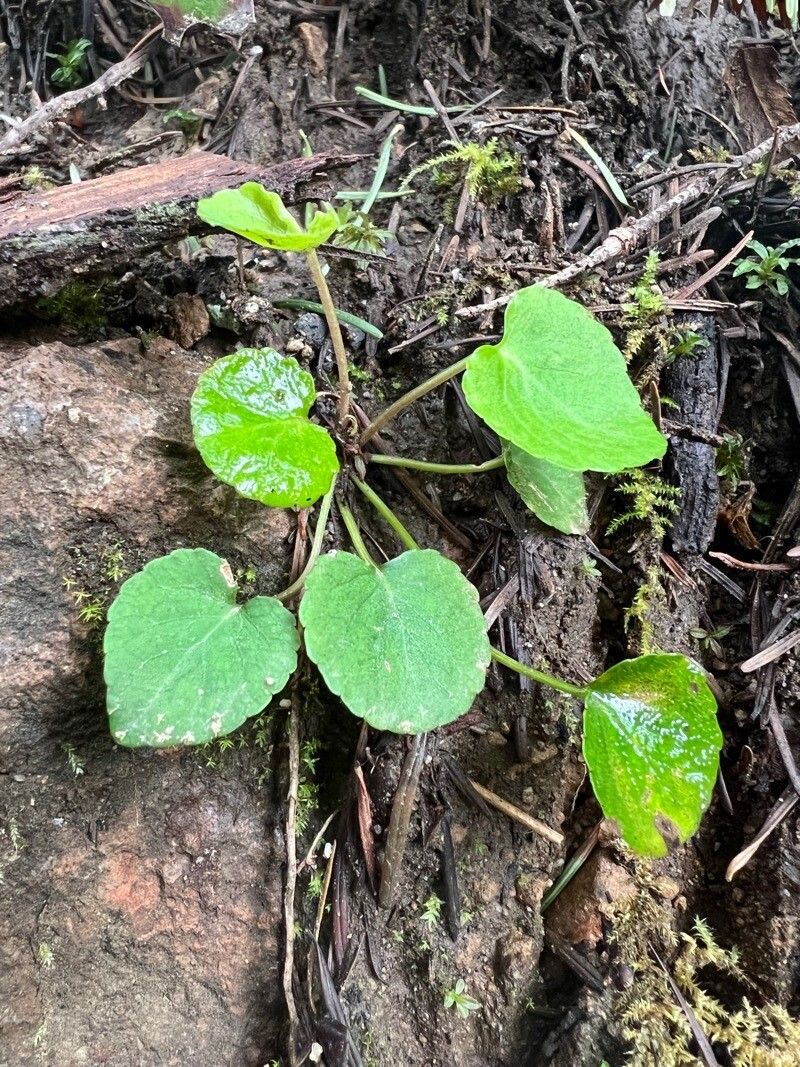
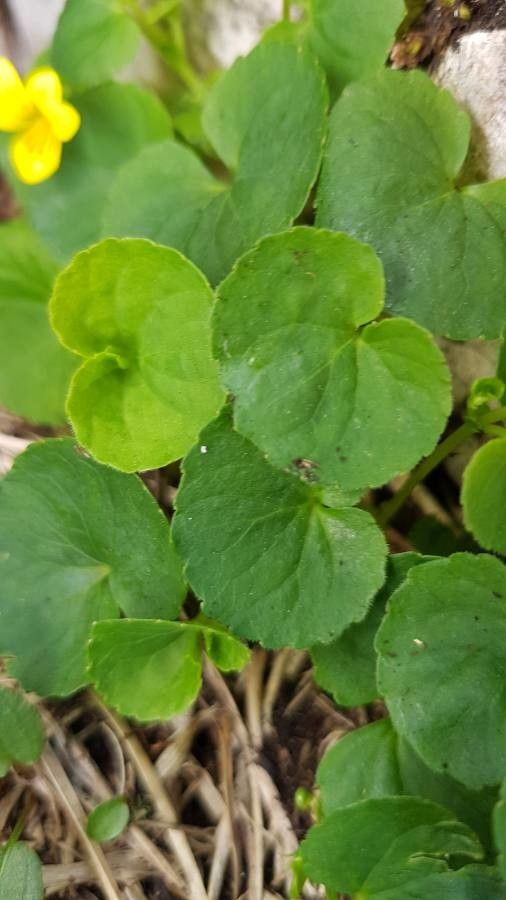
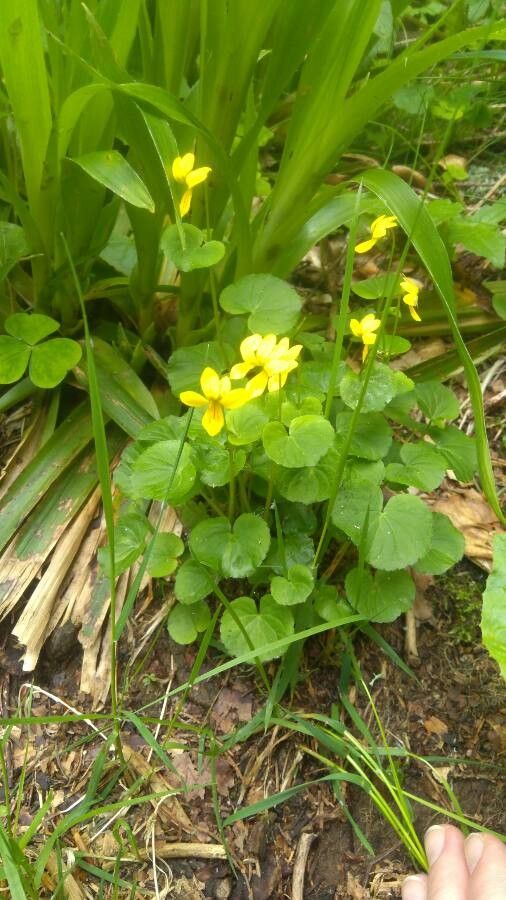
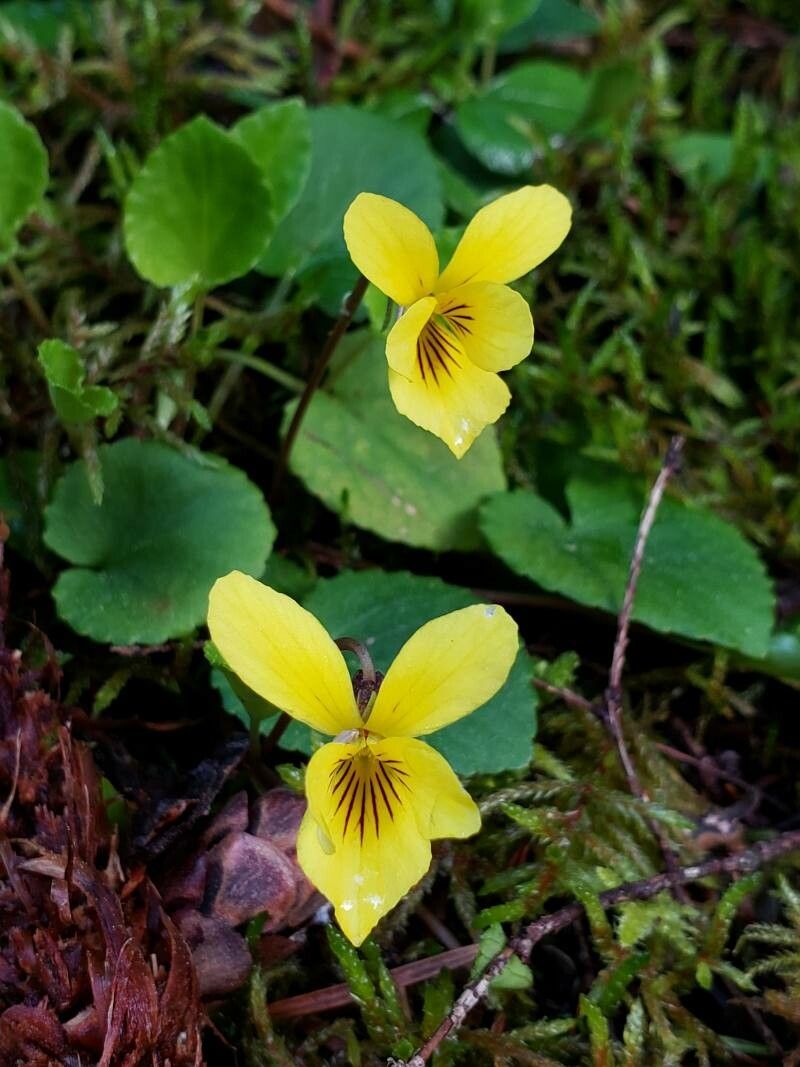
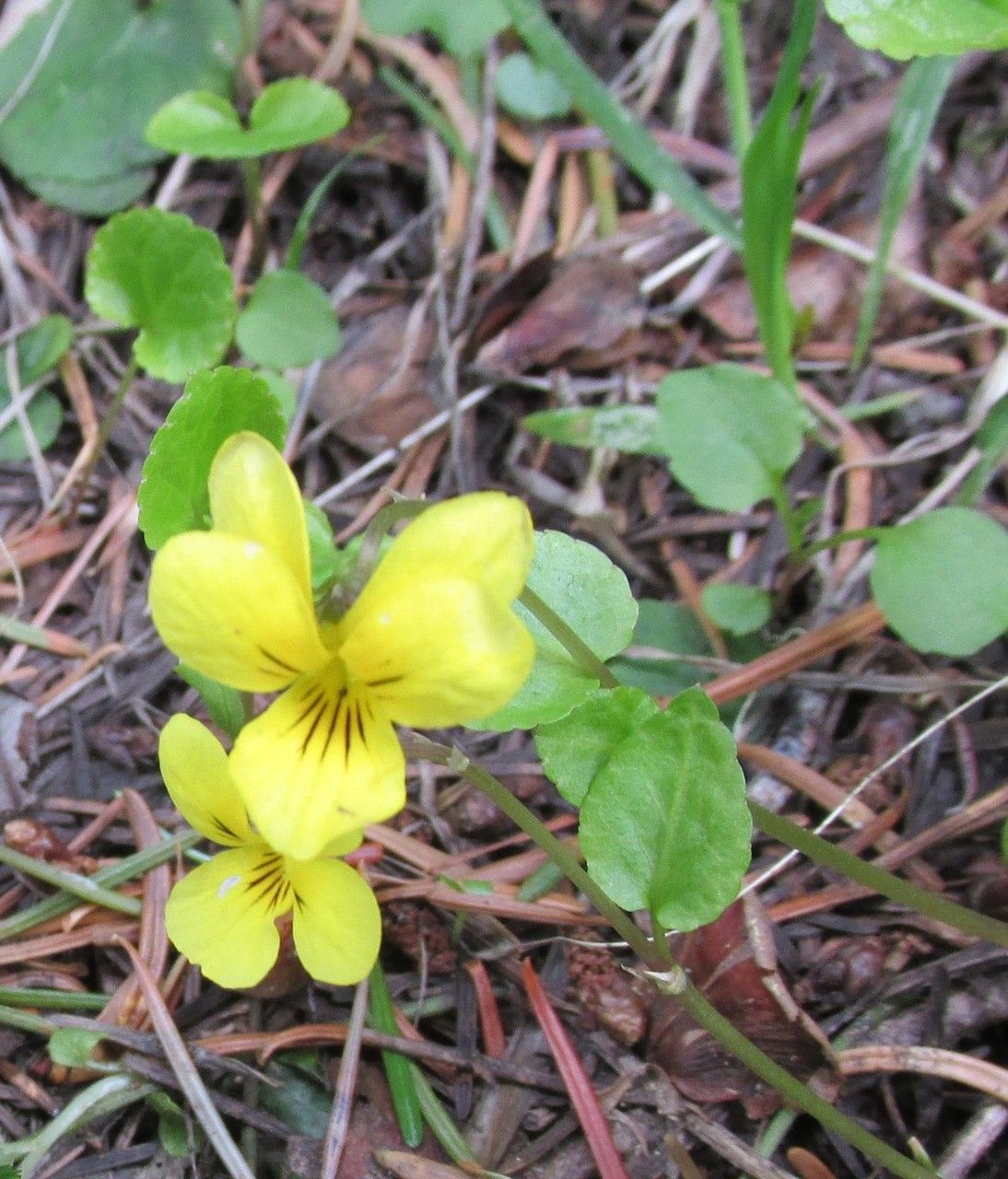
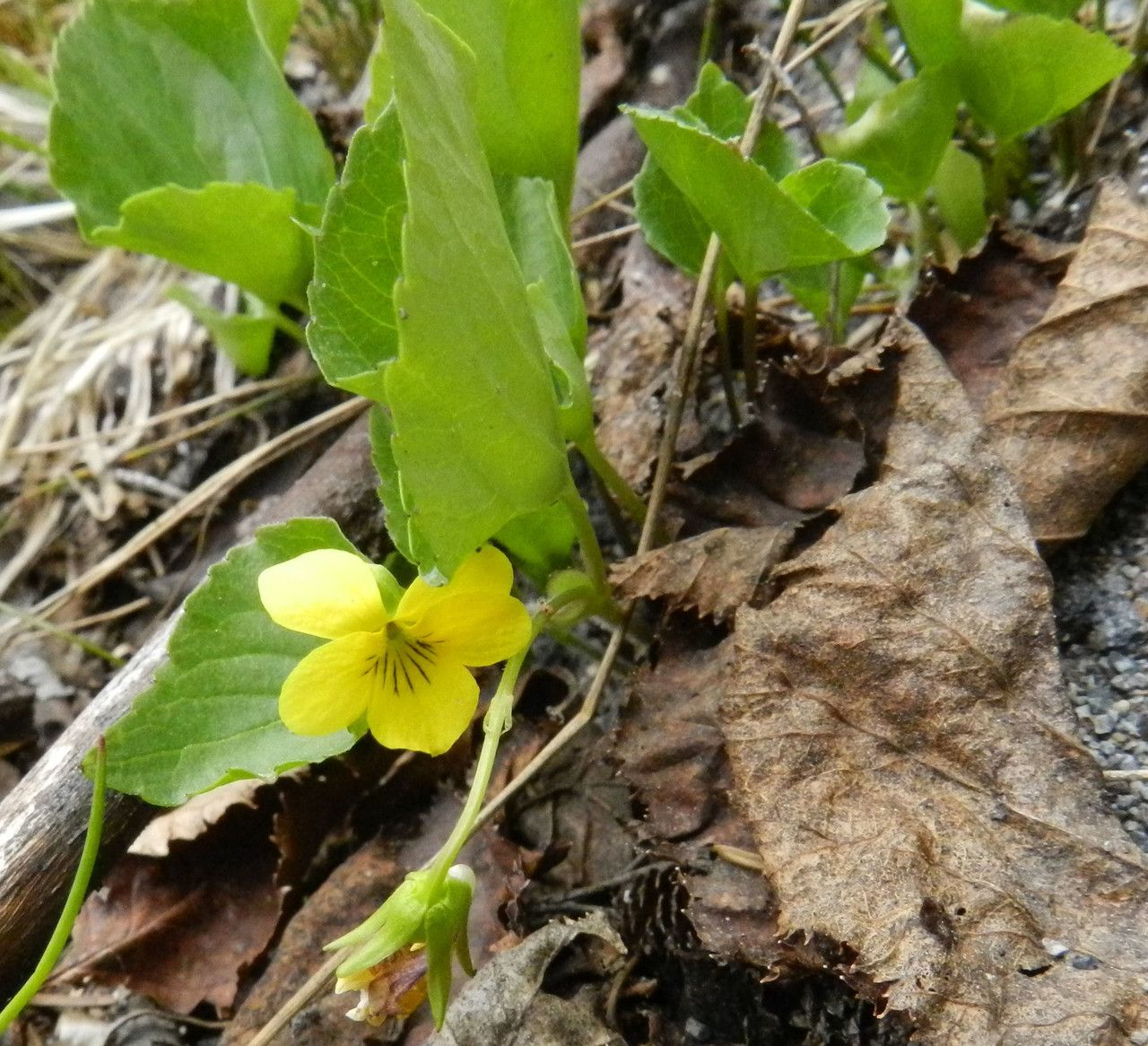
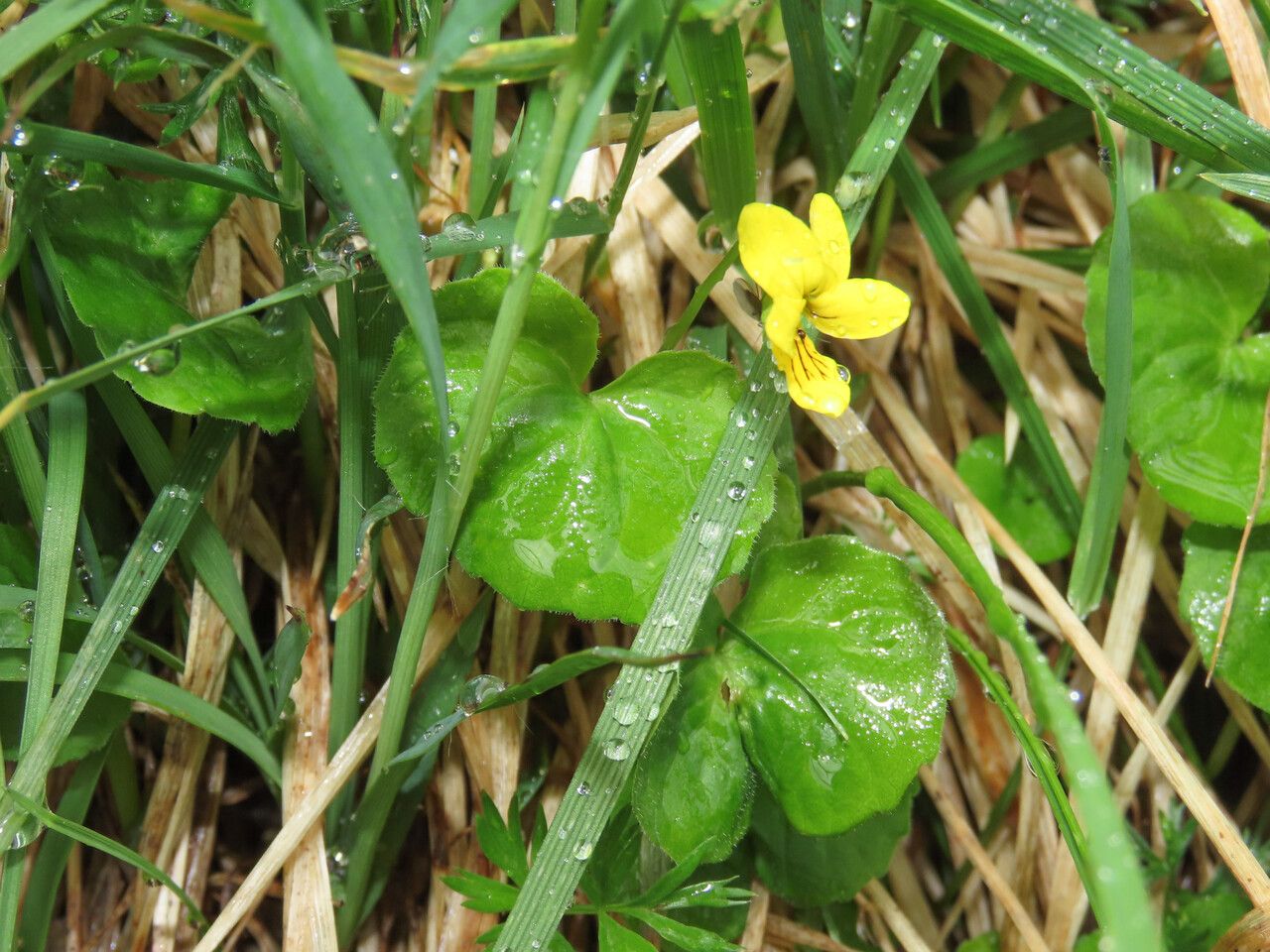
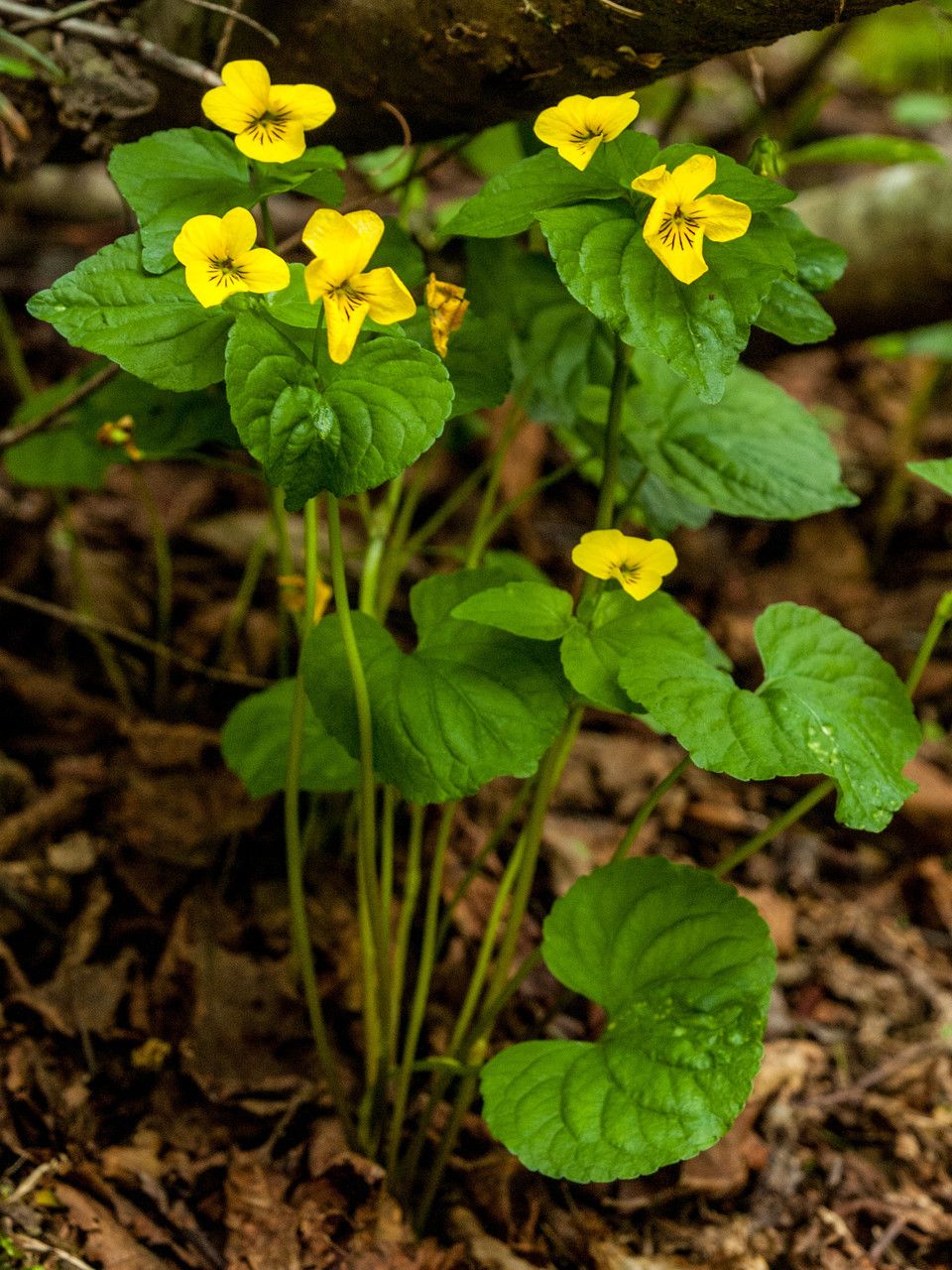
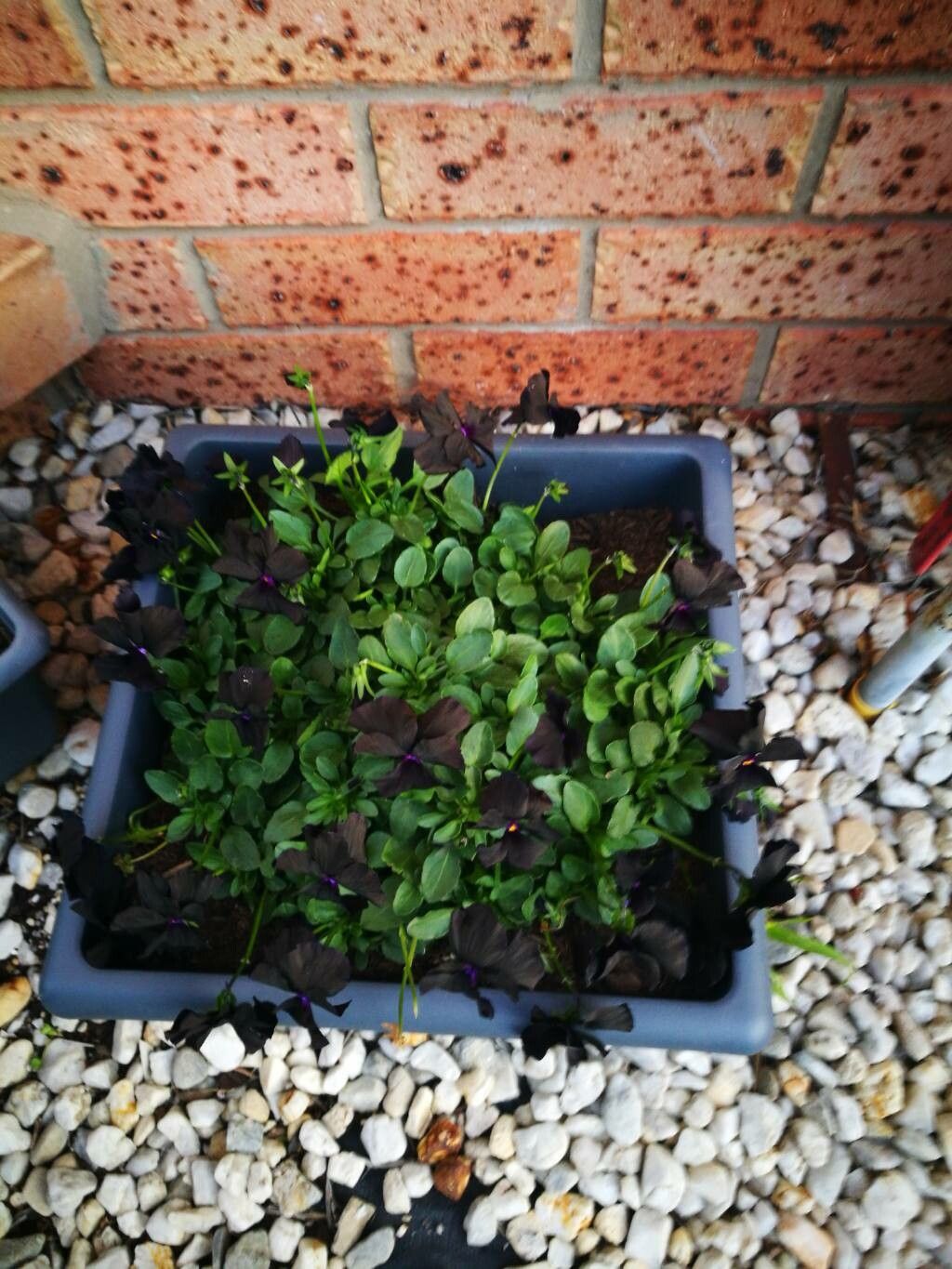
Viola sempervirens, commonly known as the evergreen violet, is a perennial herbaceous plant belonging to the Violaceae family. Native to North America, it thrives in diverse habitats such as woodlands, meadows, and rocky slopes.
This plant features a low-growing habit, typically reaching a height of 6-12 inches. It has dark green, heart-shaped leaves that remain on the plant year-round. The small but numerous flowers have five petals, ranging in color from pale lavender to deep purple.
The evergreen violet is well-suited to shady areas with moist soil conditions. It can be used as ground cover or planted along borders or in rock gardens, admired for its attractive foliage and delicate flowers.
Beyond its ornamental appeal, Viola sempervirens has medicinal properties. Traditionally, Native Americans have used the leaves for their anti-inflammatory properties and have applied them topically to treat skin conditions such as eczema.
In summary, Viola sempervirens is not only an attractive perennial herbaceous plant but also offers medicinal benefits.
Evergreen violet is fairly disease-resistant and generally not prone to illness. Nevertheless, it can be vulnerable to pests and diseases present in its surroundings. These infections are typically not serious. For care, this plant requires moderate maintenance. It should be pruned regularly to keep a good appearance and encourage healthy growth. Fertilizing can also help stimulate flowering. Evergreen violet is suitable for anyone with outdoor space, like a garden or patio, and does not demand extensive care experience. It may need more attention when grown indoors.
How to keep Viola Sempervirens.
Light
Evergreen violet grows best with moderate sunlight, a preference rooted in its native habitat that was neither fully open nor entirely shaded. Its natural hardiness lets it endure different light levels, although overly strong or too little sunlight can hinder its healthy growth.
Water
The evergreen violet thrives in its natural, shaded habitats, where there is consistent moisture and moderate humidity. It needs to be watered weekly and can withstand brief periods of dryness. As an evergreen plant, it maintains its leaf hydration throughout the year, making it suitable for both indoor and outdoor environments, provided it receives sufficient water.
Temperature
Evergreen violet is native to areas where temperatures fall between 32 and 95 °F (0 to 35 °C). It prefers cooler conditions but can tolerate higher temperatures when needed. For best growth, it may require seasonal adjustments in temperature.
Fertilizer
The best time to fertilize an Evergreen violet is in early spring, when it is coming out of dormancy and beginning active growth. Fertilizing supplies essential nutrients for healthy growth. Although the Evergreen violet has relatively low fertilizer requirements, annual feeding can improve its survival and encourage better, longer-lasting flowers.
Pruning
The evergreen violet is a low-maintenance ground cover with heart-shaped leaves and vibrant yellow flowers. To encourage healthy growth and prevent disease, it is best to prune in early to late spring. Use clean shears for light trimming to enhance blooming and maintain its appealing appearance.
Botanical profile.
Other names.
Reader questions.
How should I water my Evergreen violet in the best way possible?
To care for the Evergreen violet, it's best to use filtered water that is at room temperature. Tap water may contain harmful particles, so filtering it is preferable. The plant is used to warm conditions, so using cold water can be a shock. Also, avoid watering the plant from above as it can cause problems with the leaves. Instead, slowly pour the filtered room temperature water onto the soil until it's completely soaked. This helps the roots absorb moisture and collect the necessary nutrients for growth.
What are the sunlight requirements for Evergreen violet?
Evergreen violet thrives under moderate sunlight exposure, originating from environments that are neither completely open nor entirely shaded. This plant prefers partial sun, requiring about 3-6 hours of sunlight daily. However, it is resilient and can tolerate various light conditions, although too much or too little sunlight may affect its growth negatively. It's crucial to observe how sunlight moves through your garden to find spots that offer a balance of light and shade, ensuring the plant's well-being.
What is the native climate for the Evergreen Violet?
The Evergreen Violet, or Viola sempervirens, thrives in its native environment where temperatures vary between 32 to 95°F (0 to 35°C). It is well-suited for cooler climates but can adapt to higher temperatures when necessary. To ensure optimal growth, adjusting temperatures seasonally might be beneficial. This plant exhibits strong resistance to cold, requiring no special frost protection in winters unless temperatures are forecasted to plummet below -35°C. For winter preparation, it's advisable to water the plant thoroughly before the first freeze, ensuring the soil is moist as it freezes, which helps protect the plant against drought and water scarcity throughout the winter and early spring.
What should I do if I give too much or too little water to my Evergreen violet?
Overwatering is a more common issue than underwatering for Evergreen violets. Too much water can cause wilting and yellowing of the stems and leaves. It can also lead to diseases like root rot, mold, and mildew, which can be fatal for the plant. Underwatering is less likely, but it can make the leaves brittle and brown. It's important to spot signs of overwatering early and reduce watering if necessary. If the soil doesn't drain well, replace it with a loose, well-draining mix. If underwatering is the issue, simply water more regularly until the signs improve.
What artificial lighting should be used for Evergreen violet if natural sunlight is insufficient?
When natural sunlight is insufficient, especially in winter or less sunny spaces, artificial lighting becomes critical for Evergreen violet's growth. LED lights are recommended because they can be customized to provide specific wavelengths needed by your plants. Full sun plants require 30-50W/sq ft of artificial light, partial sun plants need 20-30W/sq ft, and full shade plants need 10-20W/sq ft. The light source should be placed 12-36 inches above the plant to mimic natural sunlight, and most plants benefit from 8-12 hours of light per day.
How does the Evergreen Violet handle low temperatures?
Evergreen Violet is notably cold-tolerant, performing best when the temperature stays above 0°C. However, in winter, it's crucial to keep temperatures above -30°C for its survival. When temperatures dip below -35°C, no immediate visible damage may be noted, but the plant might show a reduced sprouting rate or fail to sprout at all in the following spring. The recommended solution for any non-sprouting parts in spring is their removal to encourage new growth.
How frequently should I water my Evergreen violet?
If your Evergreen violet is in a pot, the most accurate way to determine if it needs water is to stick your finger into the soil. When the top two to three inches of soil are dry, it's time to water the plant. If you have the Evergreen violet planted outdoors in the ground, you can use a similar method to check the soil. Once the first few inches of soil have dried out, it's time to water. Typically, during spring and early fall, you'll need to water this plant about once a week using this method. However, during extremely hot weather, you may need to water it twice or more per week. Nevertheless, mature and well-established Evergreen violets can tolerate drought conditions exceptionally well.
What are the symptoms of insufficient or excessive light exposure in Evergreen violet?
Insufficient light can lead to symptoms such as smaller new leaves, leggy or sparse growth, faster leaf drop, slower or no new growth, and lighter-colored new leaves. Excessive sunlight can cause chlorosis (leaf yellowing), sunscald, leaf curling, wilting, and leaf scorching. These symptoms indicate a plant's struggle with light conditions, either striving for more light or defending against too much.
What should be done if the Evergreen Violet experiences high temperatures?
When caring for an Evergreen Violet during the hotter months, it's important to ensure that temperatures don't exceed 35°C. Exposure to temperatures above 38°C may cause the plant's leaves to lighten in color, curl, become susceptible to sunburn, and, in extreme cases, cause the plant to wilt and dry out completely. To manage such stress, trim away the sunburned and dried parts of the plant. Relocating the plant to a shaded area or using a shade cloth can protect it from the harsh midday and afternoon sun. Additionally, watering the plant in the morning and evening will help keep the soil sufficiently moist.
How much water does my Evergreen violet require?
When watering your Evergreen violet, don't be afraid to give it a generous amount of water. Make sure the top few inches of soil are dry, then water the plant thoroughly so the soil is completely soaked. You should add enough water so that it drains out of the pot through the drainage holes. If you don't see any excess water draining, it means you haven't watered enough. However, be careful not to let the water accumulate in the soil, as this can harm the plant. On the other hand, if water doesn't drain properly, it could indicate that the soil doesn't drain well, which is not good for the plant's health. If the plant is outside, it usually only needs about 1 inch of rain per week.
How can I manage light exposure for Evergreen violet to promote healthy growth?
To optimize Evergreen violet's growth, gradually acclimate it to sunlight by moving it to increasingly sunnier spots each week until it receives the ideal 3-6 hours of direct sunlight daily. If moving the plant is not feasible due to its size or location, artificial lighting, such as desk lamps or professional grow lights, should be used for at least 8 hours daily. Outdoors, avoid sudden changes in light intensity to prevent sunburn. If sunlight is blocked by objects like trees, consider pruning or transplanting smaller plants during their dormant period to locations with better sunlight exposure and drainage.
How should I water my Evergreen violet as it grows?
The water requirements of the Evergreen violet can vary depending on its growth stages. In the first few years of its life, or when it has been recently transplanted, it needs more water than usual. During these stages, the Evergreen violet focuses on developing new roots to support future growth, and these roots require additional moisture. However, as the plant matures, it will require less water. Another stage that may require increased watering is during the bloom period, as flower development requires a significant amount of moisture.