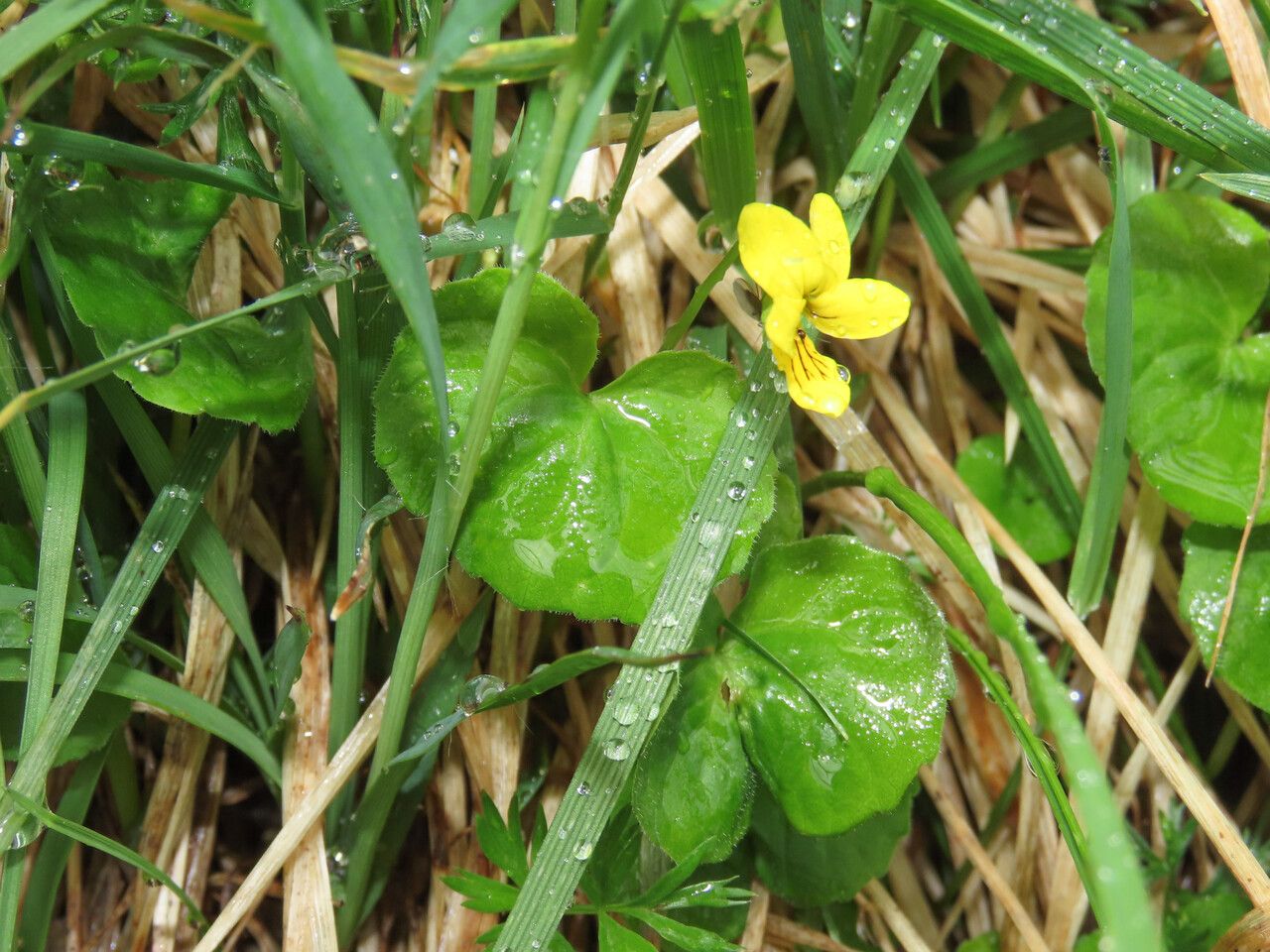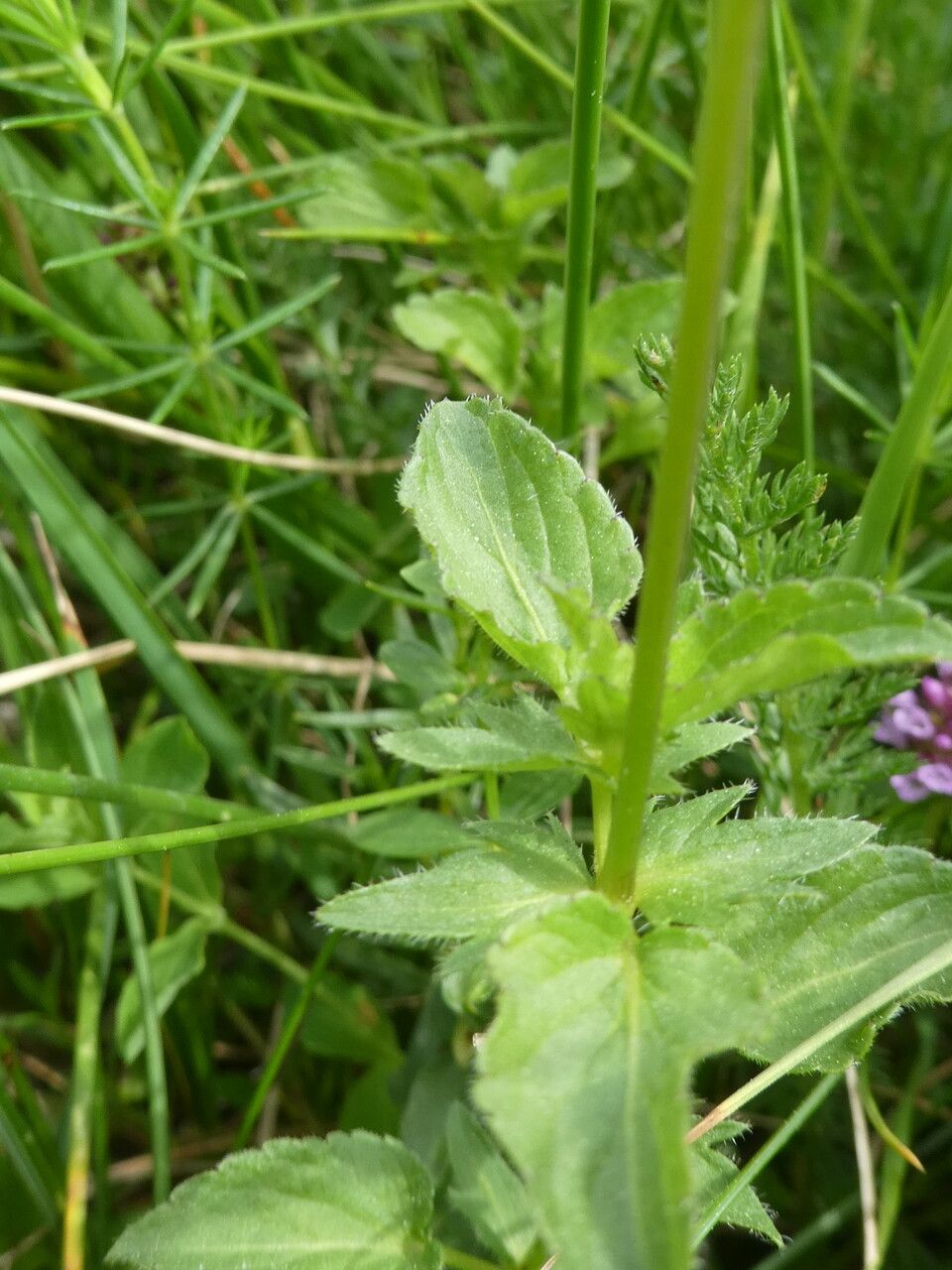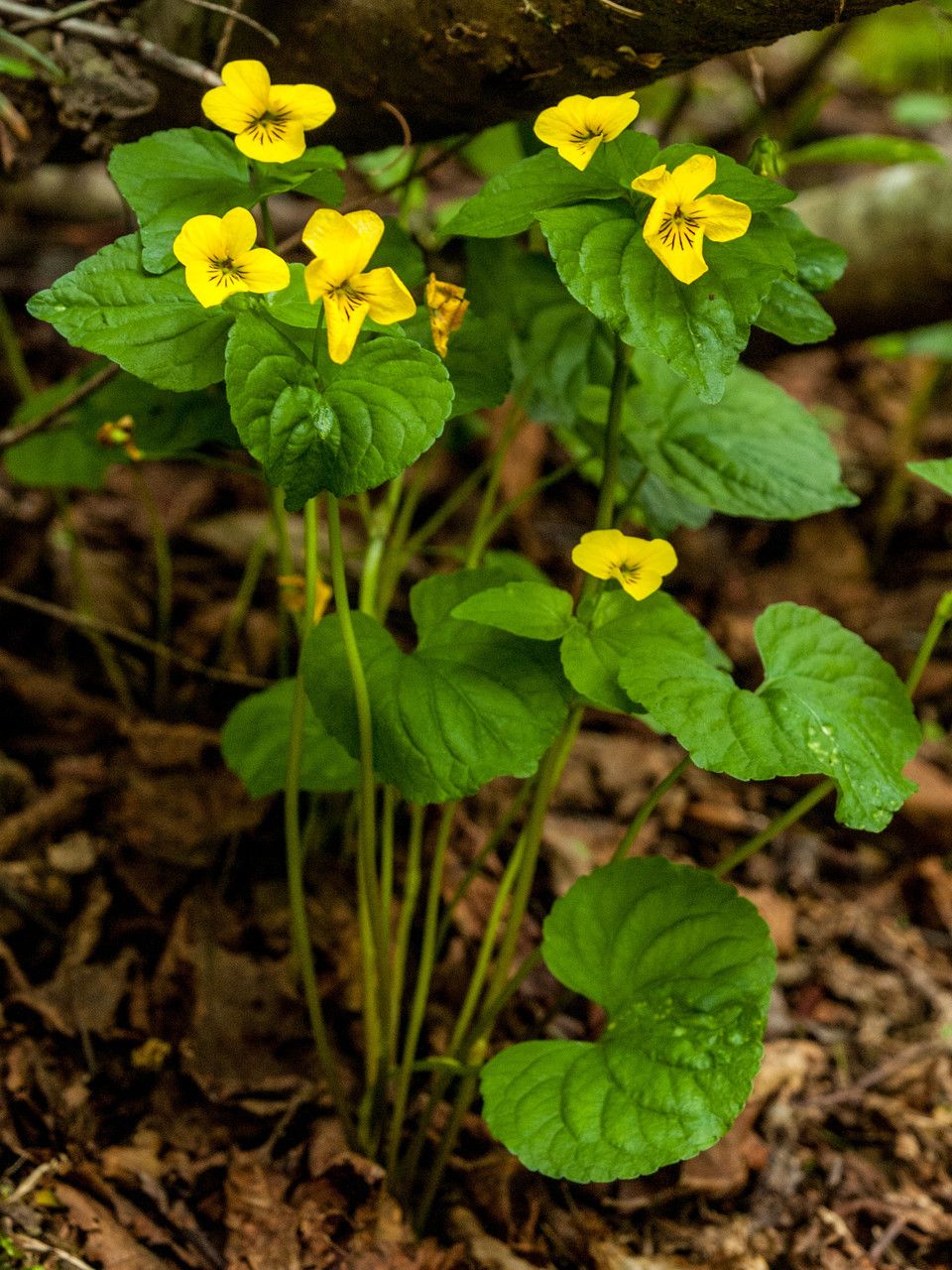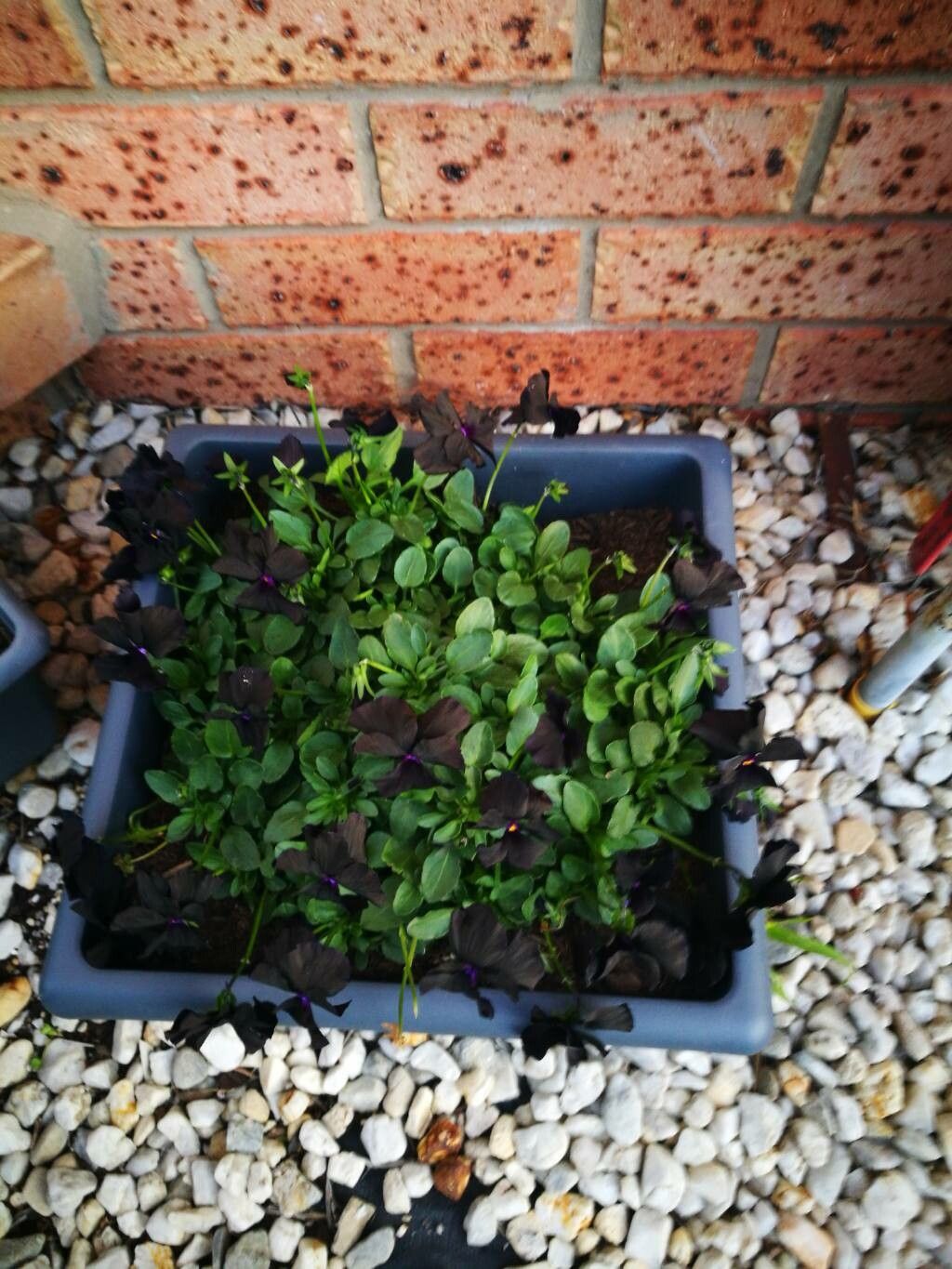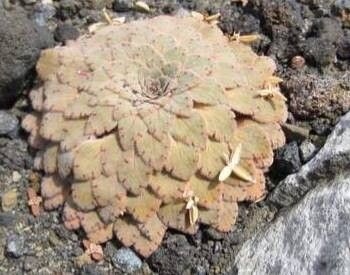
Volcanic violet has moderate disease resistance but is more sensitive to humidity. It becomes vulnerable to disease when humidity is high and is prone to root rot during dormancy. In terms of care, Volcanic violet is drought-tolerant yet requires more water in the growing season. Watering should be sharply reduced or halted entirely during the dormant period. Volcanic violet is best suited to people with some growing experience, as it can be difficult to care for, particularly during dormancy. It is especially appropriate for those who can devote time to its care during the winter months.
How to keep Viola Volcanica.
Light
Volcanic violet flourishes in conditions where there is plenty of sunlight throughout the day and can also bear a reasonable amount in shaded places. Hailing from a habitat rich in sunlight, adequate light is crucial to its health. An excess or lack of exposure to sunlight can lead to hindered growth or inadequate health, respectively.
Temperature
The Volcanic violet is indigenous to settings with a temperature spectrum of 68 to 100°F (20 to 38 ℃). This flora adapts better in warmer conditions for optimal growth and development. With the onset of varying seasons, maintaining temperatures within this spectrum can help prevent potential thermal shocks to the plant.
Fertilizer
For the Volcanic Violet, a minimal dosage of fertilizer 1-2 times annually during the growth cycle is adequate. Refrain from fertilizing during the dormant seasons of winter and summer. Cut back on fertilizer usage for plants that have been repotted, and allow for a few months to pass post repotting before fertilizing. The process of fertilization promotes robust growth and stimulates blossom development.