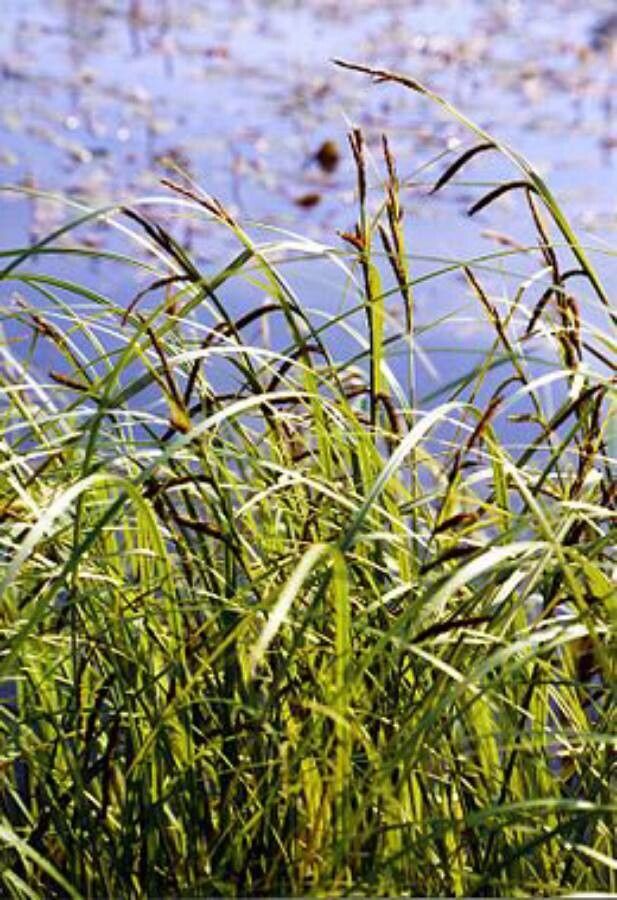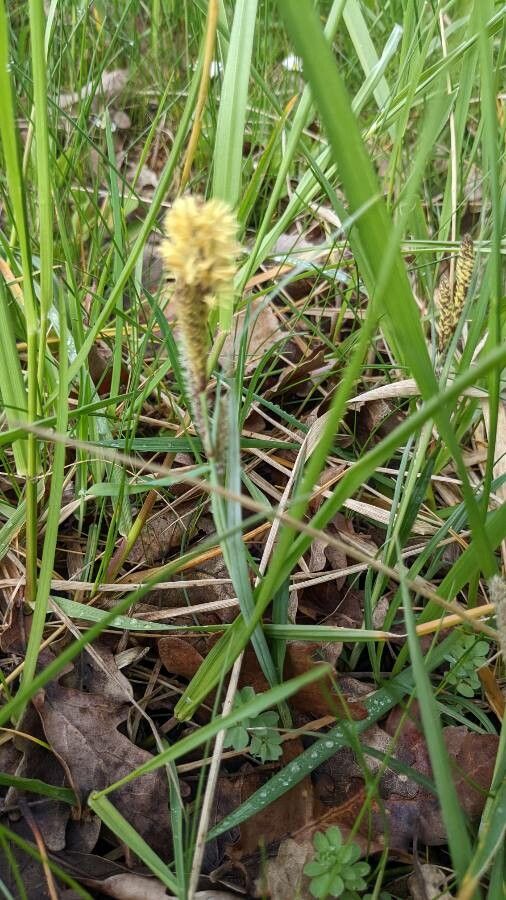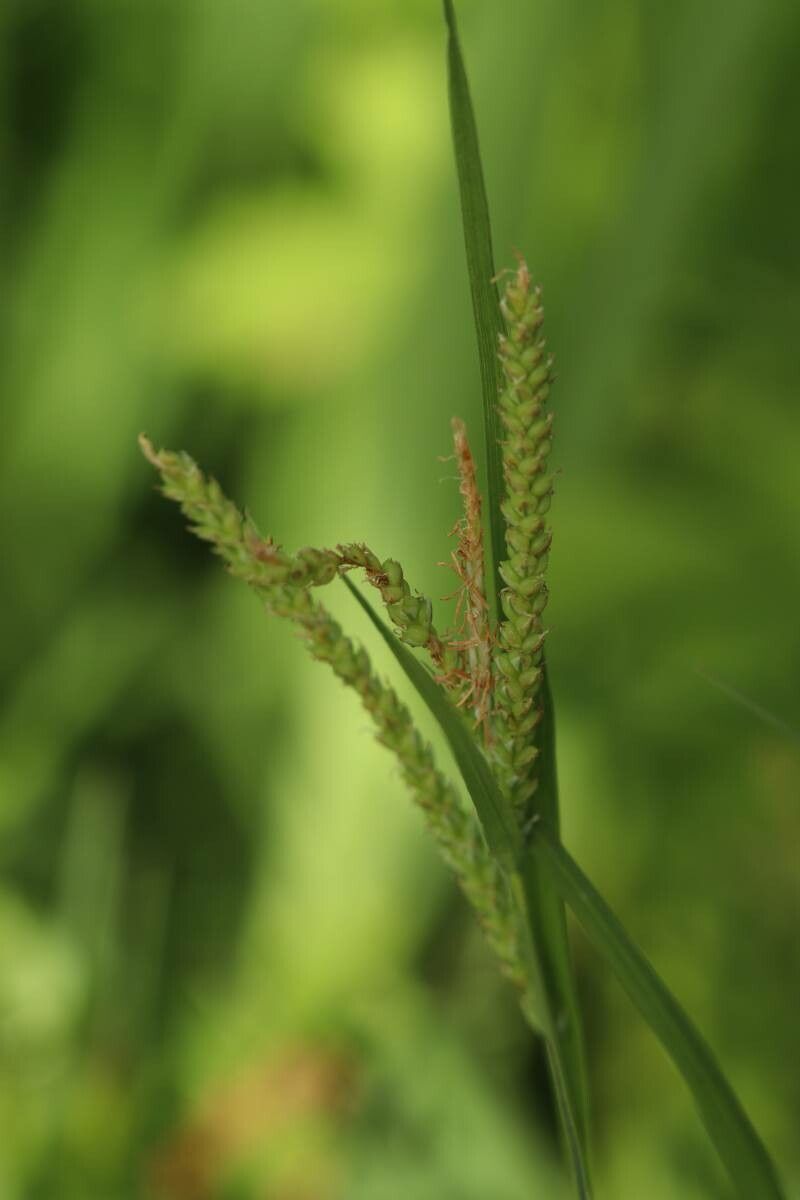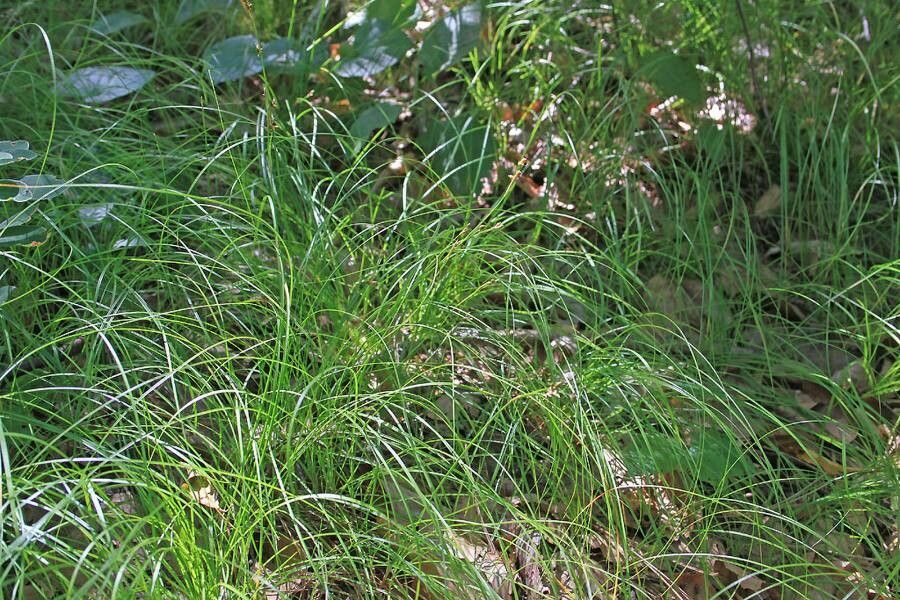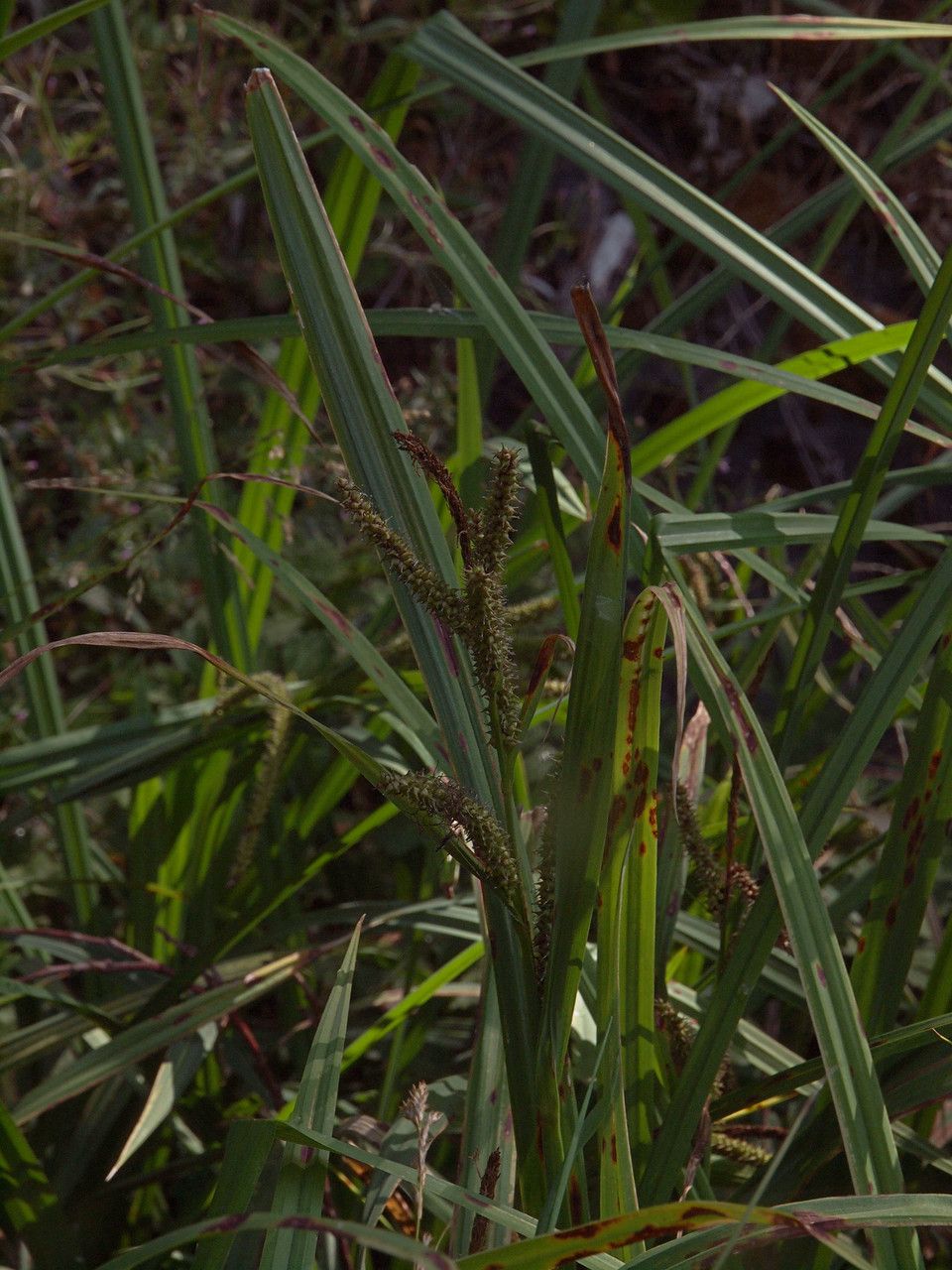
Carex amplifolia is a species of sedge known by the common name bigleaf sedge. It is native to western North America from British Columbia to Montana to California, where it grows in wet and seasonally wet areas in coniferous forests.
Big-leaf sedge exhibits strong disease resistance and is generally not susceptible to diseases. In terms of care, this plant is relatively low-maintenance. When grown outdoors it needs minimal watering, and larger plants generally do not require pruning. However, smaller plants should be pruned after they have bloomed. Big-leaf sedge is suitable for anyone with an outdoor space, such as a garden or deck, and does not demand much care experience.
How to keep Carex Amplifolia.
Light
Big-leaf sedge is a perennial herbaceous plant that prefers sunny conditions and comes from open habitats, commonly flourishing in meadows and grasslands. It prefers full sun, though it can also tolerate partial sun.
Water
Originating from moist environments, big-leaf sedge thrives with consistent hydration. It prefers a steady level of moisture and should be watered weekly. During its active growing season, it requires more frequent watering to support vigorous growth.
Temperature
Big-leaf sedge can adjust to a wide range of temperatures, but its distribution may still be limited by various combinations of moisture and heat. It grows best in warm summer climates with sufficient rainfall or watering. Extended periods of cloudy, rainy weather, as well as prolonged high temperatures, can raise the chance of the plant dying. In winter, adequate protection from cold can improve its survival rate.
Fertilizer
Big-leaf sedge benefits from extra nutrients to encourage healthy new growth. In spring, spreading compost around the plant’s base is an effective way to supply the nutrition it requires. Fertilizing supports vigorous growth and helps the plant resist diseases and pests.
Pruning
To promote healthy growth and improve air circulation, it's best to prune big-leaf sedge in early spring. Use sharp, clean tools to trim away any dead foliage for the best results. Make light, precise cuts to support the plant's growth cycle and keep it looking attractive.
Botanical profile.
- Plant Type
- Grass
- Life Cycle
- Perennial
- Genus
- Carex
- Family
- Cyperaceae
- Hardiness Zone
- 5-9
- Mature Height
- 0.61 m to 1.22 m
- Mature Spread
- 30 cm to 61 cm
- Leaf Color
- Dark Green
- Leaf Type
- Evergreen
- Flower Size
- 0.20 cm to 0.51 cm
- Bloom Time
- Late spring, Early summer
- Planting Time
- Spring, Summer, Autumn
- Harvest Time
- Mid summer, Late summer
Other names.
Reader questions.
What are the sunlight requirements for Big-leaf sedge?
Big-leaf sedge, known botanically as Carex amplifolia, thrives in environments that provide full sun, which means it requires above 6 hours of sunlight daily. However, it can also tolerate partial sun conditions, necessitating about 3-6 hours of sunlight. This adaptability makes it suitable for a variety of outdoor settings, often found in meadows and grasslands. It is important to watch how sunlight moves through your garden and choose spots that offer a good balance of light and shade to ensure the health and happiness of your plants.
How can artificial lighting support plant growth?
When natural sunlight is insufficient, especially during winter or in less sunny indoor spaces, artificial lighting can be a significant aid in promoting optimal growth in plants. Big-leaf sedge, like other indoor plants, may require additional lighting to thrive. LED lights are a popular choice, as they can be tailored to provide specific wavelengths needed by your plants. For indoor plant varieties, full sun plants need 30-50W/sq ft of artificial light, partial sun plants require 20-30W/sq ft, and full shade plants need 10-20W/sq ft. The artificial light source should be placed 12-36 inches above the plant, mimicking natural sunlight as closely as possible, and it's recommended that most plants receive 8-12 hours of light per day.
What are the symptoms of light deficiency in plants?
Big-leaf sedge shows several symptoms when exposed to inadequate lighting. New leaves might grow smaller, and you may notice a leggy or sparse growth indicating the plant is stretching towards the light source. Faster leaf drop and slower or no new growth are signs of insufficient light, indicating the plant is in survival mode. Pale or lighter-colored new leaves suggest a lack of chlorophyll and essential nutrients. Other symptoms include chlorosis, where leaves turn yellow from the breakdown of chlorophyll due to excessive sunlight, sunscald characterized by damaged leaves or stems, leaf curling as a protective mechanism against too much sun, wilting from loss of water, and leaf scorching, which appears as brown, dry edges on leaves from excessive sunlight exposure.
How can you address light deficiency in Big-leaf sedge?
Addressing light deficiency in Big-leaf sedge involves several strategies tailored to indoor, outdoor, and ground settings. Indoors, gradually increase sunlight exposure to at least 6 hours daily, using south-facing windows or artificial lighting for plants not easily moved. Outdoors, adapt your plants to more sunlight gradually to avoid sunburn. For plants on the ground, minimize obstructions to sunlight by pruning trees or bushes and consider transplanting smaller plants to sunnier locations during their dormant periods for better sun exposure and drainage. It is crucial to implement these changes gradually to prevent shock and ensure plants adapt successfully to their new conditions.