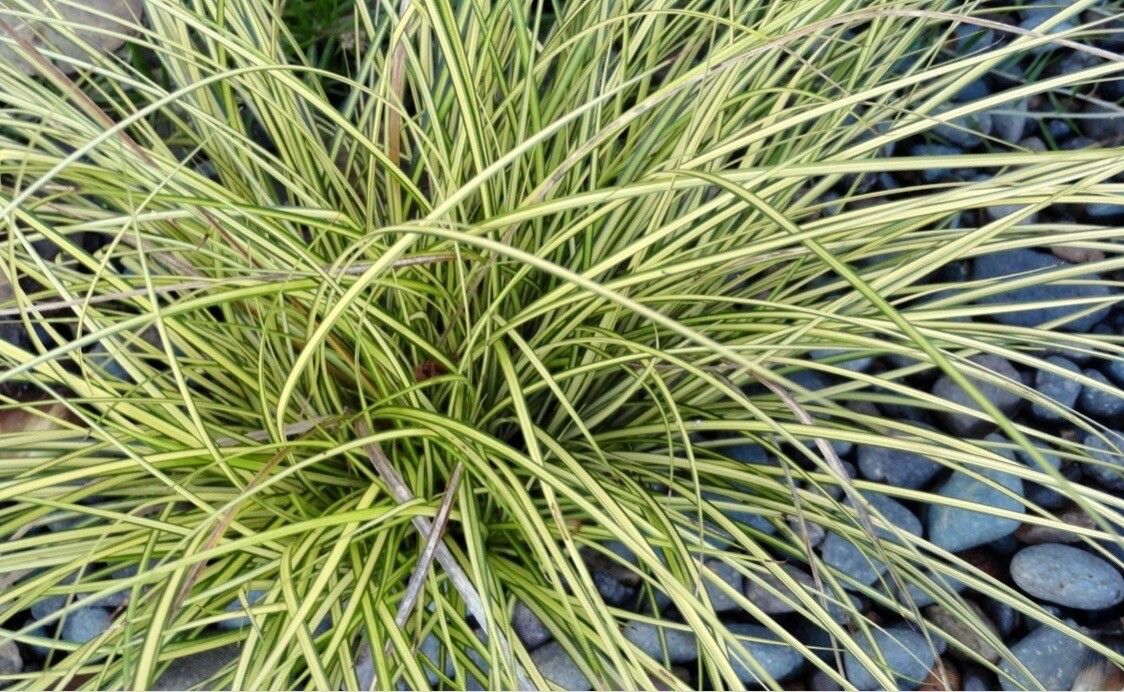
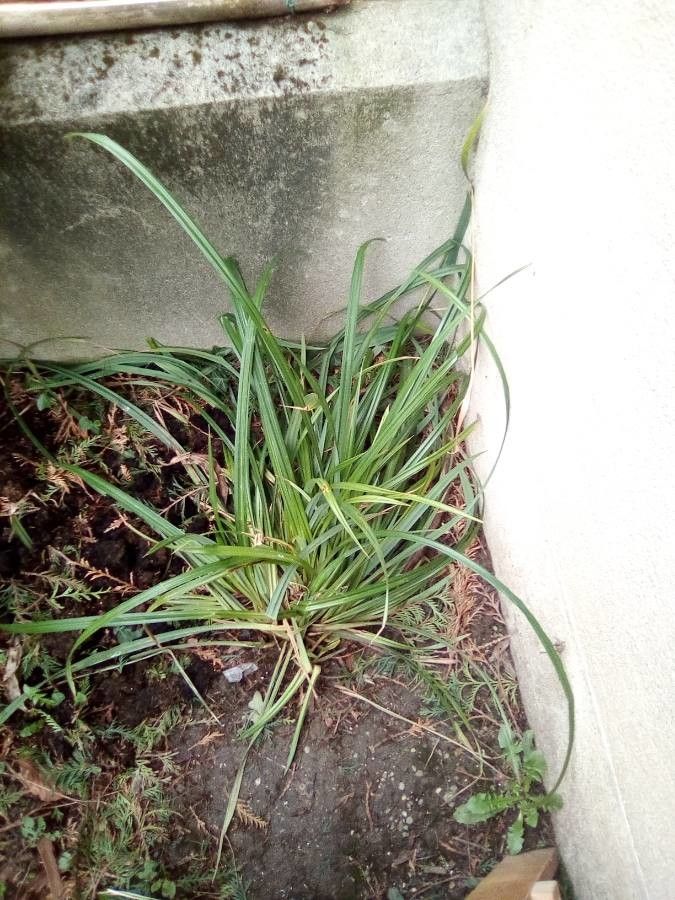
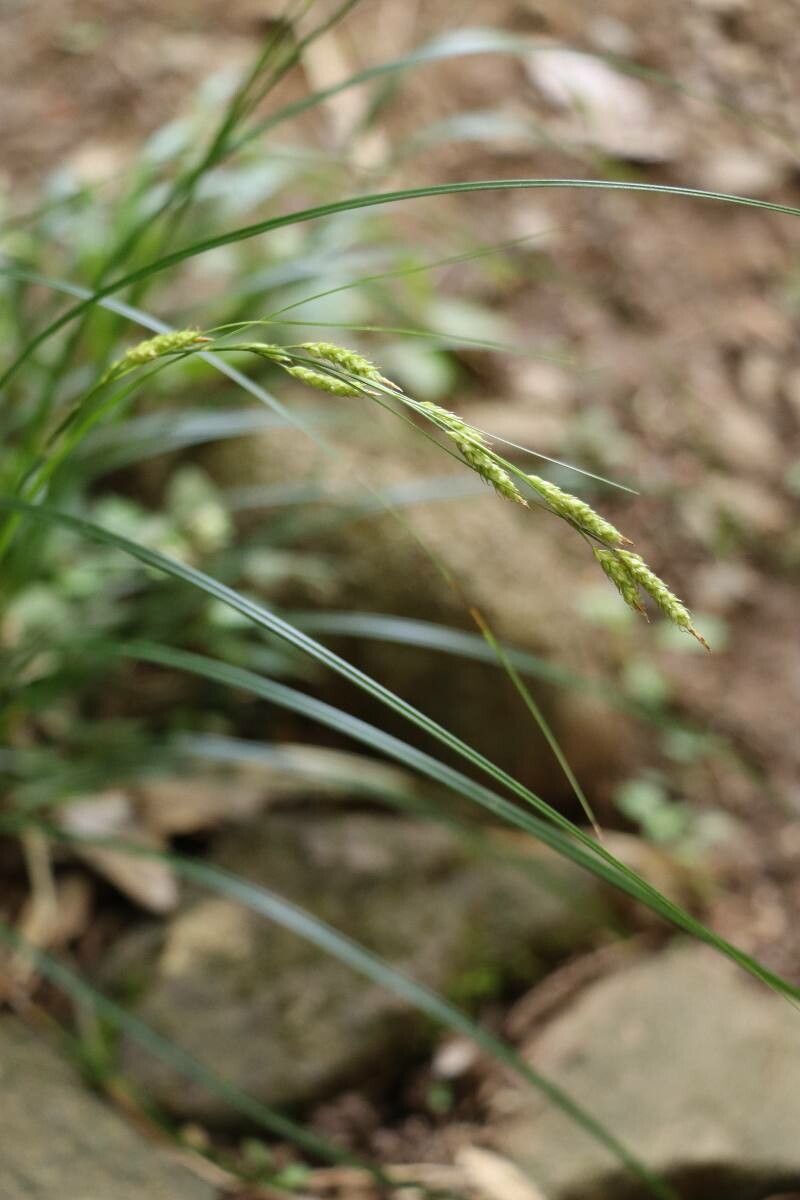
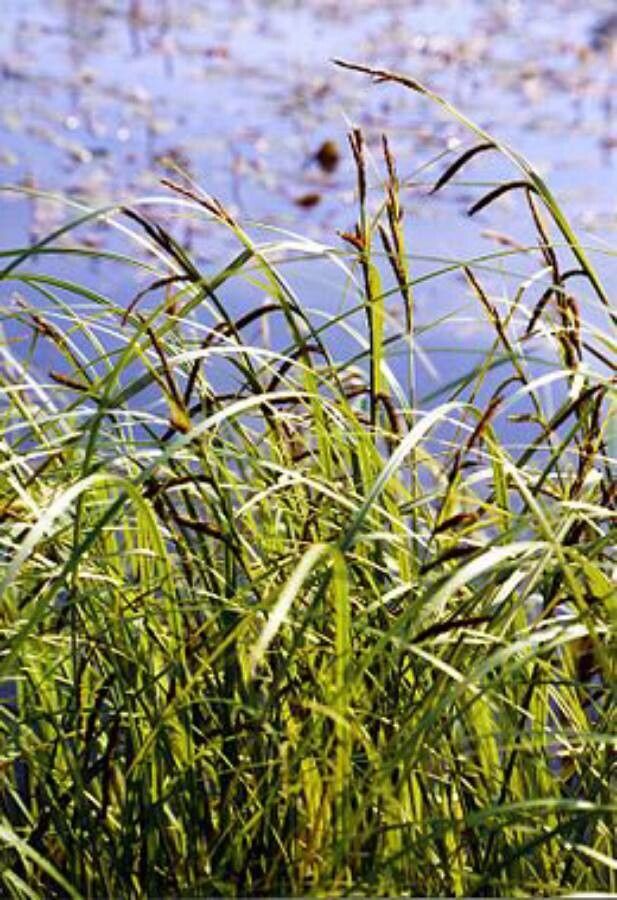
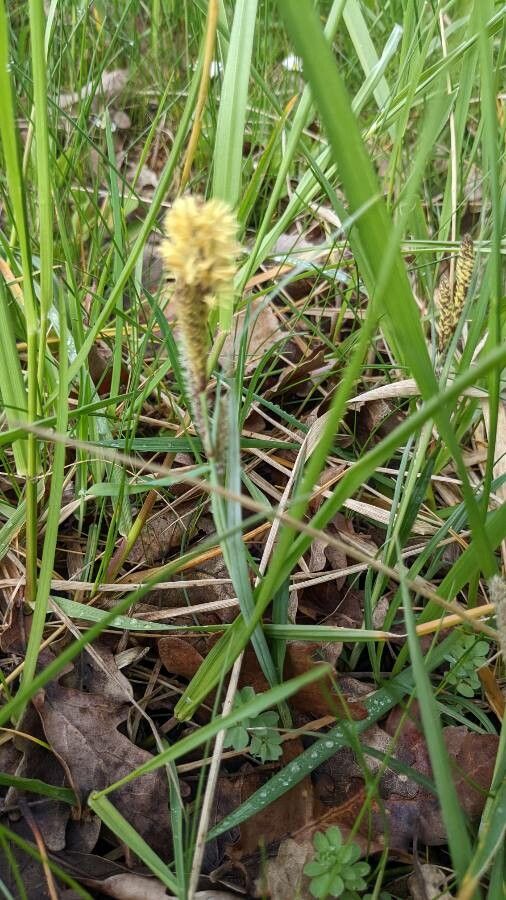
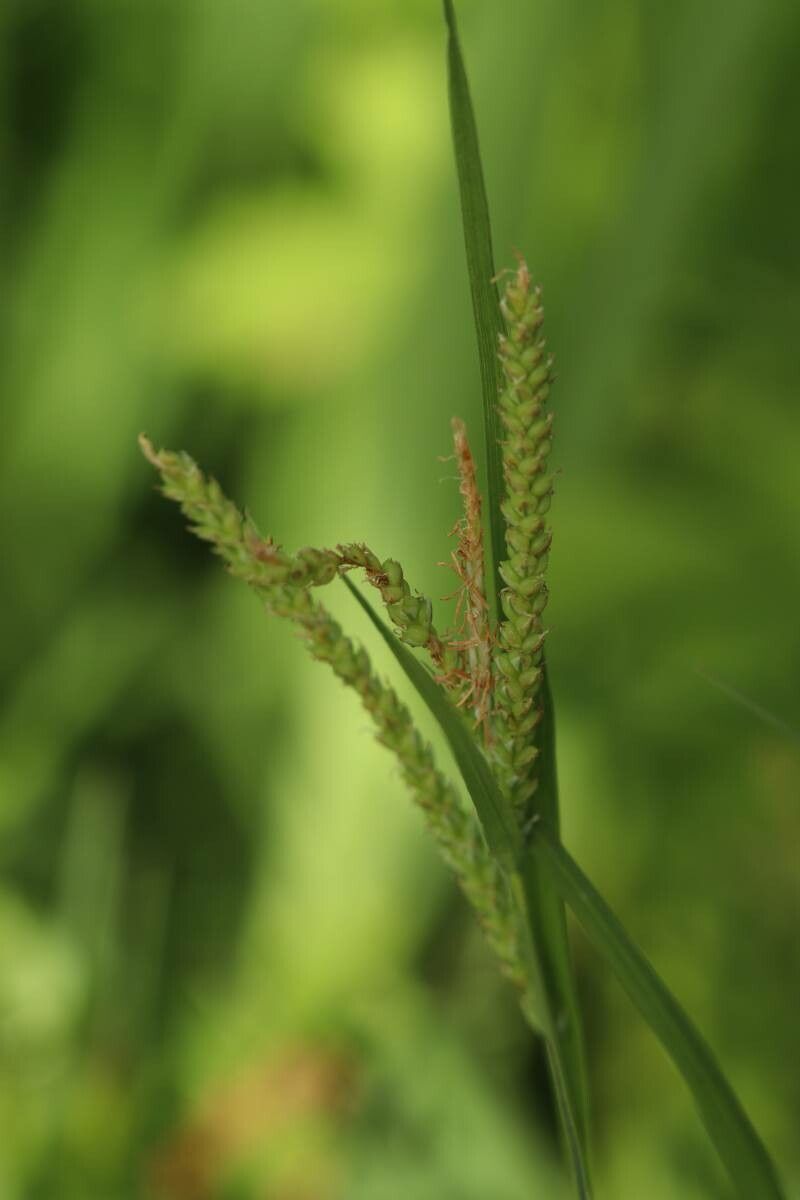
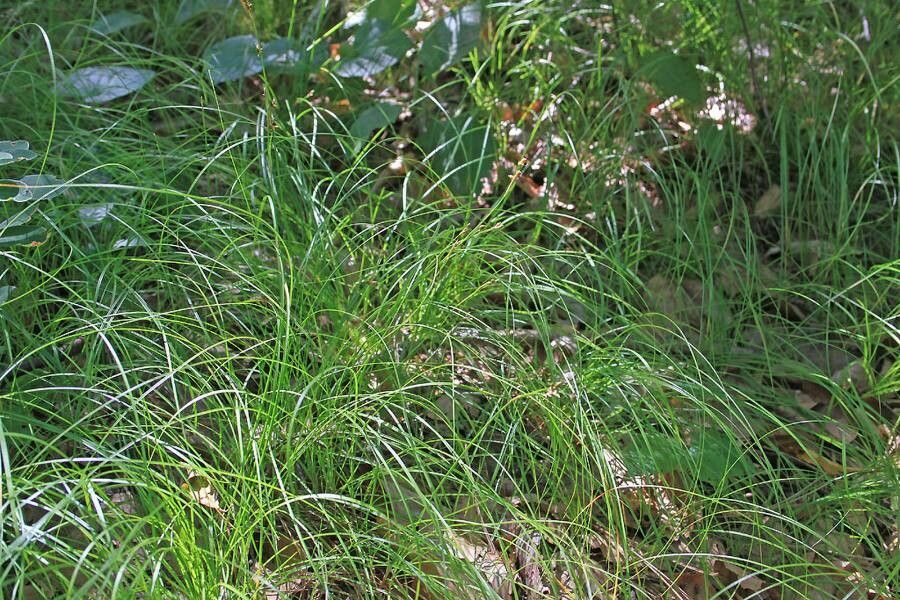
Carex brunnea, the greater brown sedge, is a small species of plant found in many parts of Asia, as well as eastern Australia and Lord Howe Island. This plant is often seen in disturbed, sunny areas in and near rainforest. This is one of many plants described by Robert Brown and was published in his Prodromus Florae Novae Hollandiae et Insulae Van Diemen (1810). Brown recorded the type "(J.) v.v." Brown's name of Carex gracilis was ruled invalid, as the plant had previously appeared in scientific literature in 1784. Published by the Swedish naturalist Carl Peter Thunberg, in Murray's Systema Vegetabilium, 14th edition.
Greater brown sedge has good resistance to disease and is generally not prone to illnesses. Regarding care, this plant is fairly low-maintenance. When grown outdoors it needs only minimal watering, and larger plants typically do not require pruning. Smaller plants, however, should be pruned after they finish flowering. Greater brown sedge is suitable for anyone with outdoor space, such as a garden or a deck, and does not call for much gardening experience.
How to keep Carex Brunnea.
Light
Greater brown sedge naturally occurs in places like forest understories and rocky sites, where it grows in natural shade. It prefers partial sun but can tolerate full sun or full shade, showing its adaptable and hardy nature.
Water
Greater brown sedge flourishes in moderately moist environments and prefers to be watered every 1-2 weeks. As an outdoor plant, it thrives in climates with regular rainfall, which mimics the water conditions of its natural habitat.
Temperature
Greater brown sedge originates from temperate regions and does best at temperatures of 50 to 95°F (10 to 35°C). In periods of extreme heat or cold, provide shade or protection from cold to replicate its native conditions.
Fertilizer
Greater brown sedge needs extra nutrients to encourage healthy new growth. In spring, applying compost around the plant’s base can effectively supply the nutrition it requires. Fertilizing helps support vigorous growth and increases the plant’s resistance to diseases and pests.
Pruning
The greater brown sedge is characterized by its dense, tufted foliage. Pruning in early spring is beneficial for removing old leaves and shaping new growth. Using clean cuts and sterilized tools helps prevent diseases. Regular maintenance not only improves the plant's appearance but also enhances its resilience, ensuring it remains a standout feature in any garden.
Botanical profile.
- Plant Type
- Grass
- Life Cycle
- Perennial
- Genus
- Carex
- Family
- Cyperaceae
- Hardiness Zone
- 6-10
- Mature Height
- 30 cm
- Mature Spread
- 30 cm
- Leaf Color
- Green, Dark Green
- Leaf Type
- Semi-evergreen
- Flower Size
- 0.20 cm to 0.25 cm
- Bloom Time
- Late spring, Early summer
- Planting Time
- Spring, Summer, Autumn
- Harvest Time
- Mid summer, Late summer
Other names.
Reader questions.
What are the sunlight requirements for Greater brown sedge (Carex brunnea)?
Greater brown sedge, botanically known as Carex brunnea, thrives in conditions where it can receive varying amounts of sunlight throughout the day. It requires 'Full sun,' which means it should get above 6 hours of sunlight daily, to flourish. There is also the 'Partial sun' category, suitable for this plant, indicating it can grow well with about 3-6 hours of sunlight each day. It's important to observe the movement of sunlight through your garden carefully, selecting locations that offer a healthy balance of light and shade. This ensures the plants are happy and healthy, with their sunlight needs adequately met.
What is the native climate for Greater brown sedge?
Greater brown sedge, known botanically as Carex brunnea, thrives in temperate zones. It prefers temperatures ranging from 50 to 95°F (10 to 35°C). To ensure the plant remains healthy, it's important to provide shade during extreme heat and protection from the cold in frigid conditions to mimic its native environment.