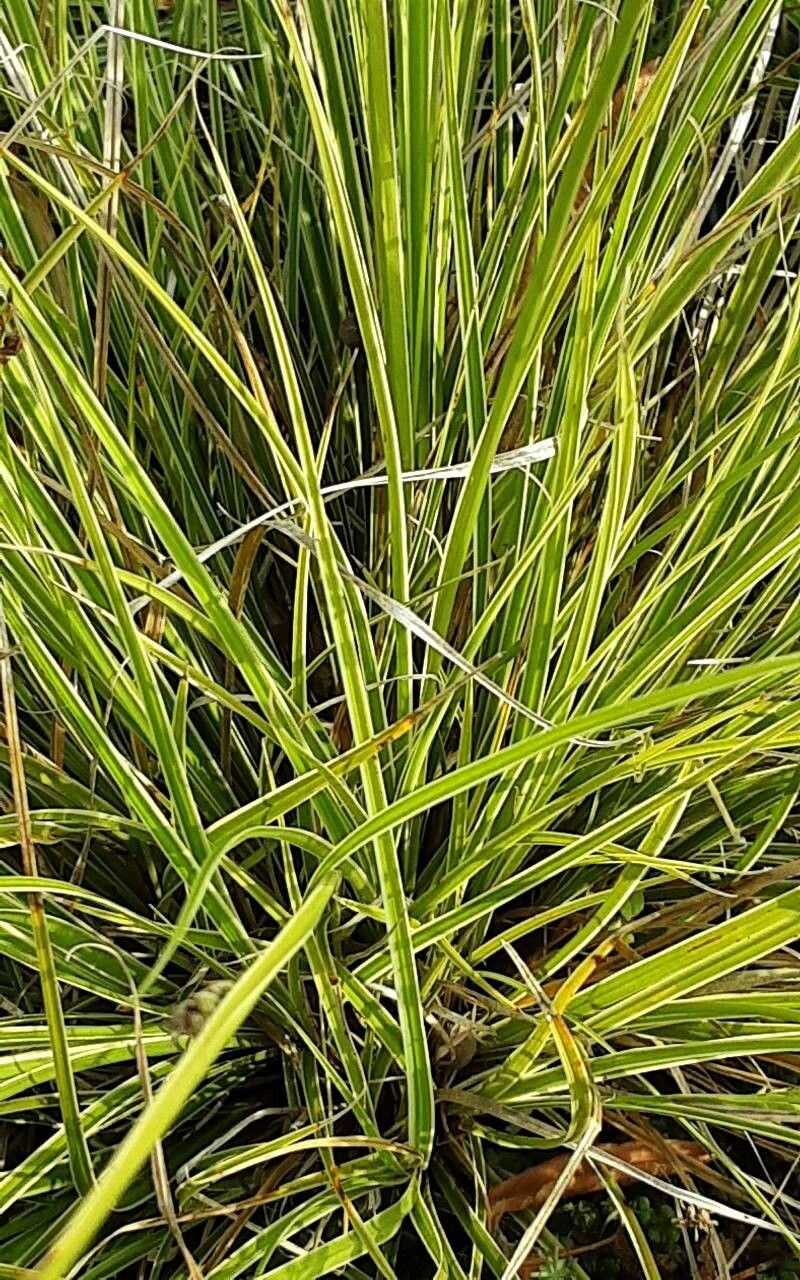
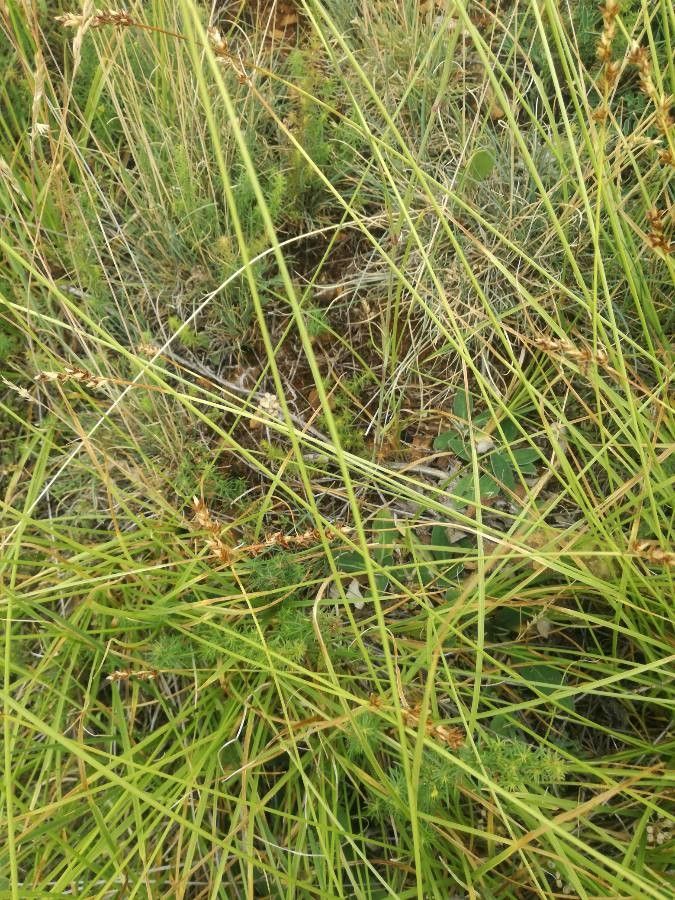
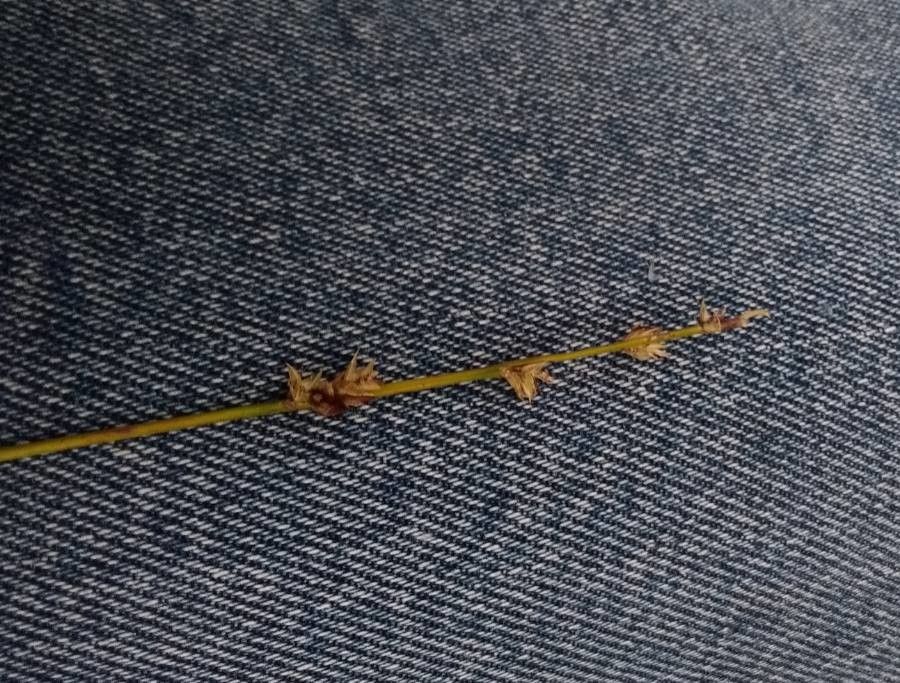
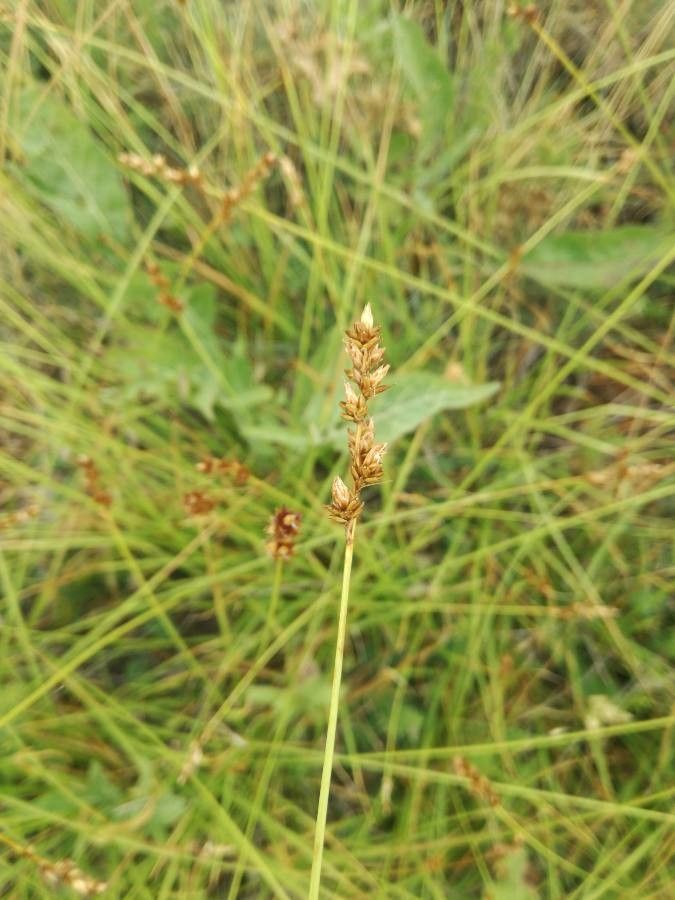
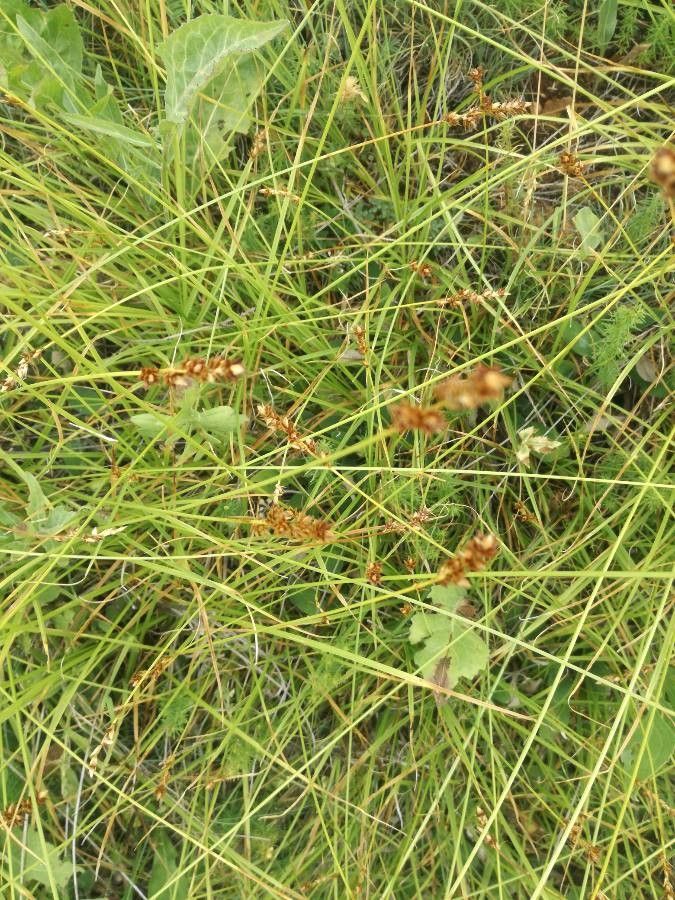
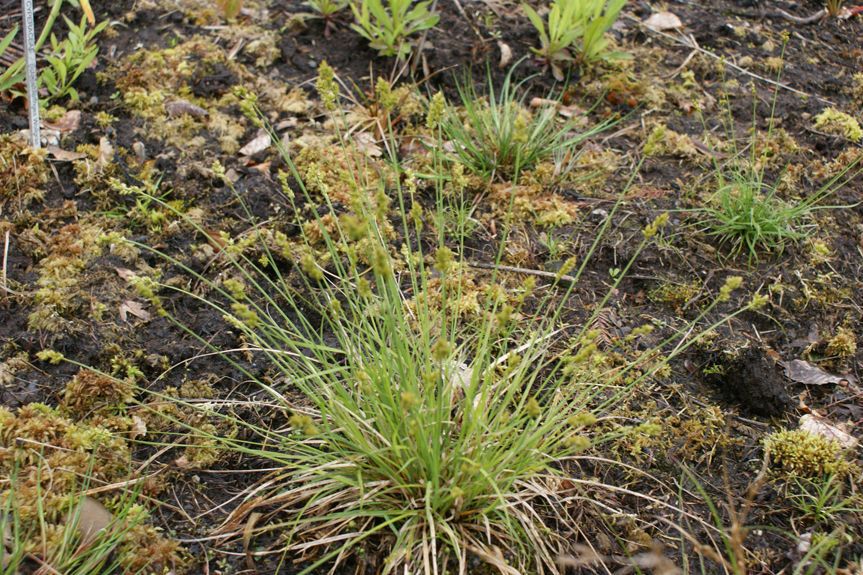
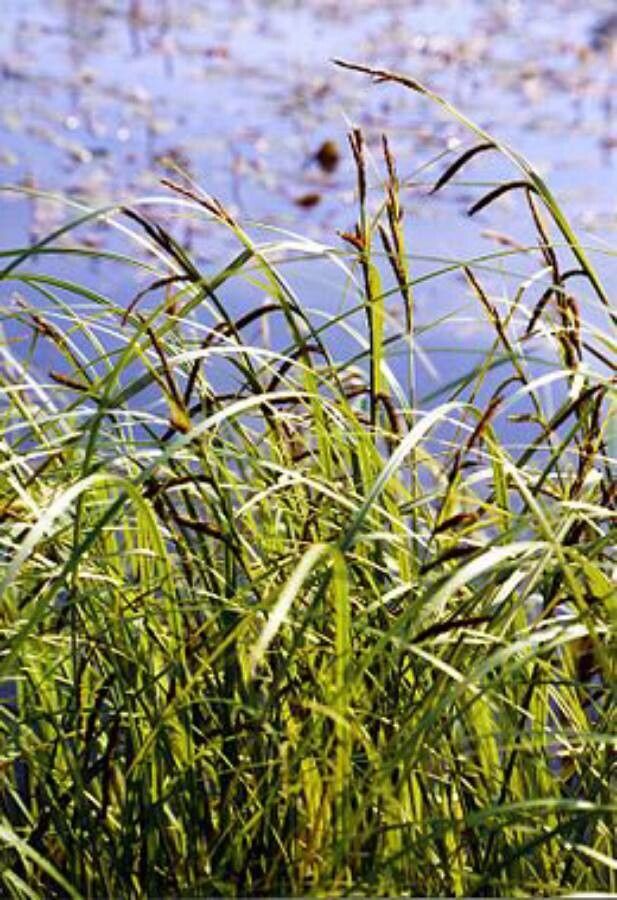
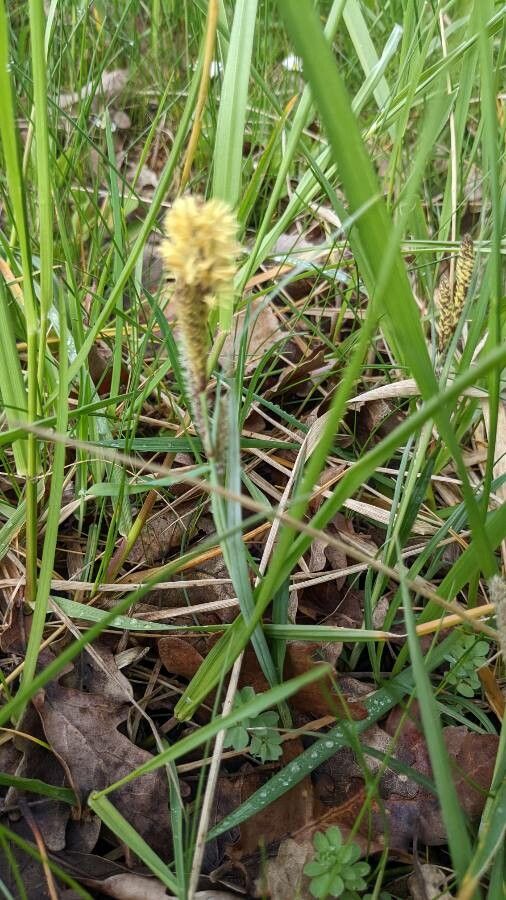
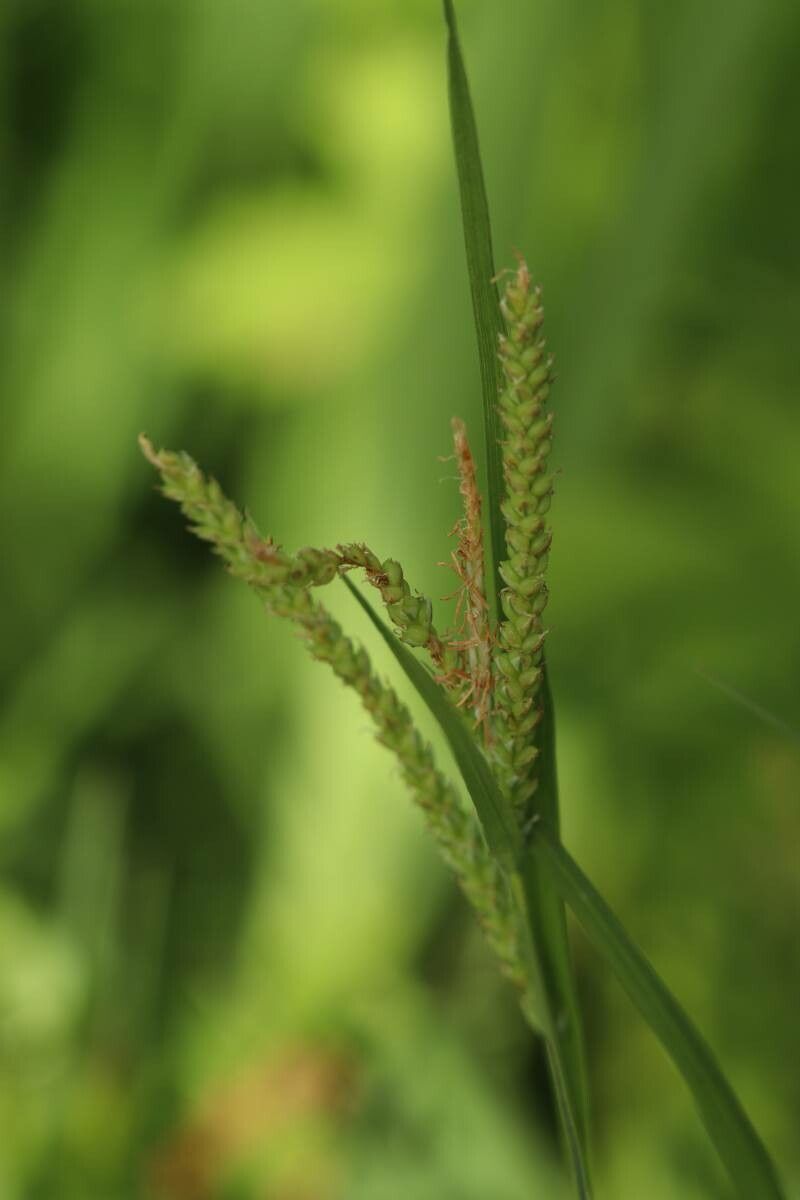
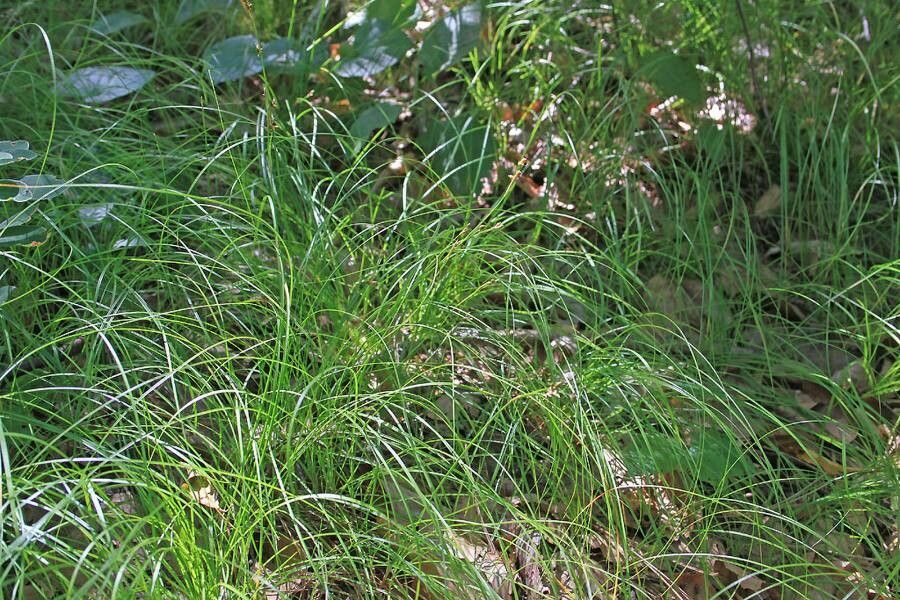
Carex brunnescens, the brownish sedge or green bog sedge, is a species of plant in the sedge family (Cyperaceae). It has a circumboreal distribution, and is native to North America and Eurasia. In the United States it is primarily found in the Northeast and Midwest extending south into the Appalachian Mountains, with disjunct populations westward in the Rocky Mountains. It has a wide-ranging natural habitat, is in found in forests, bogs, fens, and rock outcrops.Carex brunnescens is morphologically variable across its wide range. It has a different morphology when growing in shade vs. sunlight. Shade growing specimens tends to be slender and weak-stemmed with green scales, and sun growing specimens tend to be stiffly erect with brown scales. The degree of variation in this species warrants further taxonomic study.
Brownish sedge is resistant to disease and is usually not susceptible to illnesses. Regarding care, this plant is fairly low-maintenance. Outdoors it needs only light watering, and larger specimens typically do not require pruning. Smaller plants, however, should be trimmed after they finish blooming. Brownish sedge is appropriate for anyone with outdoor space, like a garden or deck, and does not demand extensive gardening experience.
How to keep Carex Brunnescens.
Light
Brownish sedge occurs naturally in habitats like forest understories or rocky areas, where it grows in natural shade. It prefers partial sun but can tolerate full sun or full shade, demonstrating its versatility and hardiness.
Temperature
Brownish sedge can tolerate a wide range of temperatures, but its distribution can still be restricted by different combinations of moisture and heat. It performs best in warm summer climates with sufficient rainfall or watering. Extended stretches of cloudy, rainy weather, as well as prolonged high temperatures, raise the chance of Brownish sedge dying. In winter, adequate protection from cold can enhance the plant's survival.
Fertilizer
Brownish sedge benefits from extra nutrients to encourage healthy new growth. In spring, spreading compost around the plant’s base will supply the necessary nourishment. Fertilizing supports vigorous development and helps the plant fend off diseases and pests.
Pruning
Brownish sedge benefits from early spring pruning, which involves removing dead or damaged foliage to promote healthy growth. Trimming older stems helps prevent overcrowding and the spread of disease. Be sure to use clean, sharp tools for pruning, and refer to horticultural guides for detailed care techniques.
Botanical profile.
- Plant Type
- Grass
- Life Cycle
- Perennial
- Genus
- Carex
- Family
- Cyperaceae
- Hardiness Zone
- 3-7
- Mature Height
- 15 cm to 76 cm
- Mature Spread
- 15 cm to 30 cm
- Leaf Color
- Green, Dark Green
- Leaf Type
- Semi-evergreen
- Flower Color
- Brown
- Flower Size
- 0.20 cm to 0.51 cm
- Bloom Time
- Late spring, Early summer
- Planting Time
- Spring, Autumn
- Harvest Time
- Mid summer, Late summer
Other names.
Reader questions.
What are the sunlight requirements for Brownish sedge (Carex brunnescens)?
Brownish sedge (Carex brunnescens) thrives in areas that receive full sun to partial sun. Full sun locations are those that receive above 6 hours of sunlight daily, whereas partial sun locations get about 3-6 hours of sunlight. It's important to observe the movement of sunlight through your garden, selecting spots that offer a harmonious balance of light and shade. This careful selection ensures that your Brownish sedge plants remain healthy and happy.