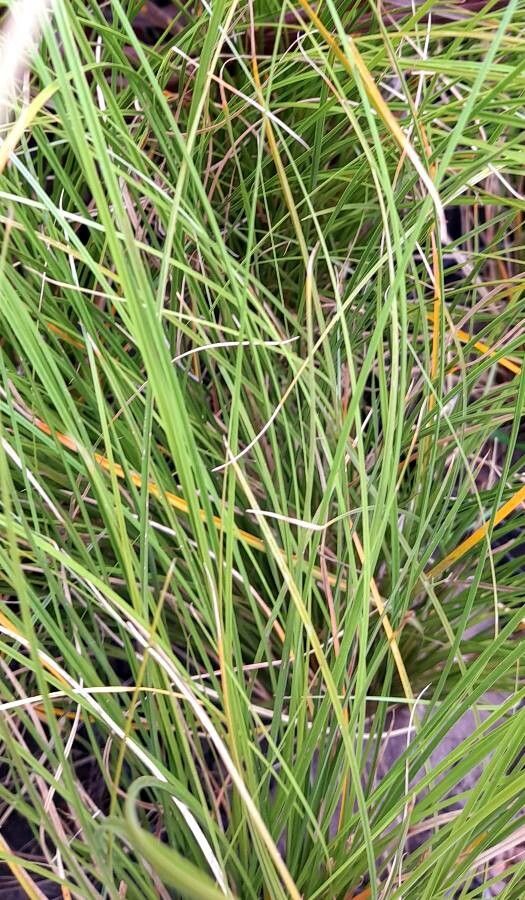
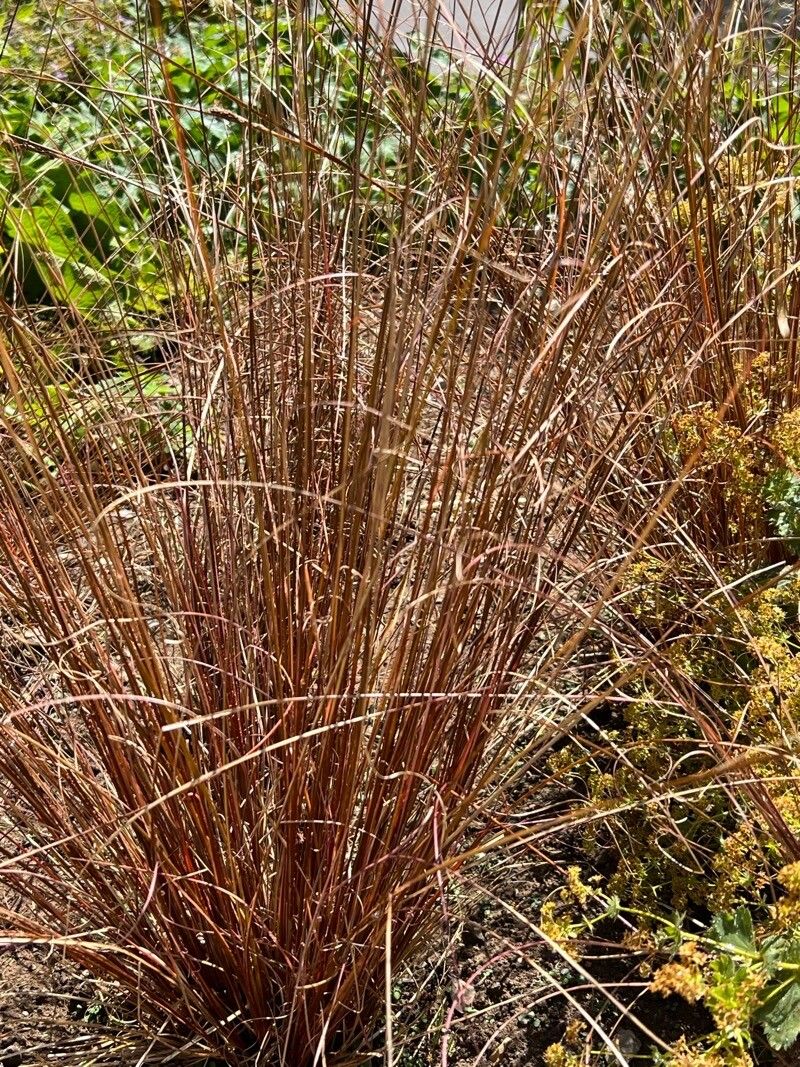
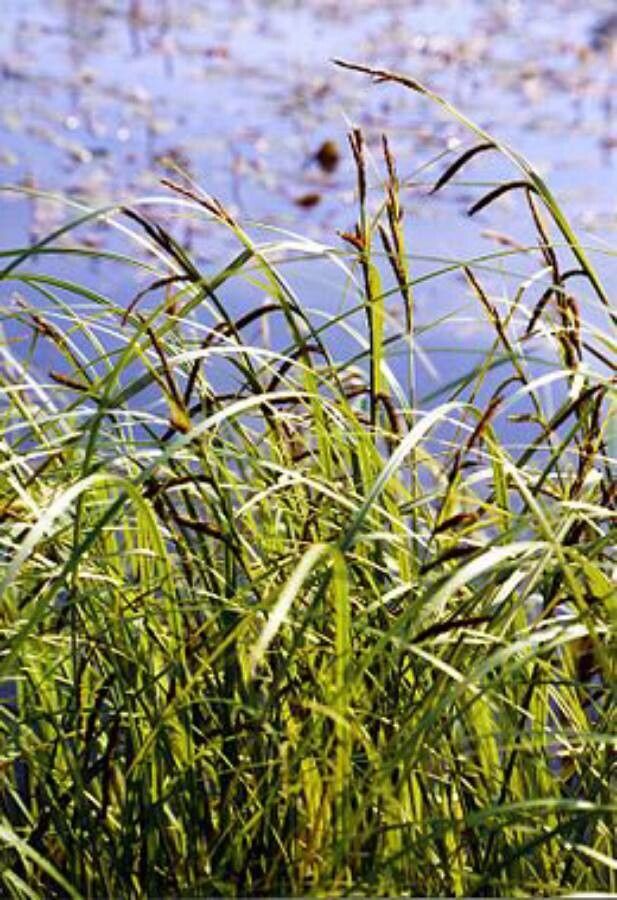
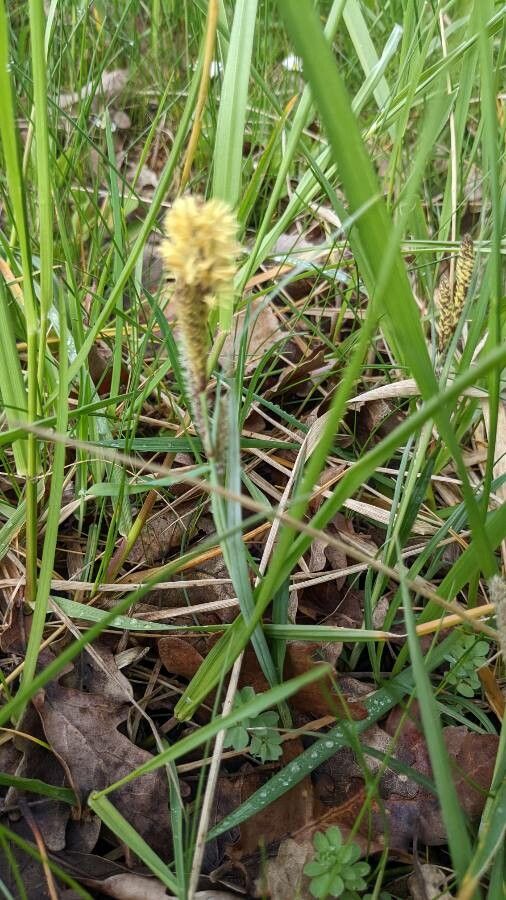
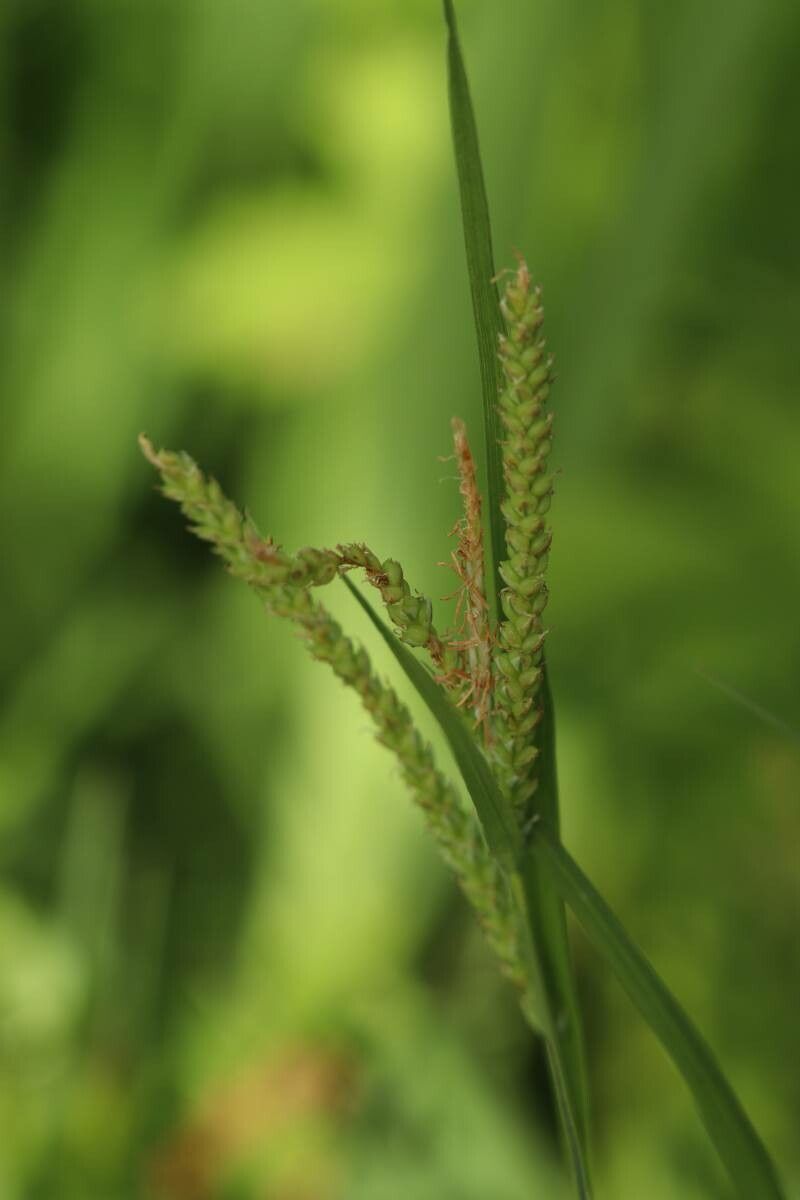
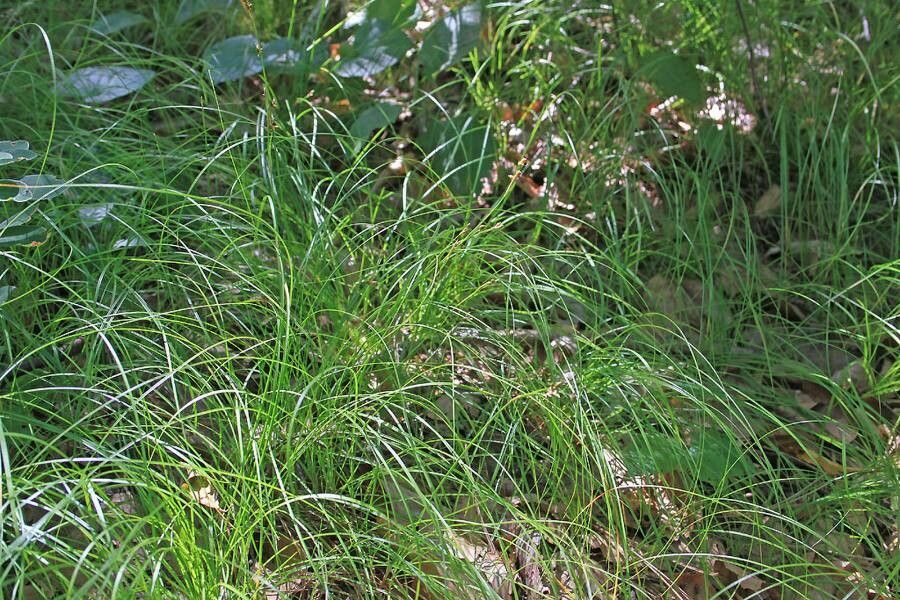
Carex buchananii, commonly known as Leatherleaf Sedge, is a perennial, grass-like plant that belongs to the Cyperaceae family. Native to New Zealand, it has gained popularity as an ornamental plant in gardens and landscapes worldwide.
The plant features narrow, arching leaves that exhibit a bronze-red color and can grow up to 60 cm tall. These stiff, leathery leaves give the plant its common name, "Leatherleaf Sedge." During late spring or early summer, small brown flower spikes appear on tall stems above the foliage.
Carex buchananii thrives in full sun or partial shade with well-drained soil. While it is drought-tolerant once established, regular watering is necessary during its first growing season. This low-maintenance plant is ideal for use as an accent or mass planting in borders, rock gardens, or containers.
In 1754, Lin Nai established the genus known as "true sedge." This plant is a significant component of China's flora and is the dominant grass species in the lowest layer of many forests. In some areas, true sedge makes up most of the lower vegetation. FUN FACT · FROM THE LIBRARY
Overall, Carex buchananii is an attractive, ornamental, grass-like perennial with unique bronze-red foliage that adds color and texture to any garden setting, requiring minimal care once established.
Buchanan's sedge is fairly disease-resistant and generally not prone to illnesses. However, it can be affected by pests and diseases present in its environment. These outbreaks are typically not serious. Regarding care, this plant requires moderate maintenance. It should be pruned regularly to preserve an attractive appearance and promote healthy growth. Fertilizing can also encourage flowering. Buchanan's sedge is well suited for anyone with outdoor space, such as a garden or patio, and does not demand extensive care experience. It may need more attention if grown indoors.
How to keep Carex Buchananii.
Light
Buchanan's sedge is a sun-loving, perennial herbaceous plant native to open habitats and is commonly found in meadows and grasslands. It favors full sun but can also tolerate partial sun.
Water
Buchanan's sedge flourishes in conditions with moderate moisture. It benefits from weekly watering, but care should be taken to avoid waterlogging. Being an evergreen plant, it maintains its foliage throughout the year. To keep its vibrant green blades healthy, it requires attentive watering during dry periods.
Temperature
Buchanan's sedge can tolerate a wide range of temperatures, though its range may still be limited by various combinations of moisture and heat. It does best in warm summer conditions with enough rainfall or watering. Extended periods of cloudy, rainy weather and prolonged high temperatures can raise the chances of Buchanan's sedge dying. In winter, providing proper protection from the cold can boost the plant's survival rate.
Fertilizer
Typically, a single fertilizer application in spring is enough for Buchanan's sedge, though repeated feedings can maximize growth. Apply fertilizer every month to a month and a half. Fertilization improves the leaves' appearance and function, helping maintain even color and a healthy texture. It also encourages root growth and nutrient uptake, supporting the plant's long-term health.
Pruning
Buchanan's sedge is known for its fine, bronze foliage. To promote optimal growth, it is important to prune it between early and late spring. Remove any dead leaves and thin out crowded areas to improve air circulation. Regular pruning encourages denser foliage and helps prevent disease. Be sure to use clean, sharp tools to minimize damage to the plant.
Pot & Repot
When repotting Buchanan's sedge, choose a pot 1-2 inches (2.5–5.1 cm) larger with ample drainage. Use a well-draining potting mix. Repot in spring or fall, ensuring the root ball sits slightly lower than the rim of the pot. Water thoroughly after repotting and place it in a warm spot with indirect sunlight.
Botanical profile.
- Plant Type
- Herb
- Life Cycle
- Perennial
- Genus
- Carex
- Family
- Cyperaceae
- Hardiness Zone
- 6-9
- Mature Height
- 30 cm to 61 cm
- Mature Spread
- 30 cm to 61 cm
- Leaf Color
- Brown, Red, Orange
- Leaf Type
- Evergreen
- Flower Color
- Brown, Green
- Bloom Time
- Mid spring, Late spring
- Planting Time
- Spring, Summer, Autumn
- Harvest Time
- Early summer, Mid summer
- Native Area
- New Zealand
Other names.
Reader questions.
What are the sunlight requirements for Buchanan's sedge?
Buchanan's sedge thrives best in full sun conditions, which means it requires more than 6 hours of sunlight daily. However, it can also tolerate partial sun, receiving about 3-6 hours of sunlight. This adaptability makes it suitable for various garden spots, ensuring it gets the right balance of light and shade for optimal growth. The plant's original habitat in open areas like meadows and grasslands has adapted it to prefer these conditions. Remember, monitoring sunlight patterns in your garden is crucial for finding the perfect location for your plants.
What is Buchanan's sedge?
Buchanan's sedge, scientifically known as Carex buchananii, is a species of plant within the genus Carex. Details about its essential characteristics, symptoms, or additional information have not been provided.
How does artificial lighting support Buchanan's sedge indoor growth?
Indoor Buchanan's sedge plants can benefit significantly from artificial lighting, especially when natural sunlight is insufficient. Choosing the right artificial light is critical for plant health and growth. LED lights are often recommended because they can mimic the sunlight's wavelengths, essential for the plant. For full sun plants, aim for 30-50 watts per square foot, 20-30 watts for partial sun plants, and 10-20 watts for full shade plants. Ensure the light source is placed 12-36 inches above the plant to simulate natural sunlight and keep it on for 8-12 hours daily to cater to the plant's needs, mimicking the natural duration of daylight hours.
What symptoms indicate inadequate lighting for Buchanan's sedge?
Buchanan's sedge shows several symptoms when experiencing light deficiency, including small leaves, leggy or sparse growth, faster leaf drop, slower or no new growth, and lighter-colored new leaves. These symptoms suggest that the plant isn't receiving enough light, leading to various growth and health issues. Conditions like chlorosis, sunscald, leaf curling, wilting, and leaf scorching can also occur, indicating either excessive sunlight or the consequences of previously inadequate light conditions. It's essential to monitor these symptoms to adjust care practices accordingly.
How can I improve lighting conditions for Buchanan's sedge?
Improving lighting conditions for Buchanan's sedge involves several strategies, whether the plant is grown indoors, outdoors, or in the ground. Indoors, gradually moving the plant to a sunnier location or using artificial light can be beneficial. Outdoors, positioning your plants in optimal sunlight and avoiding sudden changes in light exposure are key. For plants in the ground, reducing obstructions like pruning trees and considering transplanting to sunnier locations can help. Remember, it's important to make adjustments gradually to avoid stress and sunburn, and not all parts of the plant may recover from light deficiency, although new growth should be healthy with improved conditions.