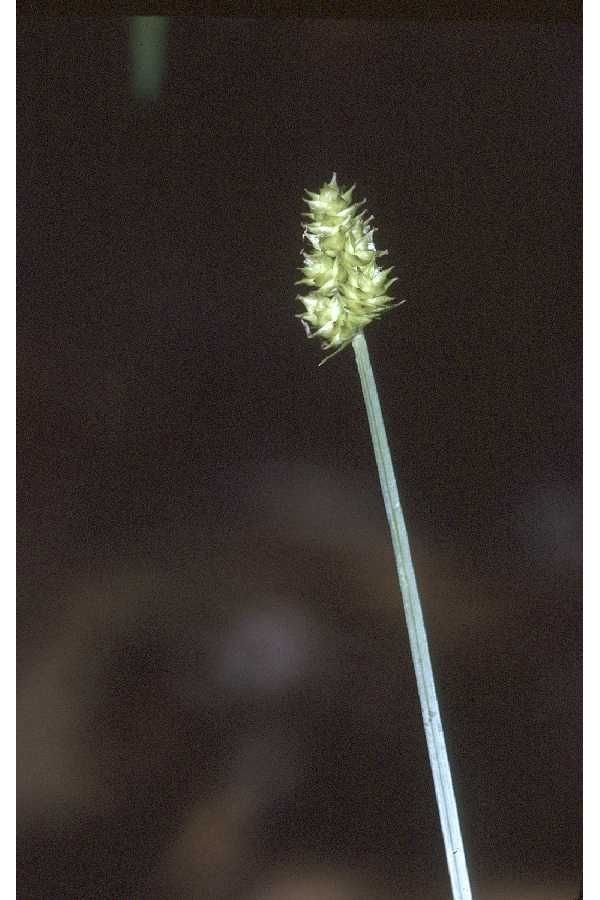
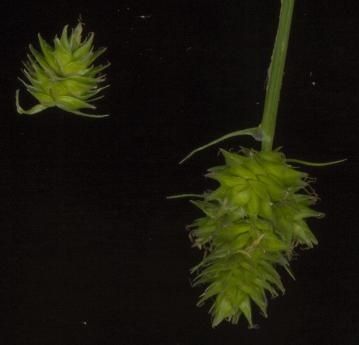
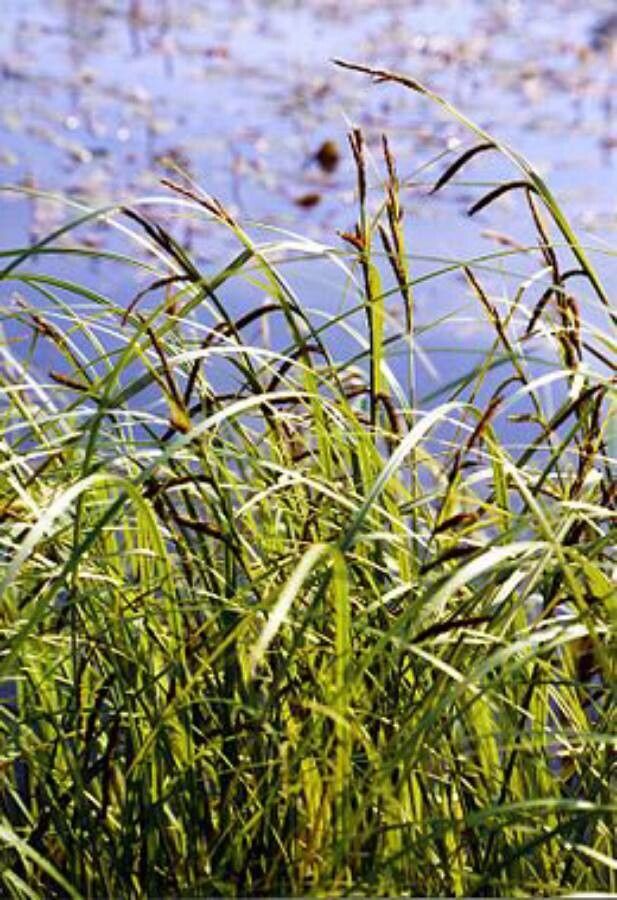
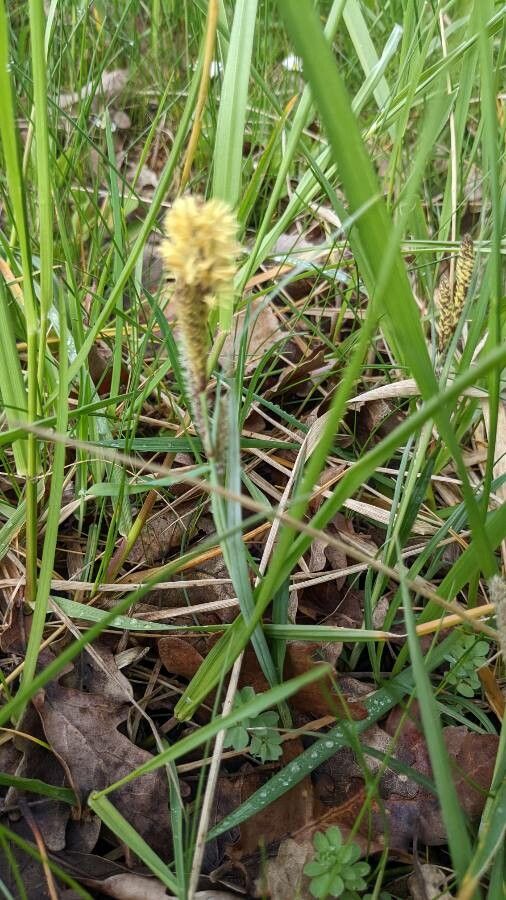
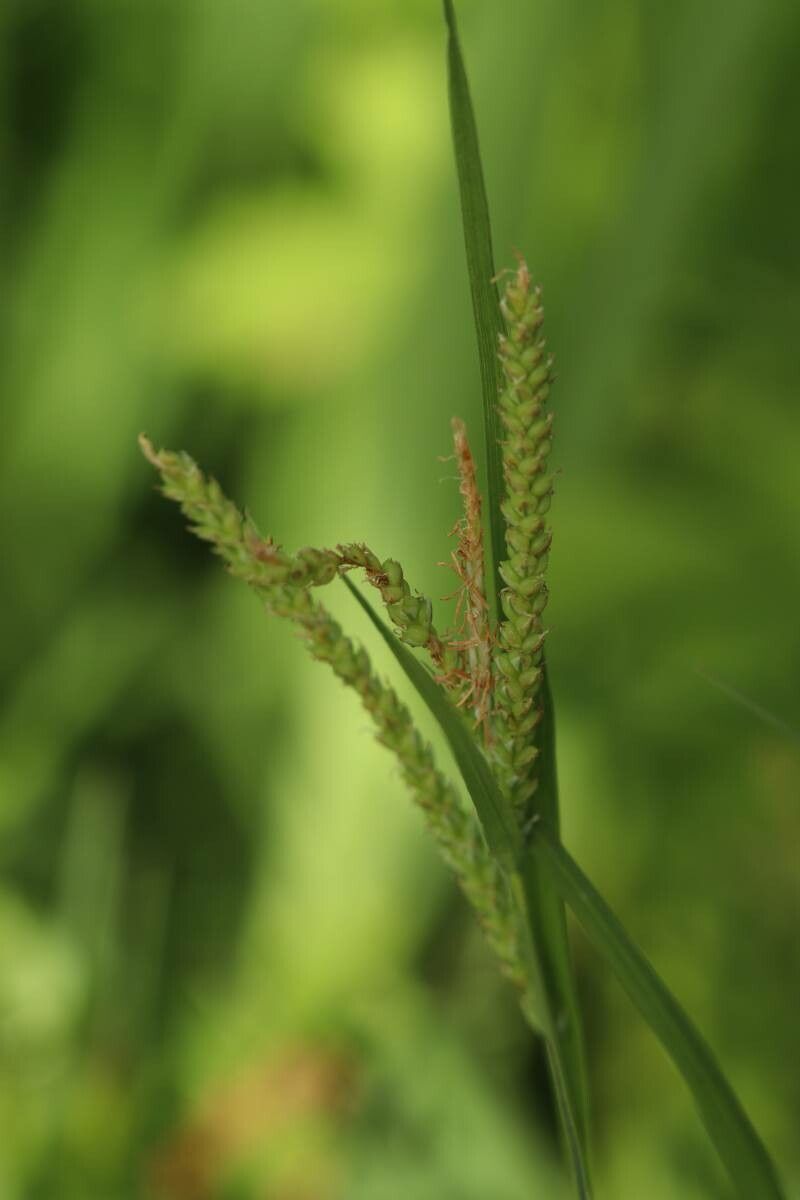
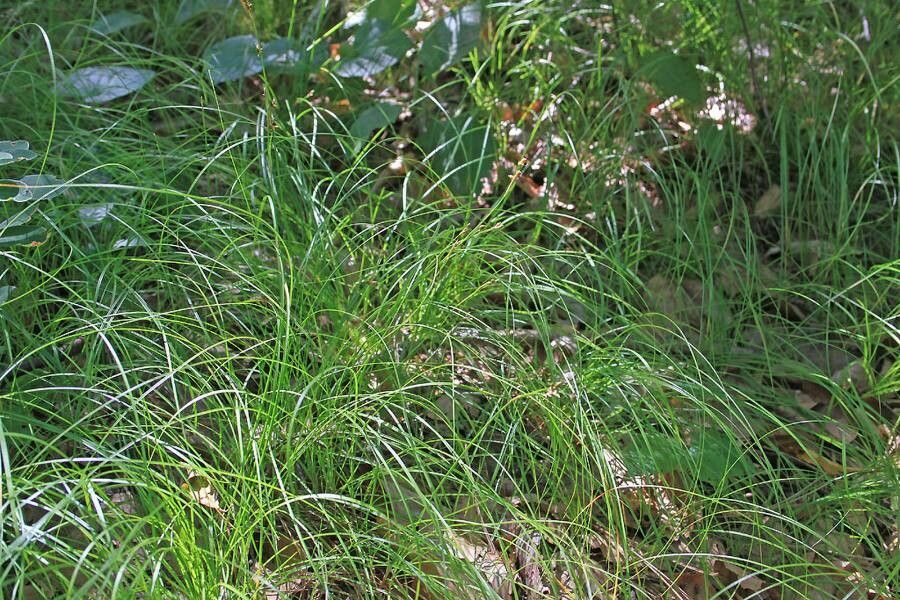
Carex cephalophora, called the oval-leaf sedge, oval-headed sedge, woodbank sedge, and short-headed bracted sedge, is a species of flowering plant in the genus Carex, native to the central and eastern United States and southeastern Canada, and introduced to Germany. It is found in late-succession old fields, even those that have become shaded woodlands.
Oval-leaf sedge is highly resistant to disease and generally not susceptible to illnesses. Regarding care, this plant is fairly low-maintenance. When grown outdoors it needs little watering, and larger specimens typically do not require pruning. However, smaller plants should be trimmed after they have finished blooming. Oval-leaf sedge is well suited to anyone with outdoor space, such as a garden or a deck, and does not demand extensive gardening experience.
How to keep Carex Cephalophora.
Light
Oval-leaf sedge grows best when it gets steady sunlight for most of the day, though it can also tolerate alternating periods of sun and shade. Native to habitats that naturally provide these conditions, the plant's health is harmed by either too little or too much light.
Water
Oval-leaf sedge flourishes in environments with consistent moisture, favoring conditions that strike a balance between wet and dry. In cultivation, providing weekly watering replicates the plant's natural habitat. As a herbaceous perennial, its growth cycles are influenced by rainfall, showing peak vitality during the wetter seasons.
Temperature
Oval-leaf sedge is native to temperate regions, doing well in places where temperatures range from 50 to 95 °F (10 to 35 ℃). In colder seasons, it may need a slight increase in warmth to maintain optimal growth conditions.
Fertilizer
Oval-leaf sedge needs extra nutrients to encourage healthy new growth. In spring, applying compost around the plant’s base can effectively supply the required nourishment. Fertilizing supports robust growth and helps the plant withstand diseases and pests.
Pruning
Oval-leaf sedge is a perennial plant characterized by its tufted clumps and arching stems. Pruning old foliage in early spring encourages new growth, helps control its spread, and improves air circulation, which reduces the risk of disease. Regular maintenance keeps the plant healthy and ensures it remains attractive throughout the growing season.
Botanical profile.
- Plant Type
- Grass
- Life Cycle
- Perennial
- Genus
- Carex
- Family
- Cyperaceae
- Hardiness Zone
- 6-10
- Mature Height
- 20 cm to 91 cm
- Mature Spread
- 20 cm to 30 cm
- Leaf Color
- Green, Blue
- Leaf Type
- Semi-evergreen
- Flower Color
- Yellow, Green, Brown
- Flower Size
- 0.25 cm to 0.51 cm
- Bloom Time
- Mid spring, Late spring
- Planting Time
- Spring, Summer
- Harvest Time
- Early summer, Mid summer
Other names.
Reader questions.
What are the sunlight requirements for Oval-leaf Sedge?
Oval-leaf sedge requires full sun, which means it should receive above 6 hours of sunlight daily, but it can also tolerate partial sun, approximately 3-6 hours of sunlight. Observing the movement of sunlight through your garden to find spots that offer a good balance of light and shade is crucial for the happiness and health of your plants.
What is Oval-leaf sedge and where does it originate?
Oval-leaf sedge, botanically named Carex cephalophora, is native to temperate environments. It thrives in locations where temperatures are within the range of 50 to 95 °F (10 to 35 °C), indicating its preference for moderate to warm climates. This plant is known for its ability to adapt to various temperature conditions, making it suitable for a variety of temperate gardens.
What are the essential lighting conditions for growing Oval-leaf Sedge?
Oval-leaf sedge thrives best when it is exposed to a consistent stream of solar rays throughout most of the day, although it also manages well with intermittent periods of shade and sun. This plant originates from environments that naturally offer these conditions, and both too little or too much light can stunt its health. For indoor plants where natural sunlight is not sufficient, especially during winter or in less sunny spaces, artificial lighting is beneficial. LED lights, for example, are suitable as they can be tailored to the plant's needs, where full sun plants require 30-50W/sq ft, partial sun plants need 20-30W/sq ft, and full shade plants need 10-20W/sq ft. The artificial light should be placed 12-36 inches above the plant to mimic natural sunlight and be kept on for 8-12 hours per day.
How does Oval-leaf sedge react to different temperature conditions?
Oval-leaf sedge exhibits strong cold resistance, allowing it to grow without special frost protection measures in many conditions. However, during the winter, if temperatures are expected to drop below -25°C, it's important to protect the plant by covering it with materials such as soil or straw. Before the first freeze in autumn, watering the plant abundantly helps keep the soil moist, which prevents drought and water scarcity during the winter and early spring. Additionally, while this plant can tolerate low temperatures well, maintaining temperatures above -15°C during winter is ideal for preventing a decrease in sprouting or the absence of sprouting in spring.
What symptoms indicate insufficient or excessive sunlight in Oval-leaf Sedge?
Symptoms of insufficient sunlight in Oval-leaf sedge include new leaves growing smaller, leggy or sparse growth, faster leaf drop, cessation of growth, and lighter-colored or irregularly patterned new leaves. Excessive sunlight can cause chlorosis (leaves turning yellow due to chlorophyll breakdown), sunscald (damage from intense exposure), leaf curling (to minimize water loss), wilting (loss of turgor pressure), and leaf scorching (brown, dry edges on leaves). These symptoms help in determining whether the plant needs adjustments in its light exposure.
What should be done if Oval-leaf sedge experiences extremely low temperatures?
In cases where Oval-leaf sedge is exposed to temperatures below -25°C, it may not show noticeable changes during winter but could experience decreased sprouting or fail to sprout at all during spring. To address this, remove any parts of the plant that have failed to sprout in spring. This helps encourage new growth and ensures the plant remains healthy despite the challenging conditions it faced over the winter.
How can I address and correct lighting issues for Oval-leaf Sedge?
To correct lighting issues for Oval-leaf Sedge, gradually increase sunlight exposure for indoor plants by moving them closer to a south-facing window or supplementing with artificial light for at least 8 hours a day. For outdoor plants, mitigate sudden changes in light intensity by adjusting their location gradually. Pruning surrounding trees and relocating your plant to sunnier spots can also help. It's important to note that parts of the plant affected by improper lighting might not recover, but new growth should appear healthy with improved light conditions.
How does Oval-leaf sedge handle high temperatures, and what care does it require?
During summer, Oval-leaf sedge prefers temperatures to remain below 35°C. Exposure to temperatures above 41°C can cause the plant's leaves to lighten in color, become prone to curling, suffer from sunburn, and in severe cases, lead to wilting and drying of the entire plant. To mitigate these issues, trim away any sunburned and dried-up parts of the plant. Moving the plant to a shaded area or utilizing a shade cloth can protect it from midday and afternoon sun. Additionally, watering the plant in the morning and evening helps maintain soil moisture and protect the plant from heat stress.