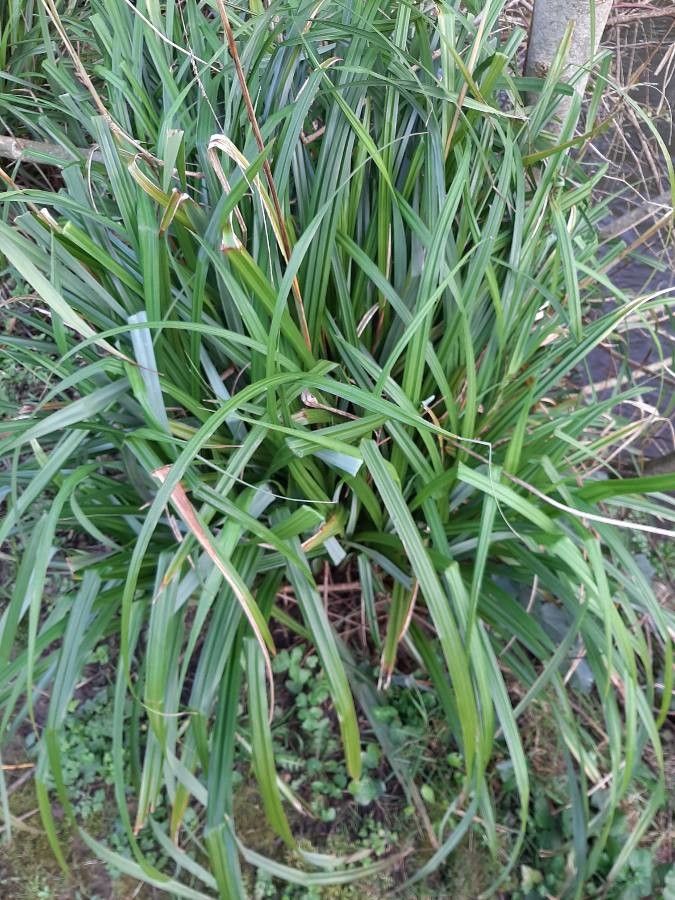
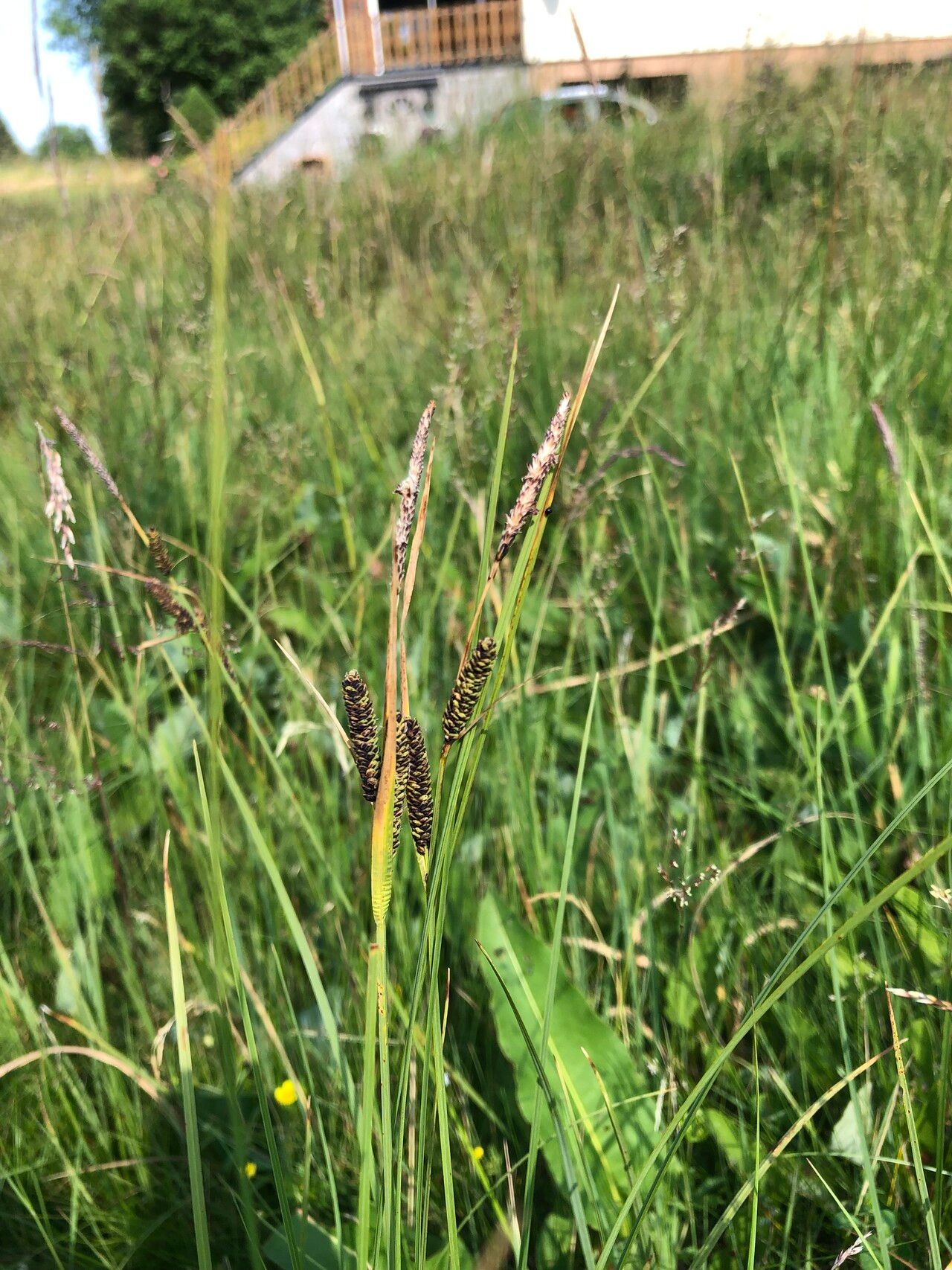
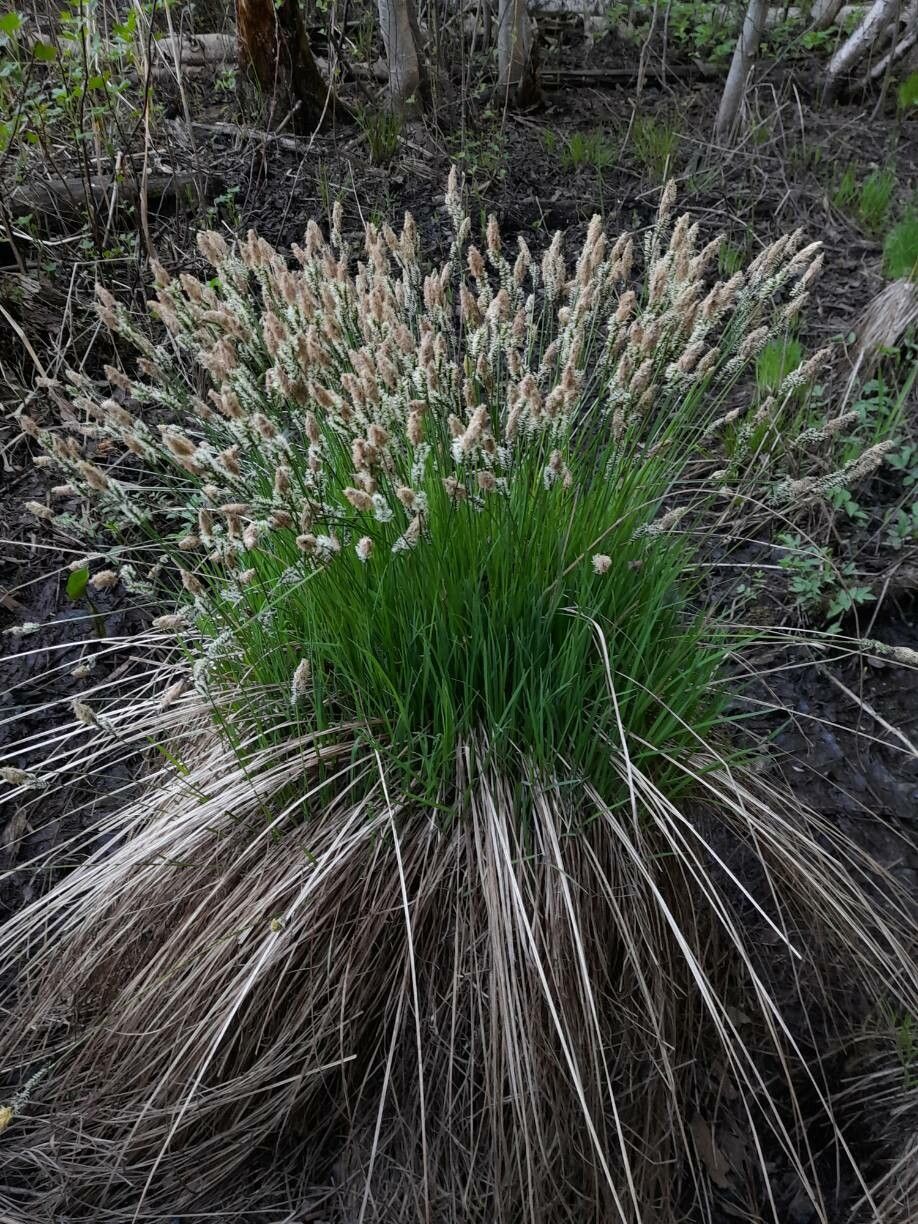
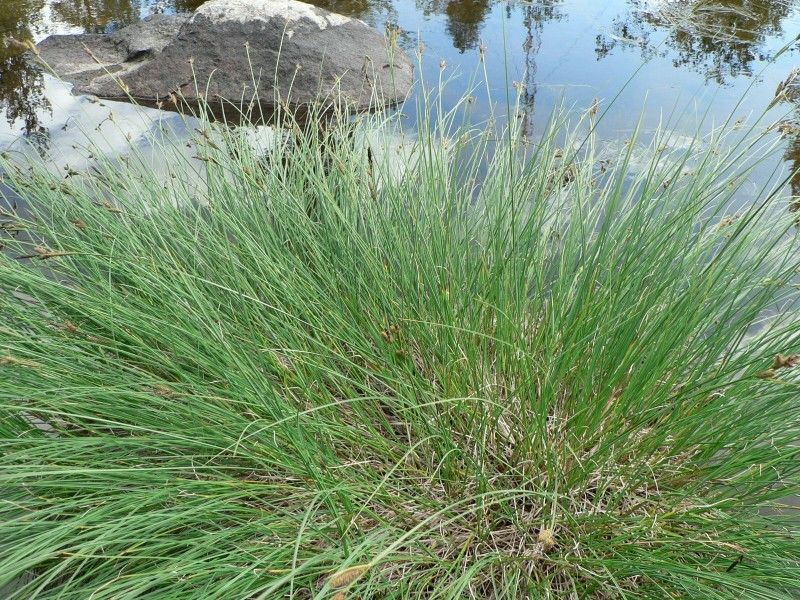
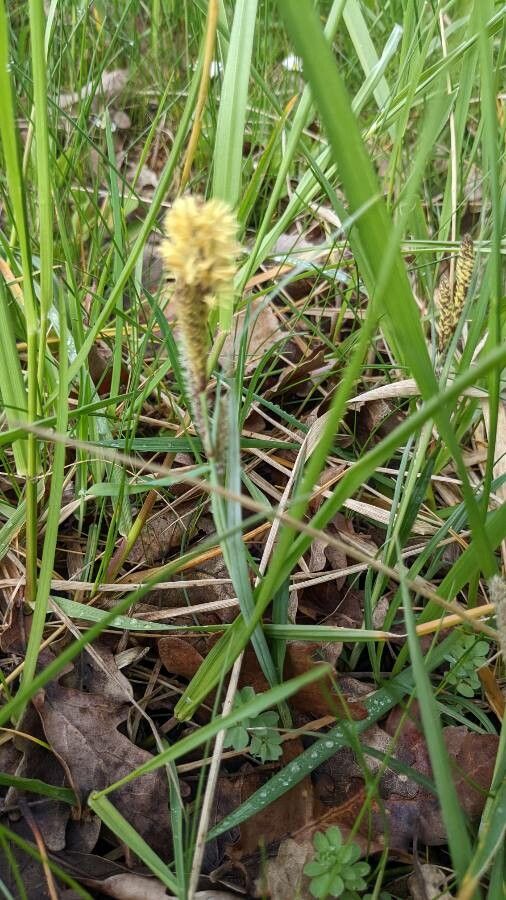
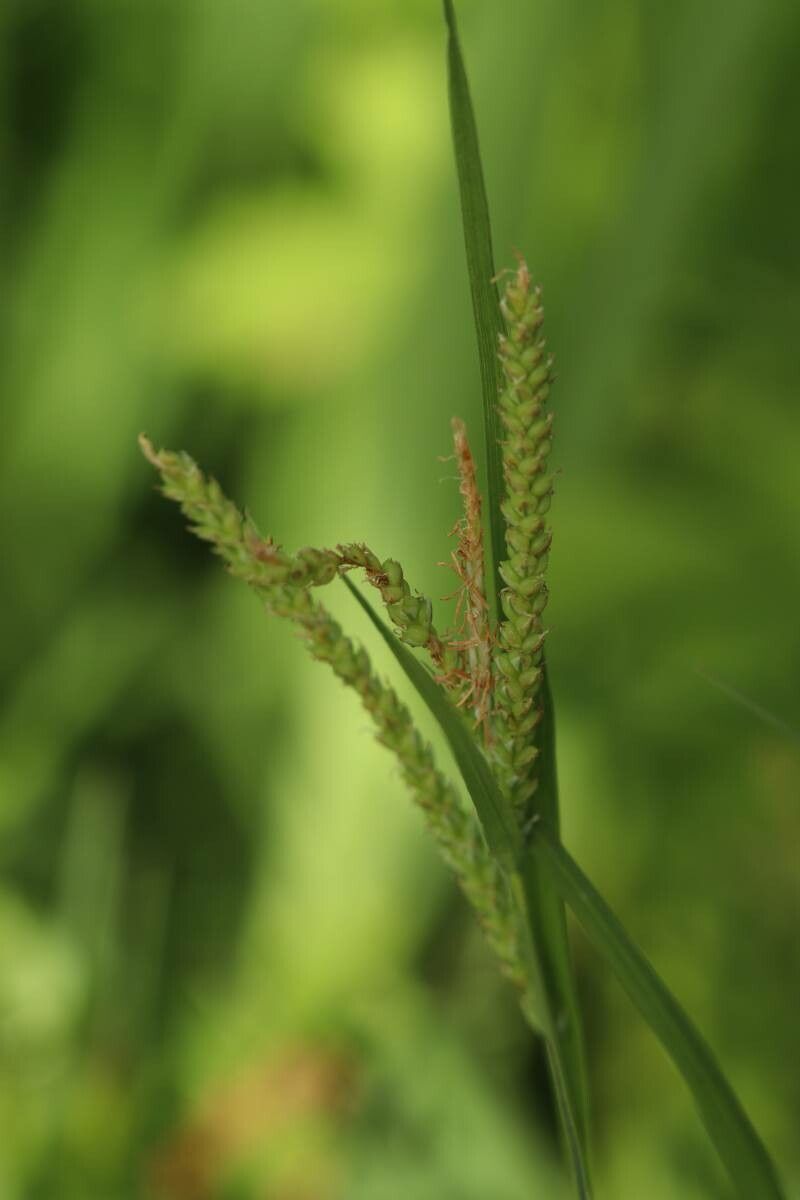
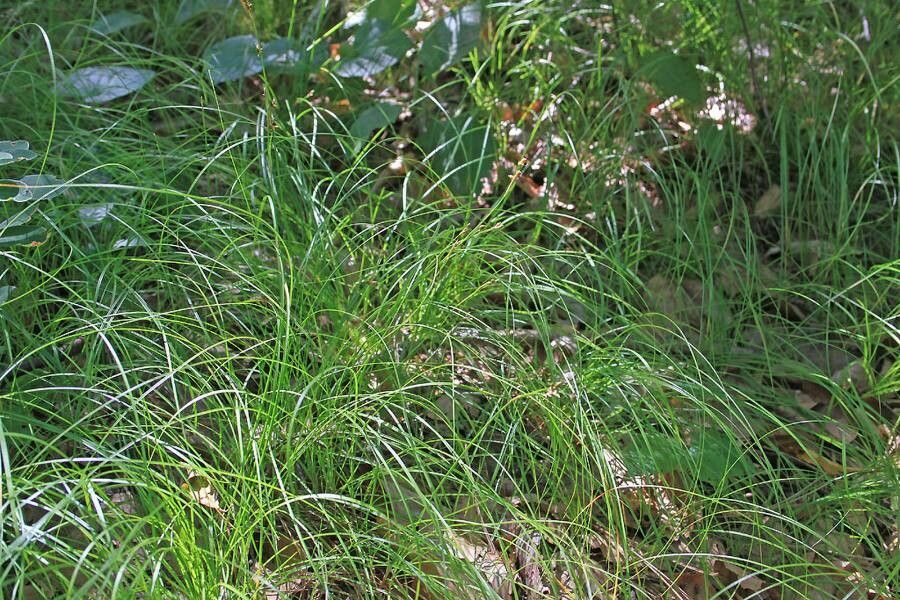
Carex cespitosa (Tuft carex) is a species of perennial sedge of the genus Carex which can be found growing in tufts (caespitose), as the Latin specific epithet cespitosa suggests. The name is synonymous with Carex cespitosa f. retorta.The species is able to hybridise with the common sedge (Carex nigra) to produce a plant 20–50 centimetres (8–20 in) tall, flowering from May to June. The species can be found in all of Scandinavia, ranging from common to rare, and central parts of Europe, becoming rare to the west and towards the Mediterranean, and including isolated locations in Great Britain and the Iberian Peninsula.The species is often found in a mosaic with other Carex, but can become almost entirely dominant. It grows in very moist soil.
Scarce tufted-sedge resists disease well and is generally not susceptible to illnesses. In terms of care, this plant is relatively low-maintenance. When grown outdoors it needs only minimal watering, and larger plants typically do not require pruning. Smaller plants, however, should be pruned after they finish blooming. Scarce tufted-sedge is appropriate for anyone with an outdoor area, such as a garden or deck, and does not demand extensive plant-care experience.
How to keep Carex Cespitosa.
Light
Scarce tufted-sedge occurs naturally in habitats like forest understories and rocky areas, where it grows in natural shade. It prefers partial sun but can adapt to both full sun and full shade, showing its versatile and hardy nature.
Water
Scarce tufted-sedge thrives in consistently moist soil and high humidity, although it can tolerate drought conditions. For optimal growth, it is best to water it once a week, ensuring the soil remains damp. Using rainwater in temperate climates aligns with its natural growth patterns and can also be beneficial.
Temperature
Scarce tufted-sedge can tolerate a wide range of temperatures, but its distribution may still be restricted by different combinations of water and heat. It does best in warm summer climates with sufficient rainfall or watering. Extended periods of cloudy, rainy weather or prolonged high temperatures can raise the chance of Scarce tufted-sedge dying. In winter, providing protection from cold can improve the plant's survival.
Fertilizer
Scarce tufted-sedge needs extra nutrients to encourage healthy new growth. In spring, putting some compost around the base of the plant can effectively supply the nutrition it requires. Fertilizing helps promote vigorous growth and aids the plant in resisting diseases and pests.
Pruning
Scarce tufted-sedge is a perennial sedge that requires minimal pruning for optimal growth. To promote its health, remove any dead foliage in early spring. Light pruning helps maintain its shape and improve airflow, which reduces the risk of disease. Regularly removing old culms also enhances the plant's overall health and appearance.
Botanical profile.
- Plant Type
- Grass
- Life Cycle
- Perennial
- Genus
- Carex
- Family
- Cyperaceae
- Hardiness Zone
- 3-9
- Mature Height
- 30 cm to 76 cm
- Mature Spread
- 30 cm to 61 cm
- Leaf Color
- Green, Dark Green
- Leaf Type
- Evergreen
- Flower Color
- Yellow, Purple, Green, Brown
- Flower Size
- 0.20 cm to 0.51 cm
- Bloom Time
- Mid spring, Late spring
- Planting Time
- Spring, Summer, Autumn
- Harvest Time
- Early summer, Mid summer
- Native Area
- Turkey, Sweden, Austria, Slovakia, Montenegro, Slovenia, Croatia, Belarus, Russia, Germany, Estonia, Koppen, South Korea, Latvia, Romania, Netherlands, France, Czech Republic, Armenia, Poland, Ukraine, Serbia, Lithuania, Norway, Italy, Kazakhstan, Spain, Denmark, Japan, Mongolia, Finland, Albania, Azerbaijan, Hungary, Turkmenistan
Other names.
Reader questions.
What are the sunlight requirements for Scarce tufted-sedge (Carex cespitosa)?
Scarce tufted-sedge (Carex cespitosa) requires varying amounts of sunlight depending on the desired outcome. For full sun exposure, the plant should receive above 6 hours of sunlight daily. If aiming for partial sun, about 3-6 hours of sunlight is ideal. It's important to observe the way sunlight moves through your garden to find locations that offer a harmonious balance of light and shade, ensuring the plants thrive optimally.