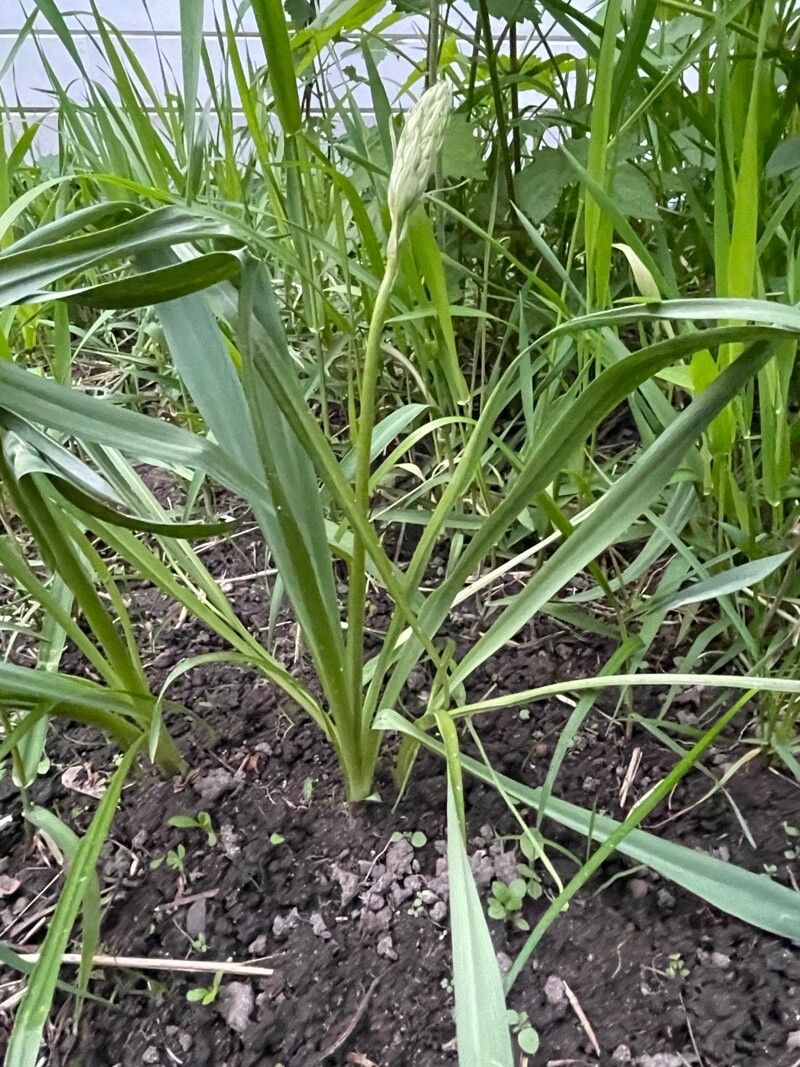
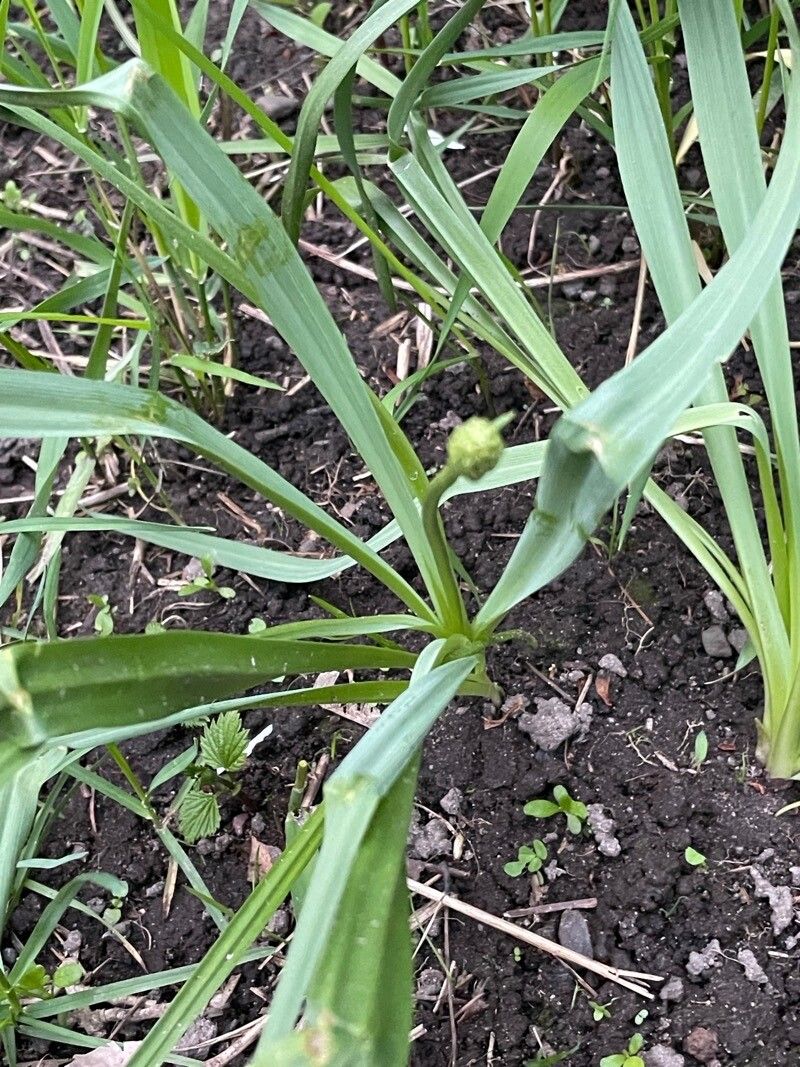
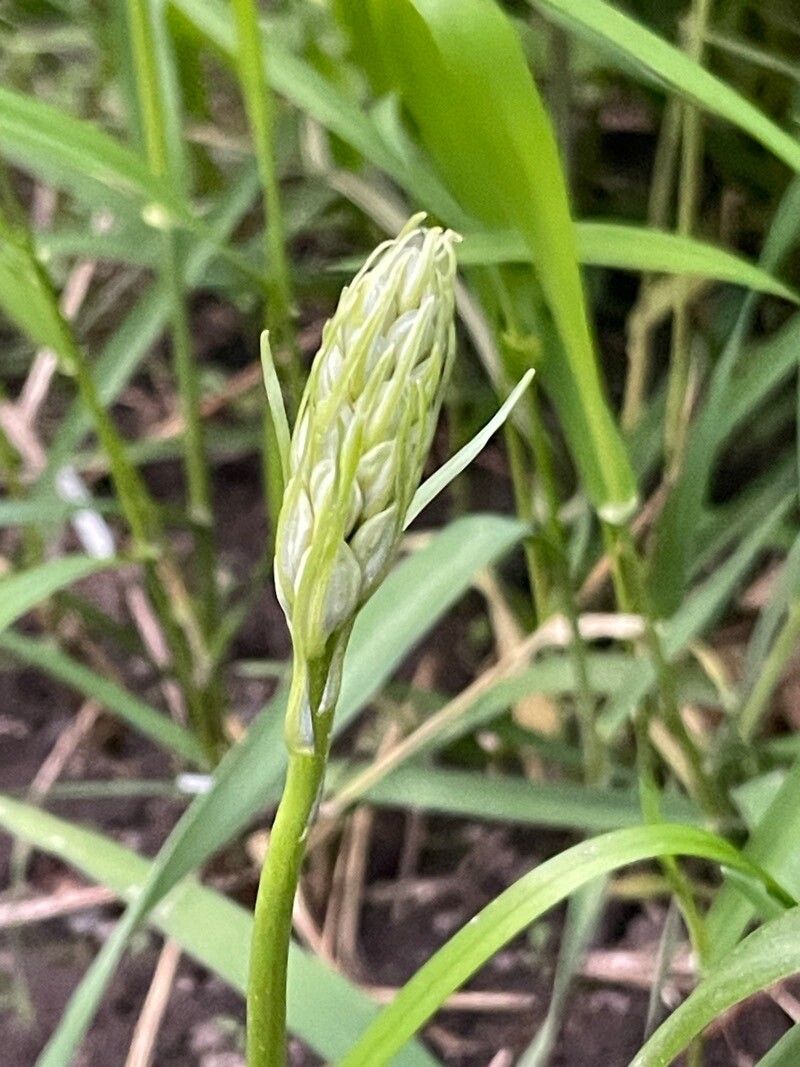
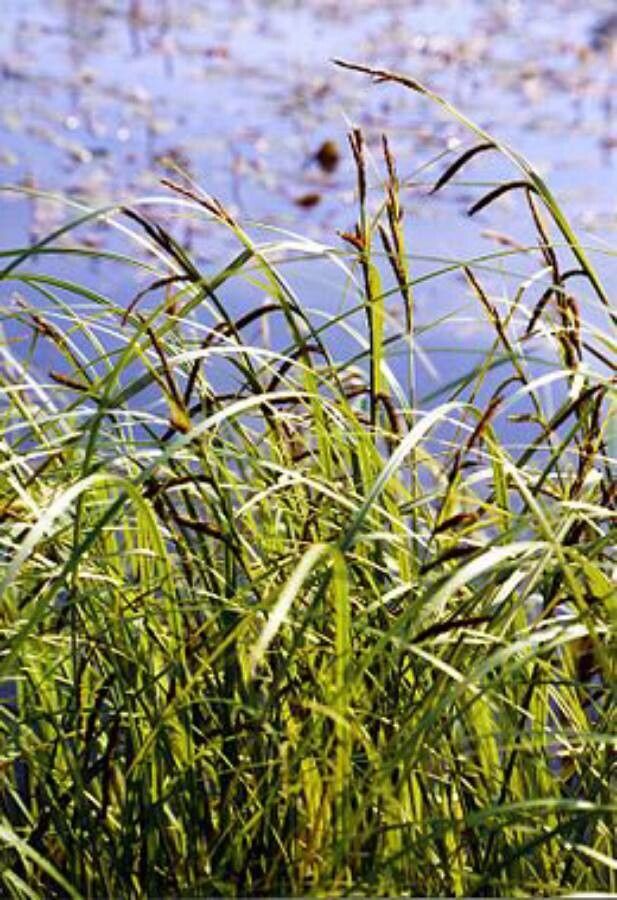
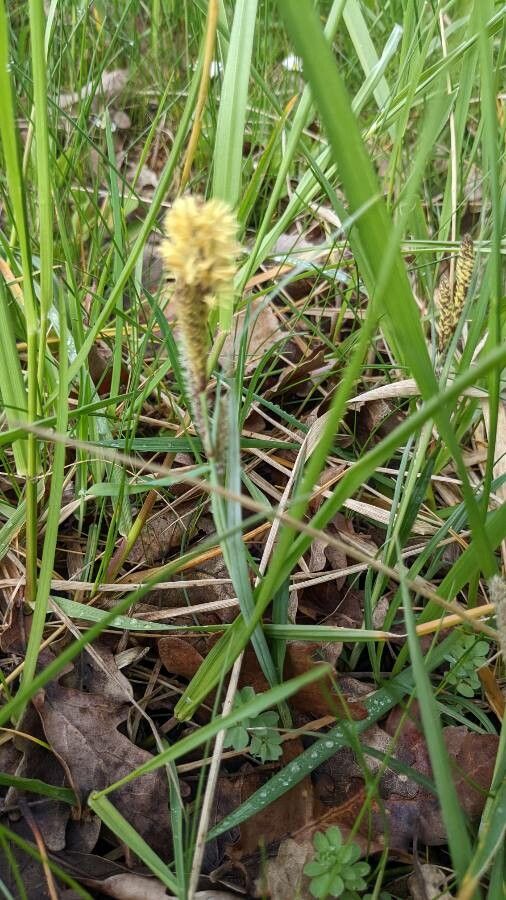
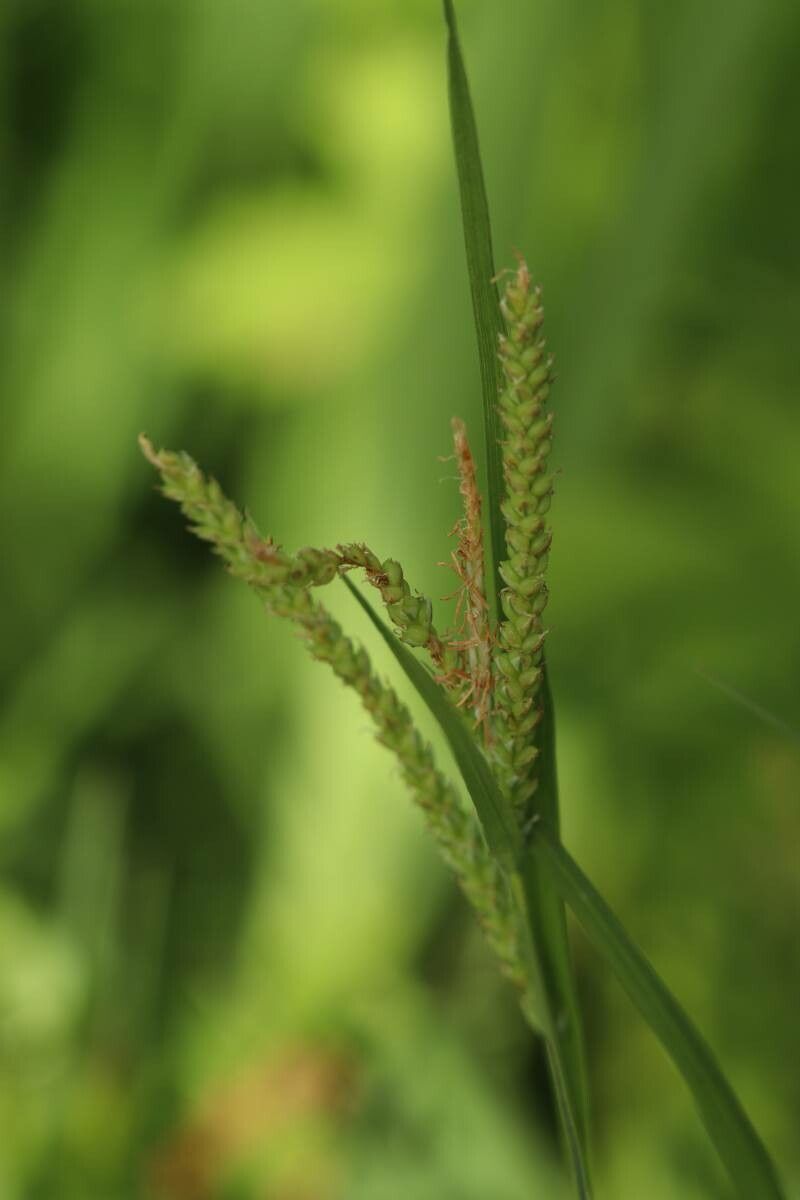
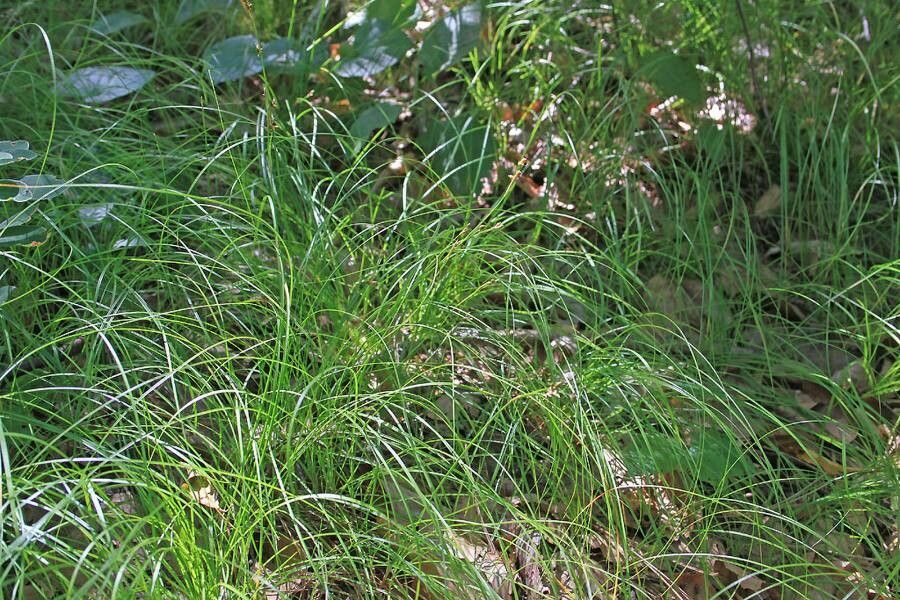
Carex deweyana Dewey's sedge, short-scale sedge, is a species of sedge native to Canada and the United States.
Dewey's sedge is fairly disease resistant and typically not prone to illnesses. However, it can be affected by pests and diseases present in its surroundings. Such infections are generally mild. Regarding care, the plant requires moderate maintenance. Regular pruning is necessary to maintain a neat appearance and encourage healthy growth. Applying fertilizer can also help promote flowering. Dewey's sedge is suitable for anyone with outdoor space, such as a garden or patio, and does not demand extensive care experience. It may need more attention when grown indoors.
How to keep Carex Deweyana.
Light
Dewey's sedge naturally occurs in habitats like forest understories and rocky areas, where it grows in natural shade. It prefers partial sun but can adapt to full sun or full shade, reflecting its versatile and hardy nature.
Water
Dewey's sedge, a plant native to moist woodlands, thrives in consistently damp soil. It benefits from being watered weekly to keep the soil moist without becoming waterlogged. While typically grown outdoors, this plant also gains advantages from mulching, which helps retain moisture and mimics the natural leaf litter of its native habitat.
Temperature
Dewey's sedge can tolerate a wide range of temperatures, but its distribution may still be restricted by different combinations of moisture and heat. It does best in warm summer climates with adequate rainfall or irrigation. Extended periods of cloudy, rainy weather or prolonged high temperatures can raise the chance of Dewey's sedge dying. In winter, protecting the plant from cold can increase its survival rate.
Fertilizer
Dewey's sedge needs extra nutrients to encourage healthy new growth. In spring, placing compost around the plant's base effectively provides the nutrition it requires. Fertilizing supports vigorous growth and helps the plant resist diseases and pests.
Pruning
To maintain a neat appearance and encourage robust growth in your garden, prune Dewey's sedge in early spring. Trim back last year's growth to improve air circulation, reduce the risk of disease, and promote healthy new shoots. Dewey’s sedge is known for its clump-forming habit, making this annual pruning an important step in its care.
Botanical profile.
- Plant Type
- Herb, Grass
- Life Cycle
- Perennial
- Genus
- Carex
- Family
- Cyperaceae
- Hardiness Zone
- 6-10
- Mature Height
- 30 cm to 91 cm
- Mature Spread
- 20 cm to 40 cm
- Leaf Color
- Light Green, Pale Green
- Leaf Type
- Deciduous
- Flower Color
- Green
- Flower Size
- 0.20 cm to 0.25 cm
- Bloom Time
- Mid spring, Late spring
- Planting Time
- Spring, Summer, Autumn
- Harvest Time
- Early summer, Mid summer
- Native Area
- Japan
Other names.
Reader questions.
What are the ideal growing conditions for Dewey's sedge?
Dewey's sedge (Carex deweyana) is well-suited to adapt to a broad spectrum of temperature conditions, thriving optimally in warm climates with sufficient summer rainfall or watering. It possesses strong cold resistance, indicating that special frost protection measures are not typically necessary. However, the plant's distribution might be constrained by varying combinations of water and heat conditions. Cloudy, rainy weather, and prolonged high temperatures increase the risk of the plant dying. During winter, it's important to protect the plant against severe cold, especially if temperatures are expected to drop below -25°C, by using protective coverings like soil or straw and ensuring the soil stays moist before the first freeze.
How does low temperature affect Dewey's sedge, and what are the solutions?
Dewey's sedge is cold-tolerant and thrives best when the temperature stays above 10°C but should be kept above -15°C during the winter. If the temperature falls below -25°C, there may not be noticeable changes immediately, but a decrease in sprouting or even no sprouting could occur by springtime. To counteract the effects of low temperatures, it's recommended to remove any parts of Dewey's sedge that have failed to sprout in spring.
How does high temperature affect Dewey's sedge, and what are the remedies?
During the summer, it's essential to keep Dewey's sedge below 35°C to prevent stress from high temperatures. When temperatures exceed 41°C, the leaves may become lighter, curl, suffer from sunburn, and in extreme cases, the entire plant can wilt and dry out. To combat these symptoms, sunburned and dried parts should be trimmed away. Moving the plant to a shaded area during the harshest midday and afternoon sun or using shade cloth can protect it. Additionally, watering the plant in the morning and evening helps maintain soil moisture and supports the plant's health.