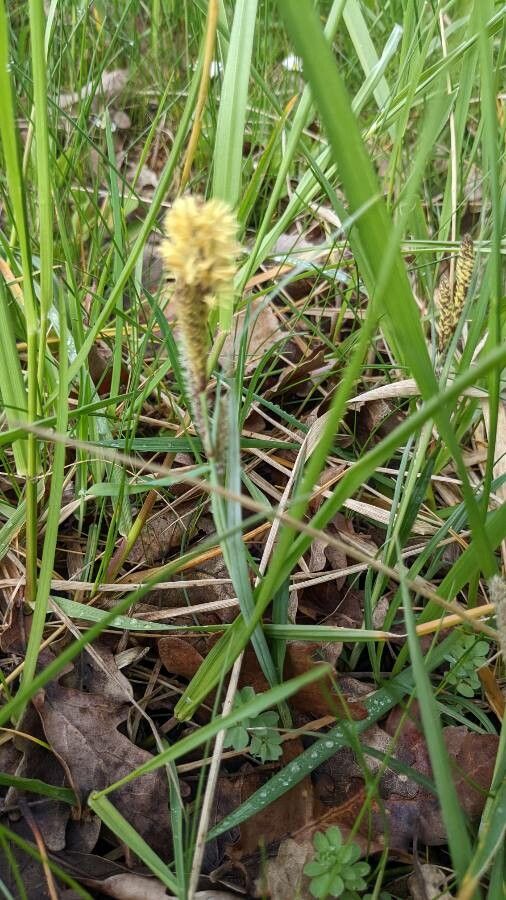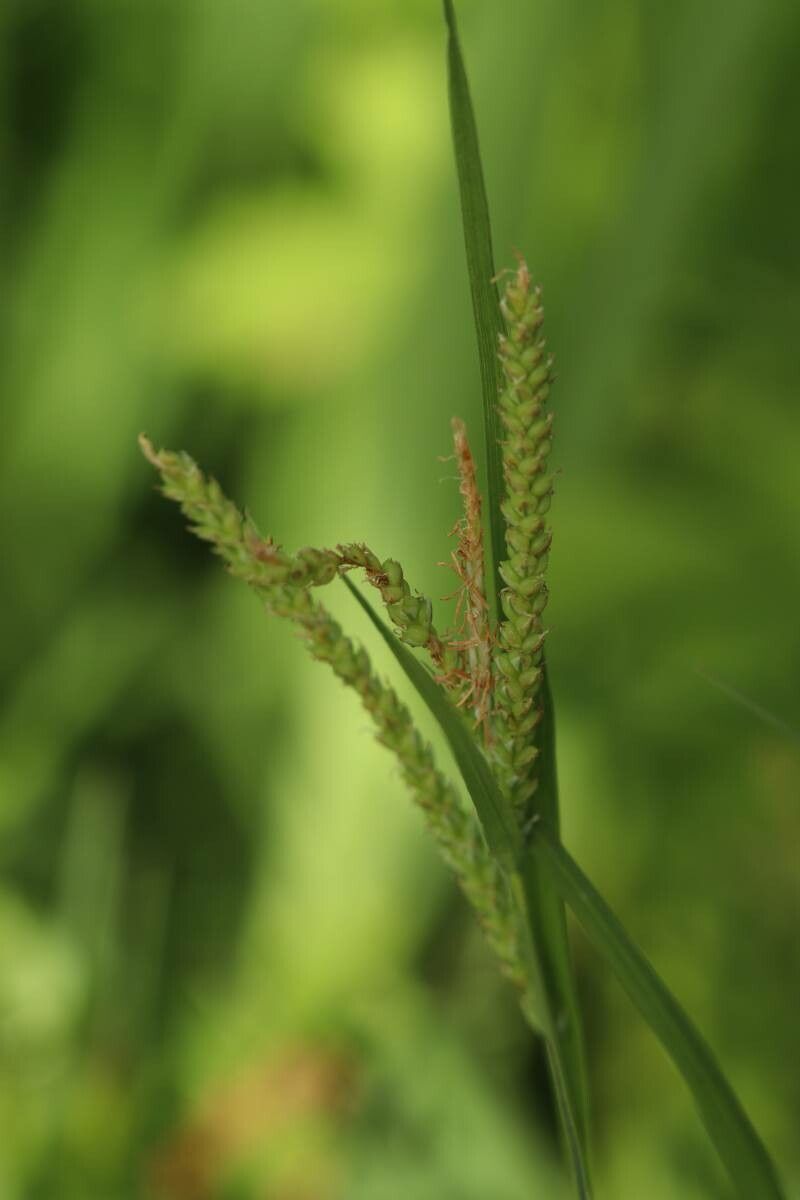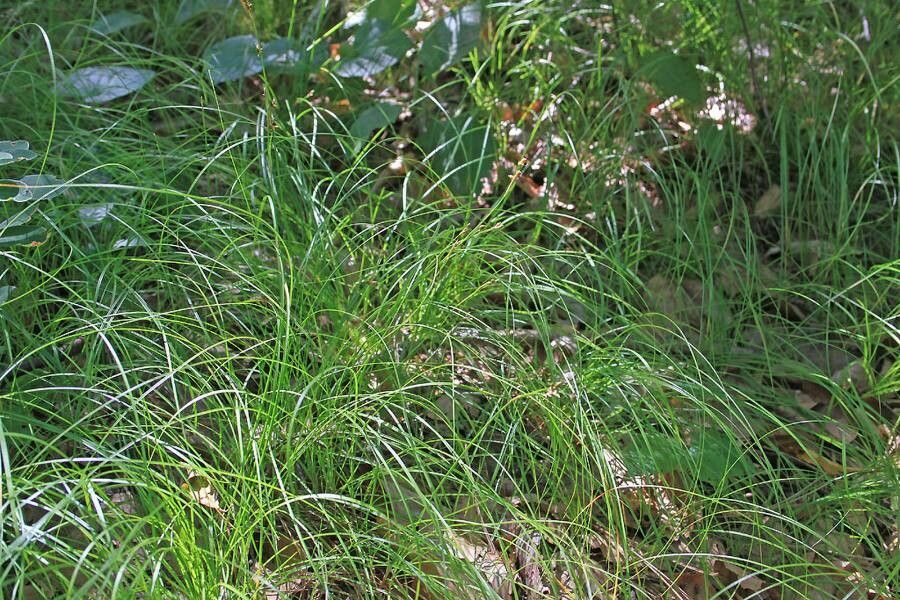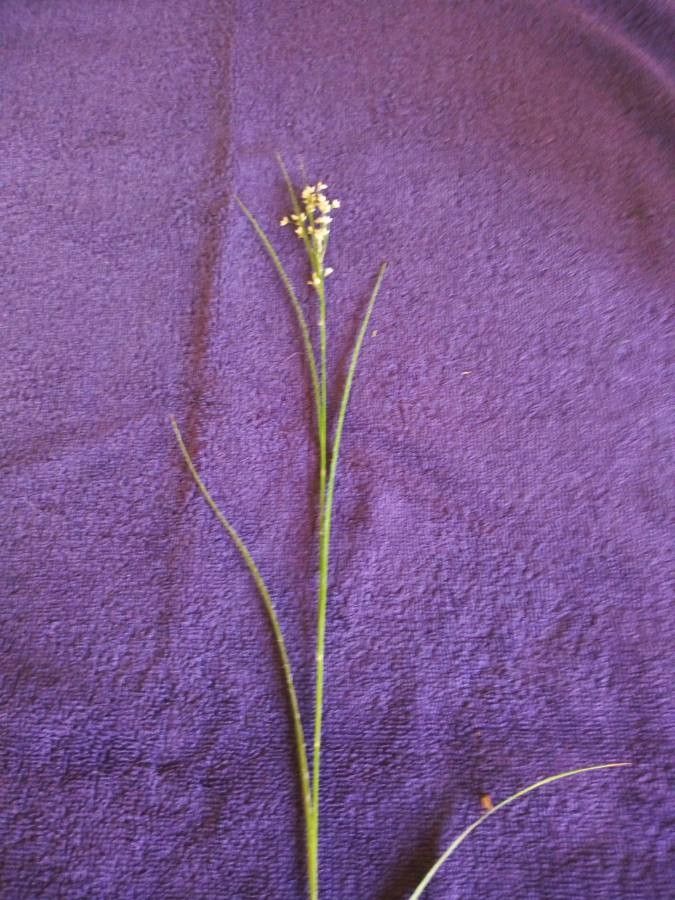
Carex disperma is a species of sedge known by the common names softleaf sedge or two-seed sedge. It is native to much of the northern Northern Hemisphere, from Alaska to Greenland, most of Canada and the contiguous United States, and across Eurasia.
Rosy sedge has solid resistance to disease and is generally not susceptible to illnesses. As for care, this plant is fairly low-maintenance. When grown outdoors it needs only light watering, and larger specimens usually do not require pruning. Smaller plants, however, should be pruned after they finish blooming. Rosy sedge is a good choice for anyone with an outdoor area, such as a garden or deck, and does not demand much gardening experience.
How to keep Carex Disperma.
Light
Rosy sedge is native to habitats like forest understories or rocky sites, where it receives natural shade. It prefers partial sun but can also tolerate full sun or full shade, showing its versatile, hardy nature.
Water
Softleaf sedge flourishes in moist woodland environments and prefers soil that remains consistently damp, though it can tolerate moderate drought conditions. To keep its foliage healthy, it is important to water it regularly, approximately once a week. This plant is best cultivated outdoors, where it can take advantage of natural light, humidity, and consistent rainfall, which makes it particularly well-suited for temperate climates.
Temperature
Rosy sedge can tolerate a wide range of temperatures, but its distribution may still be restricted by particular combinations of moisture and heat. It performs best in warm summer conditions with sufficient rainfall or watering. Extended periods of cloudy, rainy weather or prolonged high temperatures can raise the chance of Rosy sedge dying. In winter, providing proper protection from cold can enhance the plant's survival rate.
Fertilizer
Rosy sedge benefits from extra nutrients to encourage healthy new growth. In spring, applying compost around the base of the plant will effectively supply the needed nutrition. Fertilizing supports vigorous growth and helps the plant withstand diseases and pests.
Pruning
Softleaf sedge is a perennial plant characterized by its soft, narrow leaves. To promote health and density, prune it in early spring before new growth begins, removing any dead foliage. Be sure to clean your tools to prevent the spread of disease. By carefully managing its shape, you can enhance the plant's ornamental appeal and overall value in the landscape.
Pot & Repot
When repotting Rosy sedge, select a pot 1-2 inches (2.5–5.1 cm) larger with good drainage. Use a well-draining potting mix. Repot in spring or fall, making sure the root ball sits slightly below the rim of the flower pot. Water thoroughly after repotting and place it in a warm spot with indirect sunlight.
Botanical profile.
- Plant Type
- Grass
- Life Cycle
- Perennial
- Genus
- Carex
- Family
- Cyperaceae
- Hardiness Zone
- 4-8
- Mature Height
- 20 cm to 91 cm
- Mature Spread
- 30 cm
- Leaf Color
- Green
- Leaf Type
- Semi-evergreen
- Flower Color
- Yellow, Green, Purple
- Flower Size
- 2.54 cm
- Bloom Time
- Early spring, Mid spring
- Planting Time
- Spring, Autumn
- Harvest Time
- Late spring, Early summer
Other names.
Reader questions.
What are the sunlight requirements for Softleaf sedge?
Softleaf sedge thrives best in partial sun, which means it requires about 3-6 hours of sunlight a day. However, it can also tolerate full shade conditions, receiving less than 3 hours of sunlight daily. It's important to observe the movement of sunlight through your garden to identify the optimal spots that offer the right balance of light and shade, ensuring the plant's well-being.
What is the best climate for Softleaf sedge to thrive?
Softleaf sedge is adaptable to a wide range of temperatures, thriving particularly well in warm summer climates with adequate rainfall or proper watering. It possesses a strong cold resistance, making it generally robust against the winter cold without needing special frost protection measures. However, for optimal growth and survival, protecting it against extreme conditions such as prolonged rainy, cloudy weather, prolonged high temperatures in summer, and extremely low winter temperatures (below -25°C) is beneficial. Ensuring the soil remains moist before winter sets in can also help the plant during the colder months.
What is essential to know about Softleaf sedge's natural habitat and sunlight preferences?
Native to forest understories or rocky areas, Softleaf sedge naturally grows in shaded environments. It prefers partial sun but is versatile enough to tolerate full shade, making it a flexible choice for various garden settings. For indoor plants where natural sunlight is limited, artificial lighting can be used to supplement growth, with recommendations on light intensity based on the plant's natural sunlight needs.
How should Softleaf sedge be protected in winter?
Even though Softleaf sedge is quite cold-resistant and usually does not require special frost protection, measures should be taken when temperatures are expected to drop below -25°C. To protect the plant, you can cover it with soil or straw to provide insulation. Additionally, watering the plant abundantly before the first freeze of autumn to ensure the soil remains moist can help the plant endure the winter and early spring by preventing drought and water scarcity.
How should artificial lighting be used for Softleaf sedge indoors?
When natural sunlight is insufficient for Softleaf sedge indoors, especially during winter or in less sunny spaces, artificial lighting can provide the necessary support for healthy growth. LED lights are recommended because they can be customized to offer specific wavelengths needed by the plant. Depending on whether the plant needs full sun, partial sun, or full shade, the artificial light intensity required ranges from 10 to 50W/sq ft. The light source should be placed 12-36 inches above the plant, mimicking natural sunlight for 8-12 hours per day.
What are the symptoms of Softleaf sedge being affected by low temperatures, and how can they be treated?
Softleaf sedge is cold-tolerant, thriving best when the temperature stays above 5°C and should ideally be kept above -20°C during winter. Should the temperature drop below -25°C, the plant may not show immediate adverse signs, but there could be a noticeable reduction in sprouting or even complete failure to sprout come springtime. The treatment for this issue involves removing any parts of the plant that have failed to sprout in the spring.
What are the symptoms of insufficient light in Softleaf sedge?
When Softleaf sedge does not receive enough light, it may exhibit several symptoms such as smaller new leaves, leggy or sparse growth, early leaf drop, slower growth or halted growth, paler new leaves, chlorosis (yellowing of leaves), sunscald, leaf curling, wilting, and leaf scorching. These symptoms indicate the plant is struggling with light deficiency and needs better light exposure.
What are the symptoms of Softleaf sedge being affected by high temperatures, and how can they be mitigated?
During summer, it is crucial to ensure that Softleaf sedge remains below 35°C. Temperatures exceeding 38°C can cause the leaves to lighten in color, curl, become susceptible to sunburn, and, in severe cases, lead to the plant wilting and drying out. To mitigate these symptoms, trim away the sunburned and dried-up parts of the plant. Moreover, relocating the plant to a shadier location or providing shade during the midday and afternoon sun can be very helpful. Keeping the soil moist with morning and evening waterings can also prevent these high-temperature stress symptoms.
How can I address insufficient sunlight for my Softleaf sedge?
To combat insufficient sunlight for Softleaf sedge, gradually introduce the plant to sunnier spots by moving it closer to natural light each week. For large or immovable indoor plants, supplemental artificial light, such as from desk or ceiling lamps for at least 8 hours daily or professional grow lights, can provide necessary light. Outdoors, ensure to adapt plants gradually to sunnier locations to avoid sunburn. Reducing obstructions and transplanting to better-lit areas are practical solutions for ground plants. Remember, while parts of the plant that were previously affected may not recover, new growth should be healthy with improved light exposure.