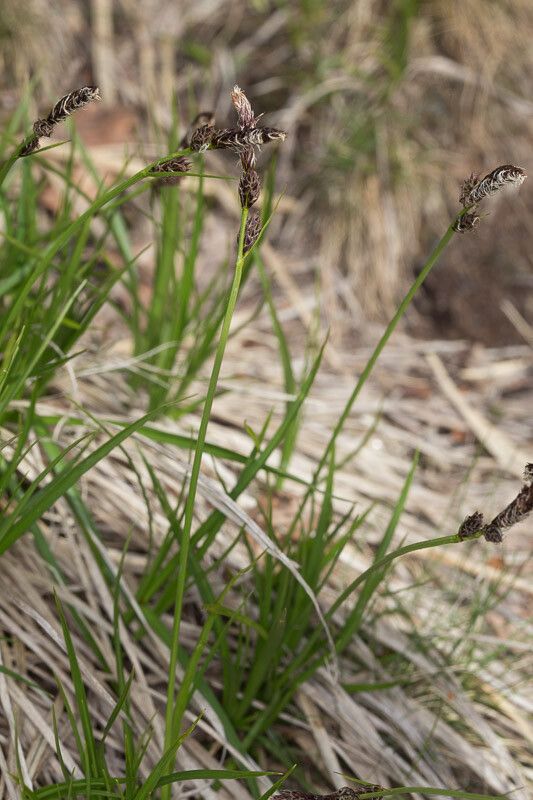
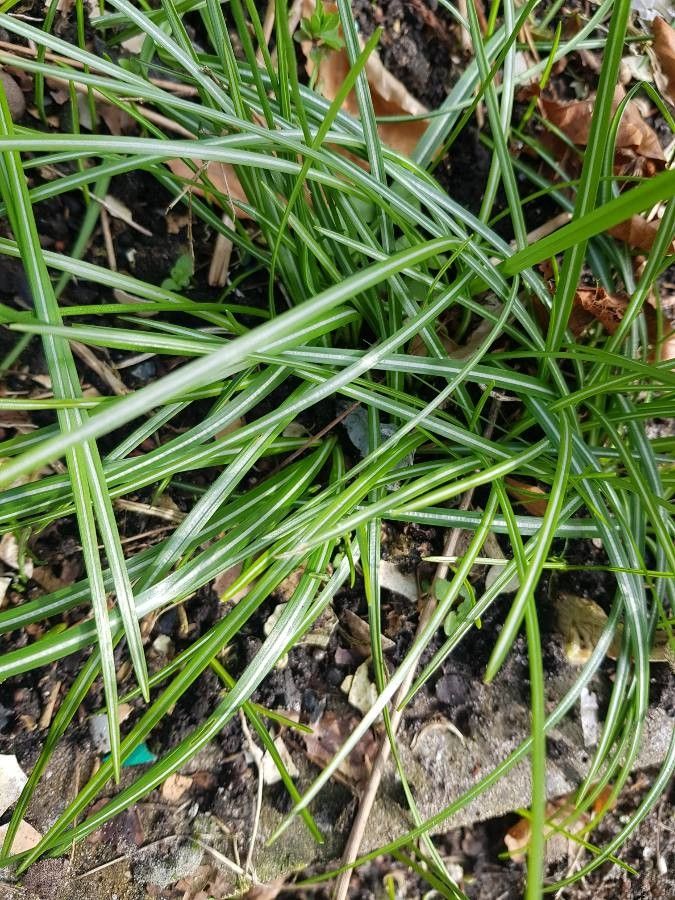
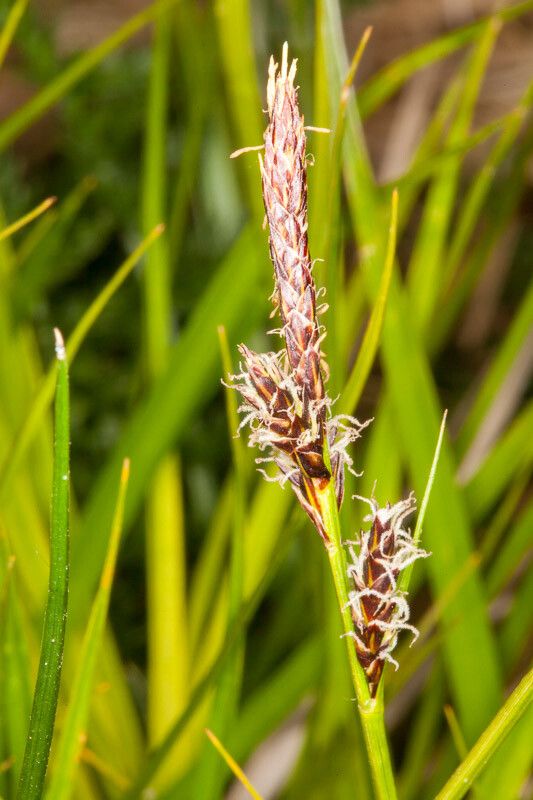
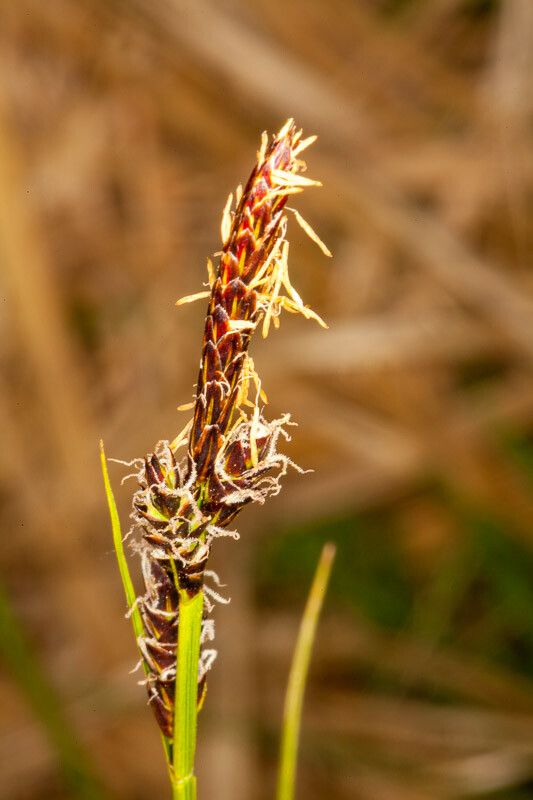
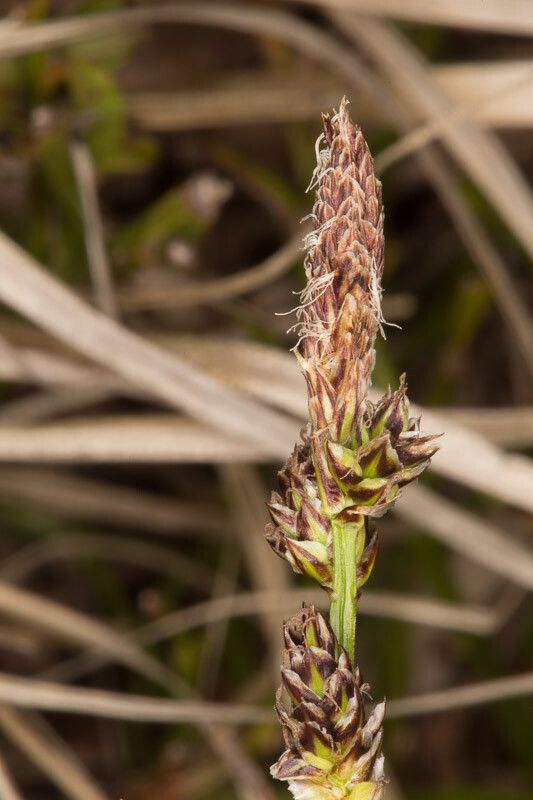
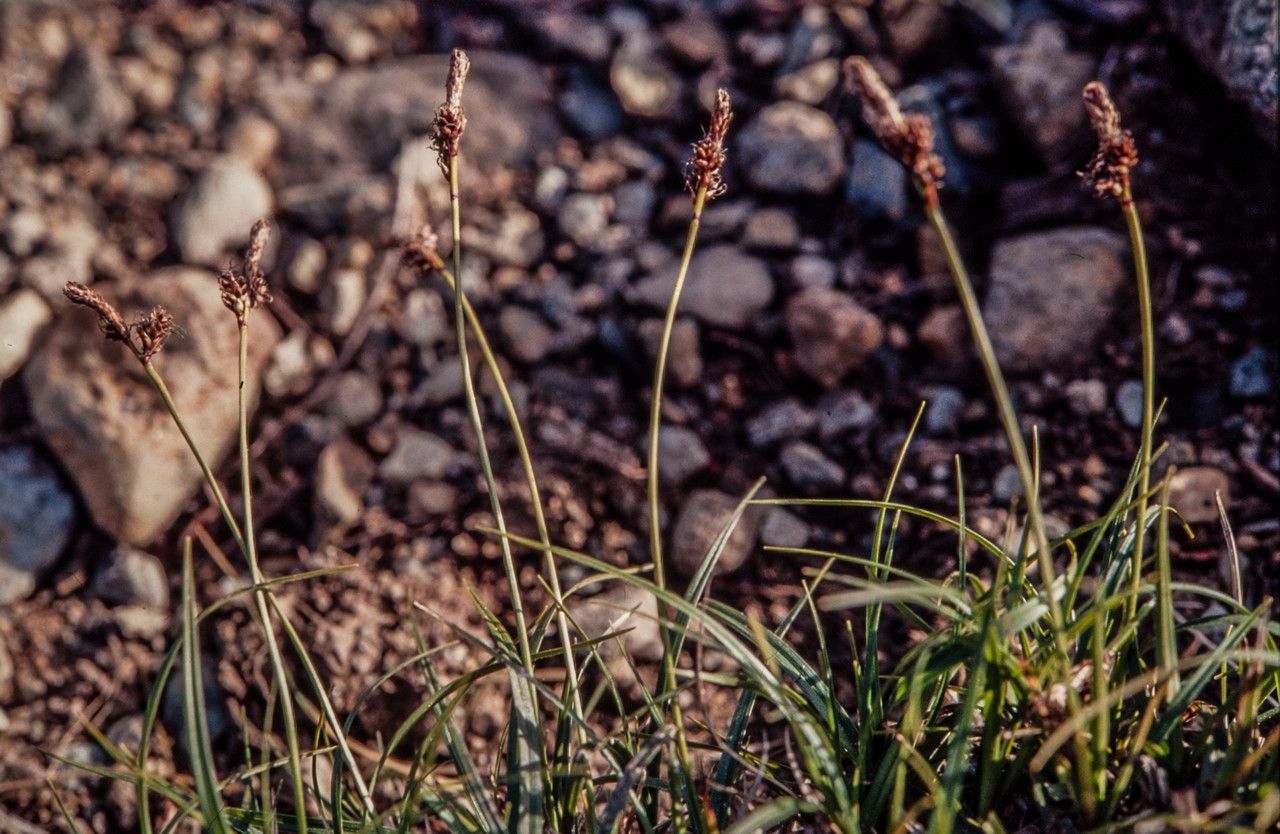
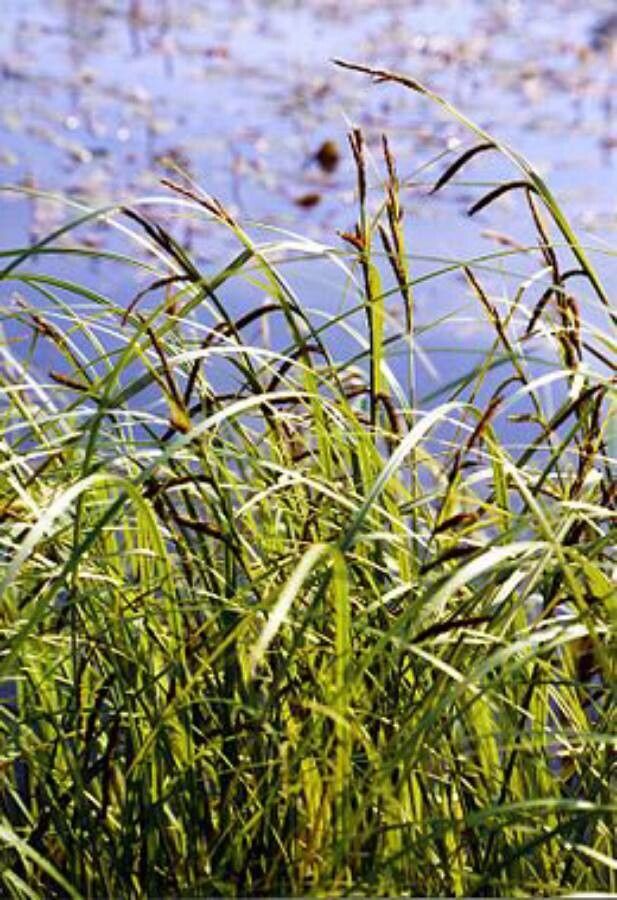
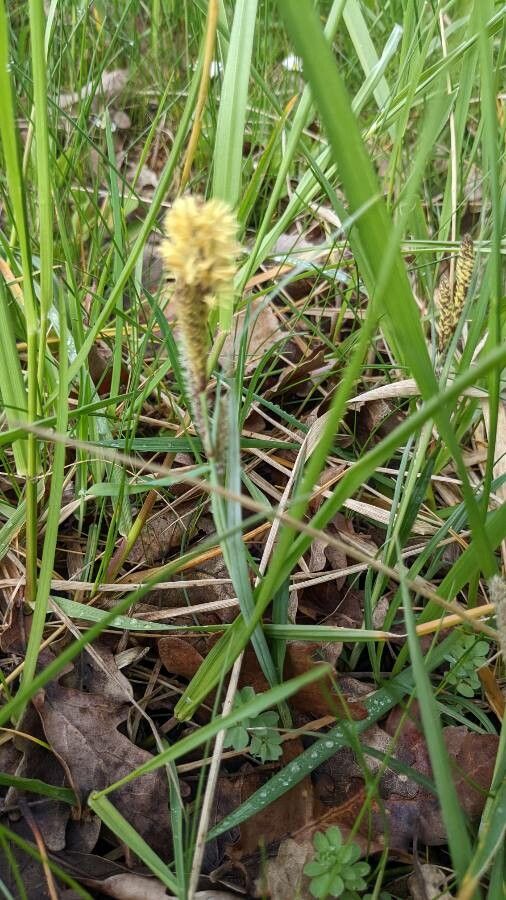
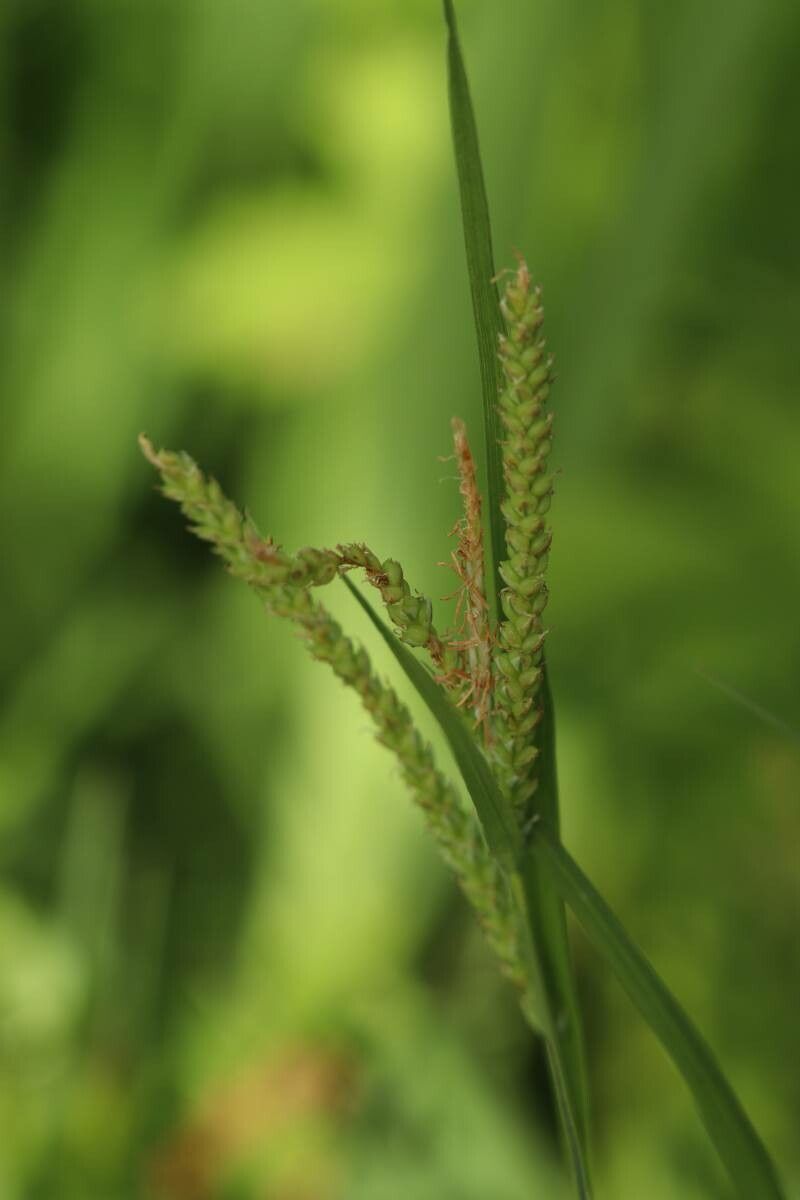
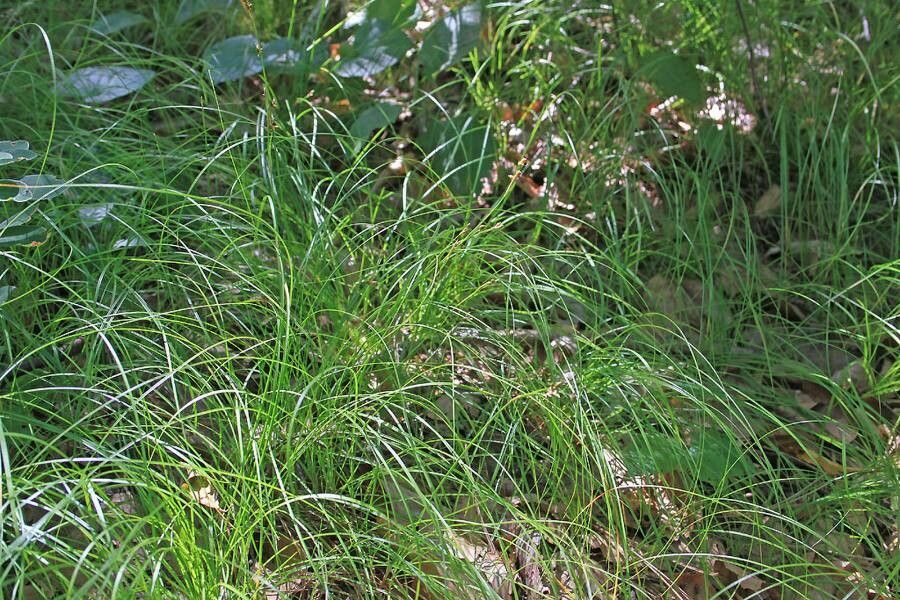
Carex ericetorum, known as rare spring sedge, is a perennial species of plants in the sedge family Cyperaceae native to central Europe and western Asia growing on calcareous soils in short grassland.
Rare spring sedge is resistant to disease and typically does not develop health problems. In terms of care, the plant is fairly low-maintenance. When grown outdoors it needs only light watering, and larger specimens usually do not require pruning. Smaller specimens, however, should be trimmed after they have finished blooming. Rare spring sedge is suitable for anyone with outdoor space, such as a garden or a deck, and does not demand significant experience in plant care.
How to keep Carex Ericetorum.
Light
Rare spring sedge strongly prefers abundant sunlight. It grows best when frequently exposed to bright sun, although it can tolerate situations where the sun is intermittently hidden by clouds. Its native habitat, characterized by plentiful sunlight, fulfills these requirements. Both too much direct exposure and an insufficient amount of sunlight can be harmful to its health.
Water
The rare spring sedge thrives in moist, temperate environments and needs weekly watering to prevent waterlogging. It grows well in damp meadows and benefits from mulch, which helps retain moisture during the growing season.
Temperature
Rare spring sedge can tolerate a broad range of temperatures, yet its range may still be restricted by particular combinations of moisture and heat. It performs best in warm summer conditions with sufficient rainfall or irrigation. Extended stretches of cloudy, rainy weather or prolonged high temperatures raise the chances of Rare spring sedge dying. In winter, adequate protection from cold can increase the plant's survival rate.
Fertilizer
Rare spring sedge needs extra nutrients to encourage healthy new growth. Applying compost around the plant’s base in spring will effectively supply the required nutrition. Fertilizing supports vigorous growth and helps the plant resist diseases and pests.
Pruning
Prune rare spring sedge in early spring to encourage growth and maintain a neat appearance. Regular trimming helps create denser clumps and reduces the risk of disease. Use sterilized tools to make clean cuts and prevent infections. To maximize blooming, schedule your pruning before new growth starts.
Botanical profile.
- Plant Type
- Grass
- Life Cycle
- Perennial
- Genus
- Carex
- Family
- Cyperaceae
- Hardiness Zone
- 3-8
- Mature Height
- 10 cm to 30 cm
- Mature Spread
- 15 cm to 25 cm
- Leaf Color
- Green, Dark Green
- Leaf Type
- Semi-evergreen
- Flower Color
- Yellow, Green, Brown
- Flower Size
- 0.25 cm to 0.51 cm
- Bloom Time
- Early spring, Mid spring
- Planting Time
- Summer, Autumn
- Harvest Time
- Late spring, Early summer
- Native Area
- Sweden, Austria, Czech Republic, Slovakia, Bulgaria, Poland, Croatia, Slovenia, Belarus, Ukraine, Serbia, Russia, Lithuania, Norway, Hungary, Germany, Italy, Kazakhstan, Spain, Switzerland, Denmark, Estonia, Mongolia, Finland, France, Albania, United Kingdom, Romania, Latvia, Belgium, Netherlands
Other names.