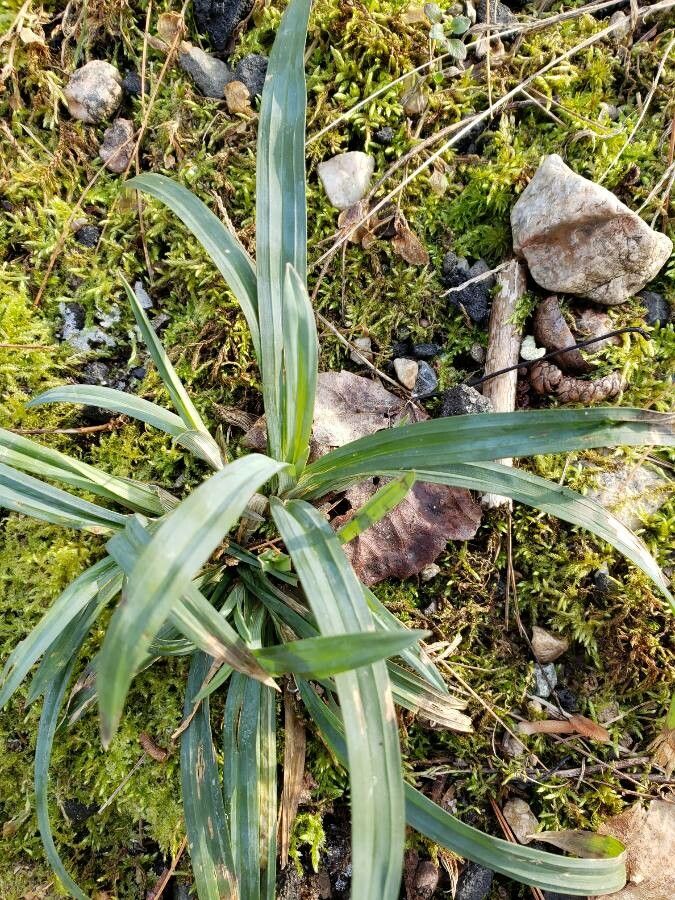
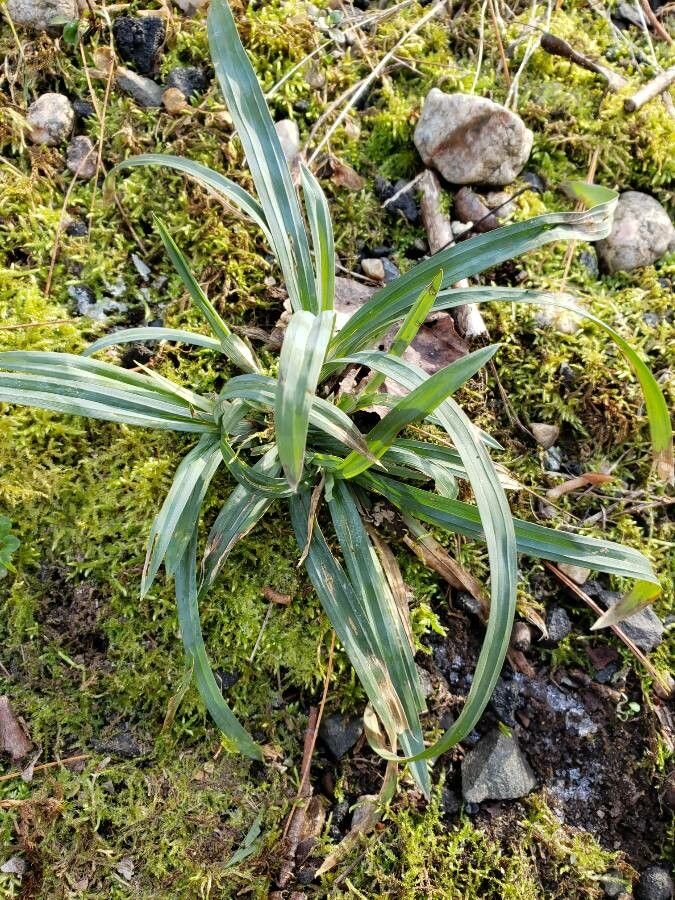
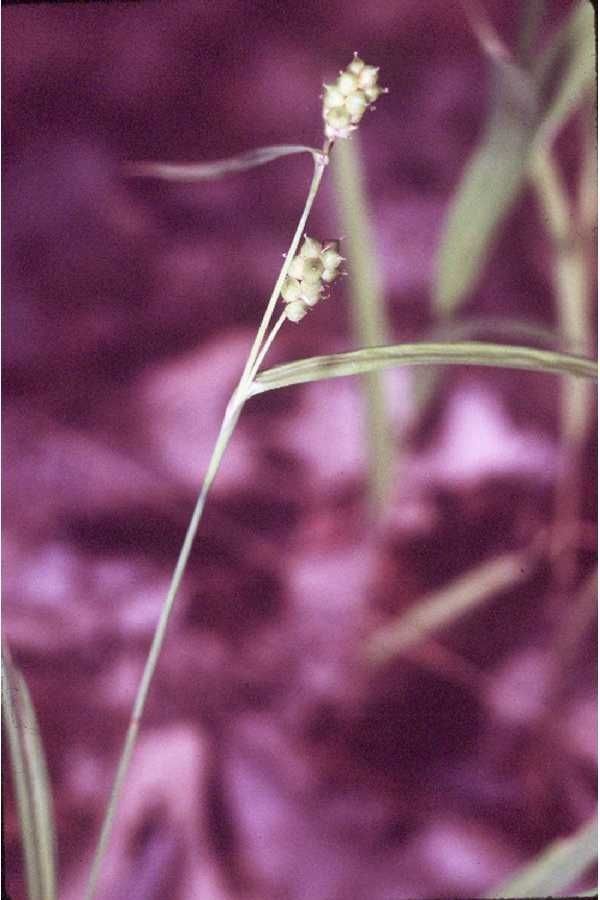
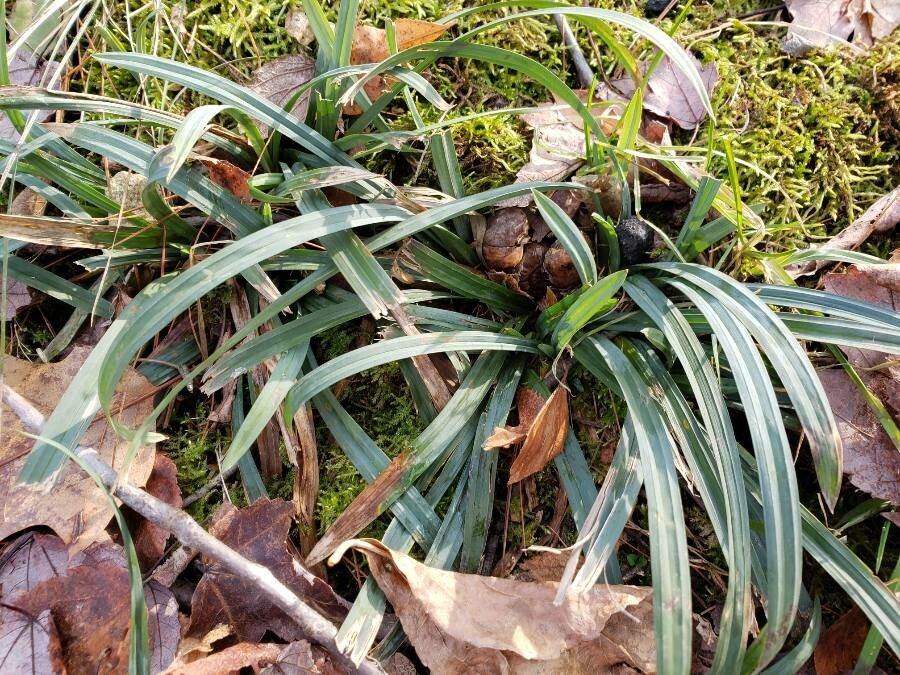
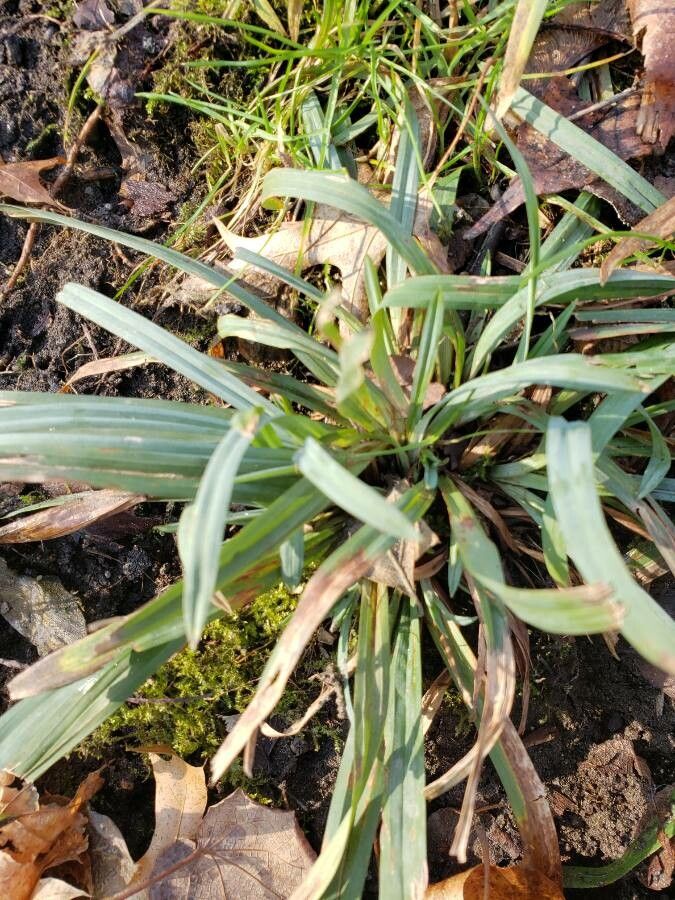
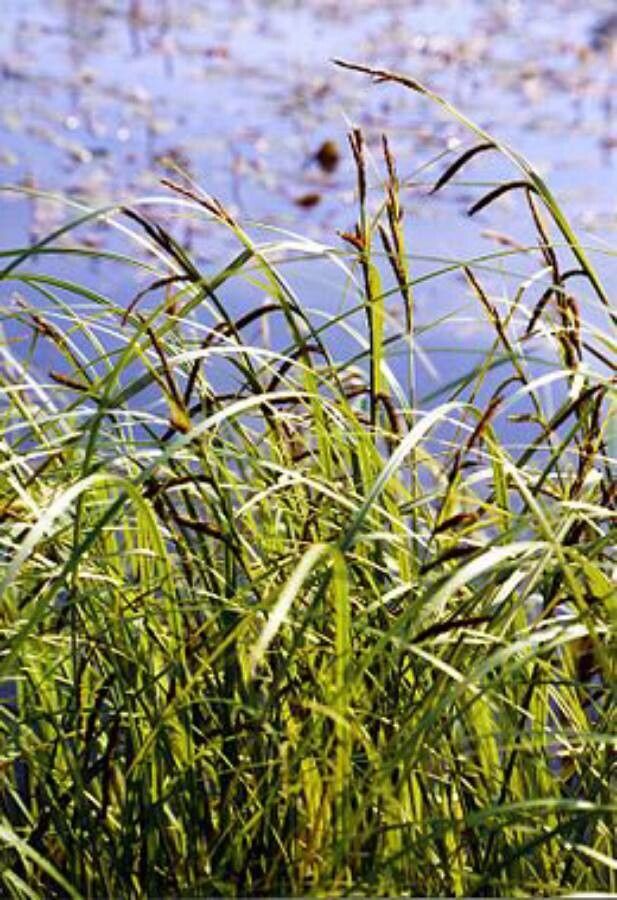
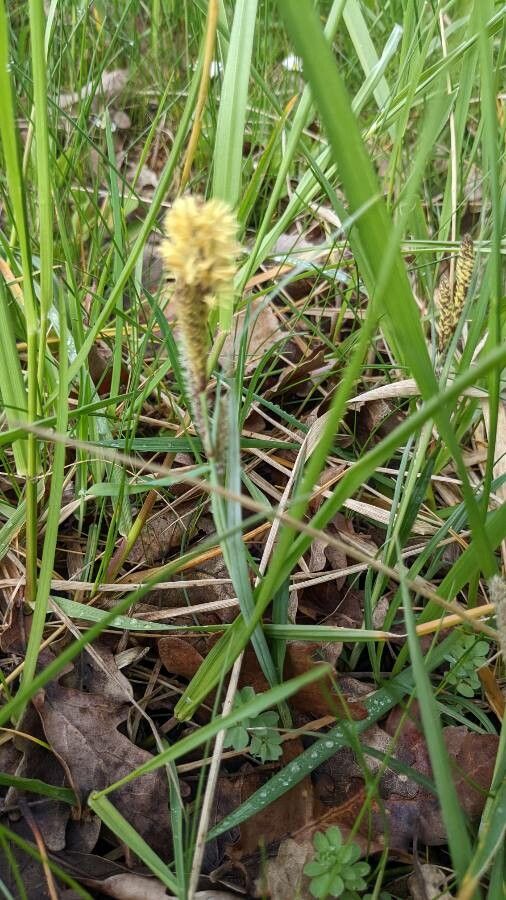
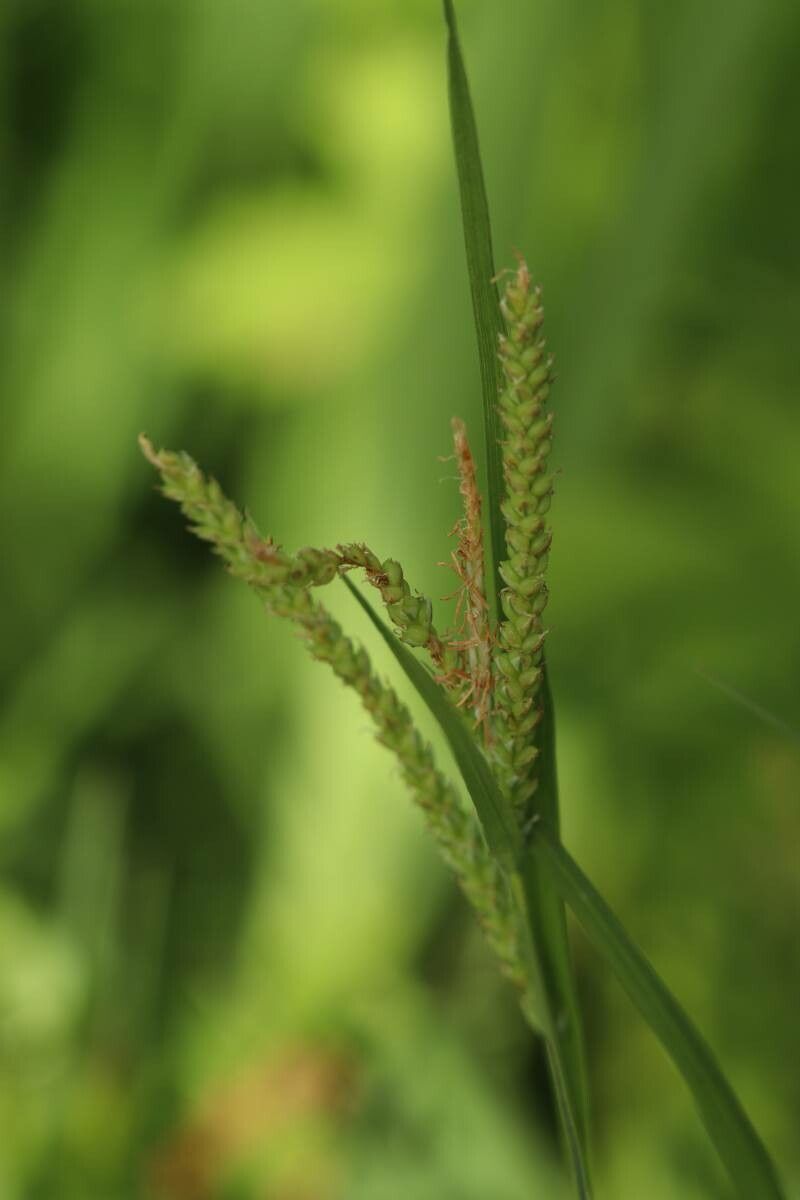
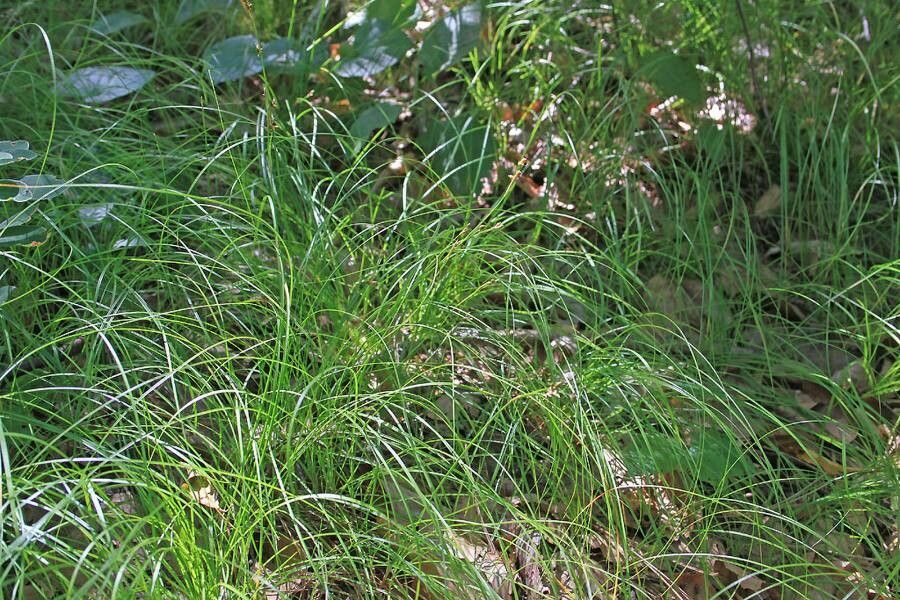
Carex flaccosperma, commonly known as blue wood sedge, is a perennial plant in the Cyperaceae family. Native to North America, it thrives in wetlands, meadows, and forests. This plant features a clumping growth habit with narrow, blue-green leaves that can reach up to 2 feet in height. Its small, inconspicuous flowers, which have brownish-green spikes, bloom from May to July.
Blue wood sedge prefers moist soil conditions but can tolerate some drought once established. Its deep root system makes it an excellent choice for erosion control, as it helps stabilize soil on slopes and near waterways. Additionally, Carex flaccosperma provides habitat for wildlife, offering cover and nesting sites for birds and small mammals.
Overall, this low-maintenance plant enhances the beauty of various landscapes, including rain gardens and naturalized areas, while also providing significant ecological benefits.
In 1754, Lin Nai established the genus known as "true sedge." This plant is a significant component of China's flora and is the dominant grass species in the lowest layer of many forests. In some areas, true sedge makes up most of the lower vegetation. FUN FACT · FROM THE LIBRARY
Thin-fruit sedge has good resistance to disease and is generally not susceptible to illnesses. As far as care goes, this plant is fairly low-maintenance. Planted outdoors, it needs only light watering and larger plants typically do not require pruning. Smaller plants, however, should be pruned after they finish blooming. Thin-fruit sedget is appropriate for anyone with outdoor space, like a garden or deck, and does not demand much prior care experience.
How to keep Carex Flaccosperma.
Light
Thin-fruit sedge is native to habitats such as forest understories or rocky areas, where it occurs in natural shade. It prefers partial sun but can tolerate full sun or full shade, demonstrating its versatile and hardy nature.
Water
Thin-fruit sedge thrives in humid and moist environments, much like its native woodland origins. To keep this plant looking lush, it requires consistent moisture and should be watered twice a week. Using mulch is helpful for retaining moisture, as it mimics the natural layer of leaf litter found in its original habitat.
Temperature
Thin-fruit sedge can tolerate a broad range of temperatures, but its distribution may still be limited by various combinations of moisture and heat. It performs best in warm summer conditions with sufficient rainfall or watering. Extended periods of cloudy, rainy weather or prolonged high temperatures increase the chances of Thin-fruit sedge dying. In winter, protecting it from the cold can improve its survival.
Fertilizer
Thin-fruit sedge needs extra nutrients to encourage healthy new growth. In spring, placing some compost around the base of the plant will effectively supply the nutrition it requires. Fertilizing helps support vigorous growth and enables the plant to resist diseases and pests.
Pruning
To promote healthy growth in thin-fruit sedge, it's beneficial to prune the plant in early spring. By removing dead foliage, you encourage new growth. It's advisable to trim up to one-third of the plant to maintain its shape and health. This practice enhances air circulation, lowers the risk of disease, and ensures the plant remains healthy and attractive throughout the year.
Botanical profile.
- Plant Type
- Grass
- Life Cycle
- Perennial
- Genus
- Carex
- Family
- Cyperaceae
- Hardiness Zone
- 5-9
- Mature Height
- 15 cm to 30 cm
- Mature Spread
- 15 cm to 30 cm
- Leaf Color
- Green
- Leaf Type
- Evergreen, Semi-evergreen
- Flower Color
- White, Green, Cream
- Flower Size
- 0.20 cm to 0.51 cm
- Bloom Time
- Mid spring, Late spring
- Planting Time
- Spring, Summer, Autumn
- Harvest Time
- Early summer, Mid summer
Other names.
Reader questions.
What are the sunlight requirements for Thin-fruit sedge?
Thin-fruit sedge thrives in partial sun, receiving about 3-6 hours of sunlight daily, but it can also tolerate full shade, where it gets less than 3 hours of sunlight. It's native to environments like forest understories or rocky areas that usually have natural shade. When selecting a location for your garden, observe the movement of sunlight throughout the day to find spots that offer the right balance of light and shade, ensuring the plant's health and growth.
How can artificial lighting support Thin-fruit sedge indoors?
When natural sunlight is not enough, especially during winter or in less sunny indoor spaces, artificial lighting can be critical for the growth of Thin-fruit sedge. LED lights are recommended because they can be customized to provide specific light wavelengths needed by the plant. For full sun plants, 30-50W/sq ft is required, for partial sun plants 20-30W/sq ft, and for full shade plants 10-20W/sq ft. The light source should be placed 12-36 inches above the plant for 8-12 hours a day to mimic natural sunlight conditions effectively.
What are the symptoms of insufficient light for Thin-fruit sedge?
Thin-fruit sedge exhibits several symptoms when it does not receive adequate light. Look for smaller new leaves, leggy or sparse growth, faster leaf drop, slower or no new growth, lighter-colored new leaves, chlorosis (leaves turning yellow), sunscald (damage from intense light), leaf curling, wilting, and leaf scorching. These symptoms indicate that the plant is struggling with light conditions, impacting its health and growth.
What solutions are available for managing Thin-fruit sedge in different light conditions?
To optimize Thin-fruit sedge growth in various light conditions, gradually adjust its exposure to sunlight. For indoor plants, move them to sunnier spots weekly until they receive 3-6 hours of sunlight or use artificial lighting for at least 8 hours a day if the plant is large or immovable. Outdoors, adapt plants to sunlight gradually to prevent sunburn. Minimize obstructions like branches for outdoor plants, or consider transplanting smaller plants to sunnier locations during their dormant period. Note that parts of the plant damaged by insufficient sunlight may not fully recover, but new growth should be healthy with improved light exposure.