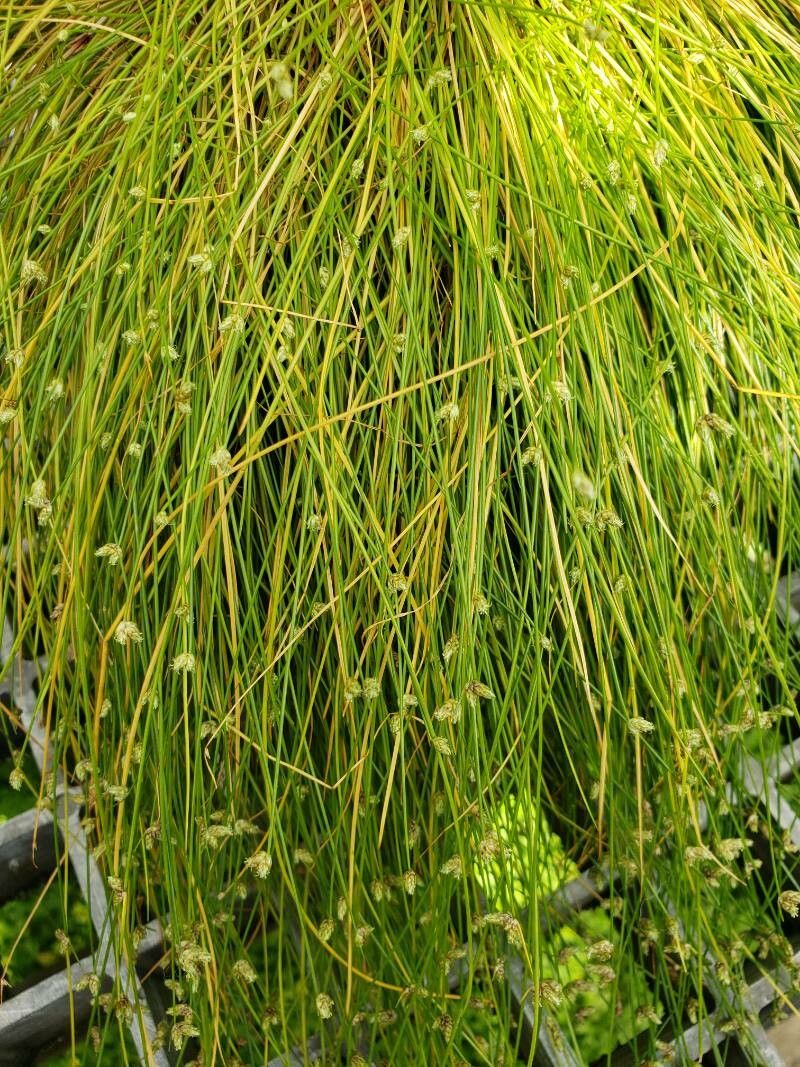
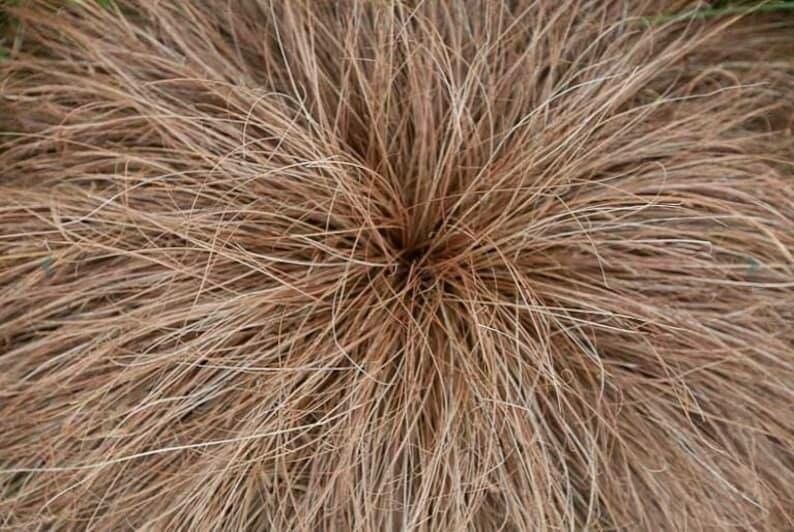
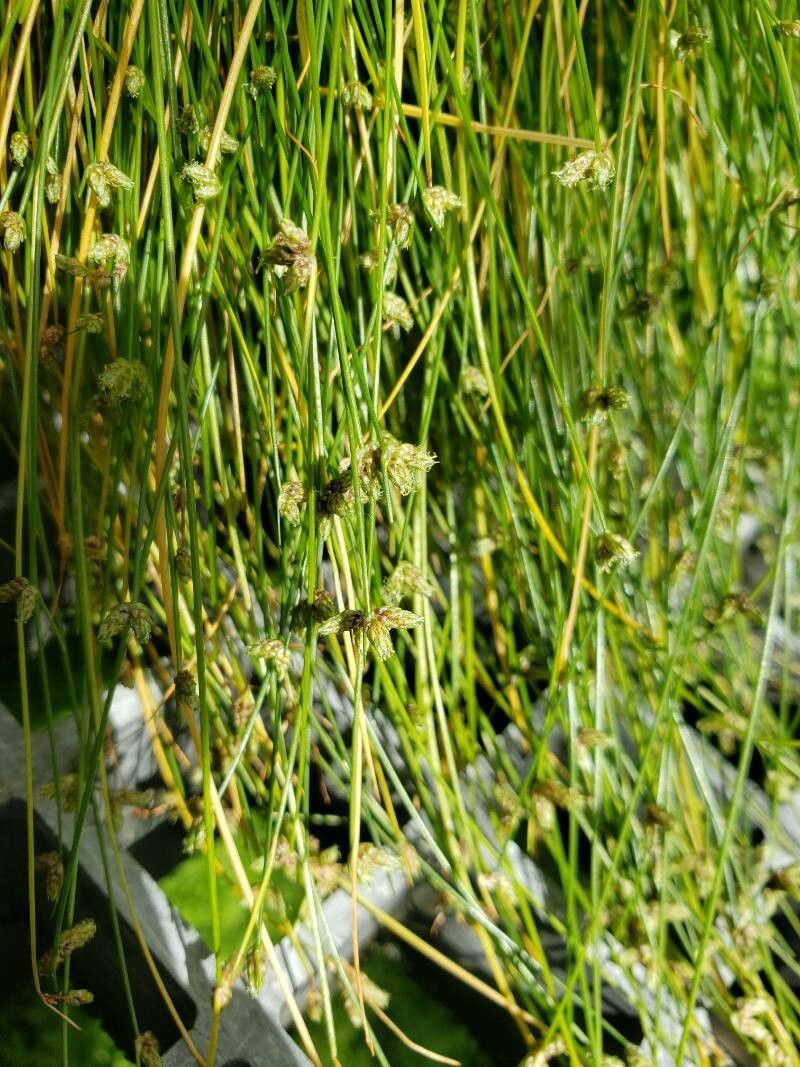
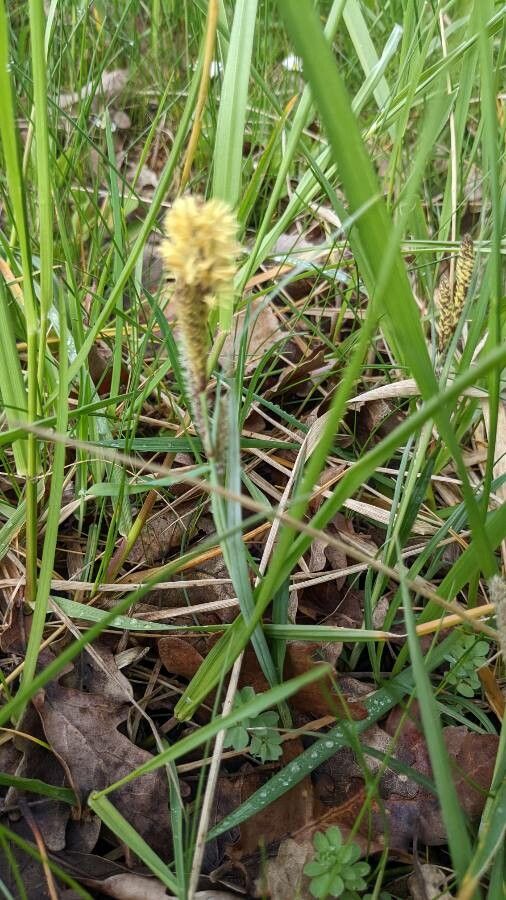
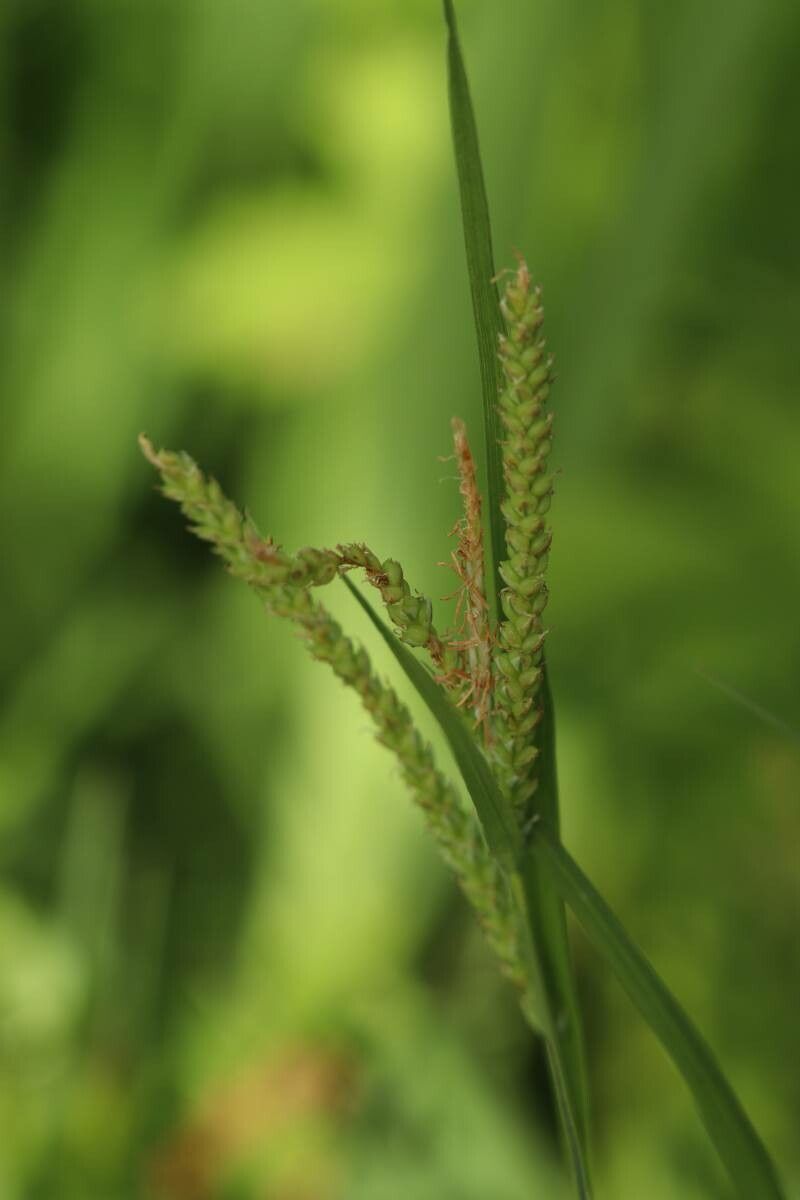
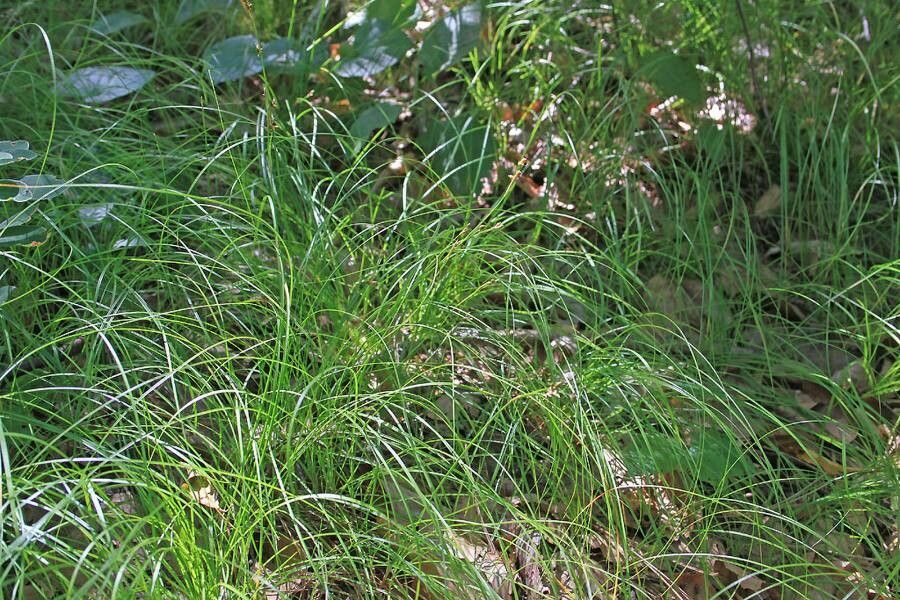
Carex flagellifera, the weeping brown sedge or Glen Murray tussock sedge, is a species of flowering plant in the family Cyperaceae.
Weeping brown sedge is resistant to many diseases and typically does not suffer from them. Nonetheless, it can be affected by pests and illnesses present in its surroundings. These problems are usually mild. In terms of care, this plant needs moderate maintenance. Regular pruning is required to keep a good appearance and support healthy growth. Fertilizing can also help encourage flowering. Weeping brown sedge is suitable for anyone with outdoor space, such as a garden or patio, and does not demand extensive care experience. It may need more attention when grown indoors.
How to keep Carex Flagellifera.
Light
Weeping brown sedge is a sun-loving, perennial herbaceous plant native to open habitats, frequently occurring in meadows and grasslands. It prefers full sun but can tolerate partial sun.
Water
Weeping brown sedge is moderately drought-tolerant and thrives in well-draining soil. It needs watering every 1-2 weeks. However, be careful not to overwater it, as this can harm its health. This is especially important during the growing season when maintaining consistent soil moisture is crucial for its adaptation to dry environments.
Temperature
Weeping brown sedge can tolerate a wide range of temperatures, although its distribution may still be restricted by different combinations of moisture and heat. It does best in warm summer climates with sufficient rainfall or watering. Extended periods of cloudy, rainy weather or prolonged high temperatures can raise the likelihood of Weeping brown sedge dying. In winter, adequate protection from cold can increase the plant's survival rate.
Fertilizer
One fertilizer application in spring is generally adequate for Weeping brown sedge, although repeated feedings can maximize growth. Apply fertilizer about once every month to month and a half. Fertilization improves the leaves’ appearance and function, helping maintain even color and a healthy texture. It also promotes root development and nutrient uptake for long-term plant health.
Pruning
Weeping brown sedge is a plant with fine, arching leaves that benefits from pruning in the spring, whether early or late. Pruning promotes healthy growth. To keep the plant vital and prevent overcrowding, it's important to regularly remove dead foliage. This also improves air circulation, reducing the risk of disease. Consistent maintenance ensures that weeping brown sedge remains robust and visually appealing.
Pot & Repot
When repotting Weeping brown sedge, choose a pot 1–2 inches (2.5–5.1 cm) larger with ample drainage. Use a well-draining potting mix. Repot in spring or fall, ensuring that the root ball sits slightly lower than the rim of the flower pot. Water thoroughly after repotting and place it in a warm spot with indirect sunlight.
Botanical profile.
- Plant Type
- Herb
- Life Cycle
- Perennial, Biennial
- Genus
- Carex
- Family
- Cyperaceae
- Hardiness Zone
- 7-10
- Mature Height
- 1.07 m
- Mature Spread
- 91 cm
- Leaf Color
- Red, Brown
- Leaf Type
- Evergreen
- Flower Color
- Brown
- Bloom Time
- Late spring, Early summer
- Planting Time
- Spring, Summer
- Harvest Time
- Mid summer, Late summer
- Native Area
- New Zealand
Other names.