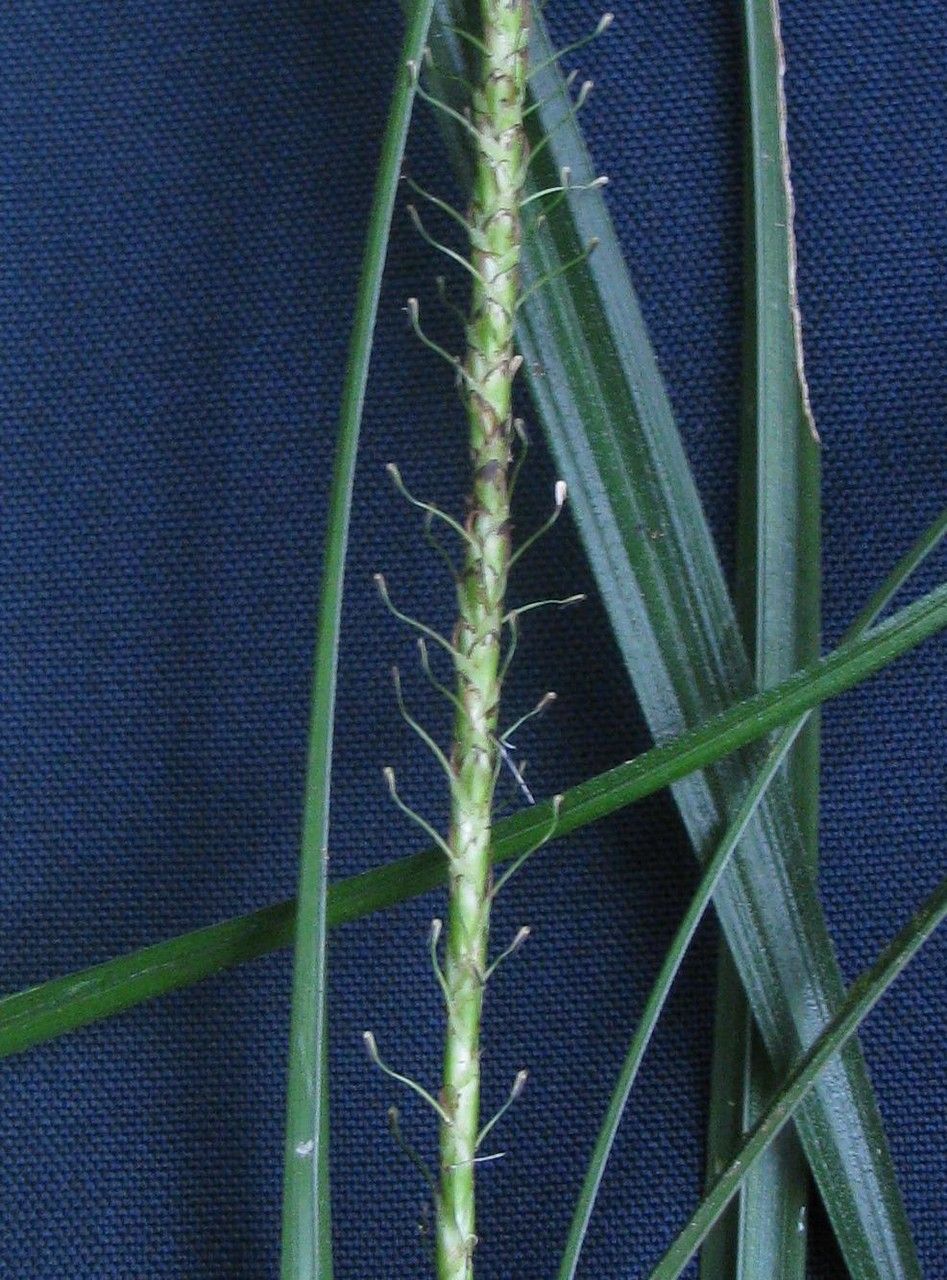
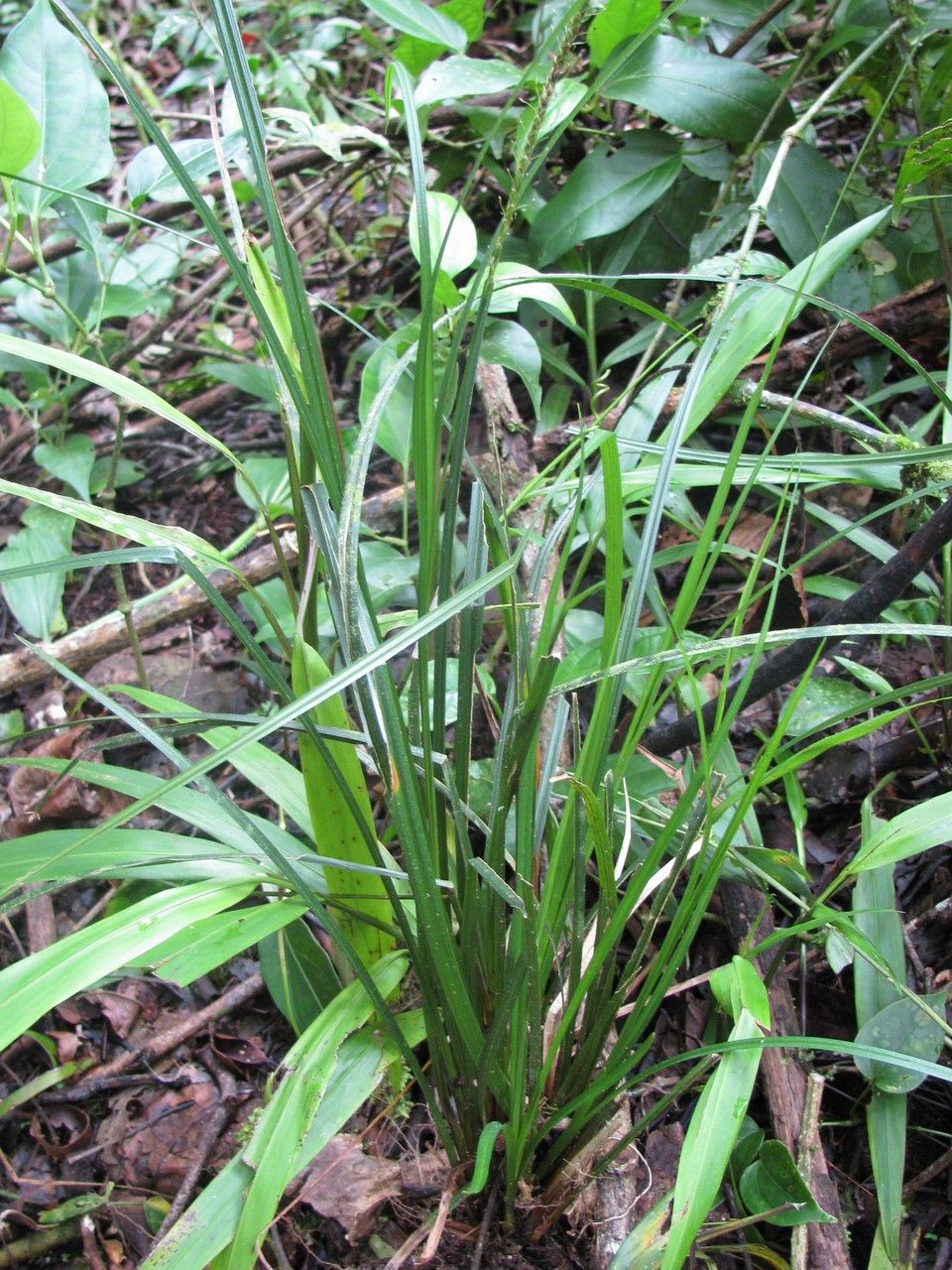
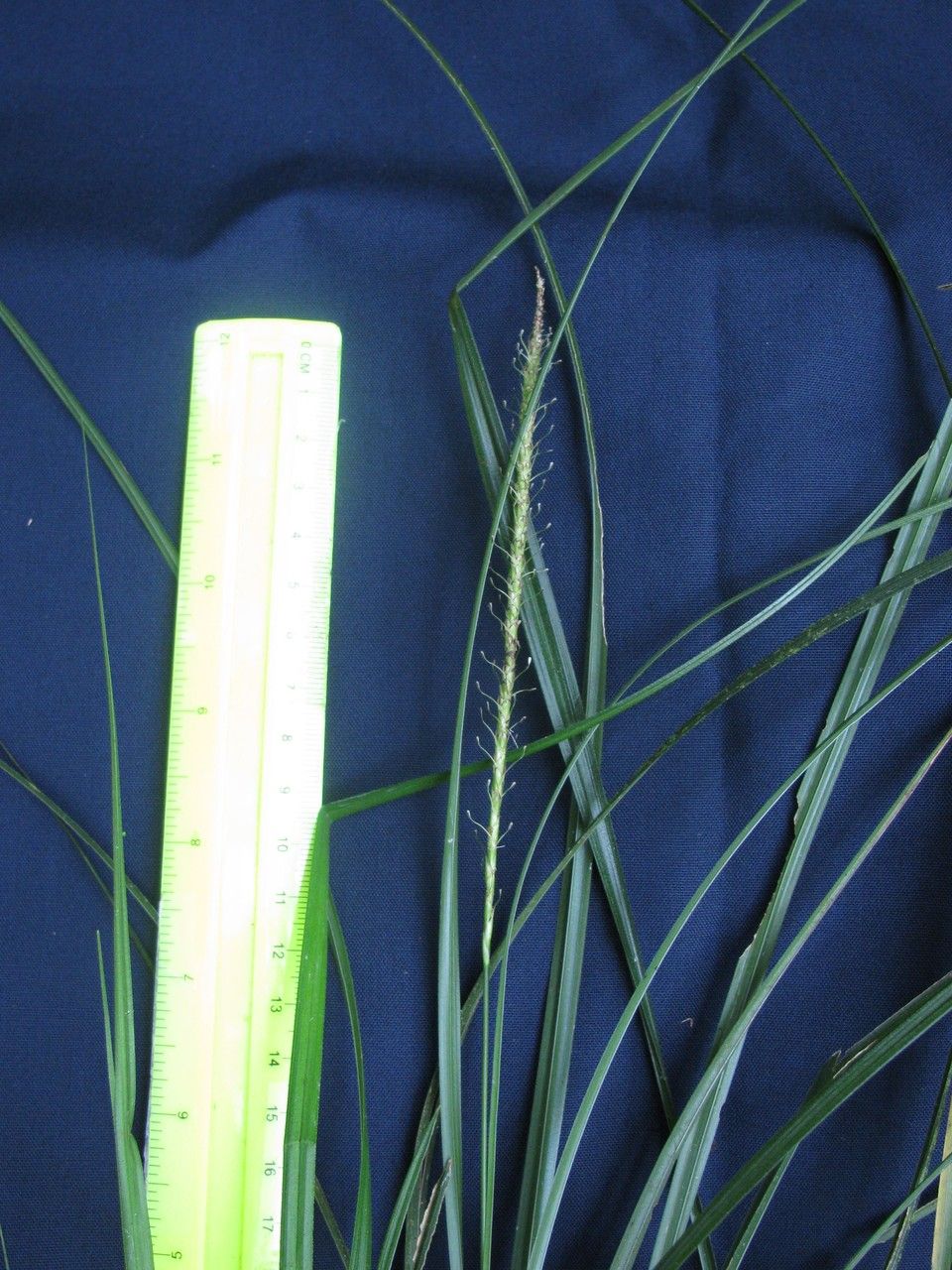
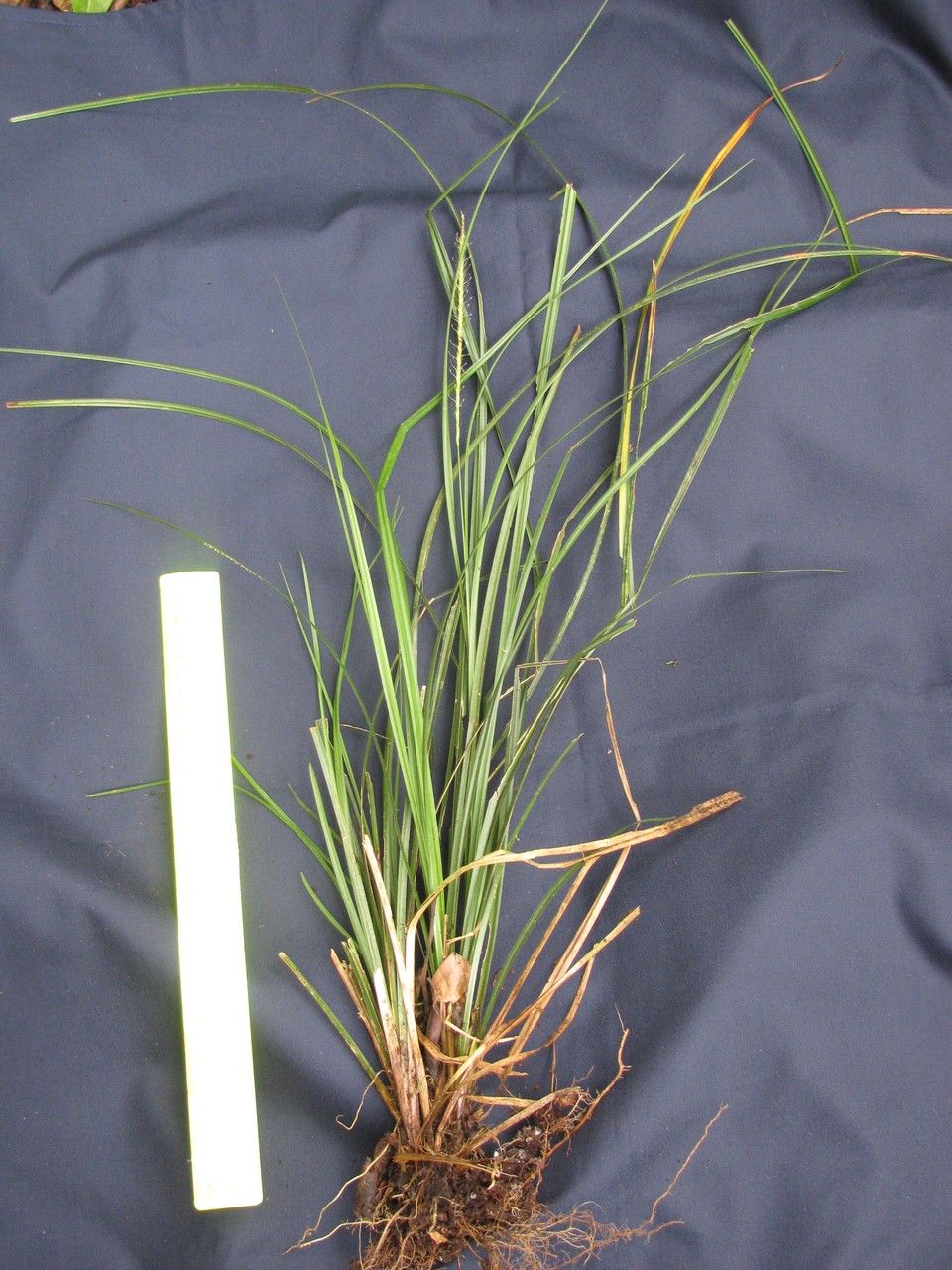
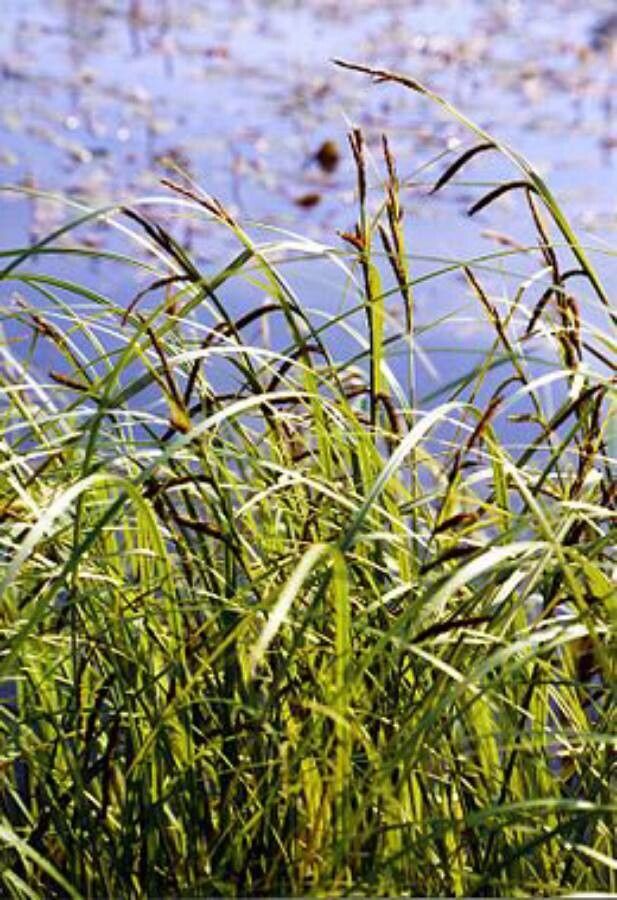
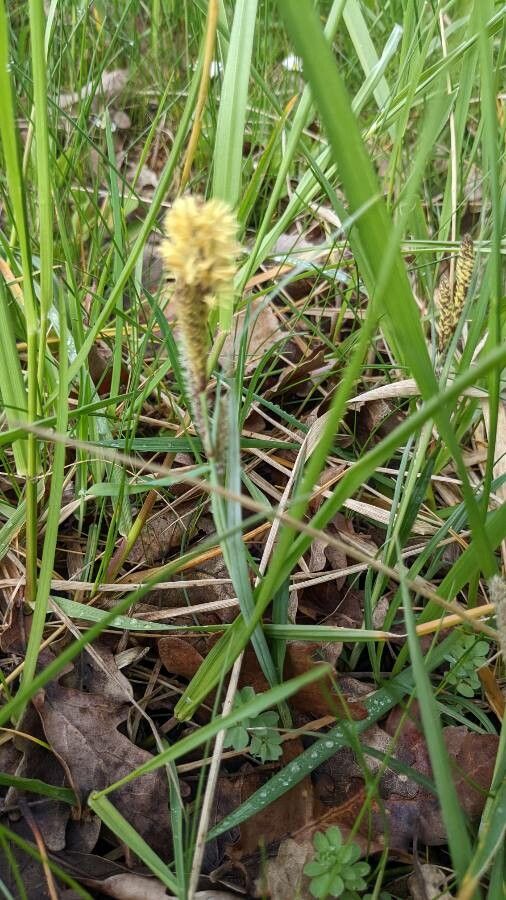
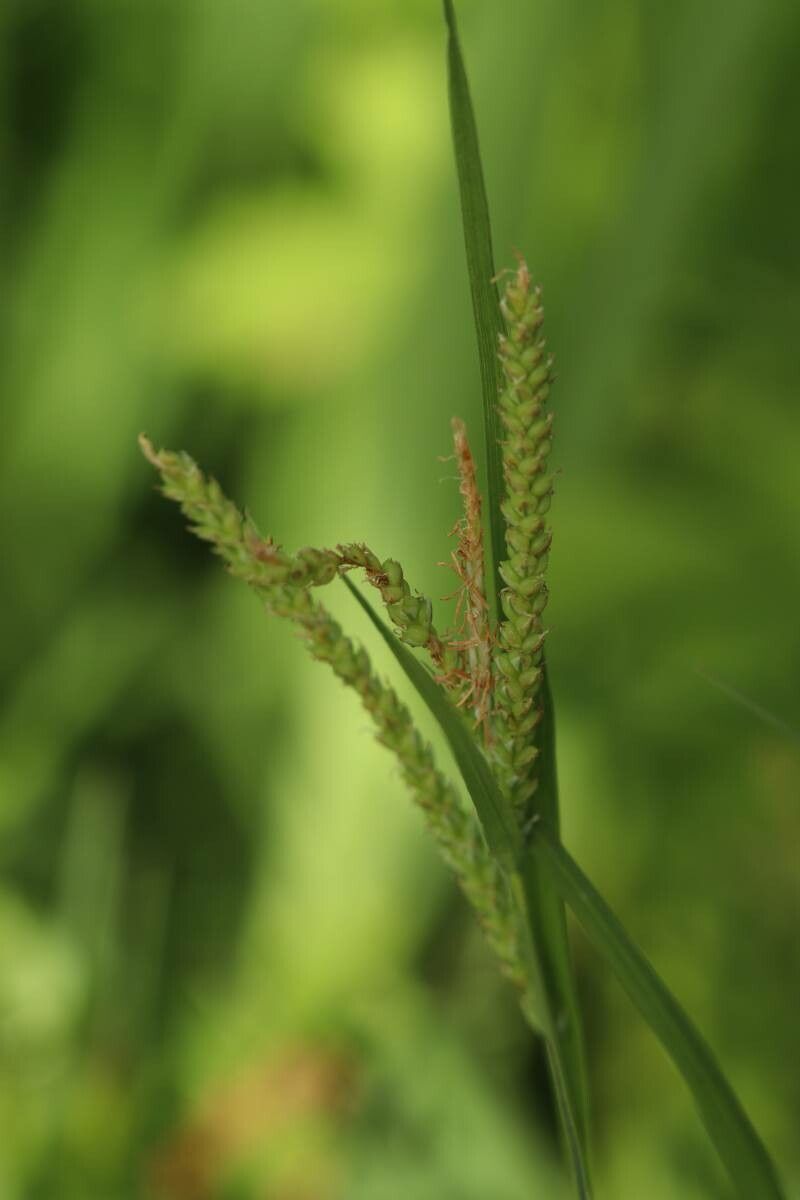
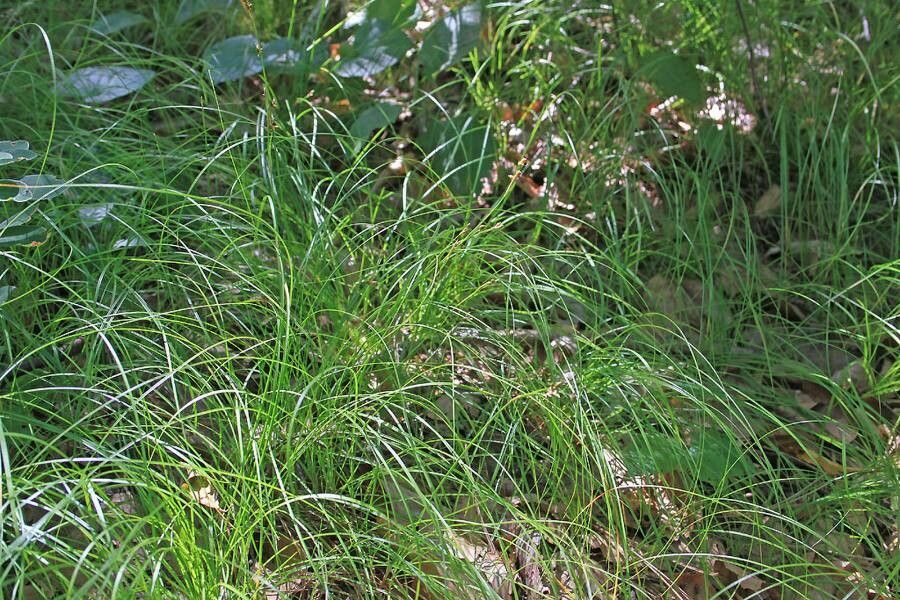
Carex forsteri shows strong resistance to diseases and is usually not susceptible to them. However, it can be affected by pests and diseases present in its environment. Such problems are typically minor. Regarding care, the plant requires moderate maintenance. Regular pruning is necessary to maintain an attractive appearance and encourage healthy growth. Applying fertilizer can also help stimulate flowering. Carex forsteri is suitable for anyone with an outdoor area, such as a garden or patio, and does not demand extensive gardening experience. It may need more attention when grown indoors.
How to keep Carex Hamata.
Light
The natural habitats of Carex forsteri include forest understories and rocky regions, where it is naturally exposed to shade. Though it favors semi-sunlight conditions, it can withstand either complete sunlight or total shade, showcasing its adaptability and resilience.
Temperature
Carex forsteri is capable of acclimating to a broad spectrum of thermal conditions, though its spread might be constrained by varying combinations of hydration and thermal circumstances. It flourishes optimally in balmy weather during the summer months given sufficient precipitation or irrigation. Extended duration of overcast and wet climate, along with sustained elevated temperatures, heighten the probability of Carex forsteri perishing. During the colder months, proper shielding from low temperatures can enhance the vitality of the plant.
Fertilizer
Typically, one fertilization treatment in the spring is adequate for Carex forsteri, though regular feedings can optimize growth. Apply nutrients every month to six weeks. The process of fertilizing boosts the look and performance of the leaves, encouraging uniform color and a robust texture. Additionally, it propels the growth of roots and intake of nutrients for the prolonged well-being of the plant.
Botanical profile.
- Plant Type
- Herb, Grass
- Life Cycle
- Perennial
- Genus
- Carex
- Family
- Cyperaceae
- Hardiness Zone
- 7-10
- Mature Height
- 30 cm to 61 cm
- Mature Spread
- 30 cm to 49 cm
- Leaf Color
- Dark Green
- Leaf Type
- Evergreen
- Bloom Time
- Late spring, Early summer
- Planting Time
- Spring, Autumn
- Harvest Time
- Mid summer, Late summer
- Native Area
- New Zealand
Other names.