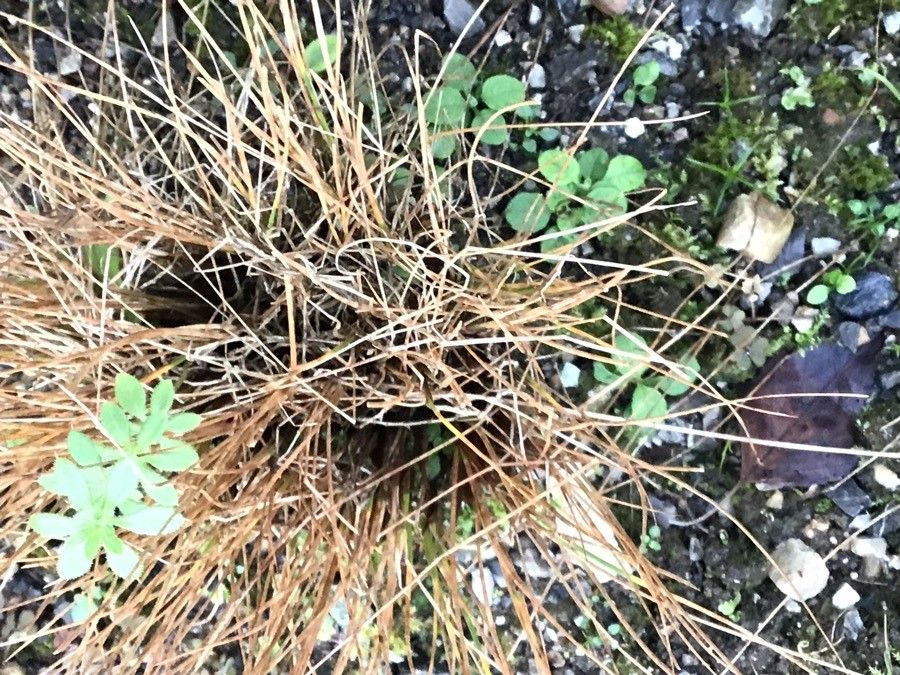
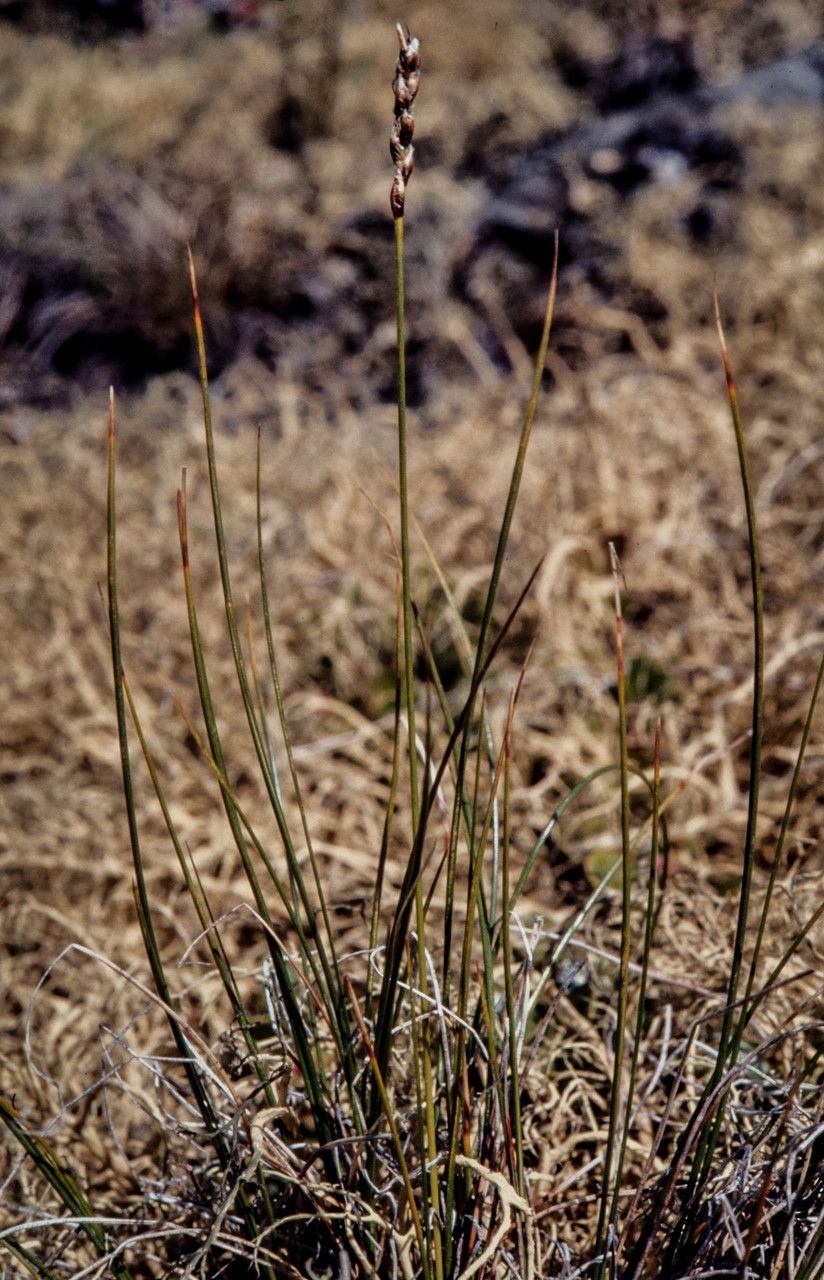
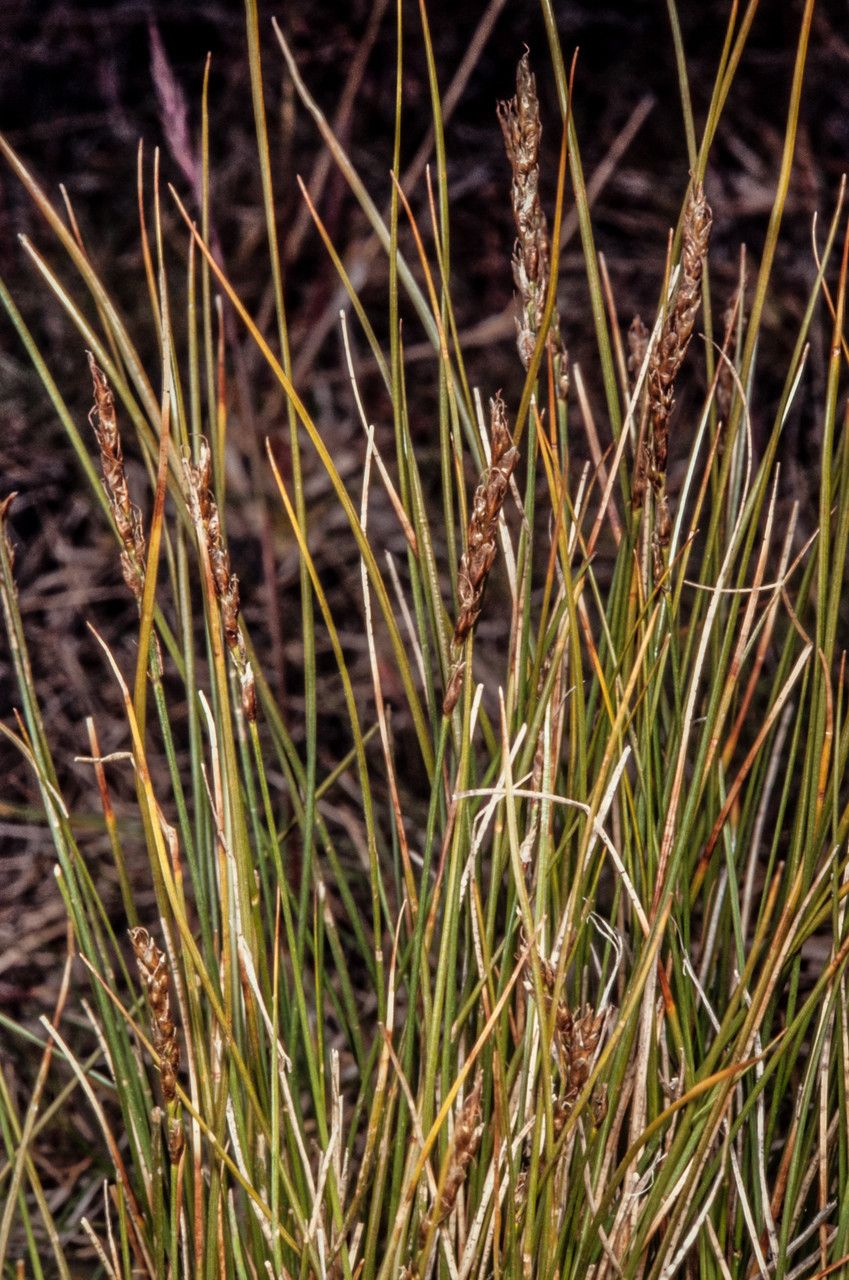
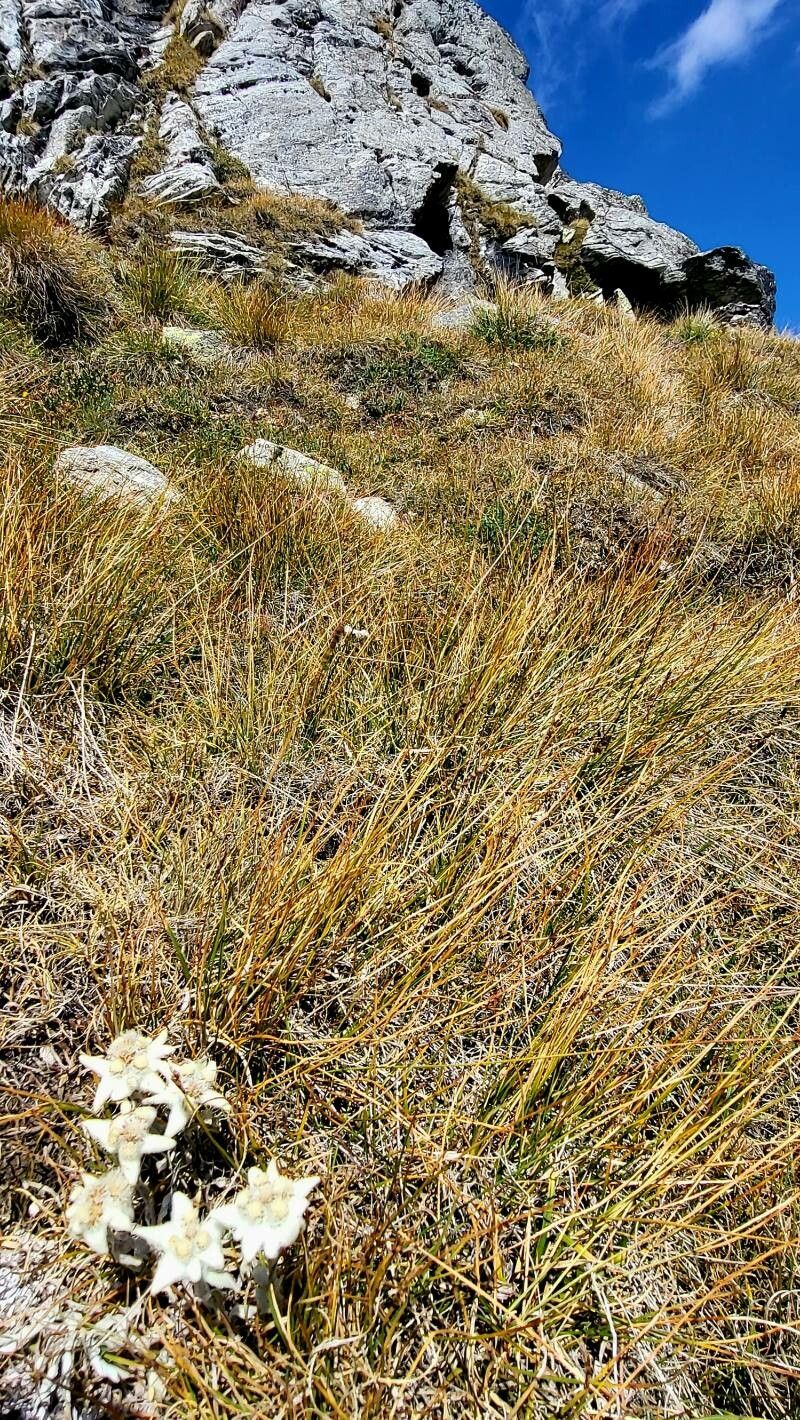
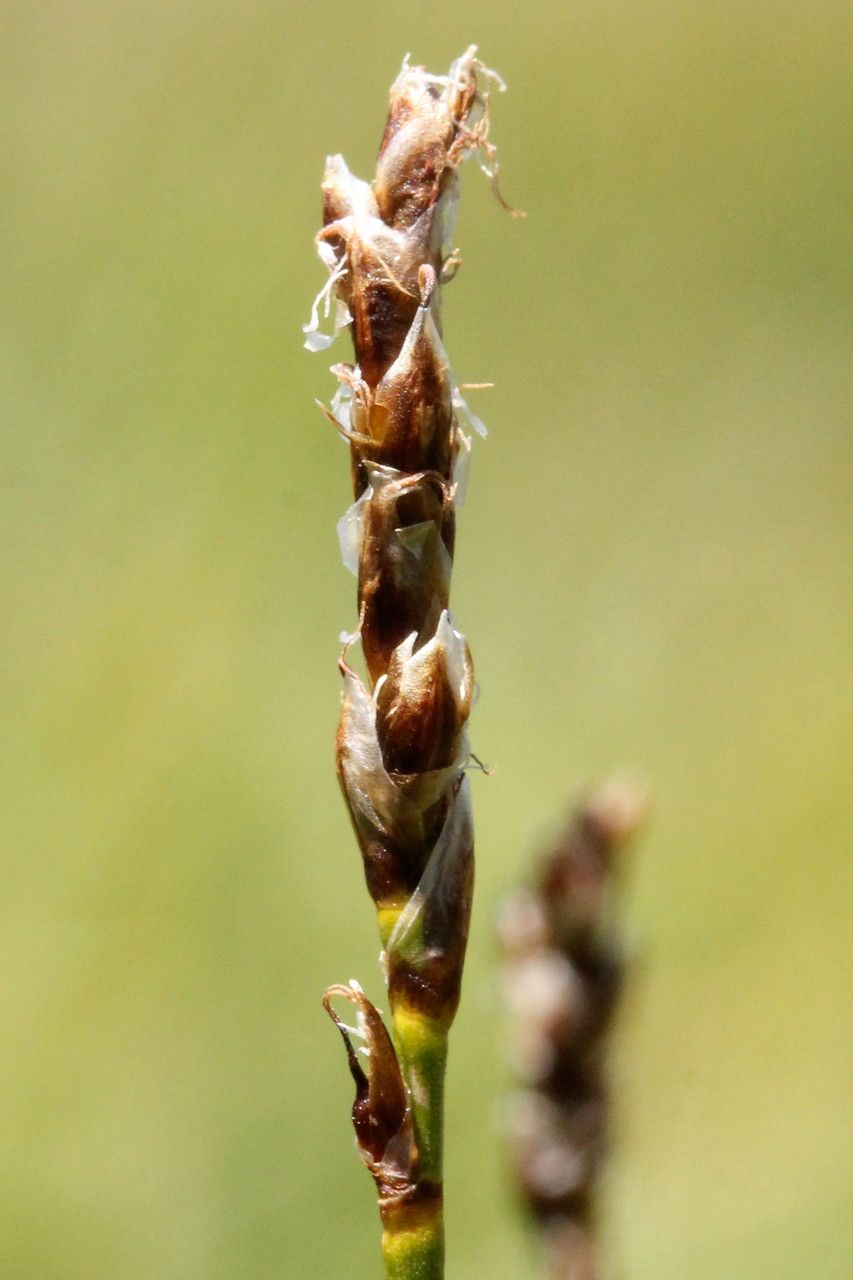
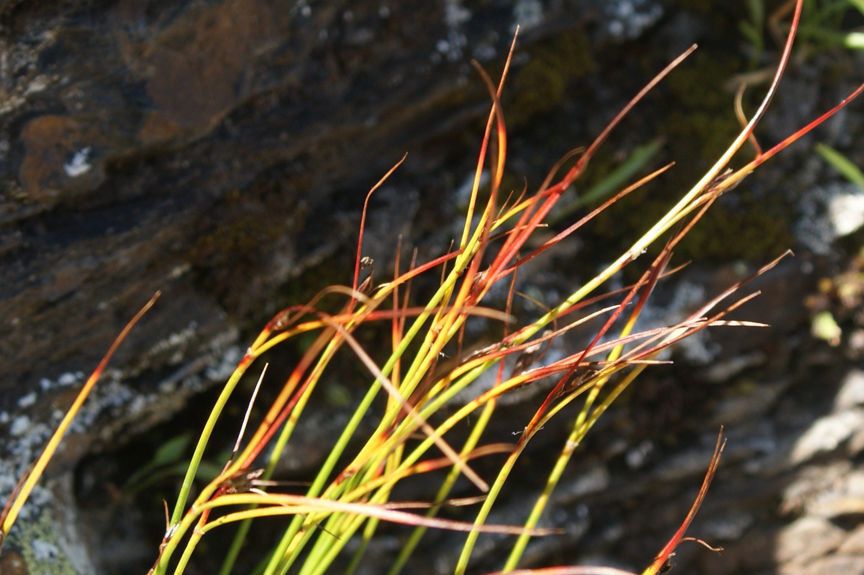
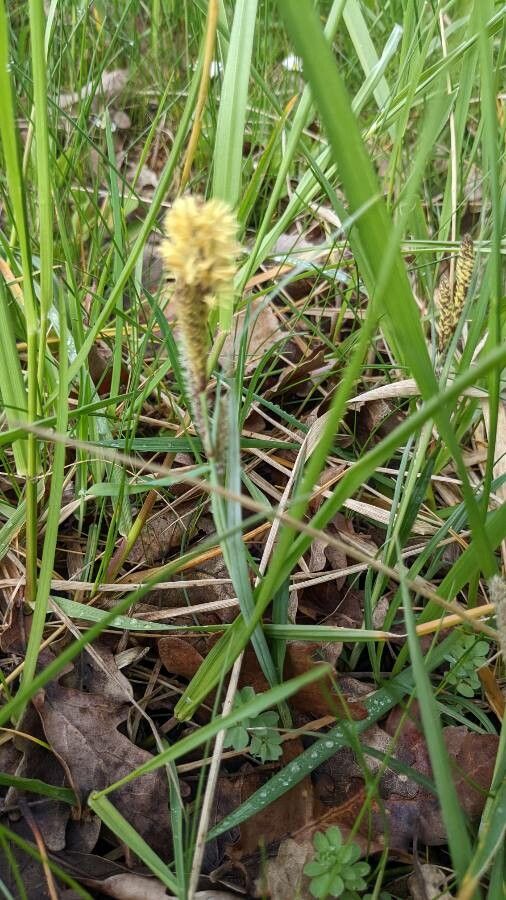
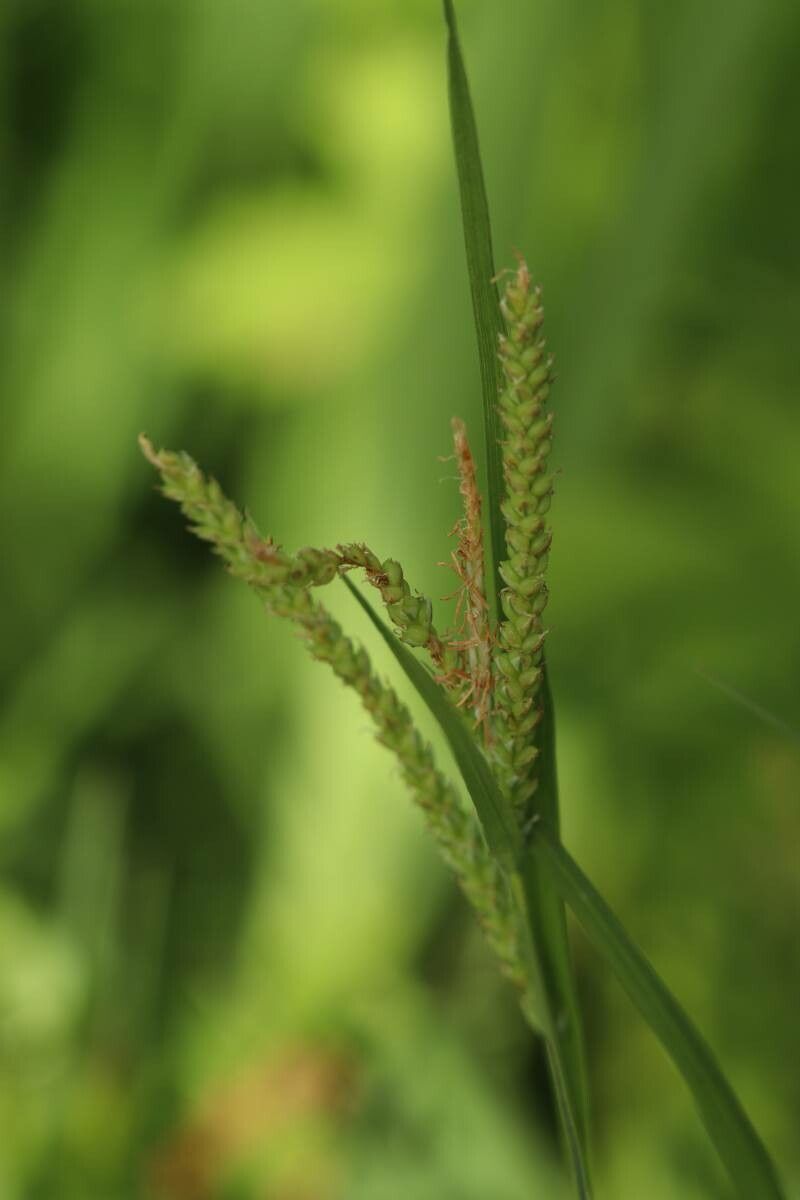
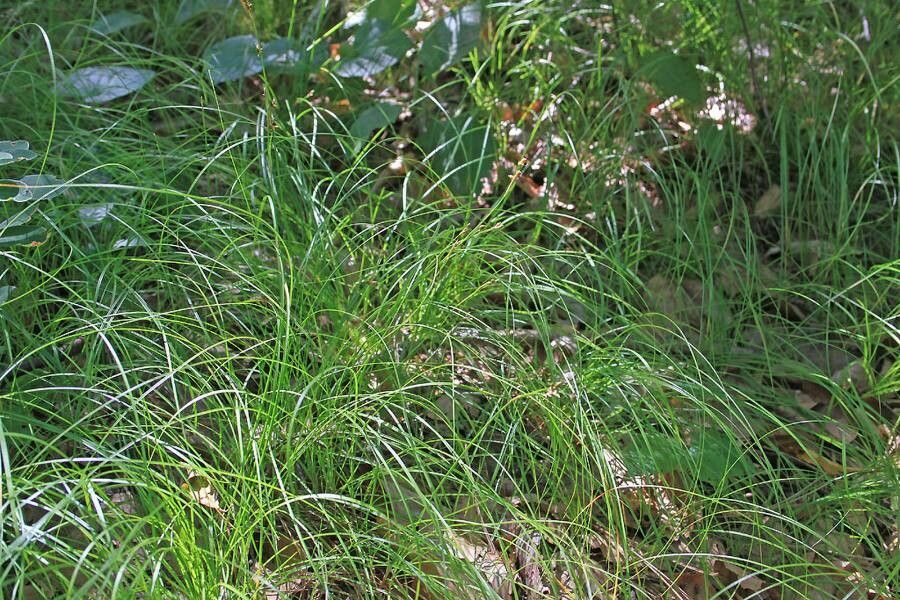
Carex myosuroides (syn. Kobresia myosuroides), the mouse-tail bog sedge, is a species of sedge (family Cyperaceae) with a circumboreal distribution. It is the only known sedge to have ectomycorrhizal associations.It is a known host to a number of fungi, including Anthracoidea elynae, Arthrinium puccinioides, Cladosporium herbarum, Clathrospora elynae, Lophodermium caricinum, Phaeosphaeria herpotrichoides, Schizonella melanogramma, Septoria punctoidea and possibly to Micropeziza cornea.
Drooping sedge possesses good disease resistance and is generally not prone to diseases. Regarding care, this plant is fairly low-maintenance. When grown outdoors it needs only light watering, and larger specimens usually do not require pruning. Smaller specimens, however, should be pruned after they have finished blooming. Drooping sedge is suitable for anyone with an outdoor area, such as a garden or deck, and does not demand a great deal of care experience.
How to keep Carex Myosuroides.
Temperature
Drooping sedge comes from temperate areas and flourishes in temperatures of 41 to 95 °F (5 to 35 ℃). During extreme seasons, conditions may need to be modified to emulate its natural habitat.
Fertilizer
Drooping sedge needs extra nutrients to encourage healthy new growth. In spring, adding compost around the plant’s base will effectively supply the nourishment it requires. Fertilizing helps support vigorous growth and assists the plant in resisting diseases and pests.
Pruning
Mouse-tail bog sedge is a compact perennial plant characterized by its grassy leaves and ability to thrive in wet environments. For optimal growth, prune this sedge in early spring by cutting the old stems down to ground level. This encourages new growth and improves air circulation, which helps reduce pests and diseases. Be sure to dispose of the pruned material properly to maintain garden health.
Pot & Repot
When repotting Drooping sedge, select a pot 1–2 inches (2.5–5.1 cm) larger with ample drainage. Use a well-draining potting mix. Repot in spring or fall, ensuring the root ball is positioned slightly lower than the rim of the flower pot. Water thoroughly after repotting and place it in a warm spot with indirect sunlight.
Botanical profile.
- Plant Type
- Grass
- Life Cycle
- Perennial
- Genus
- Carex
- Family
- Cyperaceae
- Hardiness Zone
- 5-9
- Mature Height
- 1.83 m to 2.44 m
- Mature Spread
- 1.22 m
- Leaf Color
- Green, Blue
- Leaf Type
- Evergreen
- Flower Color
- Green, Brown
- Flower Size
- 0.51 cm to 0.76 cm
- Bloom Time
- Late spring, Early summer, Mid summer
- Planting Time
- Autumn
- Harvest Time
- Mid summer
- Native Area
- Germany, Tunisia, Austria, Morocco, Italy, Spain, Switzerland, Czech Republic, Denmark, Portugal, France, Ireland, United Kingdom, Algeria, Croatia, Slovenia, Belgium, Netherlands
Other names.
Reader questions.
What are the sunlight requirements for Mouse-tail bog sedge (Carex myosuroides)?
Mouse-tail bog sedge (Carex myosuroides) thrives under specific sunlight conditions to ensure its happiness. For 'Full sun' exposure, it requires above 6 hours of sunlight daily, making it ideal for spots in your garden that are bathed in light for much of the day. In cases of 'Partial sun', about 3-6 hours of sunlight is necessary. This is suitable for areas that receive a moderate amount of light, offering a balance that can cater to the needs of this plant. It's important to observe how sunlight moves throughout your garden over the day, selecting locations that provide an optimal mix of light and shade to meet the requirements of your Mouse-tail bog sedge.
What is the common name for Carex myosuroides?
The common name for Carex myosuroides is Mouse-tail bog sedge. This plant belongs to the sedge family and has distinctive features that make it recognizable. Despite its name suggesting a specific habitat, the actual environments it thrives in can vary widely, making it an interesting species for botanists and plant enthusiasts alike.