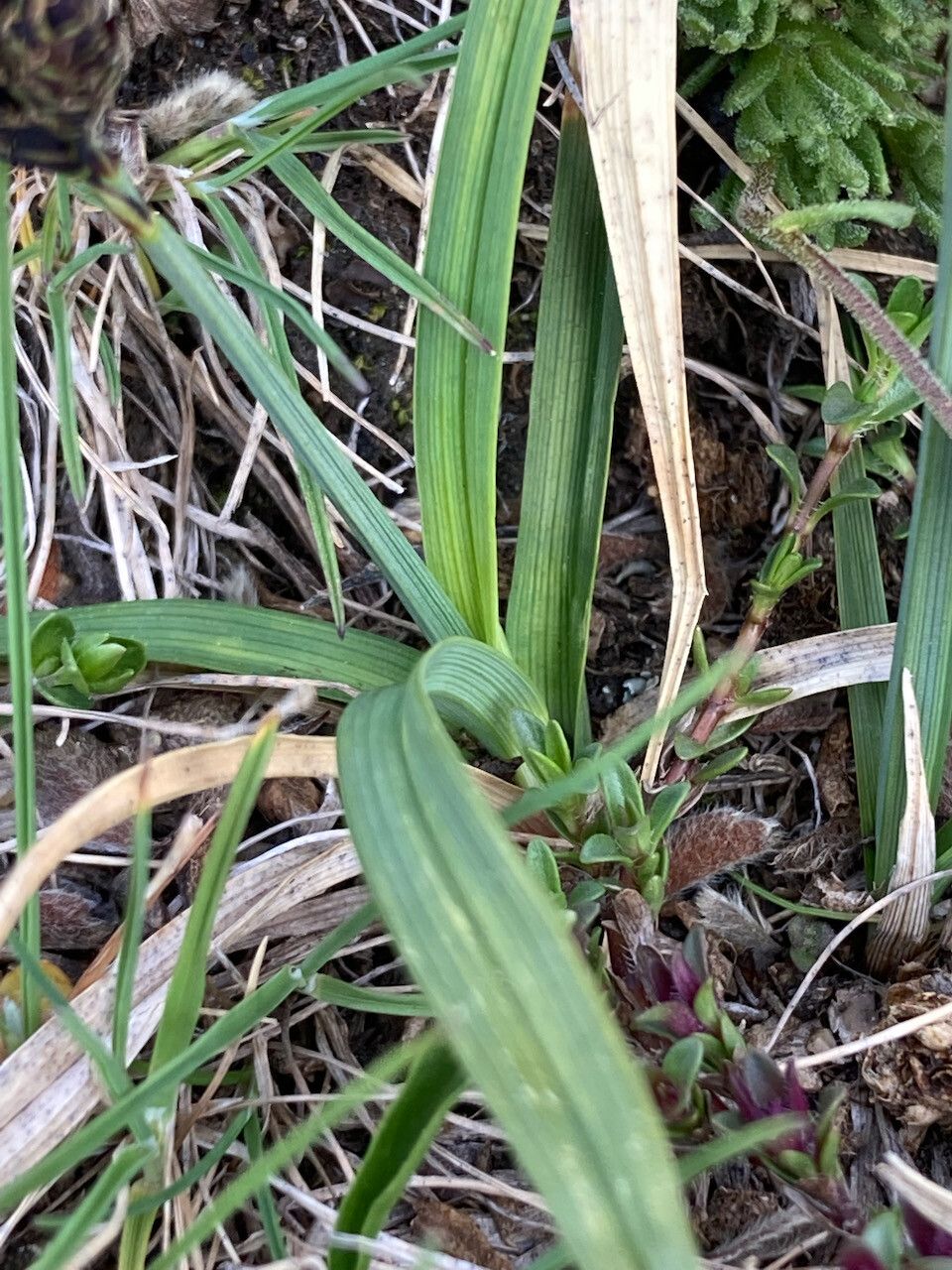
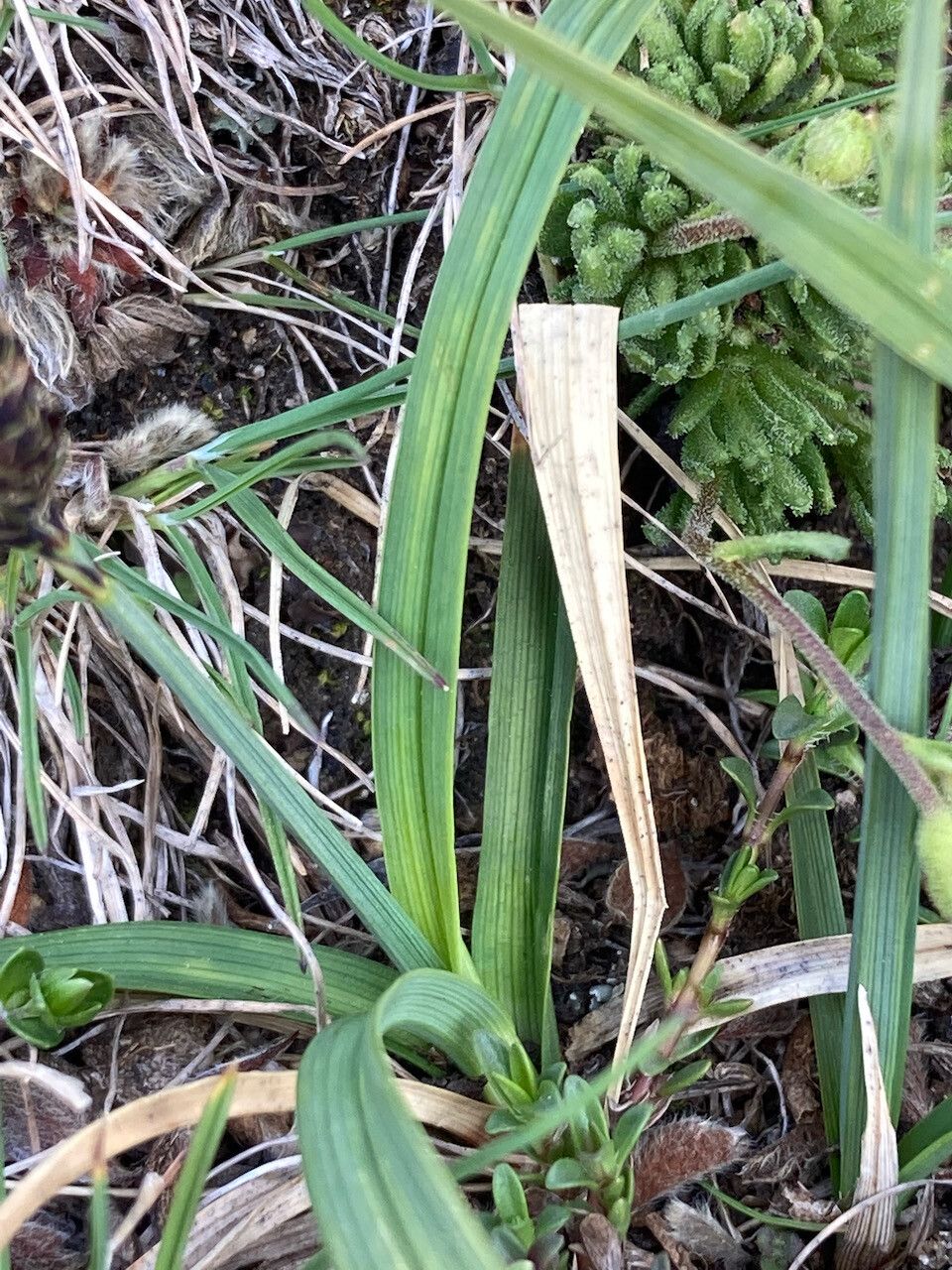
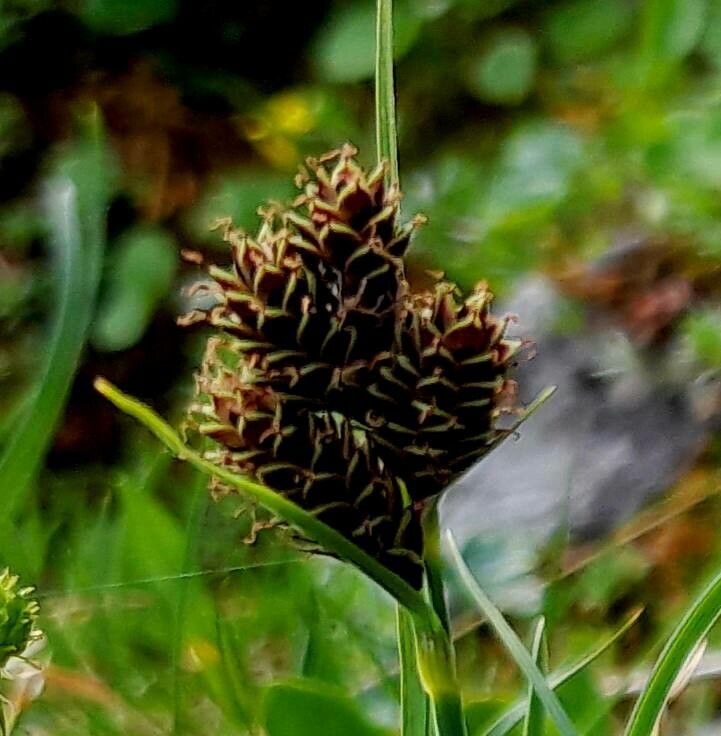
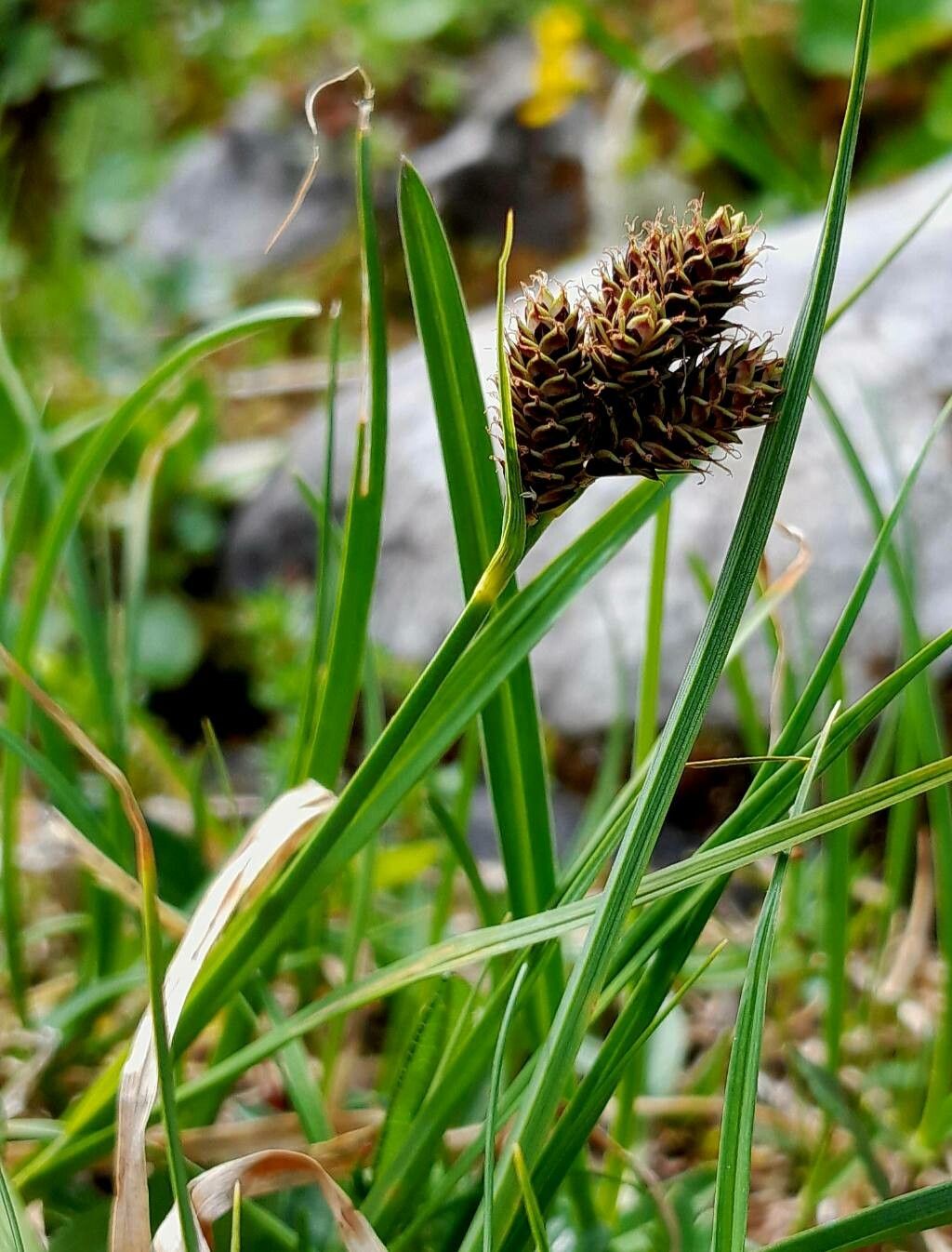
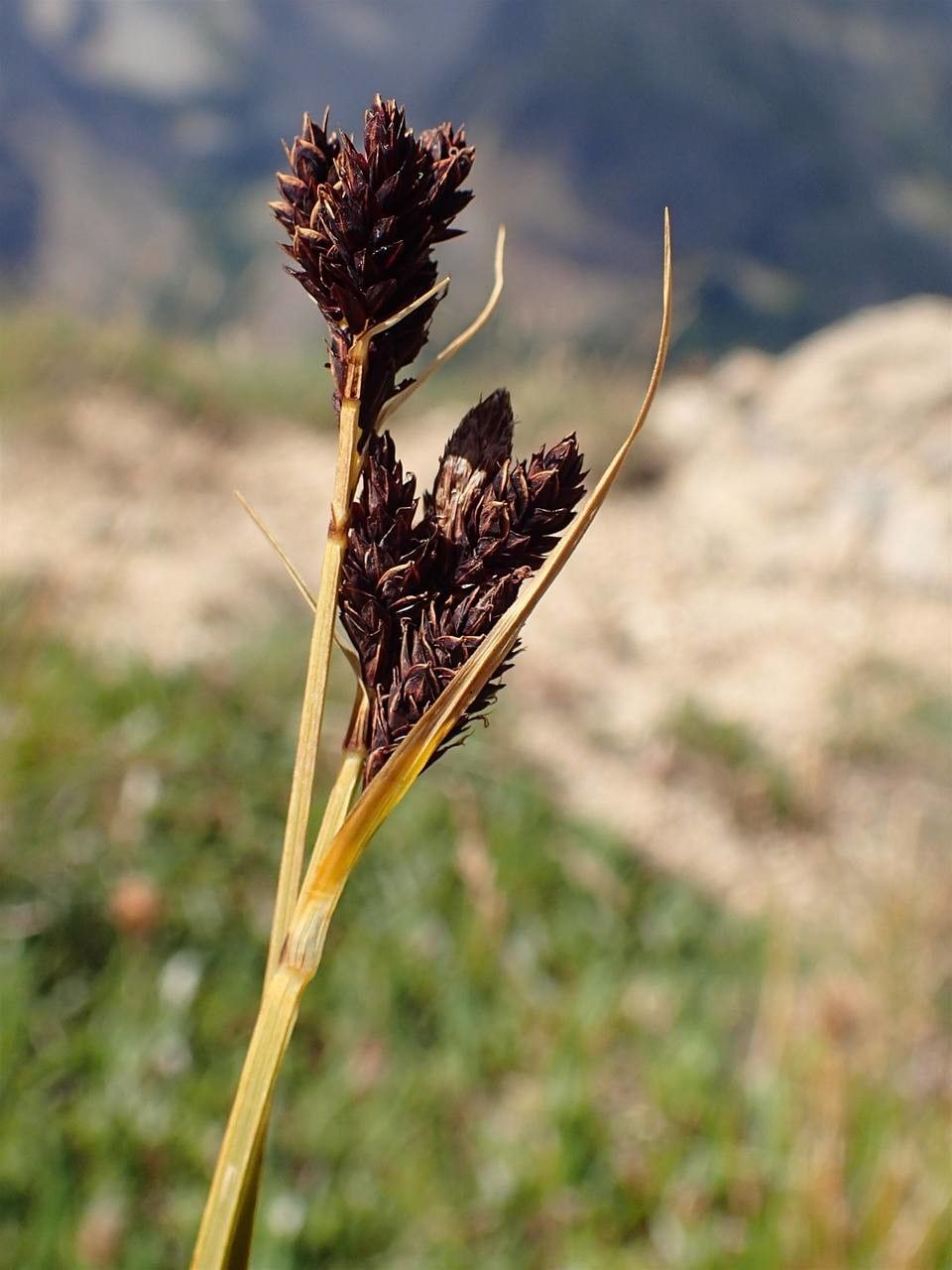
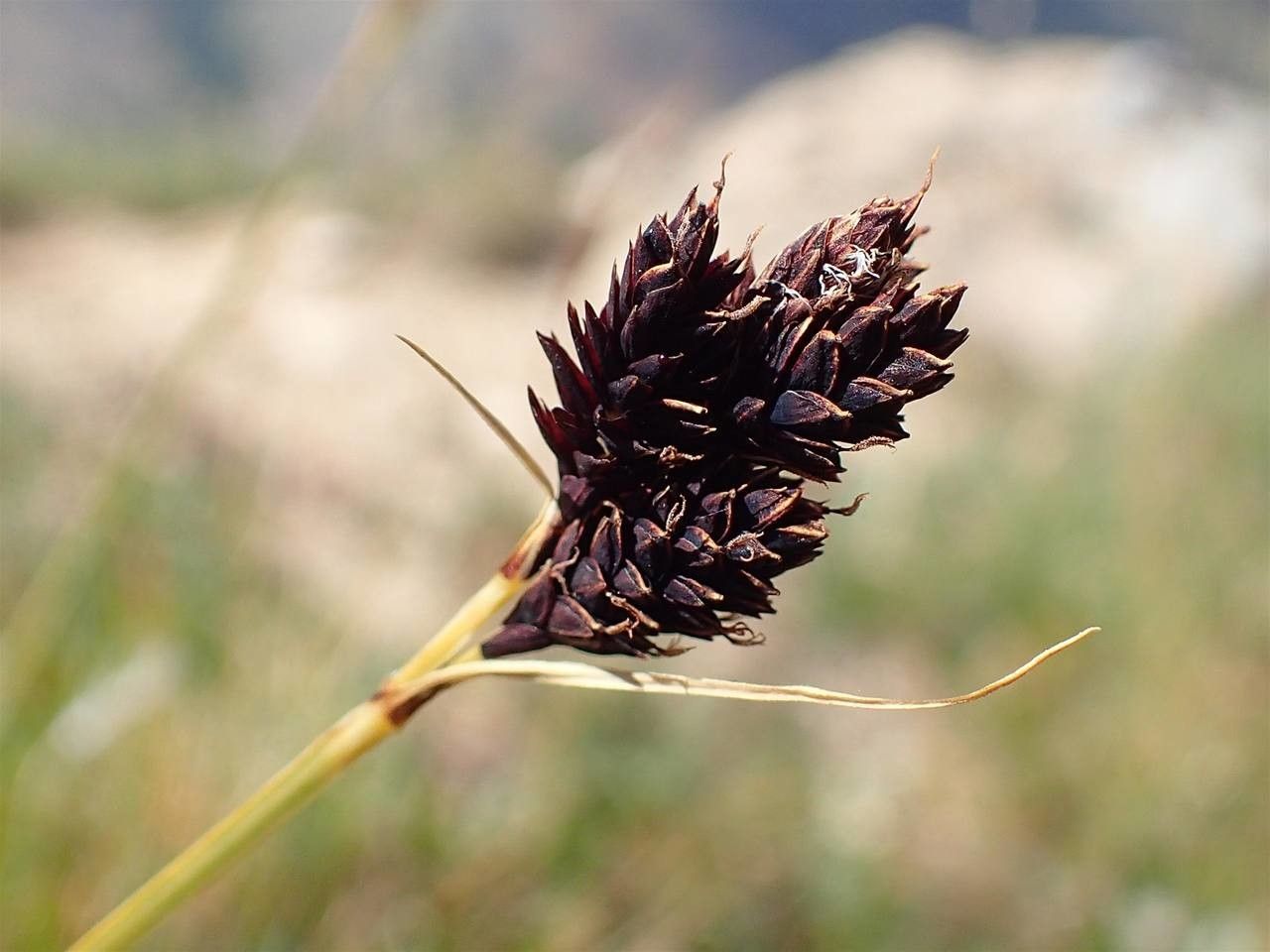
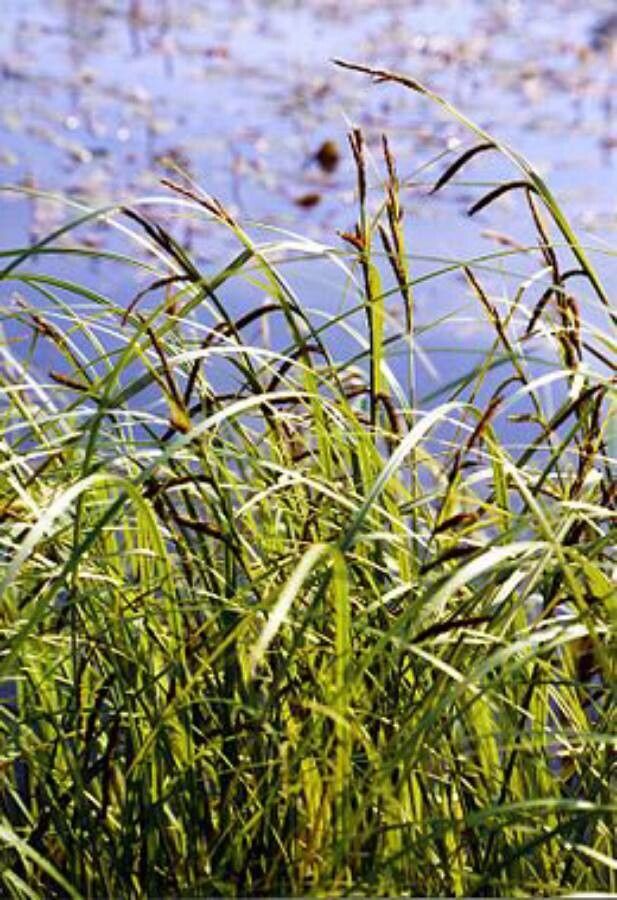
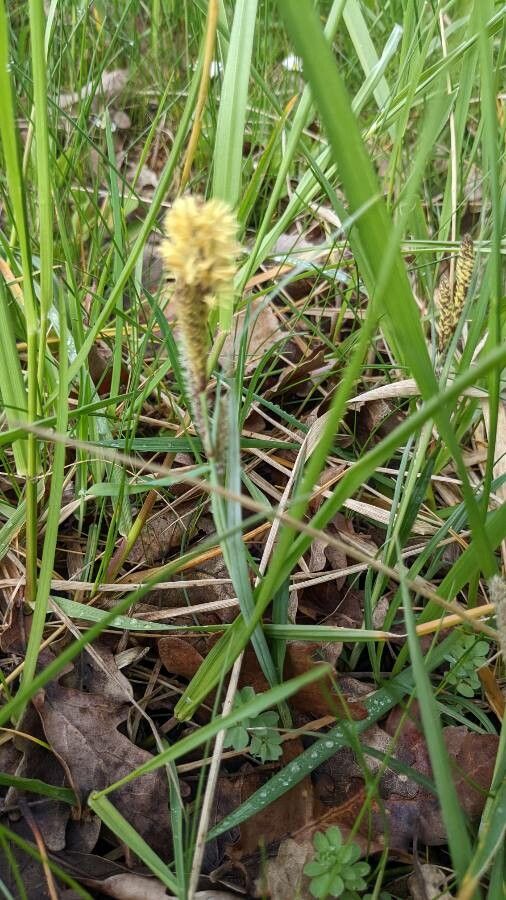
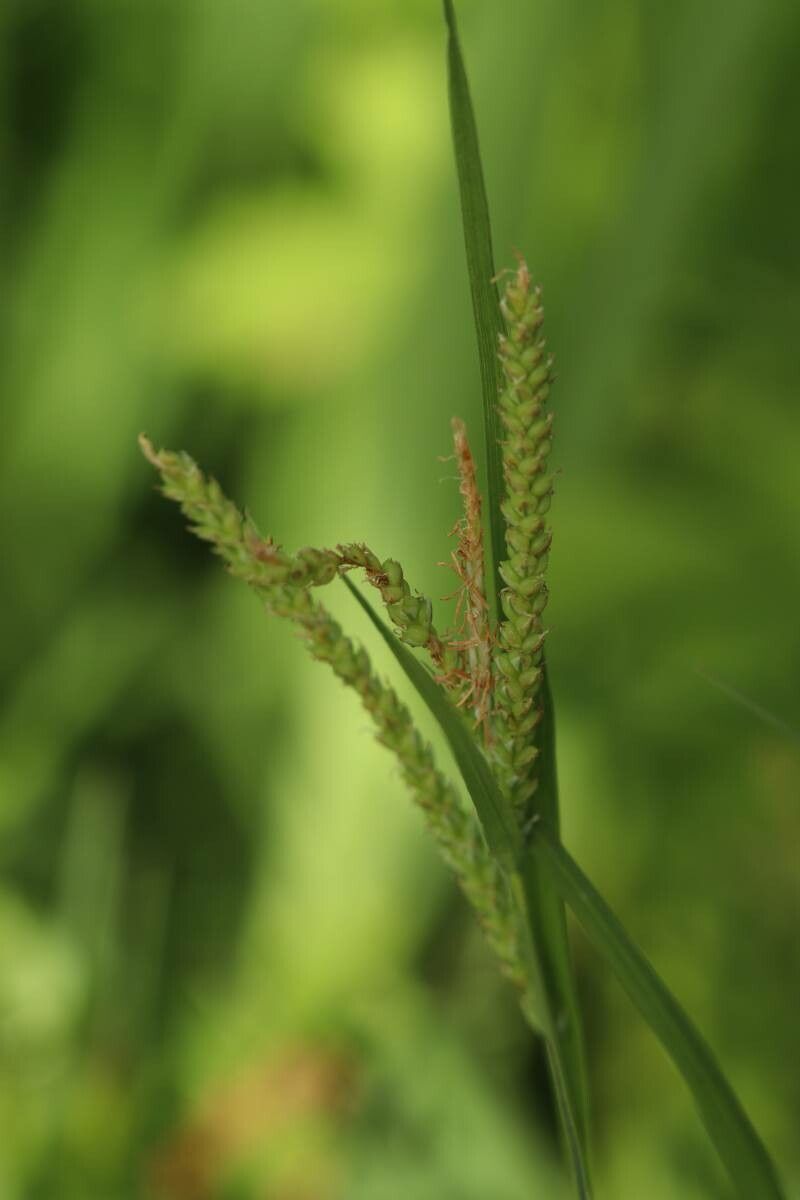
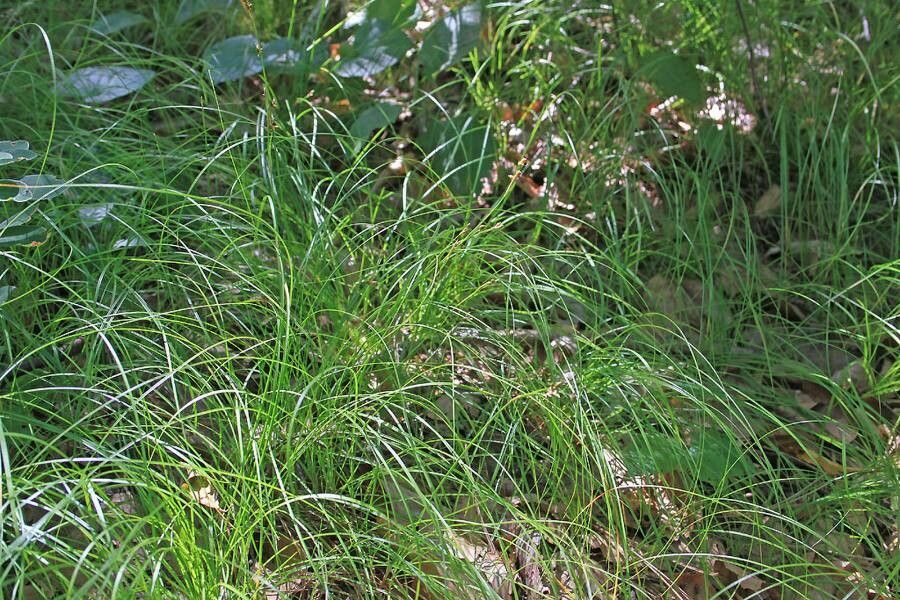
Carex parviflora, commonly known as smallflowered sedge, is a perennial plant belonging to the Cyperaceae family. Native to North America, it thrives in wetlands, meadows, and forests. The plant features narrow, green leaves that can grow up to 30 cm long. Its small, greenish-brown flowers form a spike-like inflorescence that can reach up to 10 cm in length. Smallflowered sedge prefers moist soil conditions but can tolerate some drought once established. It is an excellent choice for erosion control due to its fibrous root system, which helps stabilize the soil on slopes or along stream banks. This plant provides habitat for various wildlife species such as birds, insects, and small mammals. Additionally, it has medicinal properties, containing compounds traditionally used to treat ailments such as diarrhea. Overall, Carex parviflora is an attractive ornamental grass with ecological benefits, making it a great addition to any garden or landscape project where wet conditions exist.
Small-flowered sedge is fairly disease-resistant and generally not prone to illnesses. Still, it can be affected by pests and diseases present in its surroundings. These problems are usually mild. In terms of care, the plant requires moderate maintenance. It should be pruned regularly to keep a neat appearance and support healthy growth. Fertilizing can also help encourage flowering. Small-flowered sedge is suitable for anyone with outdoor space, such as a garden or patio, and does not demand extensive gardening experience. It may need more attention when grown indoors.
How to keep Carex Parviflora.
Temperature
Small-flowered sedge can tolerate a wide range of temperatures, but its distribution may still be restricted by particular combinations of moisture and heat. It performs best in warm summer conditions with sufficient rainfall or watering. Extended periods of cloudy, rainy weather or prolonged high temperatures can raise the chance of Small-flowered sedge dying. In winter, adequate protection from cold can increase the plant’s survival rate.
Fertilizer
One fertilizer application in spring is generally enough for Small-flowered sedge, though repeated feedings can maximize growth. Feed about once every month to six weeks. Fertilization improves the leaves’ appearance and function, helping maintain even color and a healthy texture. It also promotes root growth and nutrient uptake for long-term plant health.
Botanical profile.
Other names.