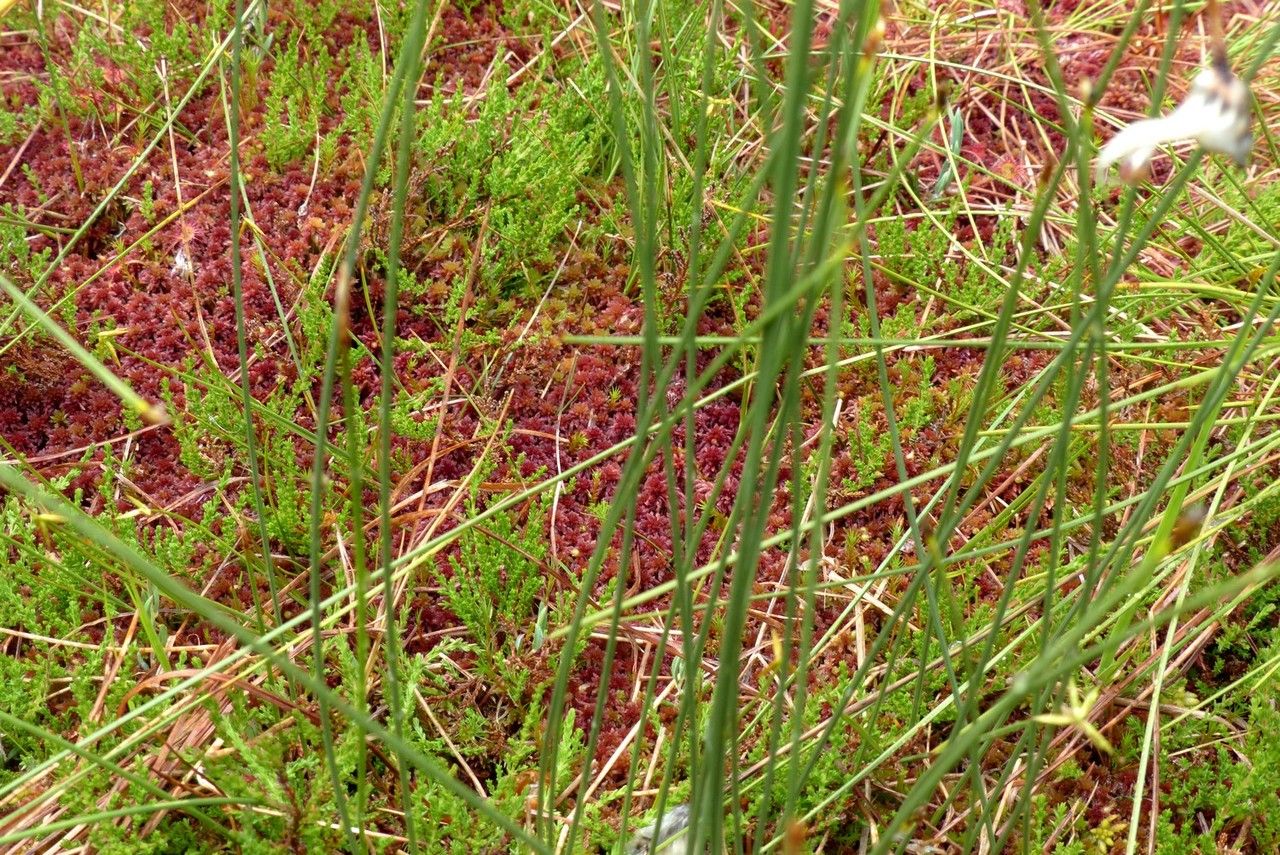
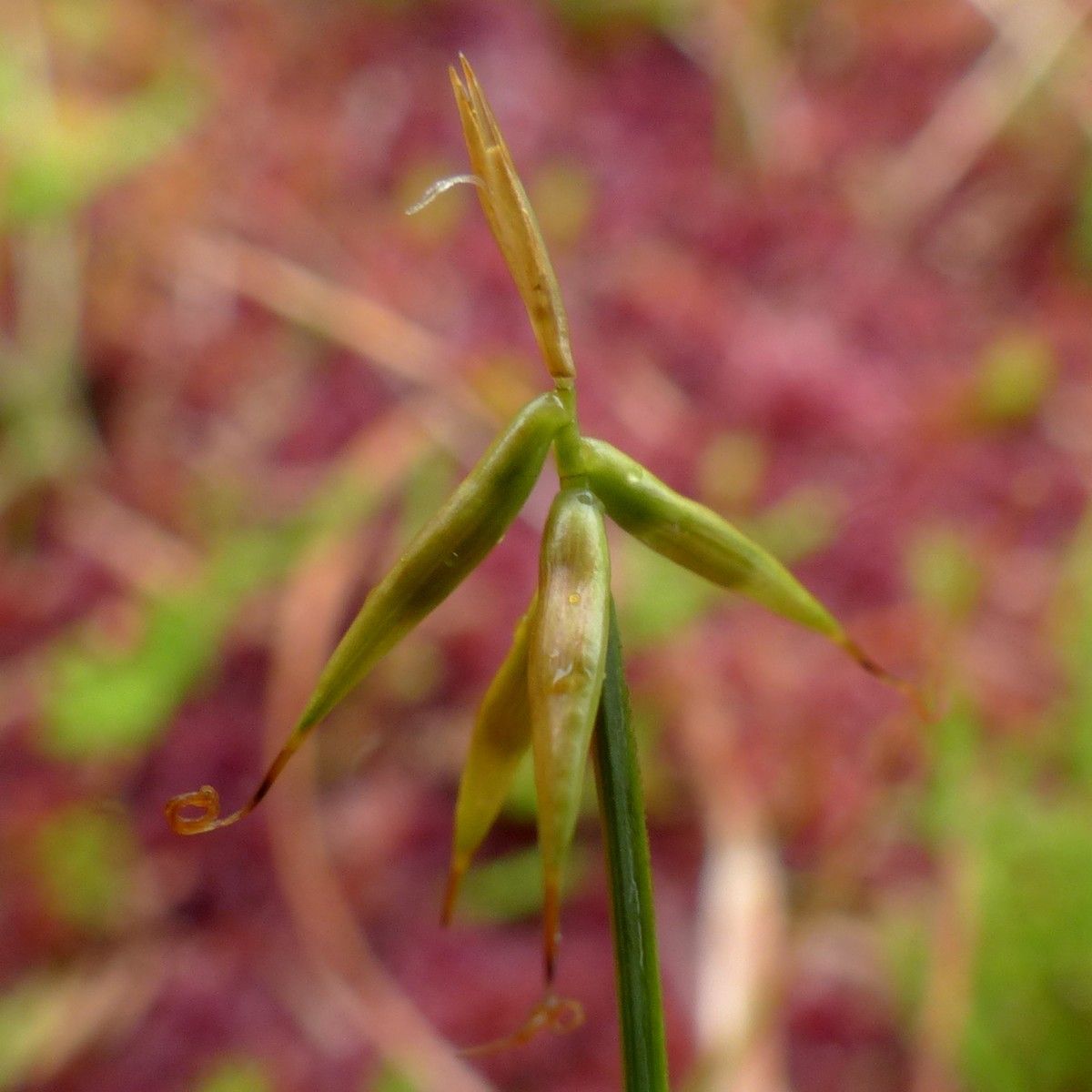
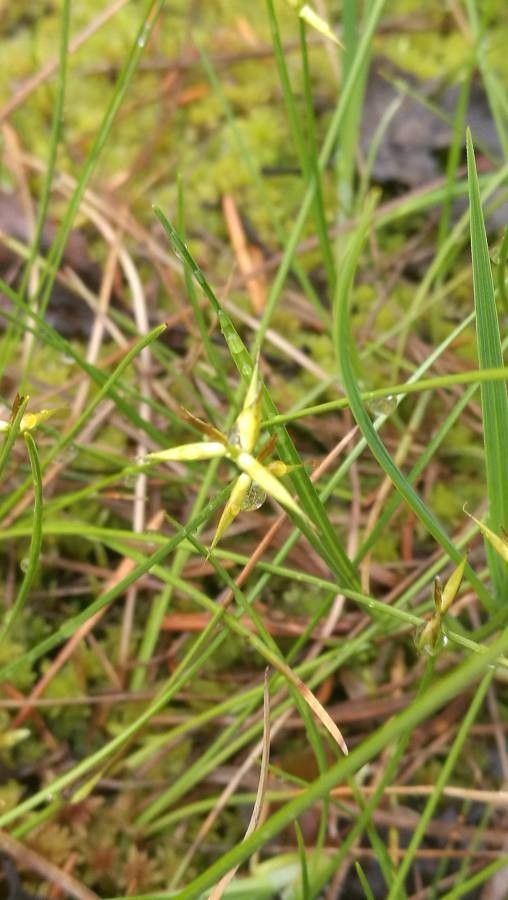
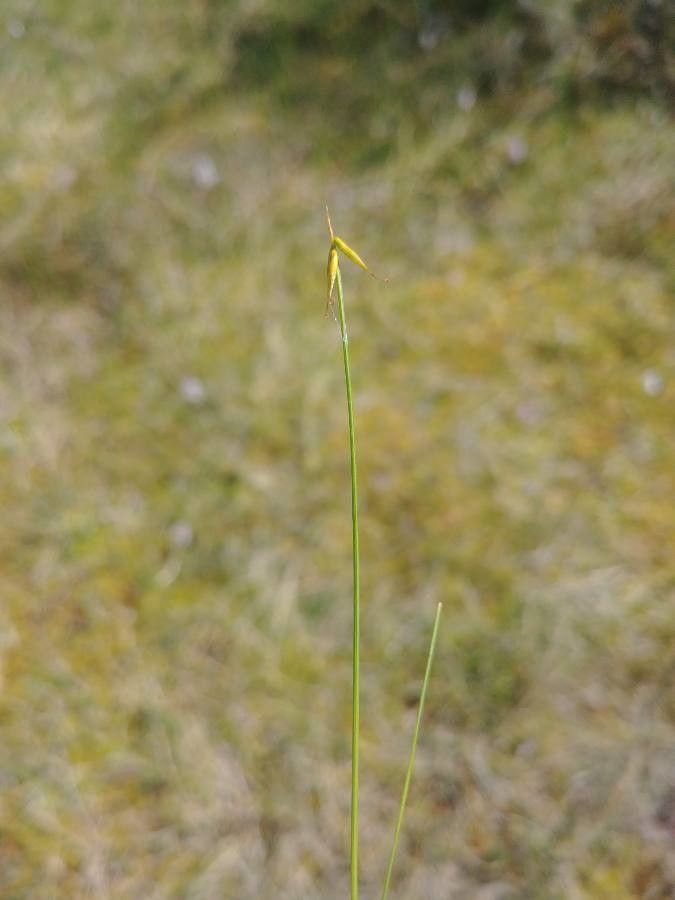
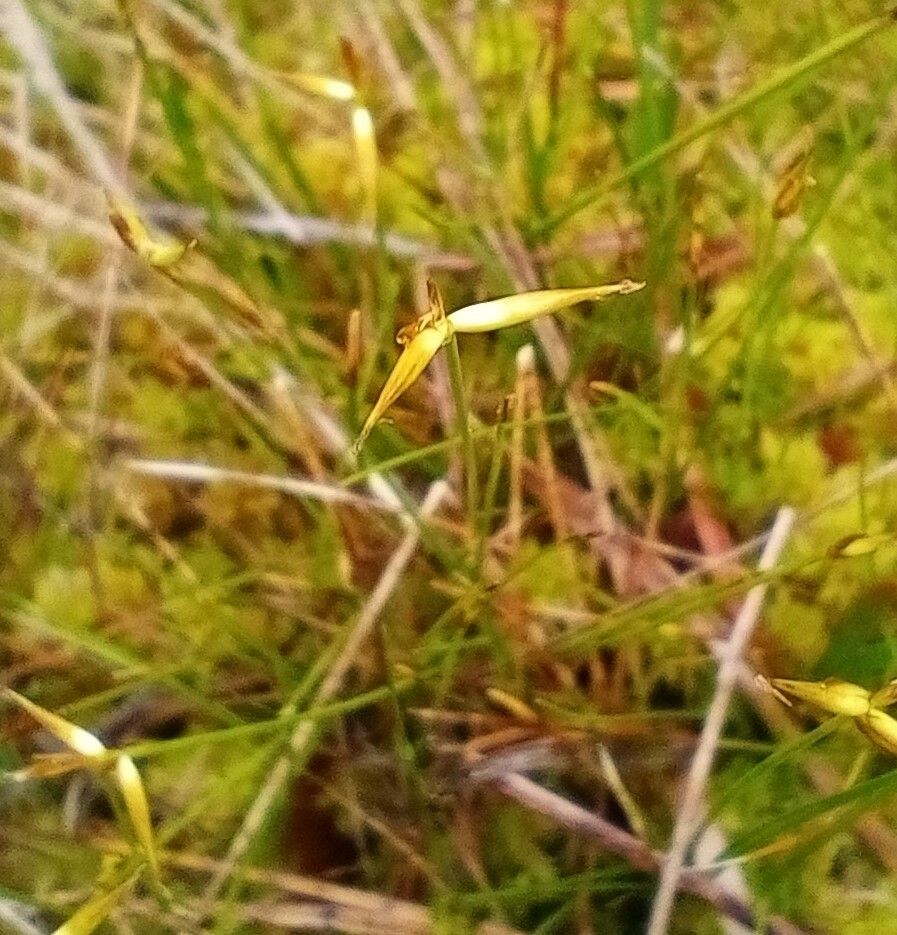
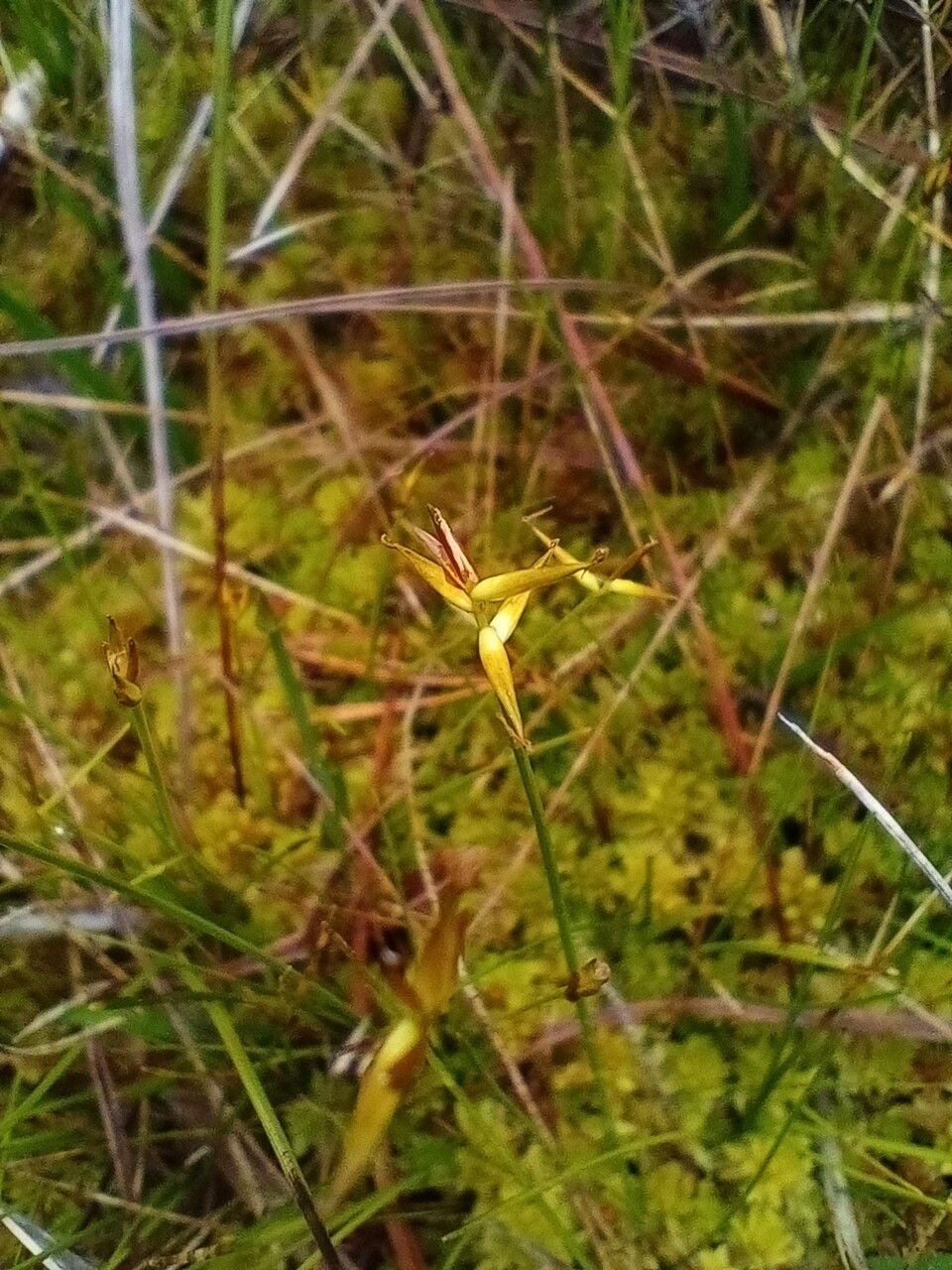
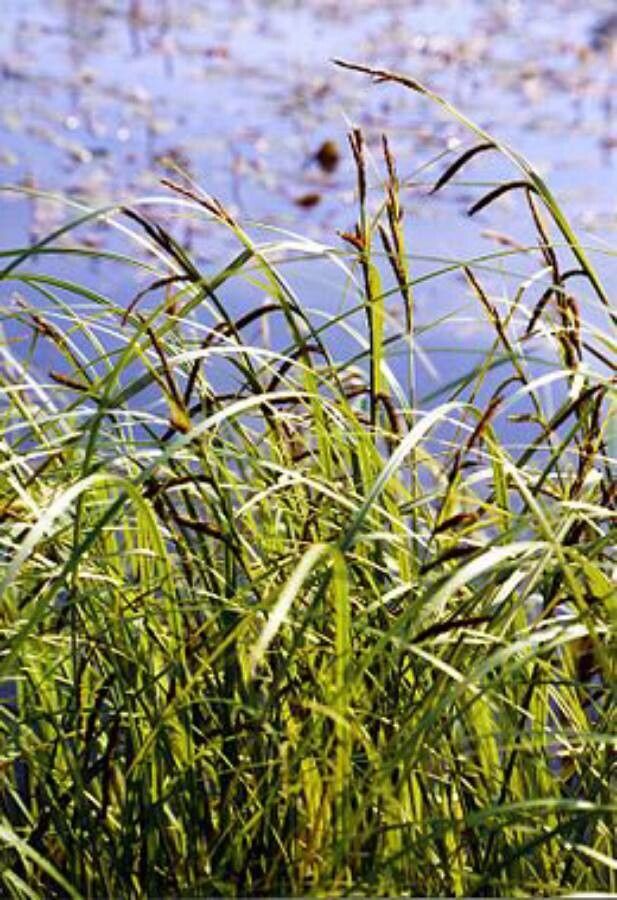
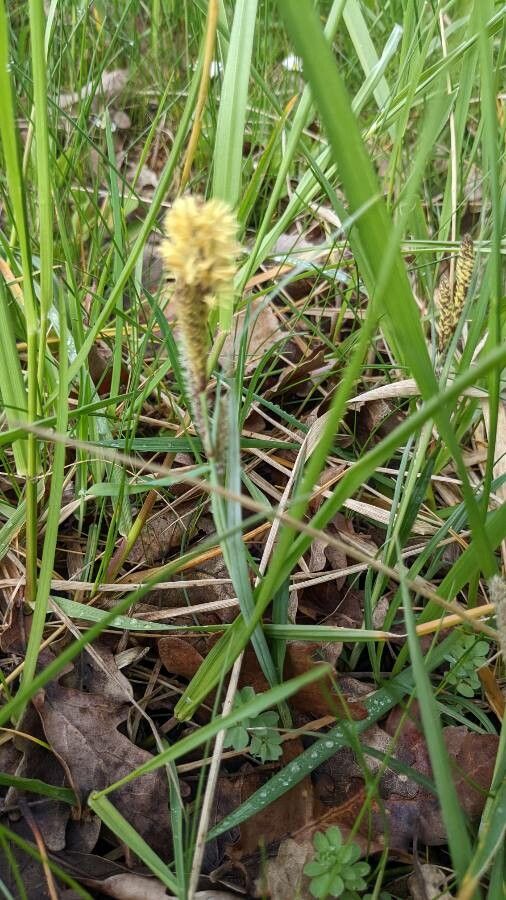
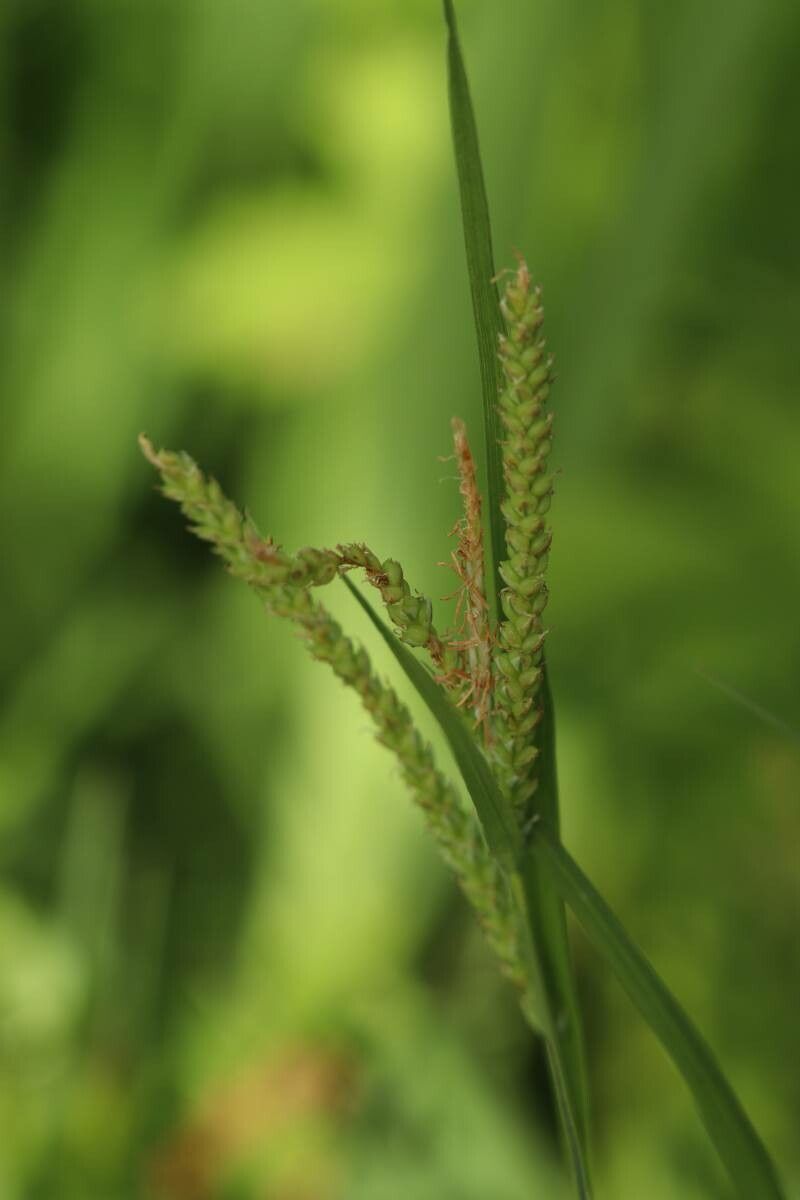
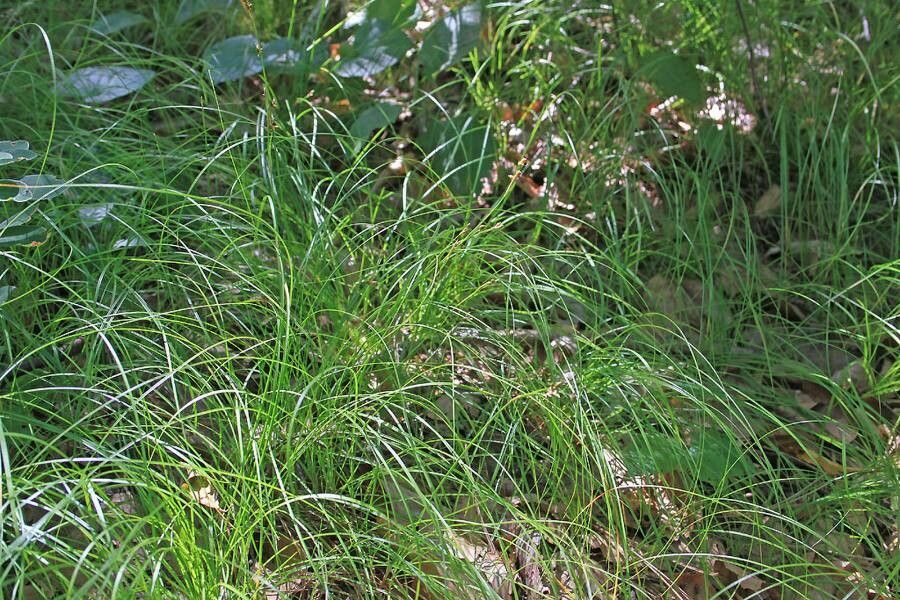
Carex pauciflora, known as few-flowered sedge, is a perennial species of sedge in the family Cyperaceae native to Holarctic wetlands. The specific epithet pauciflora, refers to the Latin term for 'few flowered'.
Fewflower sedge has strong disease resistance and is generally not prone to disease. Regarding care, this plant is fairly low-maintenance. When grown outdoors it needs little watering, and larger specimens usually do not require pruning. However, smaller plants should be pruned after they have bloomed. Fewflower sedget suits anyone with an outdoor space, such as a garden or deck, and does not require a lot of care experience.
How to keep Carex Pauciflora.
Light
The fewflower sedge thrives in places that receive the strongest sunlight during the day, supporting its growth and vigor. It can, however, tolerate areas where sunlight is not continuous. This trait reflects its natural habitats, which commonly offer plentiful light. Too much or too little sun can disturb its growth.
Water
Fewflower sedge thrives in moist, cool climates and prefers consistent humidity, with a moderate tolerance for drought. To meet its hydration needs without over-saturating the soil, water it weekly. This plant does well outdoors, especially during active growth cycles when it can benefit from natural rainfall.
Temperature
Native to temperate regions, fewflower sedge prefers temperatures between 32 and 90°F (0 to 32°C). In especially cold or hot periods, alter the environment to keep it within that range so the plant can thrive.
Fertilizer
Fewflower sedge needs extra nutrients to encourage healthy new shoots. In spring, adding compost around the plant’s base can supply the nutrition it requires. Fertilizing supports strong growth and helps the plant withstand diseases and pests.
Pruning
Fewflower sedge is a perennial plant characterized by its slender, grass-like leaves and sparse clusters of flowers. To promote healthy growth and improve its appearance, it is best to prune the plant in early spring. This helps remove dead foliage, encourages new growth, and enhances the overall aesthetics of the plant. Additionally, pruning can improve air circulation, reduce the risk of fungal diseases, and align with the plant's natural growth cycle.
Botanical profile.
- Plant Type
- Grass
- Life Cycle
- Perennial
- Genus
- Carex
- Family
- Cyperaceae
- Hardiness Zone
- 3-7
- Mature Height
- 10 cm to 30 cm
- Mature Spread
- 1 cm
- Leaf Color
- Green, Dark Green
- Leaf Type
- Evergreen
- Flower Color
- White, Yellow, Brown
- Flower Size
- 2.54 cm
- Bloom Time
- Late spring, Early summer
- Planting Time
- Spring, Summer, Autumn
- Harvest Time
- Mid summer, Late summer
- Native Area
- Sweden, Austria, Czech Republic, Slovakia, Romania, Poland, Croatia, Slovenia, Belarus, Ukraine, Serbia, Russia, Lithuania, Norway, Germany, Italy, Kazakhstan, Switzerland, Denmark, Japan, Estonia, Finland, Ireland, United Kingdom, South Korea, Latvia, France
Other names.
Reader questions.
How often should I give water to my Fewflower sedge?
The watering requirements for Fewflower sedge vary depending on the specific planting location. Generally, it is recommended to water this grass once a week. However, in hot climates, it may be necessary to water it once or twice a week during the summer. In moderate climates, watering every seven days or even less may be sufficient. It is important to note that grass in containers usually requires more frequent watering than grass planted in the ground. Additionally, the location and lighting conditions also play a role in determining the watering needs. Grasses in shaded areas need less frequent watering compared to those planted in the ground. A good guideline for watering Fewflower sedge is to only water when the soil is dry. Some indicators of dry soil include pressing your finger a few inches into the soil or feeling the weight of potted grass. When the blades of the grass appear folded and thinner than usual, it is often a sign that the roots lack sufficient water. Despite its drought tolerance, regular and deep waterings will result in a beautiful color for this grass. Although Fewflower sedge is drought resistant, it still requires care and attention. It is best to provide consistent water for optimal growth. When newly planted, this grass will need more frequent watering until it develops deep roots. For pot-grown Fewflower sedge, the soil tends to dry out quickly, especially if the pot is exposed to hot, direct sun. Testing the soil every 3 to 4 days and watering when it feels dry is recommended. Fewflower sedge planted in the ground generally requires less watering, but this depends on the type of soil it is grown in. Clay soils hold water for longer periods, so the surface may feel dry while retaining moisture below. Sandy soils, on the other hand, drain quickly and may need more frequent watering.
What are the sunlight requirements for Fewflower sedge?
Fewflower sedge plants thrive best under full sun conditions, which means they require above 6 hours of sunlight per day to flourish. They can also tolerate partial sun, getting about 3-6 hours of sunlight daily. It's essential to observe the movement of sunlight through your garden to find spots that provide an ideal balance of light and shade, ensuring the plants remain healthy and happy.
What is the preferred temperature range for fewflower sedge?
Fewflower sedge, botanically known as Carex pauciflora, thrives in temperate areas and prefers temperatures ranging from 32 to 90°F (0 to 32°C). To ensure the plant thrives, it's important to adjust its environment during extremely cold or hot seasons to maintain this temperature range.
What should I watch out for when watering my Fewflower sedge at different times of the year, in different weather conditions, or during different stages of growth?
To determine if you are watering enough, pay attention to the rate at which your grasses are growing. Fewflower sedge, for example, tends to double in size within a year during the hottest months. If the weather is hot but the grass isn't growing vigorously, it may be necessary to adjust your watering schedule. In winter, you can likely water just once a month, but it's still important to check the soil for moisture. Keep in mind that during the growth cycle in the warmest months, the grass will require more water than usual. Conversely, in winter and cooler months, the need for water will significantly decrease. The key is allowing the soil to completely dry out before watering Fewflower sedge.
How does Fewflower sedge react to different light conditions?
The Fewflower sedge plant flourishes in areas where it can bask in the intense sunlight throughout the day, a condition that supports its growth and health. Despite its preference for ample sunlight, it can tolerate less sun-drenched locations. Its growth can be negatively affected by both too much and too little sunlight, reflecting its adaptability to its natural, sun-abundant habitats.
Does fewflower sedge require frost protection measures during winter?
Fewflower sedge is highly cold-tolerant and does not require additional frost protection measures during winter. However, it is recommended to water the plant generously before the first freeze in autumn to keep the soil moist and help it enter a frozen state. This prevents drought and water scarcity for the plant during winter and early spring.
What should I do if I give too much or too little water to my Fewflower sedge?
Proper watering is crucial for the health of this beautiful ornamental grass. In the ground, watering issues can be resolved, but in a container, it's important to avoid giving too much or too little water to Fewflower sedge as it can quickly lead to its death. Insufficient water can cause the grass to stop growing, resulting in drooping leaves, weak seed head production, and browned leaves. On the other hand, overwatering can cause yellow leaves with brown tips. If you suspect that your Fewflower sedge has been watered improperly, the first step is to determine if it's getting too much or too little water. In the case of excessive watering, you should stop watering immediately and be patient as it may take weeks for the soil to dry out. Once you notice new growth, test the soil moisture and decide if it needs more water. If the grass is not receiving enough water, simply give it a good, deep watering and see if it improves. Remember, it's always better to water deeply and infrequently as it encourages the growth of deep roots, making the grass more resistant to drought and less vulnerable to watering problems.
What should you do if natural sunlight is insufficient for Fewflower sedge indoors?
In situations where natural sunlight is inadequate, especially during winter or in less sunny indoor spaces, artificial lighting can serve as a crucial substitute to ensure optimal plant growth. LED lights are recommended due to their ability to simulate specific wavelengths needed by plants. For full sun plants, 30-50W/sq ft of light is ideal, partial sun plants require 20-30W/sq ft, and full shade plants need 10-20W/sq ft. The artificial light source should be placed 12-36 inches above the plant, ensuring 8-12 hours of light per day to mimic natural sunlight conditions.
What should I do if the temperature drops below -35°C for fewflower sedge?
If the temperature drops below -35°C, fewflower sedge may not show immediate damage but there could be a decrease in sprouting during springtime or even no sprouting at all. In spring, it is advised to remove any parts of the plant that have failed to sprout as a solution to this issue.
What are the signs of inadequate light exposure in Fewflower sedge?
Fewflower sedge may exhibit several symptoms when exposed to inadequate light, including smaller new leaves, leggy or sparse growth, early leaf drop, slower or halted new growth, lighter new leaf color, and symptoms of overexposure like chlorosis, sunscald, leaf curling, wilting, and leaf scorching. These signs indicate the plant's struggle to adapt to insufficient lighting conditions.
How should I care for fewflower sedge if the temperature exceeds 32°C?
Fewflower sedge struggles with high temperatures exceeding 32°C, leading to halted growth and increased susceptibility to rot. To manage this, trim away the sunburned and dried-up parts of the plant. Relocate the plant to a shaded location or use a shade cloth to protect it from midday and afternoon sun. Ensure the soil remains moist by watering the plant in the morning and evening.
How can you ensure Fewflower sedge receives adequate light?
To ensure Fewflower sedge receives enough light, gradually move plants to sunnier spots, aiming for at least 6 hours of direct sunlight daily for those indoors. Use south-facing windows, keep curtains open during the day, and consider artificial light options for large plants. For outdoor plants, adapt them gradually to brighter spots to avoid sunburn. If obstructions like trees shade your plant, prune them to increase sunlight. For smaller plants, you might consider transplanting them during their dormant period to a brighter location with good drainage.