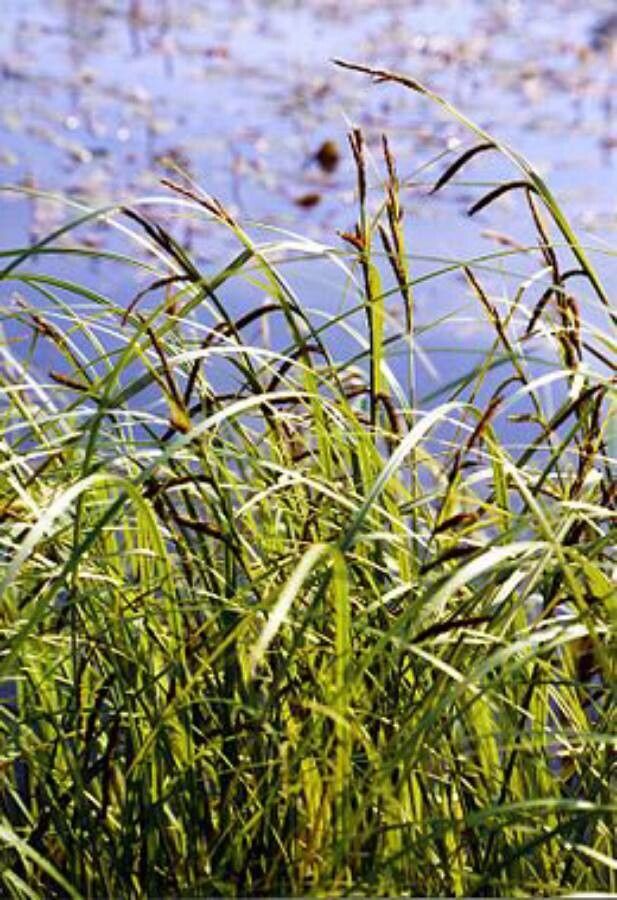
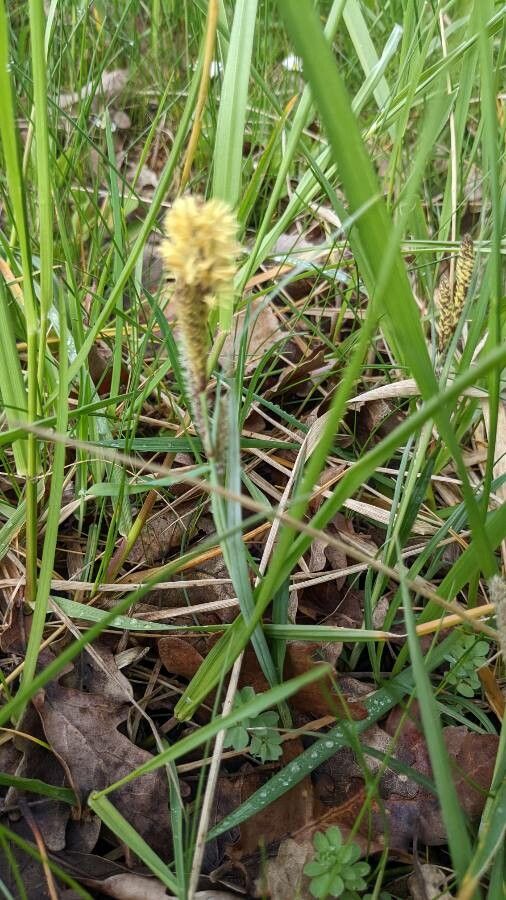
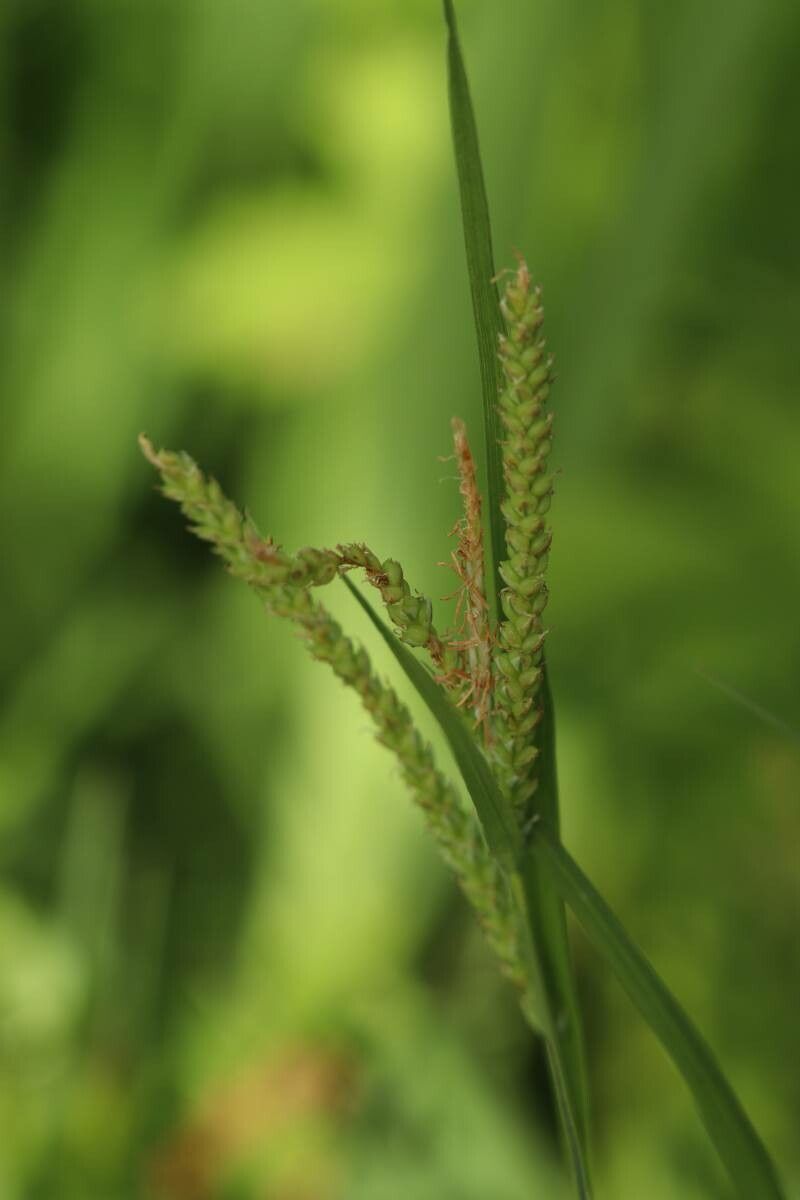
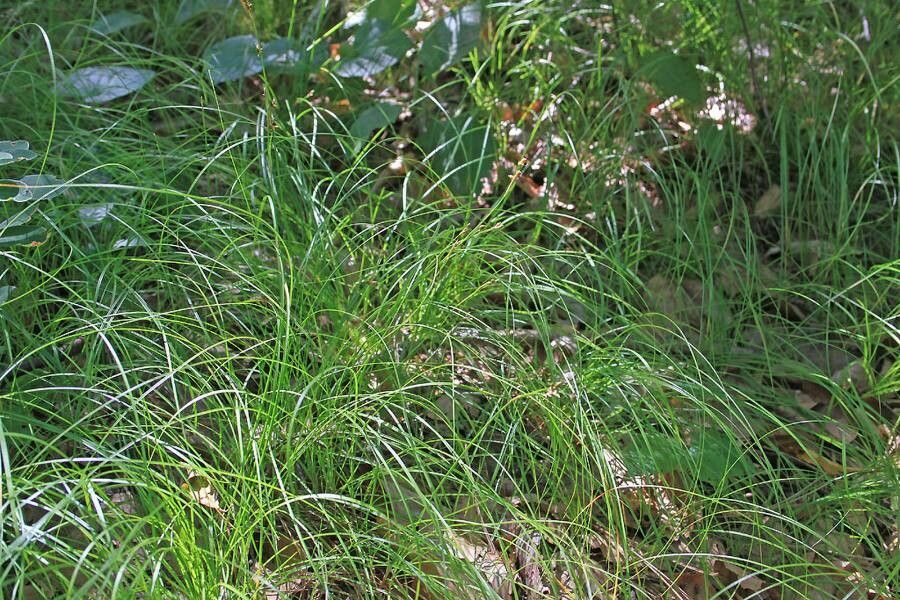
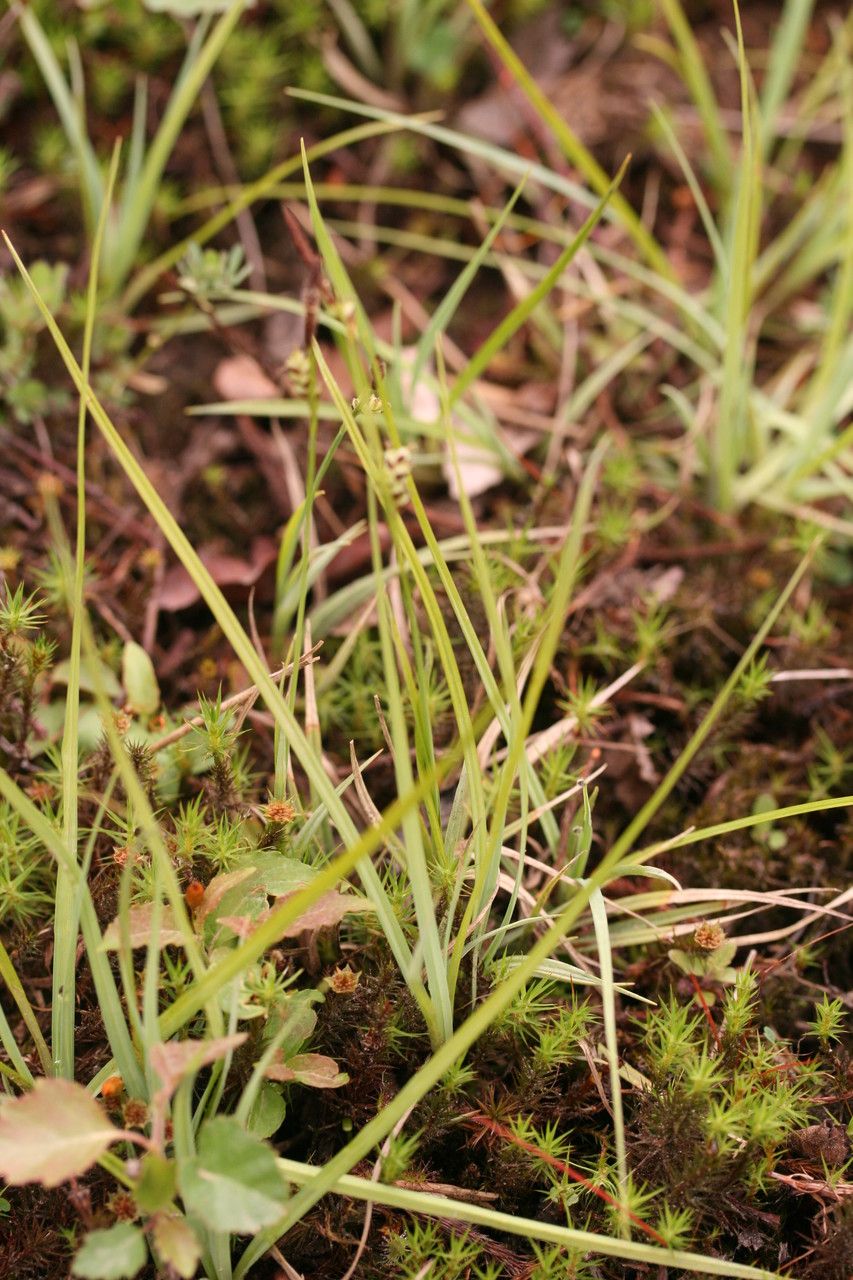
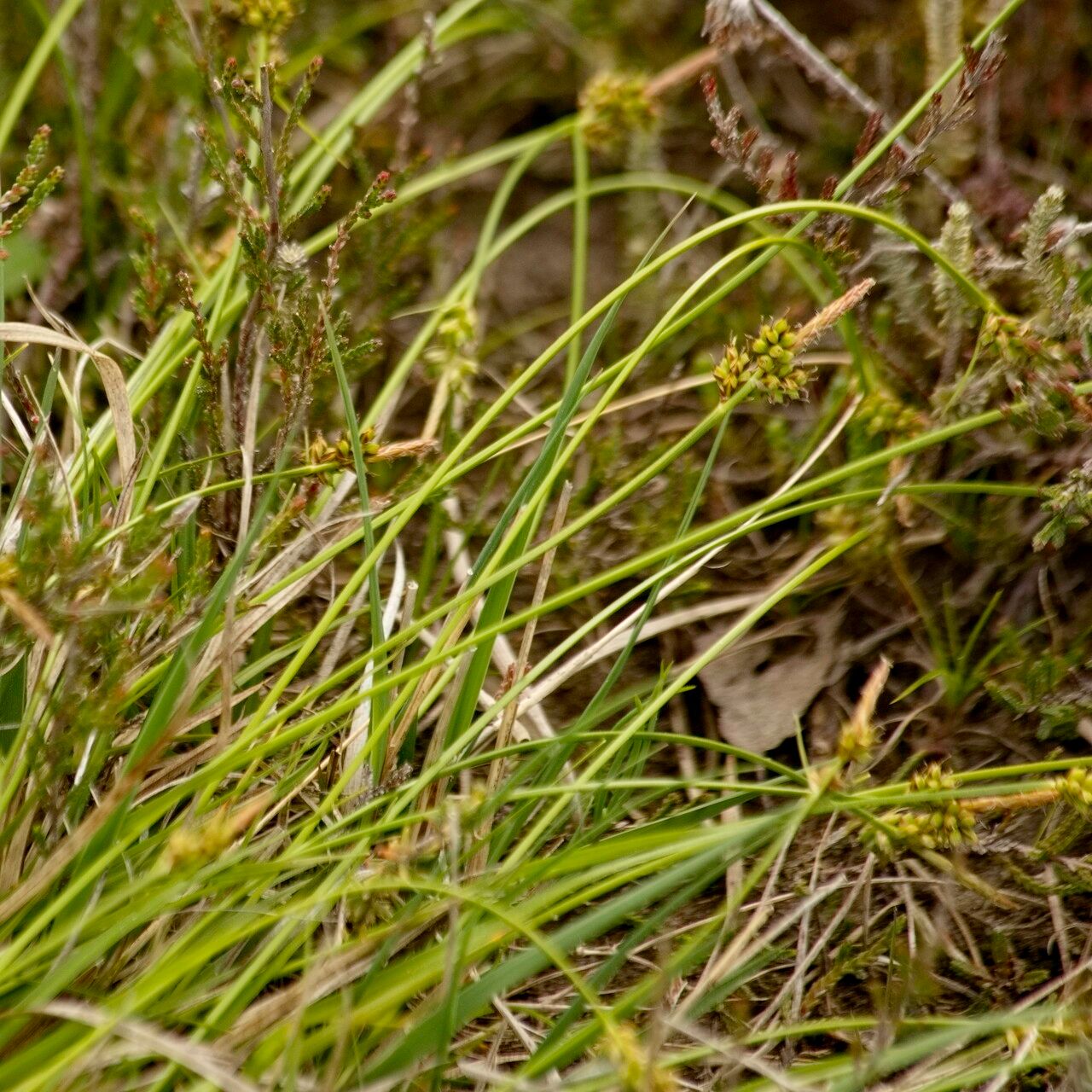
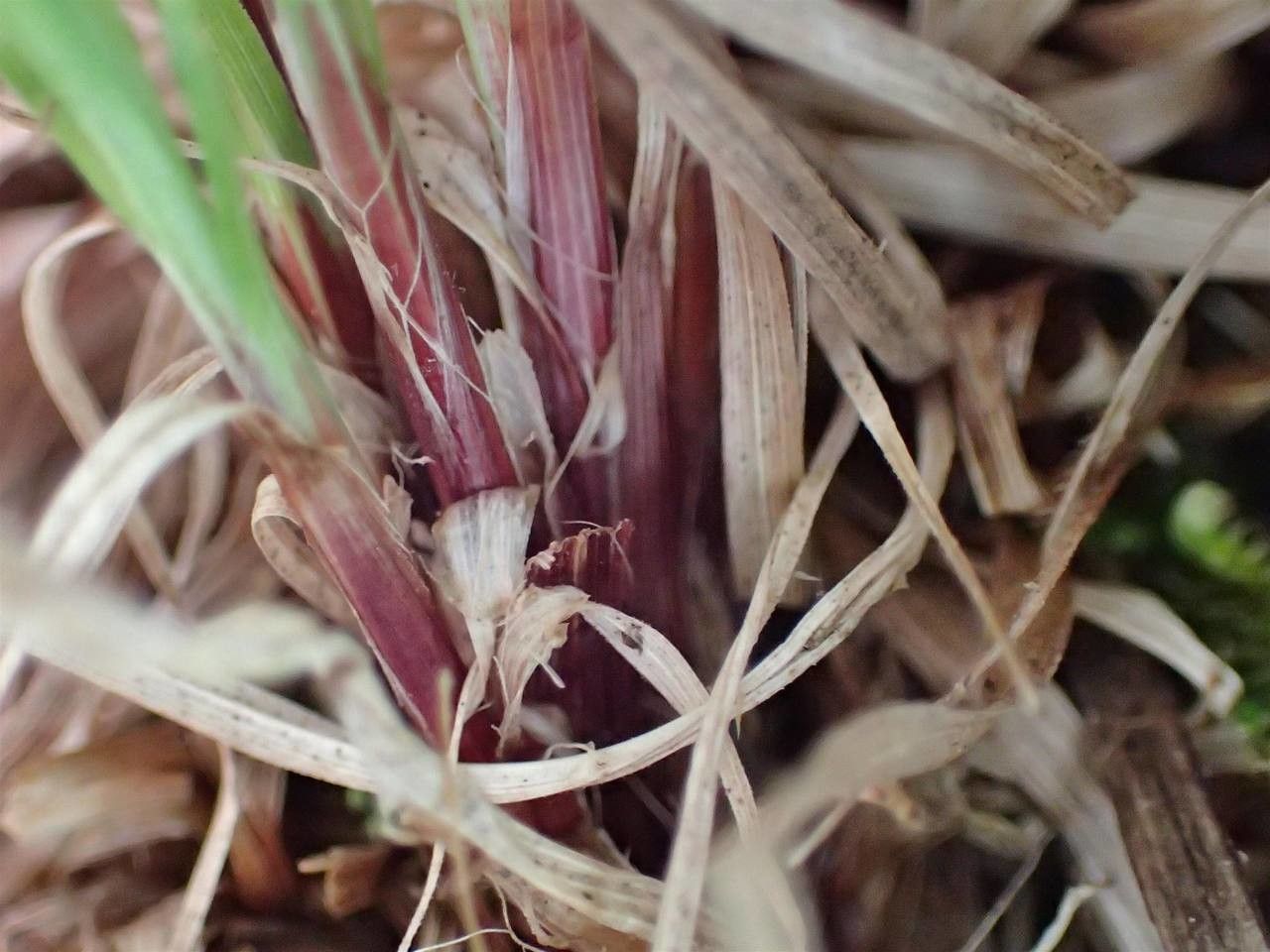
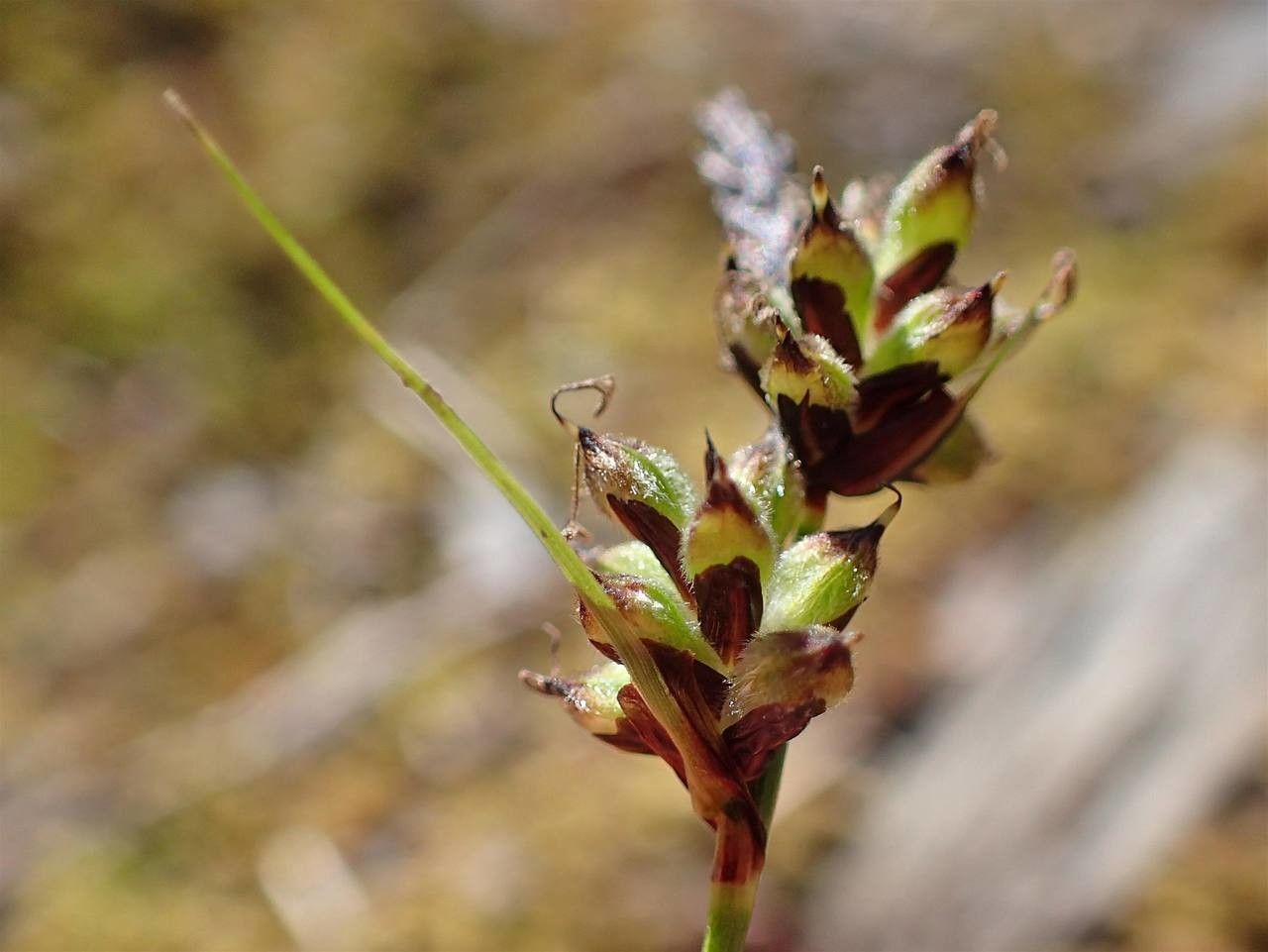
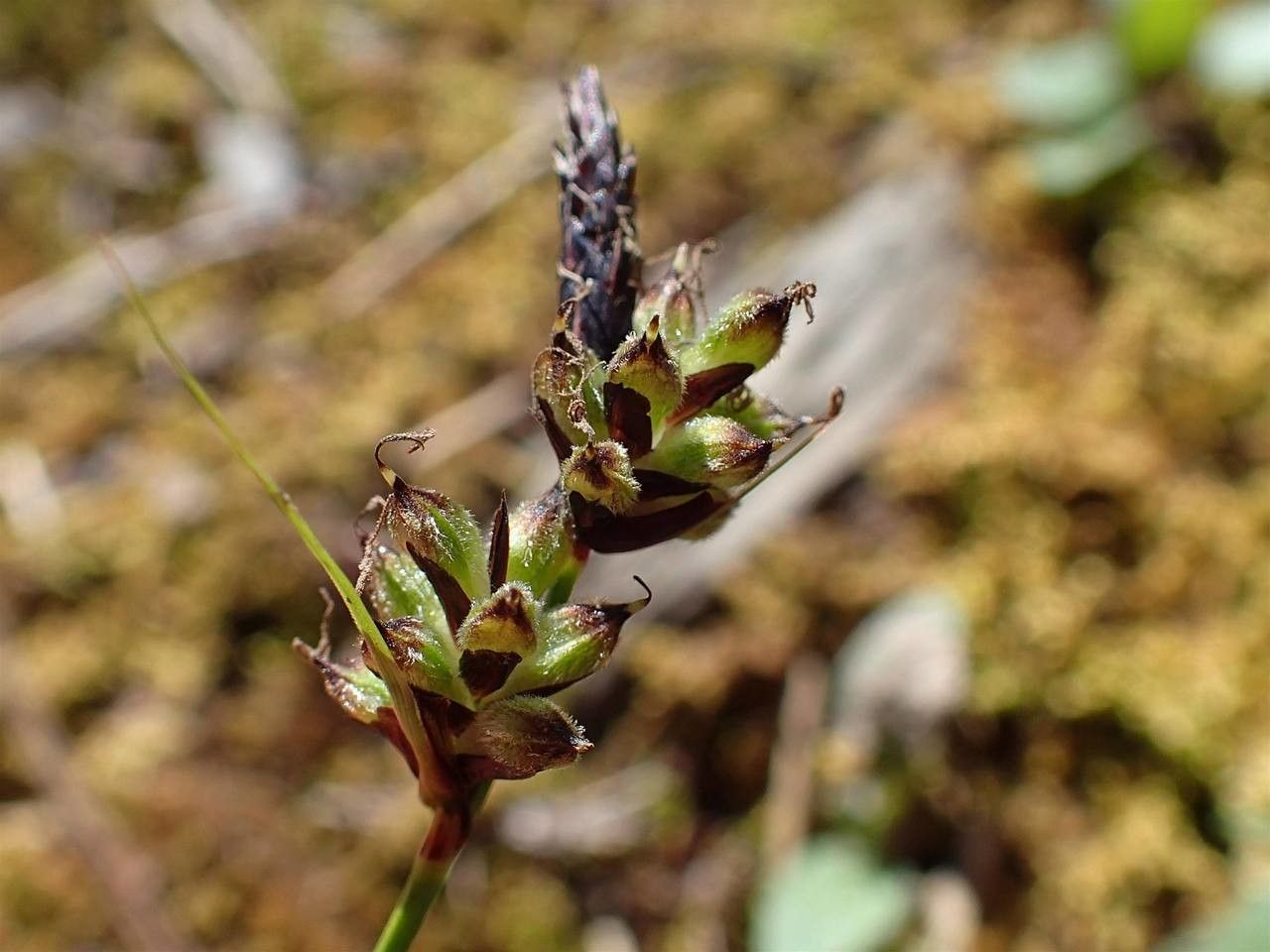
Carex pilulifera, commonly known as the pill sedge, is a perennial plant in the Cyperaceae family. Native to Europe and Asia, it thrives in various habitats, including meadows, woodlands, and wetlands. The plant features narrow, green leaves that can reach up to 30 cm in length, while its triangular stems can grow up to 50 cm tall.
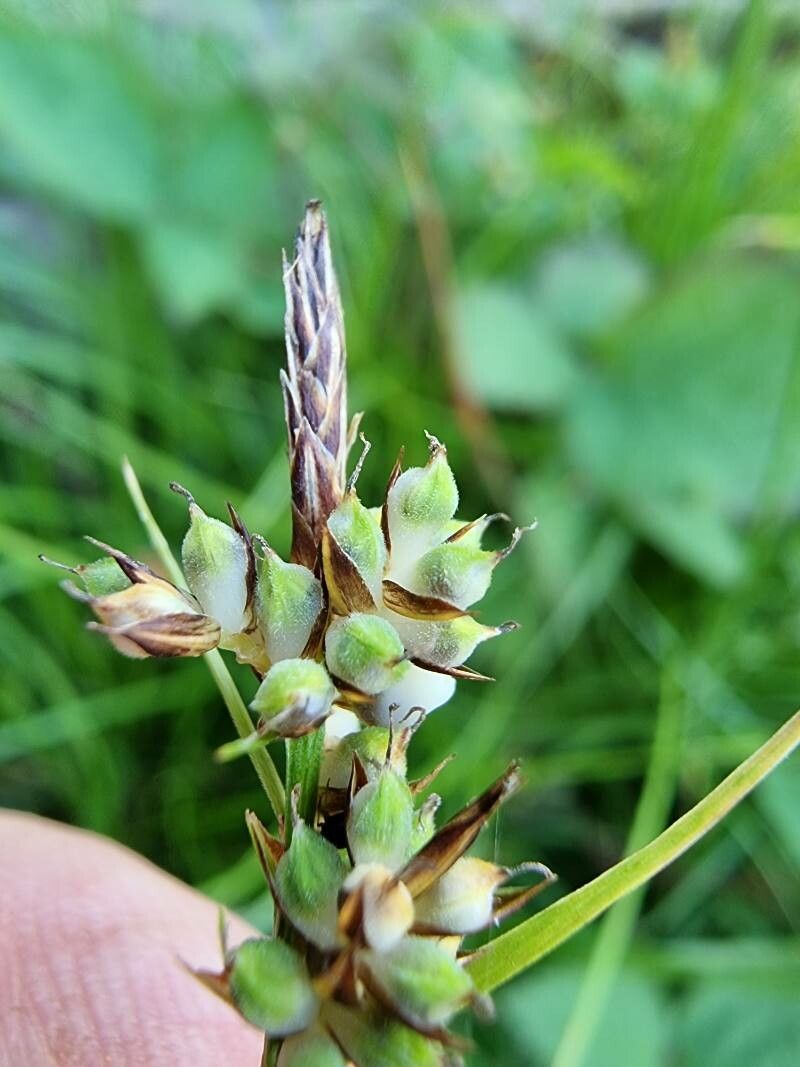
The pill sedge produces small, greenish-brown flowers that bloom from May to July on spikes that rise above the foliage. The seeds, contained in small capsules or "pills," are the origin of the plant's common name.
Carex pilulifera serves as a vital food source for many animals, such as deer, rabbits, and birds, which either feed on its seeds or use the plant for shelter. Additionally, it possesses medicinal properties; traditionally, its roots have been used to treat various ailments, including diarrhea.
In 1754, Lin Nai established the genus known as "true sedge." This plant is a significant component of China's flora and is the dominant grass species in the lowest layer of many forests. In some areas, true sedge makes up most of the lower vegetation. FUN FACT · FROM THE LIBRARY
This low-maintenance plant is easy to grow from seed or by dividing established clumps in the springtime, when new growth emerges after the winter dormancy period.
Overall, Carex pilulifera is an excellent addition for gardeners seeking a low-maintenance ornamental grass with attractive foliage throughout most of the year. It also offers ecological benefits by supporting local wildlife with essential food sources at various stages of their life cycles.
In the Home
Vernal sedge is resistant to disease and is generally unlikely to suffer from illnesses. Carewise, this plant is fairly low-maintenance. When grown outdoors it needs only minimal watering, and larger plants typically do not need pruning. Smaller plants, however, should be pruned after they have finished blooming. Vernal sedget is appropriate for anyone who has an outdoor area, such as a garden or a deck, and it does not demand much gardening experience.