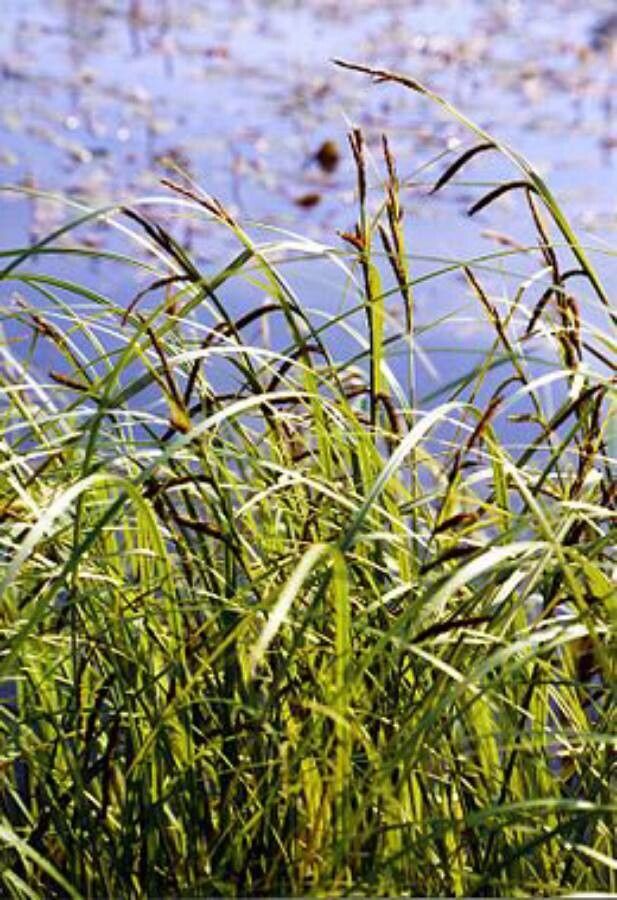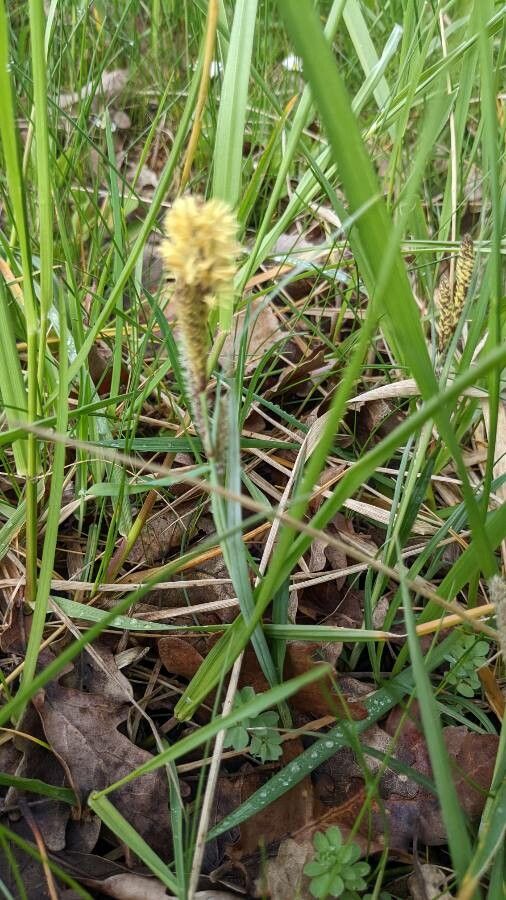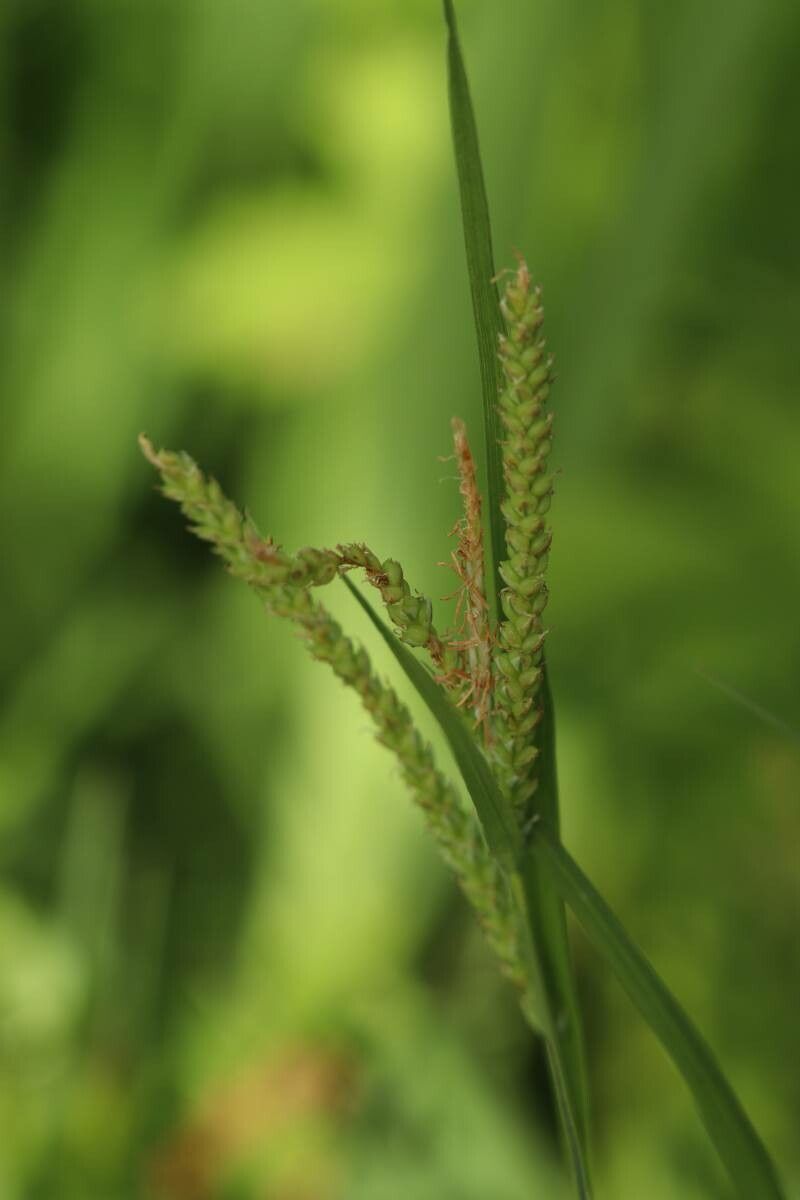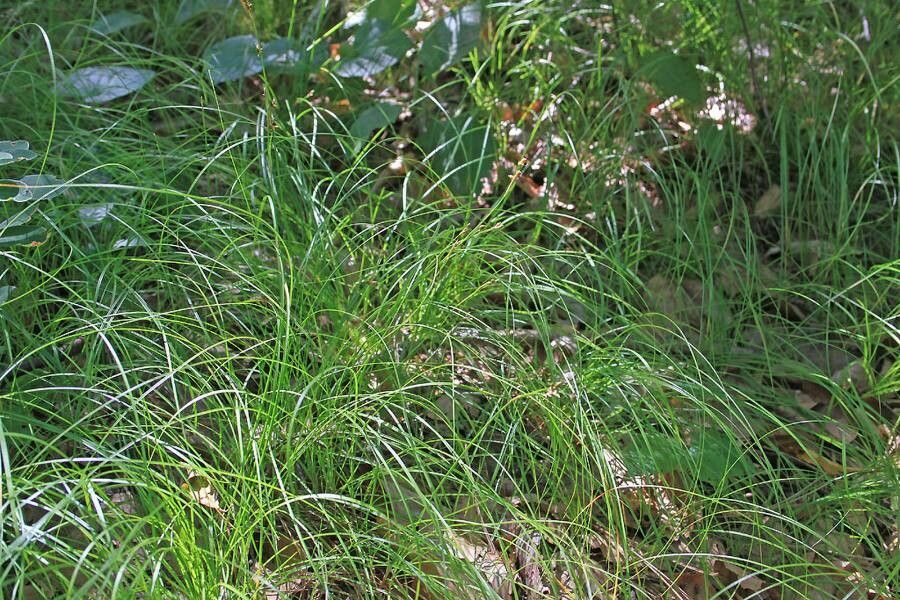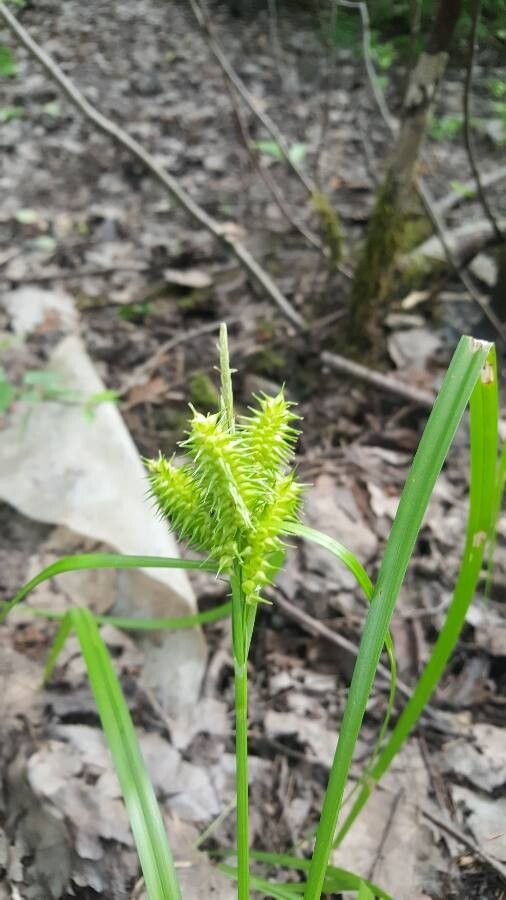
Carex retrorsa, the knotsheath sedge, deflexed bottlebrush sedge, or retrorse sedge, is a widespread species of flowering plant in the family Cyperaceae, native to southern Canada and the northern United States. Preferring wet areas and tolerant of some shade, it is available from speciality nurseries for such uses as ecological restoration projects, erosion control, and rain gardens.
Knotsheath sedge is resistant to disease and is typically not susceptible to illnesses. As for care, this plant is fairly low-maintenance. When grown outdoors it needs little watering, and larger plants generally do not require pruning. Smaller plants, however, should be trimmed after they finish blooming. Knotsheath sedge is appropriate for anyone with outdoor space, such as a garden or deck, and does not demand extensive gardening experience.
How to keep Carex Retrorsa.
Light
Knotsheath sedge generally prefers environments with moderate sunlight, although it can also do well in areas where the sun is frequently blocked. Providing a balanced level of light is important for its healthy growth. Both too much and too little light can negatively affect the plant's wellbeing.
Water
Knotsheath sedge flourishes in moist environments, preferring consistent moisture levels without becoming waterlogged. It is best to water it weekly to mimic its natural wetland habitat. As an outdoor plant, its watering needs and growth cycles can vary depending on the climate zone.
Temperature
Knotsheath sedge comes from environments with temperatures ranging from 50 to 95 °F (10 to 35 °C). It prefers a moderate climate and can usually adapt to different seasons; however, consider providing additional shade during hot summers.
Fertilizer
Knotsheath sedge needs extra nutrients to encourage healthy new growth. In spring, applying compost around the base of the plant will supply the nutrition it requires. Fertilizing supports vigorous growth and helps the plant resist diseases and pests.
Pruning
Knotsheath sedge is a hardy perennial sedge that grows in clumps. For optimal health, prune it in early spring to promote vigorous growth, improve air circulation, and control its spread. Use clean, sharp tools to remove any dead foliage. This practice helps reduce the risk of disease and keeps the plant looking neat and tidy.
Botanical profile.
- Plant Type
- Grass
- Life Cycle
- Perennial
- Genus
- Carex
- Family
- Cyperaceae
- Hardiness Zone
- 6-10
- Mature Height
- 0.1 m to 1.07 m
- Mature Spread
- 30 cm to 61 cm
- Leaf Color
- Green
- Leaf Type
- Evergreen
- Flower Color
- Yellow, Green, Brown
- Bloom Time
- Late spring, Early summer
- Planting Time
- Spring, Summer, Autumn
- Harvest Time
- Mid summer, Late summer
Other names.
Reader questions.
What are the sunlight requirements for Knotsheath sedge?
Knotsheath sedge (Carex retrorsa) has flexible sunlight requirements, thriving in environments ranging from moderate sunlight to full shade. The plant can perform well with about 3-6 hours of sunlight daily (partial sun) but also manages in locations with less than 3 hours of sunlight (full shade). It's important to observe the changing sunlight patterns in your garden to ensure your Knotsheath sedge receives the right balance of light, avoiding both overexposure and insufficient light, which can impact the plant's health.
What is Knotsheath sedge and where does it originate?
Knotsheath sedge, scientifically known as Carex retrorsa, originates in environments where temperatures range between 50 to 95 °F (10 to 35 °C). It thrives best in moderate climates and is adaptable to different seasons. Despite its strong cold resistance, extra shade is advisable during hot summers, and additional cold protection should be considered if winter temperatures are expected to drop below -25°C.
How do you use artificial lighting for Knotsheath sedge indoors?
For indoor Knotsheath sedge lacking natural sunlight, artificial lighting serves as a viable alternative to stimulate its growth. Optimal growth is achieved with adequate lighting, especially during winter or in less naturally illuminated spaces. LED lights are recommended as they cater to the specific light wavelengths needed by plants. The intensity required varies by plant type: full sun plants need 30-50W/sq ft, partial sun plants require 20-30W/sq ft, and full shade plants should have 10-20W/sq ft. The light source should be positioned 12-36 inches above the plant. Mimicking natural daylight, most plants will benefit from 8-12 hours of artificial light per day.
How does Knotsheath sedge handle cold weather?
Knotsheath sedge has significant cold resistance and usually does not require special frost protection measures during winter. However, if temperatures are expected to fall below -25°C, it's important to provide cold protection by covering the plant with materials such as soil or straw. Before the first freeze in autumn, it is recommended to water the plant abundantly to ensure the soil remains moist and enters a frozen state, which helps prevent water scarcity for the plant during winter and early spring.
What are the signs of light deficiency or overexposure in Knotsheath sedge?
Insufficient light in Knotsheath sedge can lead to smaller leaves, leggy growth, faster leaf drop, reduced or ceased growth, and paler, chlorotic leaves. Overexposure to sunlight might result in symptoms such as sunscald, leaf curling, wilting, leaf scorching, indicating damage from intense light. These symptoms suggest a need to adjust the plant's light conditions.
What should be done if Knotsheath sedge experiences low temperatures?
Knotsheath sedge is cold-tolerant and thrives best when temperatures remain above 10°C. During winter, it should be kept above -15°C. However, if temperatures fall below -25°C, there may not be noticeable changes during winter, but a decrease in sprouting, or even no sprouting, could occur during spring. In such cases, it is advised to remove any parts in spring that have failed to sprout as a solution to this problem.
How can I address lighting issues for my Knotsheath sedge?
To mitigate lighting issues for Knotsheath sedge, progressively acclimatize your plant to its ideal sunlight level by gradually moving it to sunnier spots, aiming for 3-6 hours of direct sunlight daily. For plants that are large or hard to move, artificial lighting, such as desk or grow lights, can provide supplemental light indoors for at least 8 hours a day. Outdoors, gently transition plants to optimal sunlight locations to avoid shock and sunburn. If physical obstructions block sunlight, consider pruning or relocating smaller plants to sunnier areas. Note that parts of the plant damaged by poor light may not recover, but new growth should be healthy with proper light adjustment.
How should Knotsheath sedge be cared for in high temperatures?
During the hot summer months, Knotsheath sedge should be kept below 35°C to avoid stress from high temperatures. Should the temperature exceed 41°C, the plant's leaves may become lighter in color, exhibit curling, become prone to sunburn, and, in severe cases, the entire plant may wilt and dry out. To combat this, it is recommended to trim away the sunburned and dried-up parts, move the plant to a location that provides shade from the midday and afternoon sun, or use a shade cloth to create shade. Additionally, watering the plant in the morning and evening will help keep the soil moist.