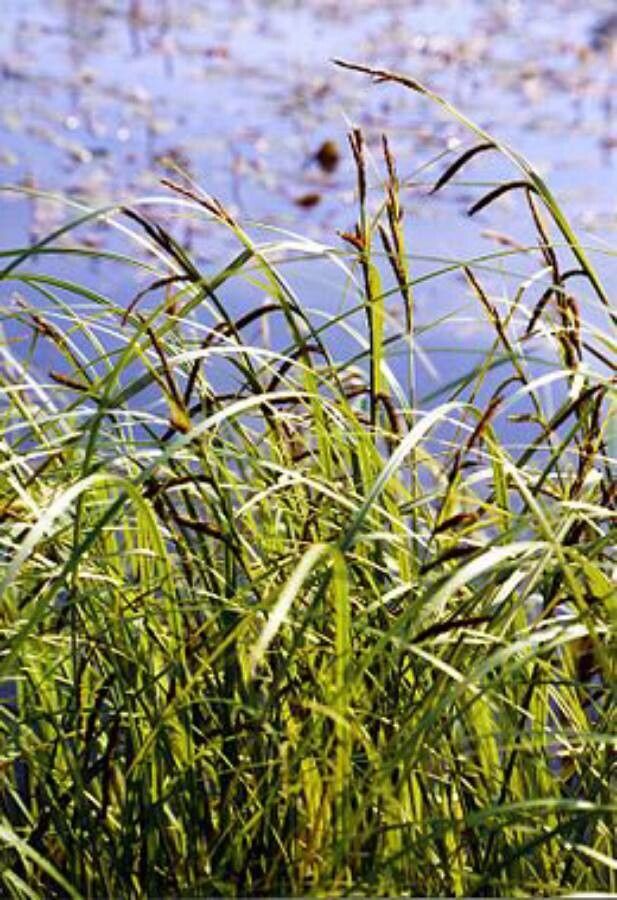
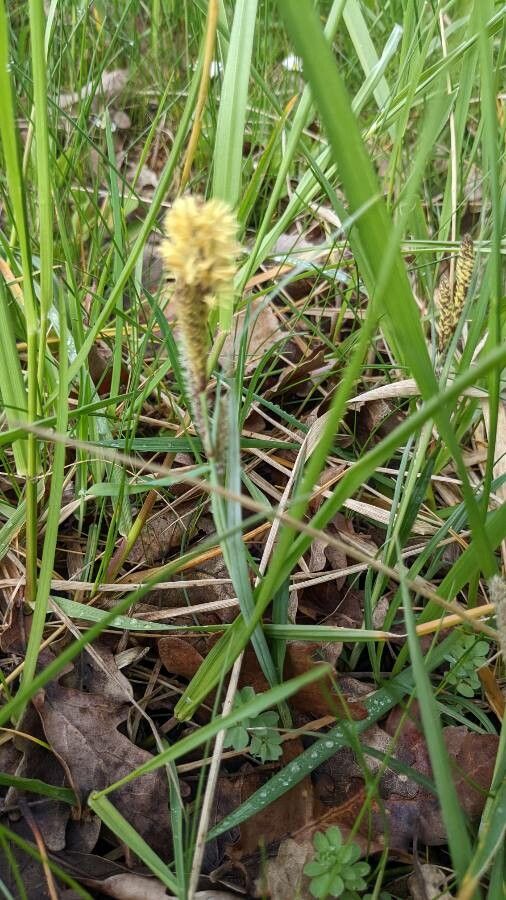
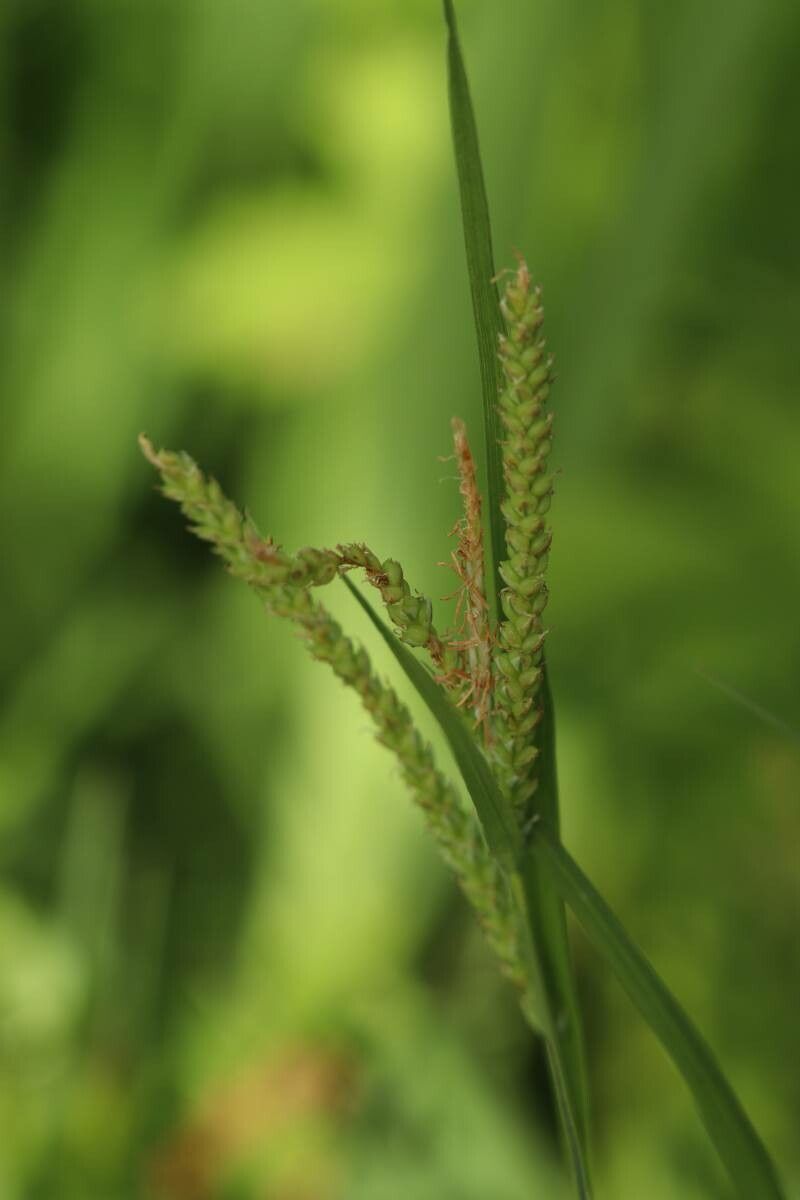
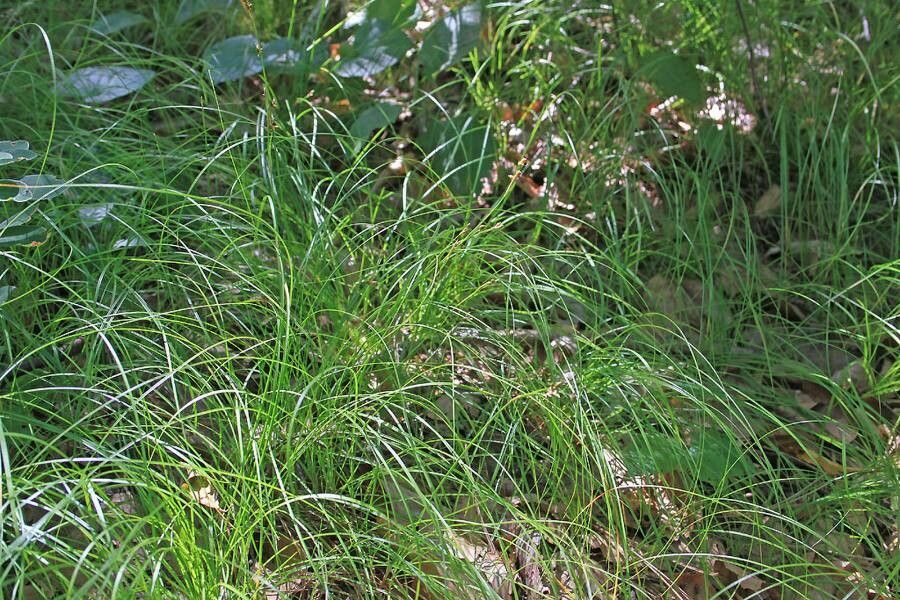
Carex sprengelii, known as Sprengel's sedge and long-beaked sedge, is a sedge with hanging seed heads, native to North America.
Sprengel's sedge has good resistance to disease and is generally not prone to illnesses. However, it can be affected by pests and diseases present in its surroundings. These infections are typically mild. In terms of care, this plant requires moderate maintenance. It should be pruned regularly to preserve its appearance and support healthy growth. Fertilizing can also help encourage flowering. Sprengel's sedge is suitable for anyone with an outdoor area, such as a garden or patio, and does not demand extensive plant-care experience. It may need more attention when grown indoors.
How to keep Carex Sprengelii.
Light
Sprengel's sedge performs best with moderate sunlight, and adequate light is important for its optimal growth. The plant can also tolerate conditions with limited light. However, long-term exposure to intense sunlight can harm the plant and may cause damage.
Water
Sprengel's sedge, which originates from moist woodlands, thrives in consistently damp environments. It prefers soil that remains evenly moist and benefits from weekly watering. This plant is adaptable to different levels of humidity and can tolerate brief periods of wetness. However, it's important to closely monitor soil moisture during the growing season to prevent drought stress.
Temperature
Sprengel's sedge comes from temperate regions and prefers temperatures between 32 and 77 °F (0 to 25 ℃). During certain seasons it may need temperature adjustments to mimic its natural conditions.
Fertilizer
One fertilizer application in spring is generally enough for Sprengel's sedge, though repeated feedings can maximize growth. Apply fertilizer about every month to a month and a half. Fertilization improves the leaves' appearance and function, encouraging even color and a healthy texture. It also promotes root development and nutrient uptake for long-term plant health.
Pruning
Sprengel's sedge grows in clumps with gracefully arching leaves. For healthy growth, it's important to prune this plant from early to late spring by removing any dead leaves. Light pruning helps maintain its natural shape. Be sure to use clean, sharp tools to prevent disease and aid recovery, which will promote new growth and enhance its appearance.
Botanical profile.
- Plant Type
- Herb
- Life Cycle
- Perennial
- Genus
- Carex
- Family
- Cyperaceae
- Hardiness Zone
- 3-5
- Mature Height
- 30 cm to 91 cm
- Mature Spread
- 30 cm
- Leaf Color
- Green, Dark Green
- Leaf Type
- Evergreen
- Flower Color
- Yellow, Green
- Flower Size
- 2.03 cm
- Bloom Time
- Mid spring, Late spring
- Planting Time
- Spring, Summer, Autumn
- Harvest Time
- Early summer, Mid summer
Other names.
Reader questions.
What are the sunlight requirements for Sprengel's sedge?
Sprengel's sedge requires moderate sunshine for optimal growth, and it can also tolerate limited light conditions. However, prolonged exposure to intense sun rays can harm the plant. The plant fares well in partial sun, receiving about 3-6 hours of sunlight per day, but can also grow in full shade with less than 3 hours of sunlight. It's important to monitor the movement of sunlight through your garden to choose the best spots for your plants, ensuring a balance of light and shade to keep them healthy.
What is Sprengel's sedge and where is it native to?
Sprengel's sedge, botanically known as Carex sprengelii, is native to temperate environments. It thrives in temperatures ranging from 32 to 77 °F (0 to 25 °C), preferring to mimic its natural temperate conditions throughout the year. This plant is particularly noted for its high cold tolerance, making it a resilient choice for gardeners in cooler climates.
How can artificial lighting be used for Sprengel's sedge indoor care?
When natural sunlight is not sufficient, especially during winter or in less sunny spaces, artificial lighting becomes a crucial solution for indoor plants like Sprengel's sedge. LED lights are recommended as they can be customized to the specific light wavelengths needed by the plant. For full sun plants, 30-50W/sq ft of artificial light is needed; for partial sun plants, 20-30W/sq ft; and for full shade plants, 10-20W/sq ft. The light source should be placed 12-36 inches above the plant to mimic natural sunlight and be kept on for 8-12 hours per day to emulate natural daylight hours.
How should Sprengel's sedge be cared for in winter?
Despite its high cold tolerance, there are specific care requirements for Sprengel's sedge during winter. To prepare for the colder months, it is advised to water the plant generously before the first freeze of autumn. This practice ensures that the soil remains moist as it enters a frozen state, which helps prevent drought and water scarcity for the plant during the winter and early spring. Additional frost protection measures are not necessary for Sprengel's sedge due to its inherent resilience to cold temperatures.
What are the symptoms of light deficiency in Sprengel's sedge?
In conditions of insufficient light, Sprengel's sedge shows several symptoms indicating light deficiency. These include smaller new leaves compared to mature ones, leggy or sparse growth, faster leaf drop, halted growth, lighter-colored new leaves, and symptoms of excessive sunlight exposure like chlorosis, sunscald, leaf curling, wilting, and leaf scorching. The plant adapts to the limited light by entering a survival mode which drastically affects its growth and overall health.
What should be done if Sprengel's sedge experiences extremely low temperatures?
Sprengel's sedge is extremely cold-tolerant, capable of enduring winter conditions above -35°C without noticeable changes. However, should the temperature drop below this threshold, the plant might exhibit decreased sprouting or fail to sprout at all during spring. In such cases, it's recommended to remove any parts of the plant that have failed to sprout come spring, as this can help encourage new growth and maintain the plant's health.
How can I address and improve the light conditions for Sprengel's sedge?
To optimize light conditions for Sprengel's sedge, gradually adapt your plant to changing light conditions by shifting it to sunnier spots each week until it receives the ideal 3-6 hours of direct sunlight daily. If the plant is large or not easily movable, consider providing additional light using artificial methods such as keeping a desk or ceiling lamp on for at least 8 hours daily or investing in professional grow lights. For outdoor plants, avoid sudden light intensity changes to prevent sunburn. Minimize sunlight obstructions by pruning or moving smaller plants during their dormant period to locations with ample sunlight and good drainage. Although parts of the plant that have suffered from insufficient sunlight may not recover, new growth will be healthy with improved light exposure.
How can Sprengel's sedge be protected from high temperatures?
Sprengel's sedge does not tolerate high temperatures well. When exposed to temperatures exceeding 25°C, its growth can stall, and it may become more vulnerable to issues such as rot. To protect the plant in hotter climates or seasons, gardeners should trim away any sunburned or dried-up parts of the plant. Moving the plant to a shaded location or employing a shade cloth to shield it from the midday and afternoon sun can also be beneficial. Additionally, watering the plant in the morning and evening will help keep the soil moist and support the plant's health.