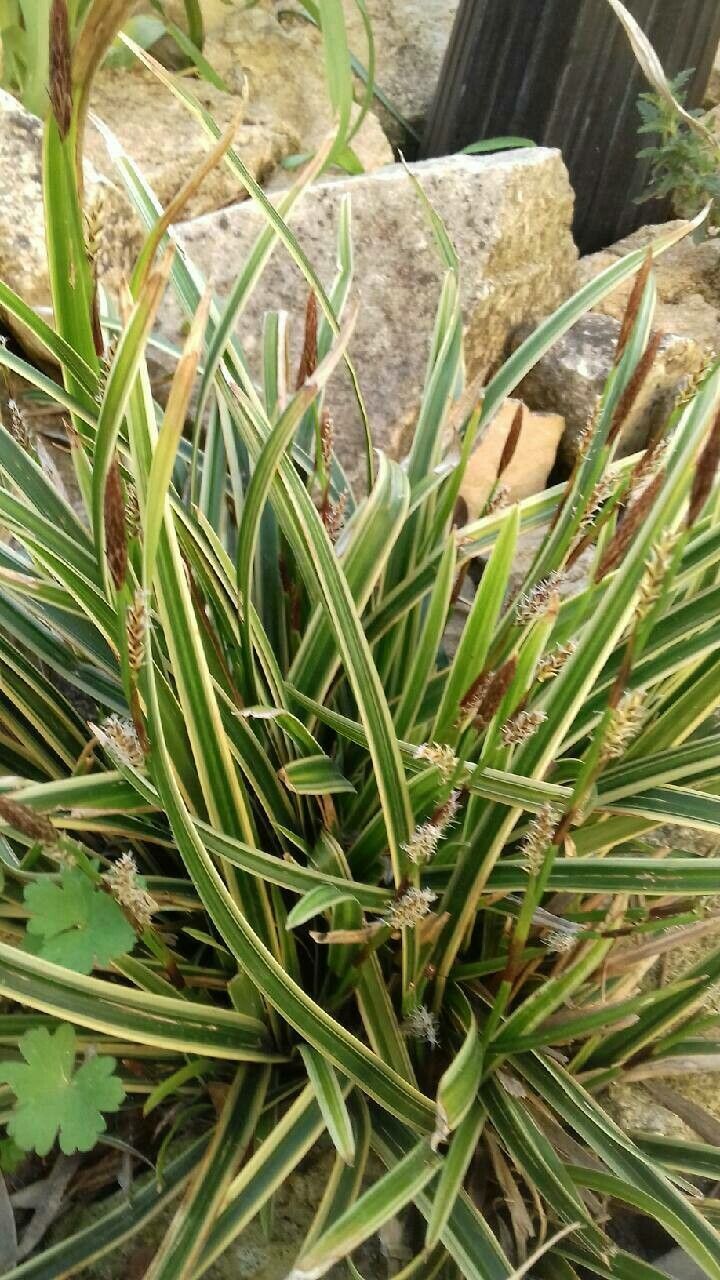
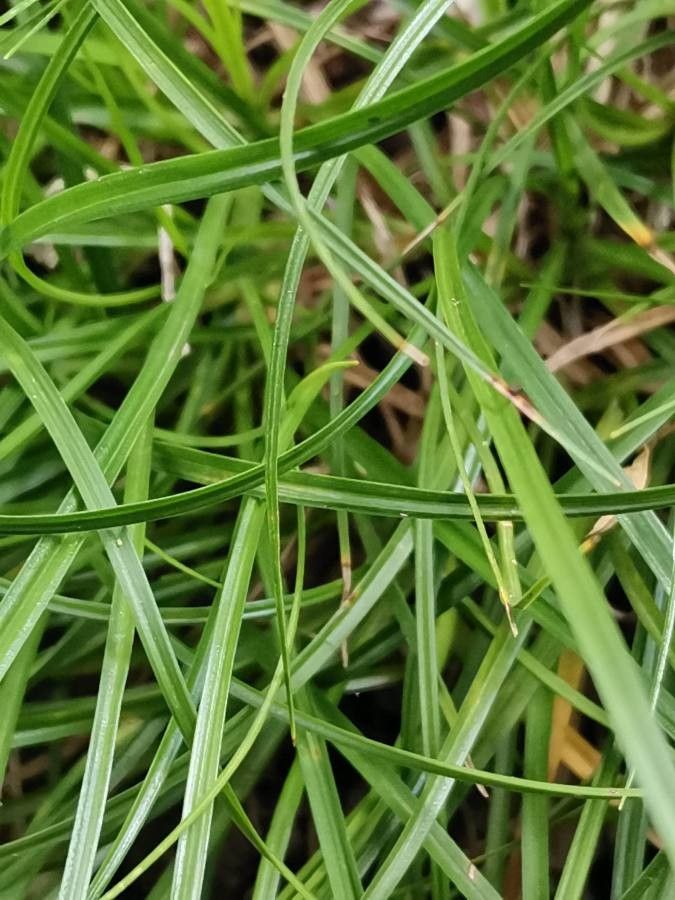
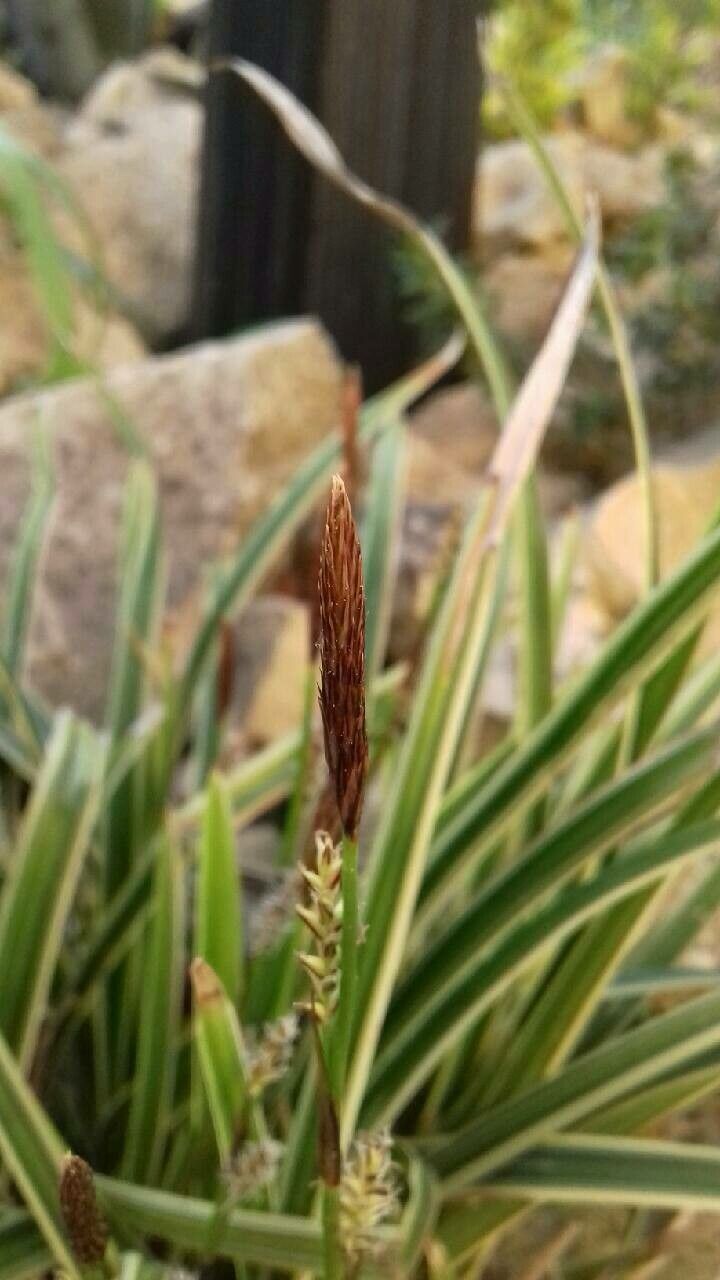
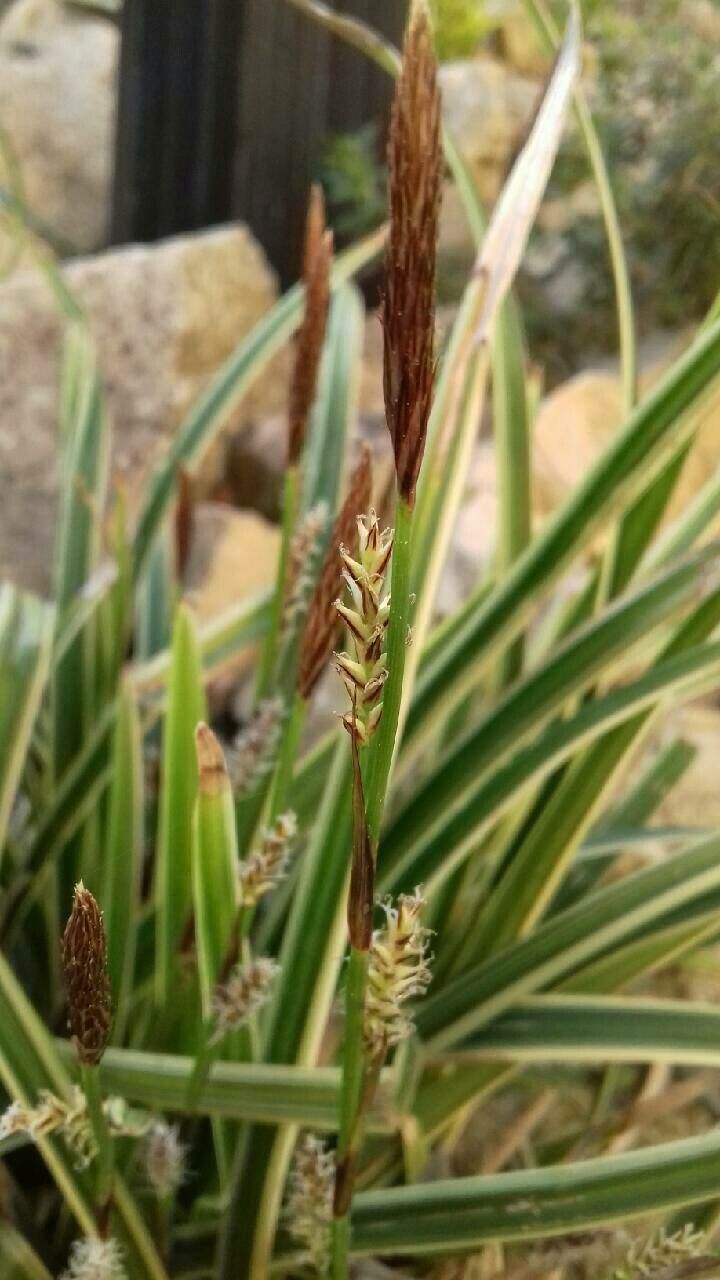
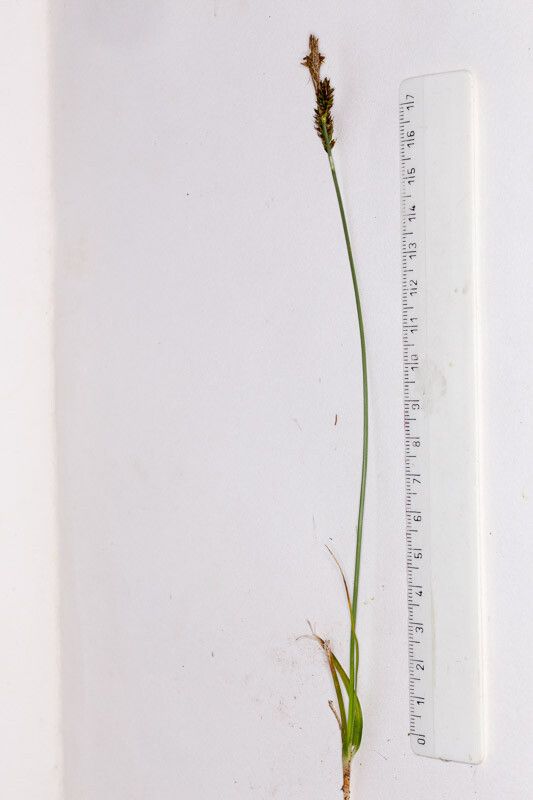
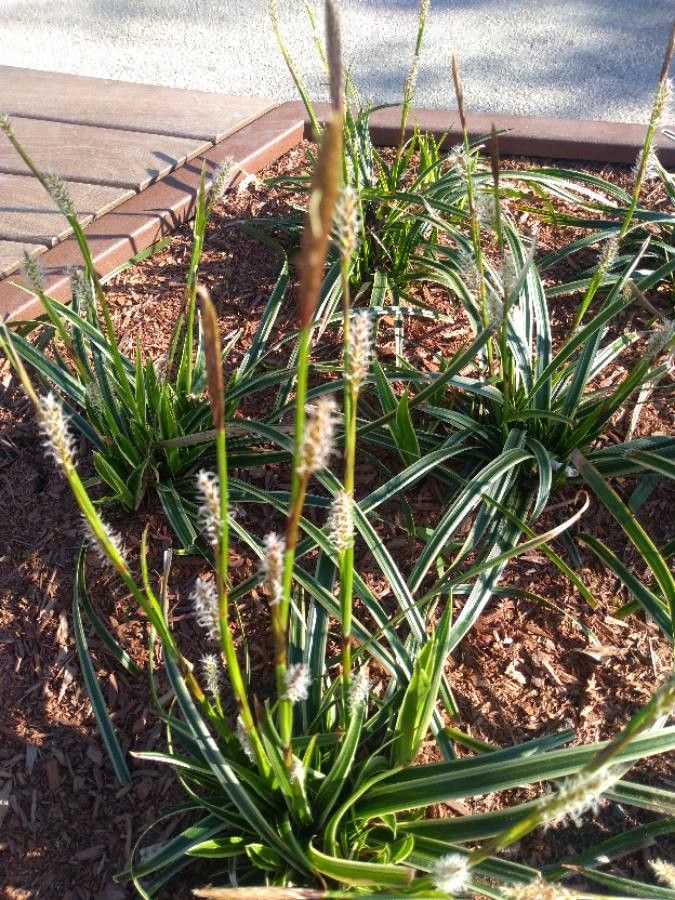
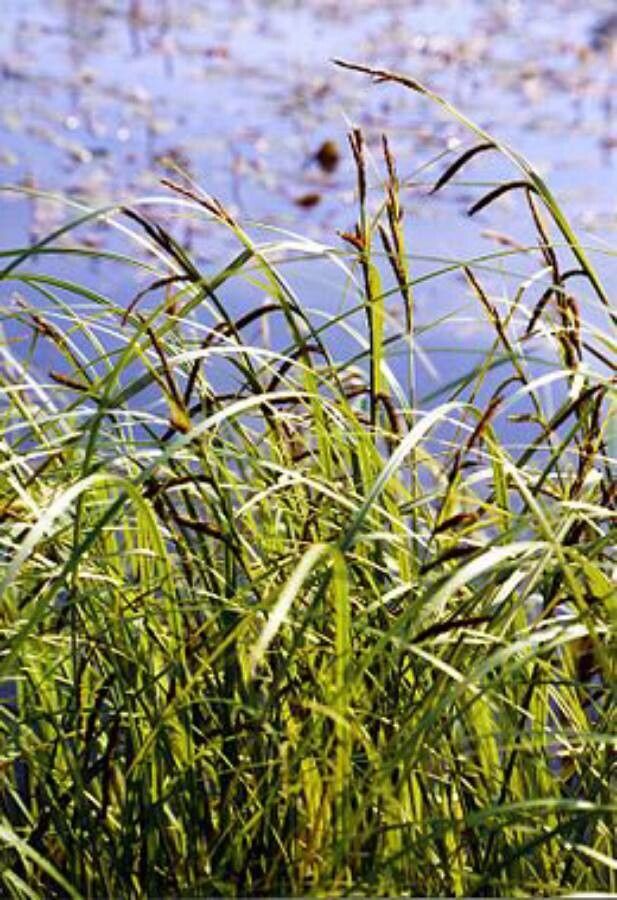
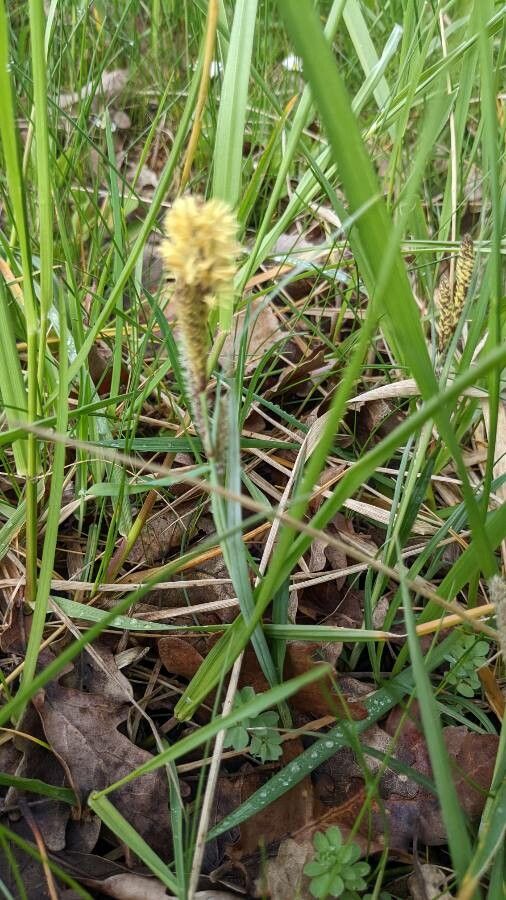
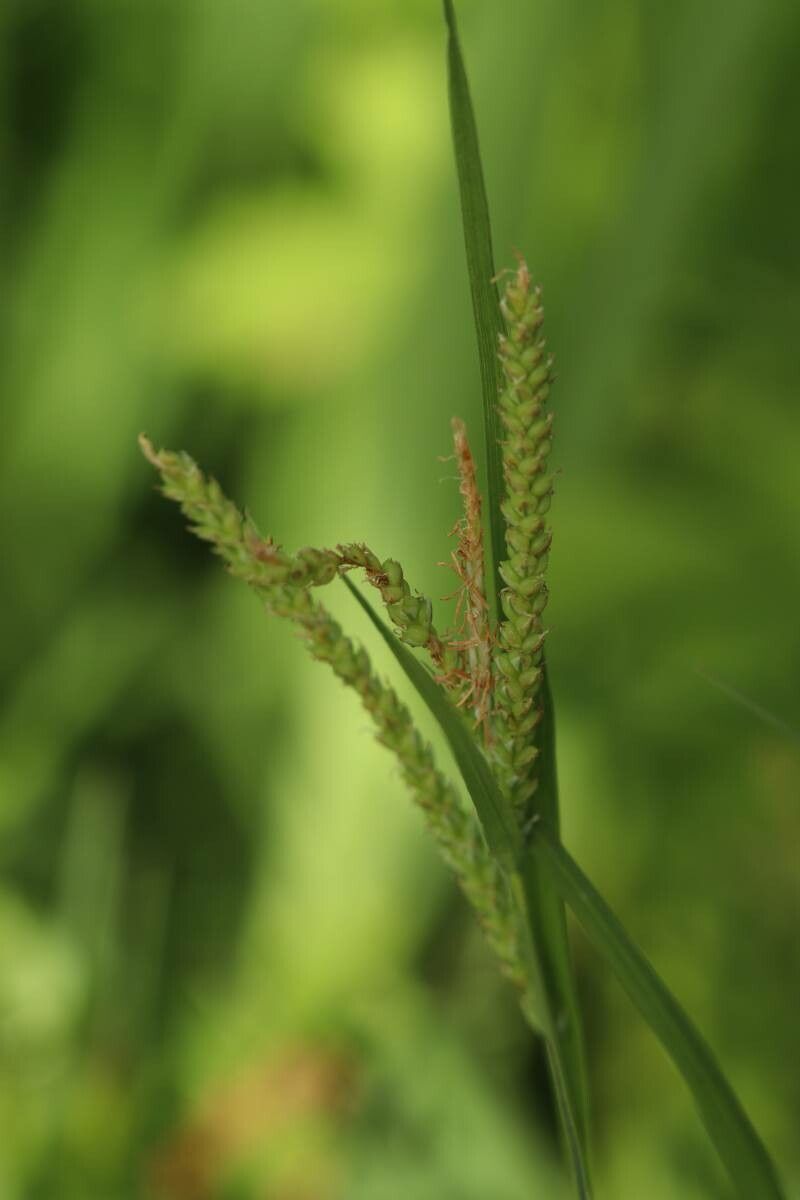
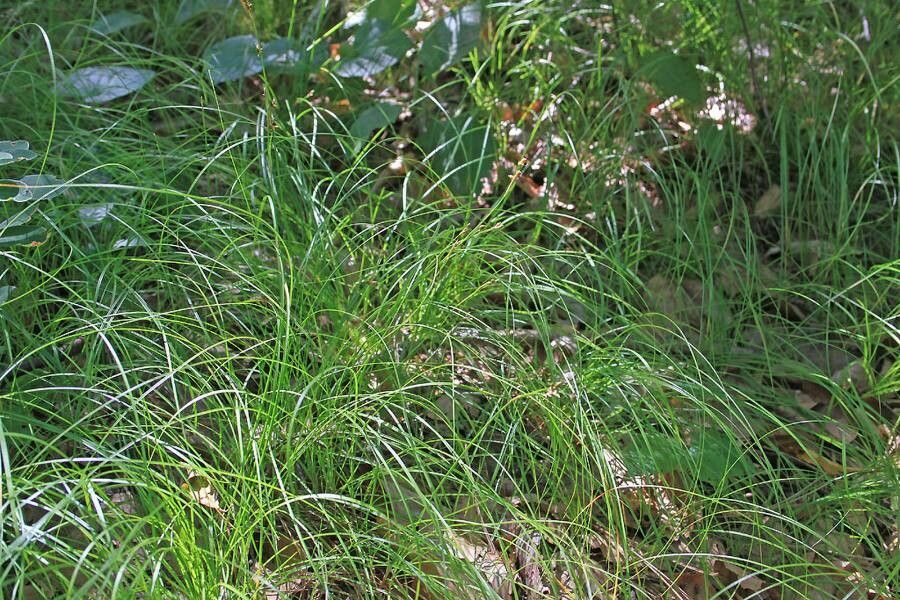
Carex umbrosa is a species of sedge native to Europe and Asia as far east as Japan.
Shady sedge has strong disease resistance and is generally unlikely to develop illnesses. Regarding care, this plant is fairly low-maintenance. When grown outdoors it needs little watering, and larger specimens typically do not require pruning. Smaller plants, however, should be trimmed after they have bloomed. Shady sedge is appropriate for anyone with an outdoor area, such as a garden or a deck, and does not demand much plant-care experience.
How to keep Carex Umbrosa.
Light
The shady sedge does best in locations that receive moderate sunlight during the day. It can, however, tolerate environments with minimal sun exposure. Excessive sunlight can cause damage, while too little light may restrict effective growth. Its natural habitat is made up of moderately sunlit areas, and that determines its sunlight needs.
Water
Shady sedge flourishes in its natural understory habitat where there is consistent moisture. It thrives best in evenly moist soil and has a moderate tolerance to drought. To encourage lush foliage, it's helpful to water the plant weekly. Additionally, mulching is beneficial during the active growing season as it helps retain moisture.
Temperature
Shady sedge can adjust to a wide variety of temperature conditions, yet its distribution can still be restricted by particular combinations of water and heat. It does best in warm summer climates with sufficient rainfall or watering. Extended periods of cloudy, rainy weather, as well as prolonged high temperatures, can raise the likelihood of Shady sedge dying. In winter, adequate protection from cold can improve the plant's survival rate.
Fertilizer
Shady sedge needs extra nutrients to encourage healthy new growth. In spring, placing compost around the plant's base can effectively supply the nutrition it requires. Fertilizing helps support vigorous growth and enables the plant to better resist diseases and pests.
Pruning
Shady sedge is a shade-loving plant known for its tufted foliage. To keep it healthy and looking its best, prune it in early spring. Remove any dead leaves and cut old stems down to ground level to promote vigorous growth. Regular pruning not only improves air circulation but also enhances the plant's appearance. Be sure to use clean, sharp tools to prevent injury to the plant.
Botanical profile.
- Plant Type
- Grass
- Life Cycle
- Perennial
- Genus
- Carex
- Family
- Cyperaceae
- Hardiness Zone
- 4-9
- Mature Height
- 10 cm to 20 cm
- Mature Spread
- 30 cm to 40 cm
- Leaf Color
- Dark Green
- Leaf Type
- Evergreen
- Flower Color
- Yellow, Green, Brown
- Flower Size
- 0.25 cm to 0.51 cm
- Bloom Time
- Early spring, Mid spring
- Planting Time
- Spring, Summer, Autumn
- Harvest Time
- Late spring, Early summer
Other names.
Reader questions.
What do I do if I give my Shady sedge plant too much water or too little water?
Proper watering is crucial for the healthy growth of this beautiful ornamental grass. When planted in the ground, watering issues can be resolved. However, in a container, over or under-watering can quickly cause the demise of Shady sedge. Insufficient watering can lead to stunted growth and drooping leaves, weak seed head production, and browning. On the other hand, overwatering can result in yellow leaves with brown tips. If you suspect incorrect watering, first identify whether it's receiving too much or too little water. If overwatered, stop watering immediately and allow the soil to dry out naturally. Once new growth appears, test the soil's moisture level before deciding whether to water more. In the case of underwatering, simply give the grass a deep drink and observe if it perks up. It's important to note that a long and deep watering session is more beneficial than frequent shallow waterings. Deep watering helps the grass develop deep roots, improving its resistance to drought and minimizing watering-related issues.
What are the sunlight requirements for Shady Sedge?
Shady sedge (Carex umbrosa) thrives best in areas with moderate sunlight but can also adapt to environments with minimal sun exposure. It requires about 3-6 hours of sunlight daily, categorized under 'Partial sun.' However, it can survive in 'Full shade' conditions, which are defined as receiving less than 3 hours of sunlight per day. It's important to observe how sunlight moves through your garden to find spots providing the right balance of light for the plant's needs, ensuring their well-being.
How frequently should I water my Shady sedge plant?
The watering needs of Shady sedge depend on its location. Generally, water this grass once a week. In hot climates, watering once or twice a week in the summer may be necessary. In moderate climates, watering once every seven days or more may be enough. Grass in containers usually needs more frequent watering compared to grasses in the ground. However, the location also matters for Shady sedge, as it can thrive in full sun or part shade. Shaded grasses need less frequent watering compared to grasses in the ground. Only water Shady sedge when the soil is dry. You can check if the soil is dry by pressing your finger a couple of inches into the soil. For potted Shady sedge, you can also check the weight of the pot or feel how light it is. If the roots lack water, the blades may appear folded and thinner than usual. Despite being drought-tolerant, regular, deep waterings will enhance its color. In the wild, Shady sedge grows in open scrubland, experiencing extreme heat, bright sun, and intermittent rain. Although it is drought-resistant, it still requires care and attention. Consistent watering is recommended for optimal growth. Newly planted Shady sedge needs more frequent watering until it establishes deep roots. For potted Shady sedge, the soil dries quickly in hot, direct sun. Test the soil every 3 to 4 days and water only if it feels dry. Shady sedge in the ground generally needs less watering, but this depends on the type of soil. Heavy clay soil holds water longer and may feel dry at the surface while retaining moisture below. Sandy soils that drain quickly require more frequent watering.
How should indoor Shady Sedge plants be lit with artificial lighting?
Indoor Shady Sedge plants require adequate lighting for optimal growth, especially when natural sunlight is insufficient. Artificial lights, such as LED lights, provide a great solution by offering the specific wavelengths plants need. For optimal growth, full-sun plants need 30-50W/sq ft of artificial light, partial sun plants need 20-30W/sq ft, and full shade plants need 10-20W/sq ft. The artificial light source should be placed 12-36 inches above the plant to mimic natural sunlight and be kept on for 8-12 hours per day, depending on the plant species' natural daylight needs.
What should I watch out for when watering my Shady sedge in different seasons, climates, or during different stages of growth?
To determine if you're watering adequately, check the rate at which your grass is growing. Shady sedge, for example, can double in size during the hottest months of the year. If the weather is hot but the grass is not growing vigorously, you may need to adjust your watering schedule. In winter, you can water once a month, but make sure to test the soil for moisture. During the warmer months when the grass is growing, it will require more water. However, during winter and cooler months, the water needs will decrease significantly. Remember that with Shady sedge, it's crucial to let the soil dry out completely before adding water.
What symptoms indicate a Shady Sedge is receiving insufficient light?
When a Shady Sedge does not receive enough light, it may exhibit several symptoms indicating light deficiency. These include the growth of smaller leaves compared to previous ones, leggy or sparse growth, faster leaf drop, delayed or halted growth, and the development of paler or irregularly colored new leaves. Additionally, chlorosis (yellowing leaves), sunscald, leaf curling, wilting, and leaf scorching can occur, particularly when the plant is exposed to excessive sunlight. These symptoms affect the plant's health and appearance.
What strategies can be employed to improve light conditions for Shady Sedge?
To optimize light conditions for Shady Sedge, gradual adaptation is key. For indoor plants, shifting them to sunnier spots or using artificial light like desk or ceiling lamps for at least 8 hours daily can help. Outdoor plants should be moved to sunnier locations progressively each week to avoid sunburn. Reducing obstructions such as pruning trees can also increase sunlight access. For smaller plants, transplanting during their dormant period to a location with better sunlight and drainage is advisable. It's important to note that parts of the plant affected by insufficient sunlight may not recover, but new growth will be healthy with improved light exposure.