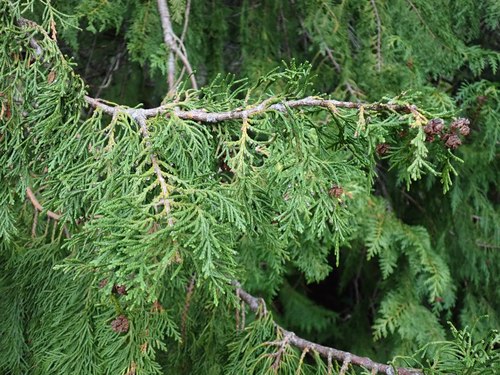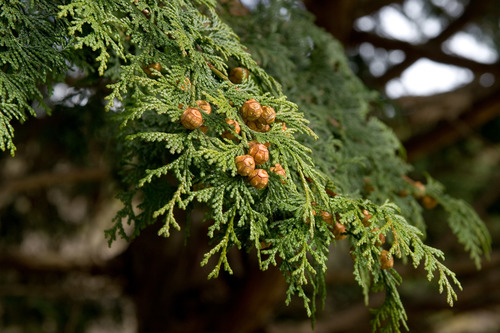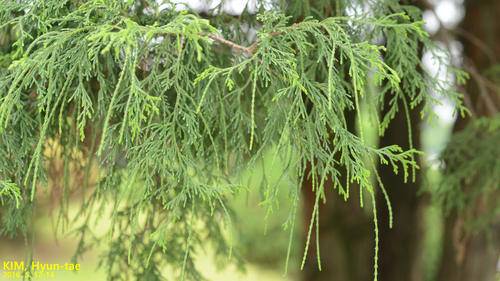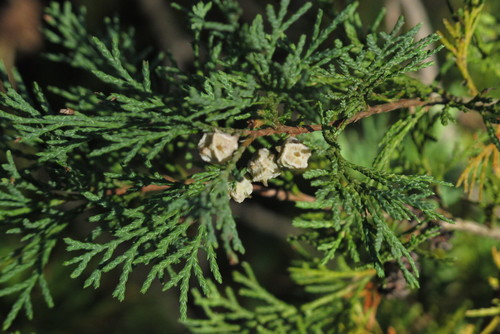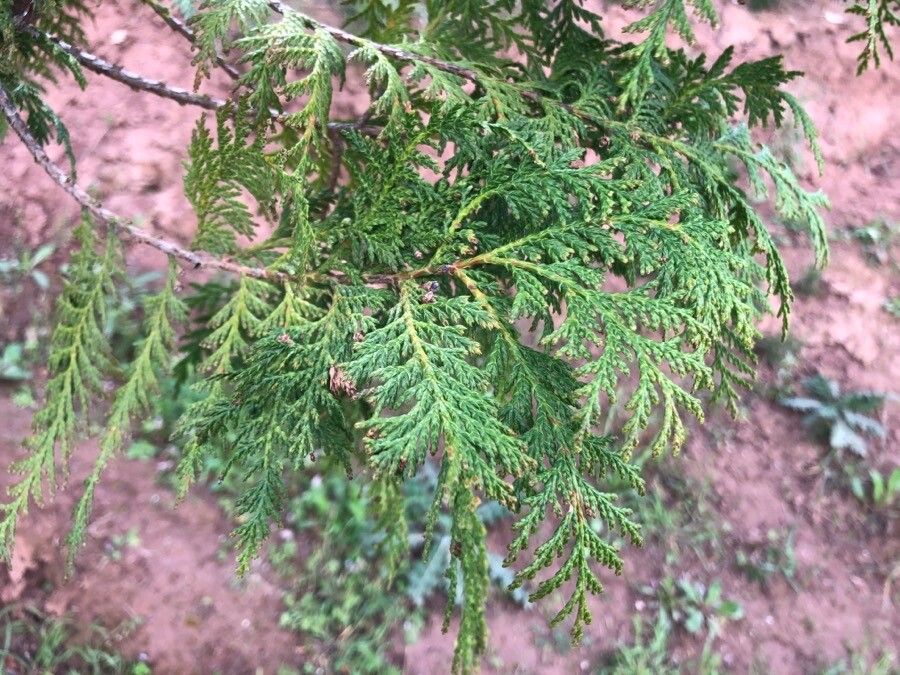
Chamaecyparis formosensis (Formosan cypress, Taiwan cypress, Taiwan red cypress; Chinese: 紅檜/红桧 hóngguì, Taiwan pron. hóngkuài) is a species of Chamaecyparis, endemic to Taiwan, where it grows in the central mountains at moderate to high altitudes of 1000–2900 m. It is threatened by habitat loss and over-cutting for its valuable timber.
Formosan cypress demonstrates good resistance to diseases and is generally not prone to them. Regarding care, this plant is relatively low-maintenance. When grown outdoors it needs minimal watering, and larger plants typically do not require pruning. Smaller plants, however, should be pruned after they have bloomed. Formosan cypress is appropriate for anyone with an outdoor space, such as a garden or deck, and does not demand much care experience.
How to keep Chamaecyparis Formosensis.
Light
The Formosan cypress flourishes in locations that provide ample sunlight throughout the day, yet it can also endure in places with slightly less light. An excessive or insufficient amount can impede its growth; therefore, a balance is key to its wellbeing. This is linked to its original habitat, areas recognized for their plentiful sunshine.
Water
Formosan cypress thrives in cool, moist environments and needs consistent watering, usually every 1-2 weeks. It has moderate drought tolerance, thanks to its needle-like foliage that helps conserve water. As an evergreen, formosan cypress keeps its needles year-round, which is vital for managing hydration in cooler climates.
Temperature
The Formosan cypress showcases tremendous versatility across different weather conditions, including extreme summers and cold winters. Yet, it does possess a preferred temperature spectrum for optimal growth. If temperatures rise too high, the plant may succumb to the strain of heat and humidity, potentially leading to its death. As for areas where temperatures recede to the lower extreme of its cold endurance, applying insulative strategies are crucial to safeguard the plant.
Fertilizer
The Formosan cypress has specific nutritional needs and doesn't require over-fertilization. It's best to fertilize during spring for maximum growth. Enhancing its nutrient intake contributes to its overall health, increases its ability to ward off pests and illnesses, and aids in extending its lifespan.
Pruning
The Formosan cypress is a tall, evergreen conifer known for its aromatic wood. To improve its shape and health, you should prune it between early and late winter, removing any dead or crossing branches. Regular pruning enhances both its appearance and health by promoting better light and air circulation, which helps reduce the risk of diseases and supports the tree's longevity.
Botanical profile.
- Plant Type
- Tree
- Life Cycle
- Perennial
- Genus
- Chamaecyparis
- Family
- Cupressaceae
- Hardiness Zone
- 7-10
- Mature Height
- 54.86 m to 60.05 m
- Mature Spread
- 6.1 m to 10.06 m
- Leaf Color
- Green
- Leaf Type
- Evergreen
- Flower Color
- Green
- Bloom Time
- Early spring, Mid spring
- Planting Time
- Spring, Summer, Autumn
- Harvest Time
- Late summer, Early fall, Mid fall
- Native Area
- China
Other names.
Reader questions.
What are the sunlight requirements for Formosan cypress?
Formosan cypress requires full sun, meaning it thrives best in environments that provide more than 6 hours of sunlight daily. However, it can also adapt to partial sunlight conditions, which consist of about 3-6 hours of sunlight each day. It's important to observe how sunlight moves through your garden to find spots that offer a perfect balance of light and shade, ensuring the plant's health. In its native habitat, the Formosan cypress is accustomed to abundant light exposure throughout the day, but it's also resilient in areas with slightly less light. Adequate sunlight is essential for its growth; too much or too little can adversely affect its development.
How does artificial lighting benefit indoor Formosan cypress plants?
Indoor Formosan cypress plants benefit substantially from artificial lighting, especially when natural sunlight is insufficient, such as during winter or in less sunny locations. Artificial lights, particularly LED lights, can be customized to provide specific wavelengths of light needed for optimal growth. For indoor plants, the amount of artificial light required varies: full sun plants need 30-50W/sq ft, partial sun plants need 20-30W/sq ft, and full shade plants need 10-20W/sq ft of artificial light. The ideal placement for artificial lights is 12-36 inches above the plant to emulate natural sunlight as closely as possible. Mimicking natural daylight hours is crucial, with most plants thriving on 8-12 hours of light per day.
What are the common symptoms of inadequate light in Formosan cypress?
Formosan cypress may exhibit several symptoms when subjected to insufficient light, including reduced leaf size, leggy or sparse growth, premature leaf drop, stunted or halted growth, and the development of lighter-colored or yellow leaves due to a lack of chlorophyll and essential nutrients. Other signs of stress due to inadequate sunlight include chlorosis, sunscald, leaf curling, wilting, and leaf scorching. These symptoms indicate that the plant is not receiving the optimal amount of light for photosynthesis and overall health.
How can I address light deficiency symptoms in Formosan cypress?
To combat light deficiency in Formosan cypress, consider gradually moving your plant to a location with more sunlight, aiming for at least 6 hours of direct sun daily. For indoor plants not easily relocated, using artificial lights such as desk or ceiling lamps for a minimum of 8 hours per day can supplement light needs. If the plant is situated outdoors, relocate it gradually to a sunnier location to prevent shock. Additionally, if your plant is affected by obstacles blocking sunlight, identify and modify these obstructions, possibly through pruning or transplanting. While parts of the plant damaged by insufficient light may not recover, new growth should be healthy following these adjustments.