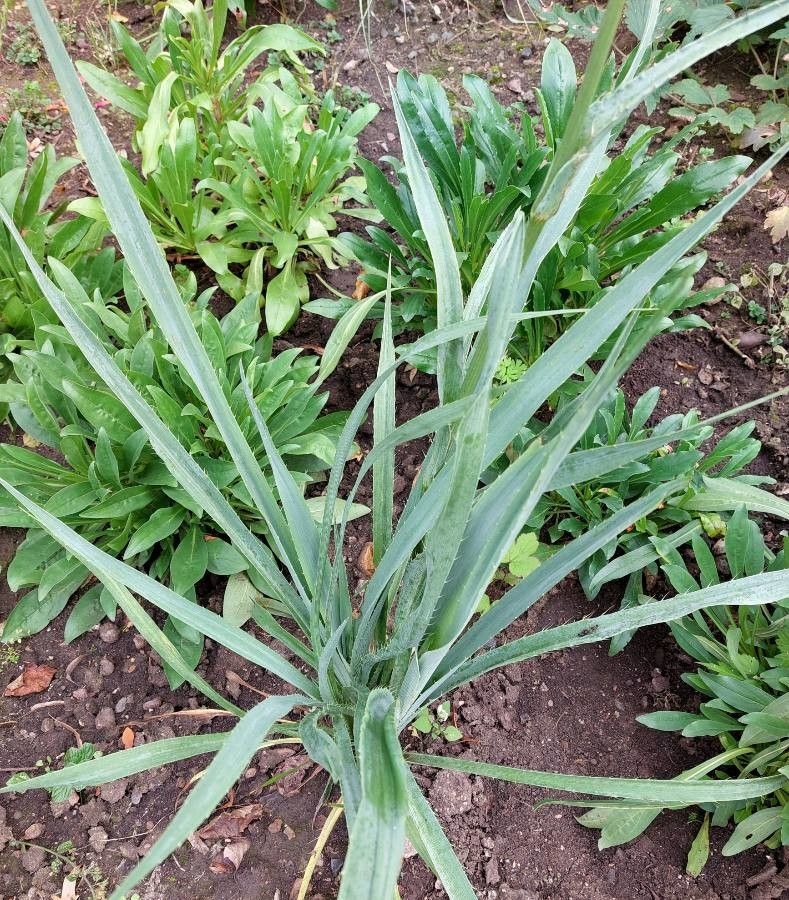
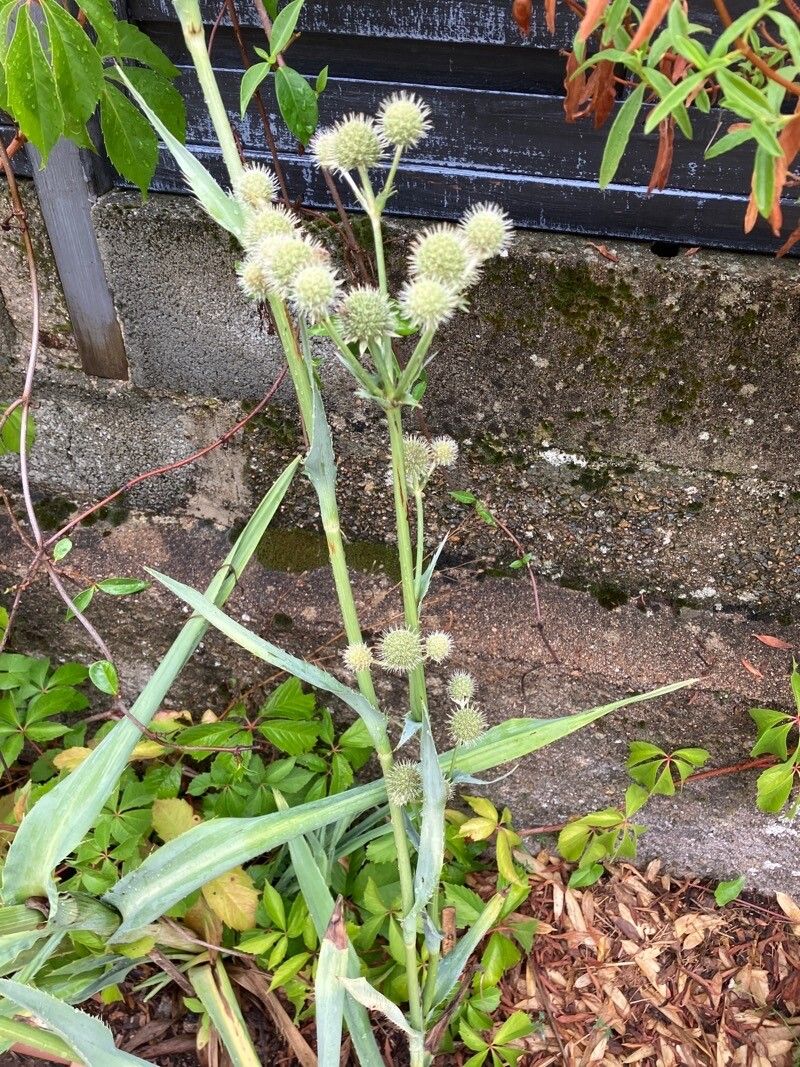
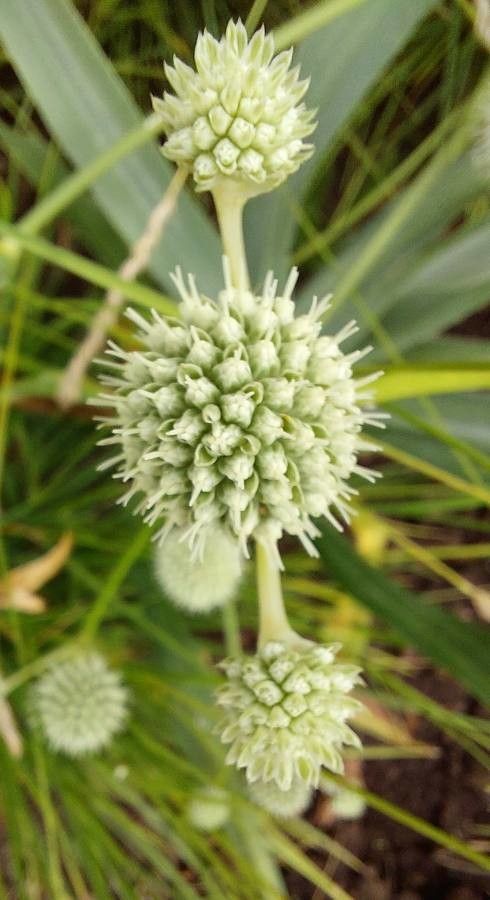
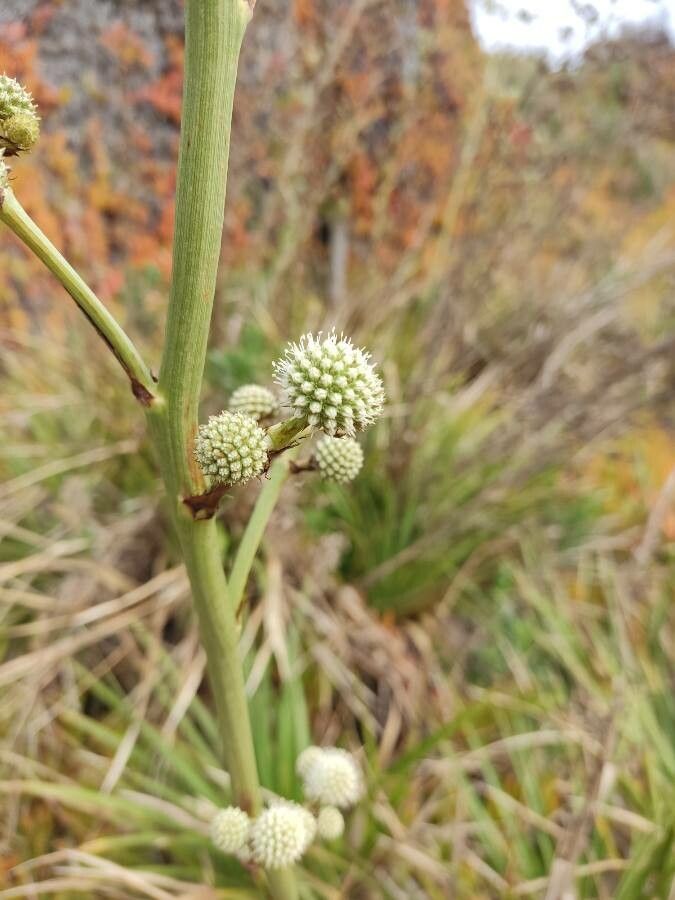
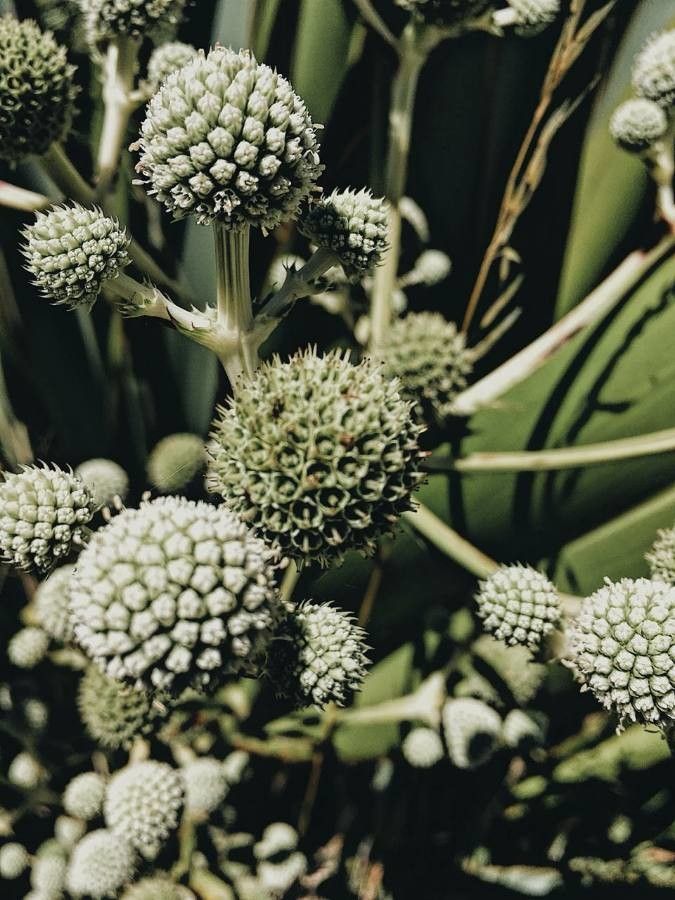
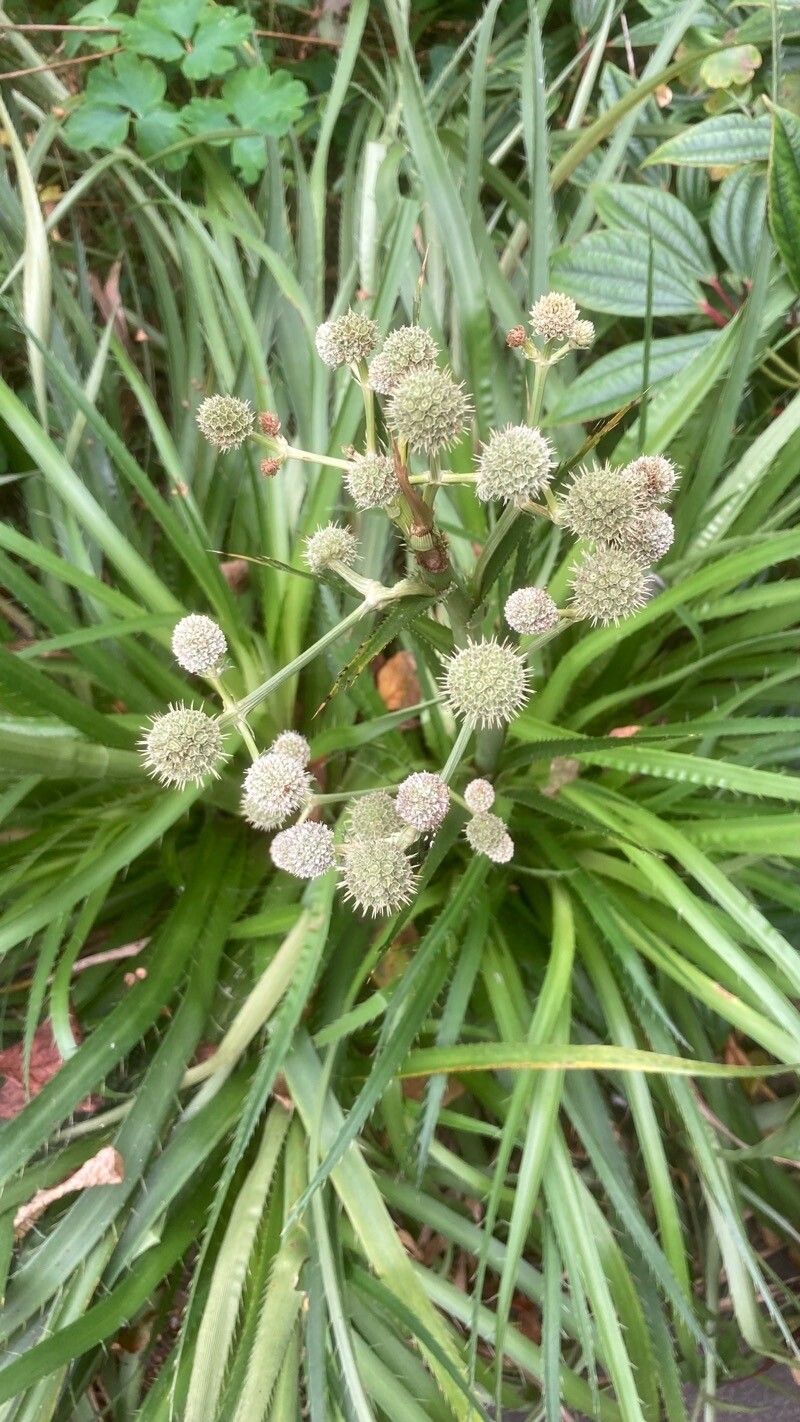
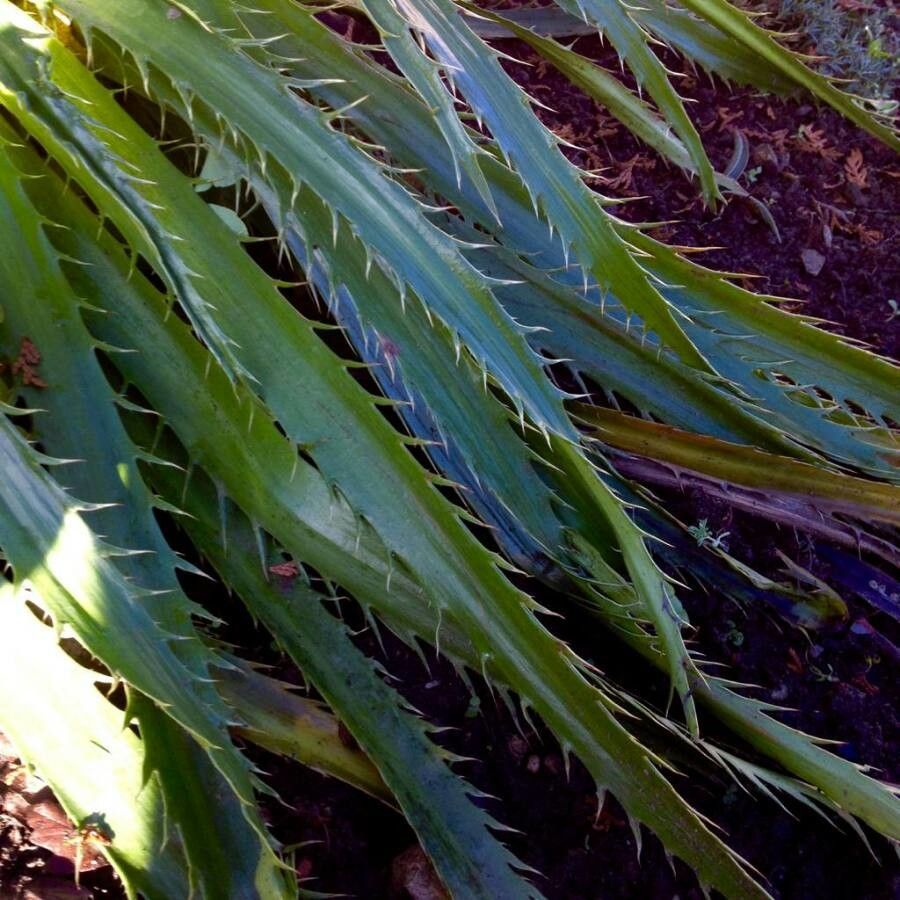
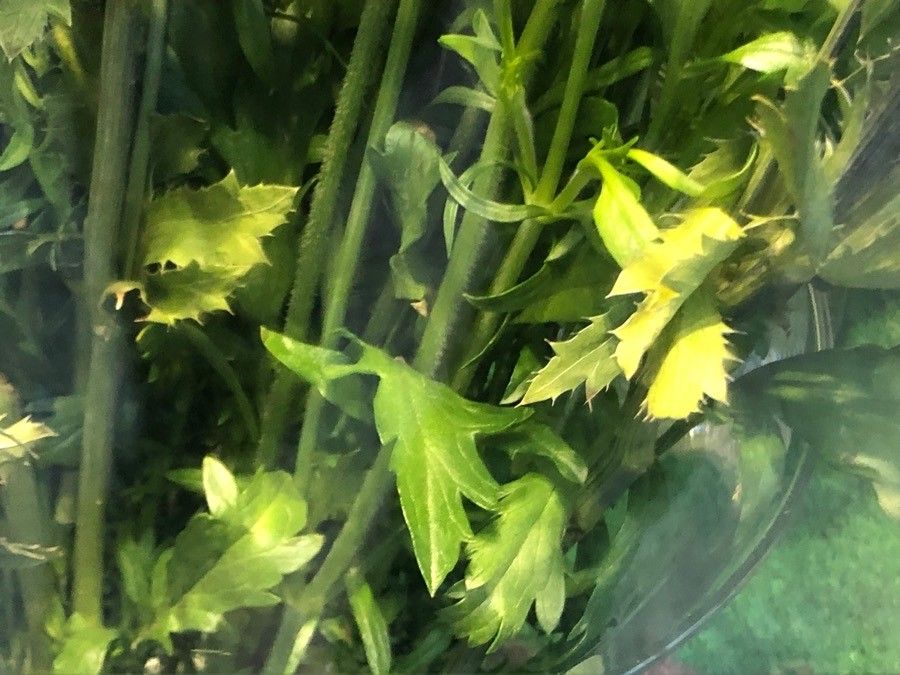
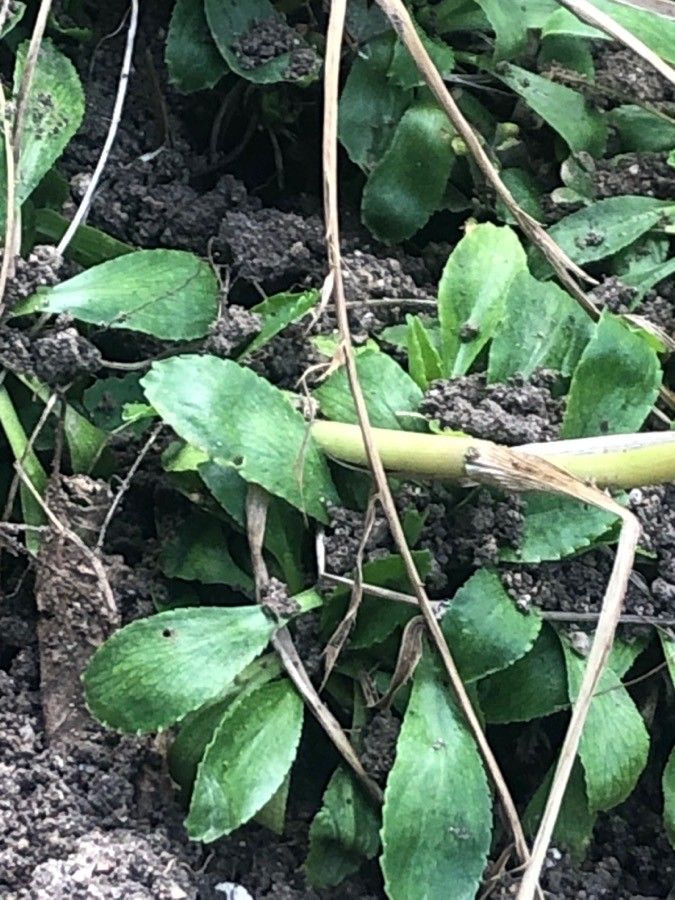
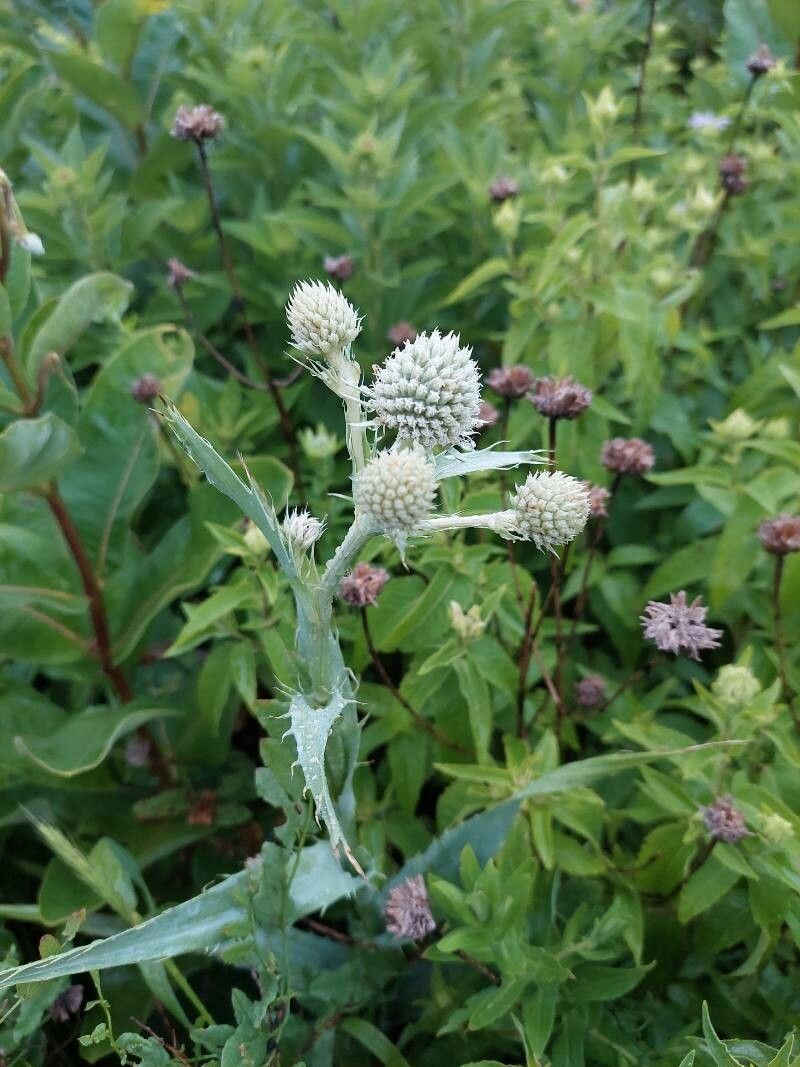
Eryngium yuccifolium, commonly known as Rattlesnake Master, is a perennial herbaceous plant in the Apiaceae family. Native to North America, it is commonly found in the central and eastern United States. The plant reaches a height of 3 to 5 feet and features distinctive spiky leaves that resemble those of yucca plants.
Rattlesnake Master blooms in mid-summer, producing small, white or greenish-white flowers arranged in spherical clusters at the tops of its stems. These flowers are highly attractive to pollinators such as bees, butterflies, and moths.
The plant prefers well-drained soils and can tolerate drought conditions once established. It is also known for its ability to thrive in poor soil, including clay and sandy soils.
In traditional medicine, various parts of Eryngium yuccifolium have been used for their medicinal properties, including treating snake bites and reducing fever symptoms.
Overall, Eryngium yuccifolium is a fascinating addition to any garden due to its unique appearance, ability to attract pollinators, and medicinal properties.
Rattlesnake master has strong disease resistance and is generally not prone to illnesses. However, it can be affected by pests and diseases present in its environment. These problems are typically mild. Regarding care, this plant needs moderate maintenance. Regular pruning is necessary to preserve a good appearance and promote healthy growth. Fertilizing can also help encourage flowering. Rattlesnake master is appropriate for anyone with outdoor space, such as a garden or patio, and does not demand extensive care experience. It may need more attention when grown indoors.
How to keep Eryngium Yuccifolium.
Light
Rattlesnake master generally does best in locations that receive abundant sunlight all day. However, it can also tolerate sites that get sun for only part of the day. Its native habitat has strong sun exposure. Too much or too little light can harm its healthy growth.
Water
Rattlesnake master flourishes in well-drained soil and is drought-tolerant, making it well-suited to the prairies of North America. While the plant can withstand dry conditions, watering it weekly ensures optimal growth. For best results, cultivate it outdoors in full sunlight, which aligns with its natural growth cycles and enhances its resilience to changing moisture levels.
Temperature
The rattlesnake master's native habitat is the US prairies and savannas, where it experiences hot summers and cold winters. It prefers average temperatures of 32 to 95 ℉ (0 to 35 ℃) but can withstand lows down to 14 ℉ (-10 ℃) and highs up to 104 ℉ (40 ℃). In winter it copes with the cold by dropping its leaves and entering dormancy until spring. In summer it requires frequent watering and should be kept out of direct sunlight to prevent leaf scorching.
Fertilizer
One fertilizer application in spring is generally enough for Rattlesnake master, though several feedings can maximize its growth. Apply fertilizer about once every month to a month and a half. Fertilization improves leaf appearance and function, helping maintain even color and a healthy texture. It also promotes root development and nutrient uptake for long-term plant health.
Pruning
Rattlesnake master features spiky, Yucca-like leaves and sturdy flowerheads. To promote growth and remove dead foliage, prune the plant from early to late spring. After the blooms have faded, trim the flower stems to maintain tidiness and prevent seed production. Proper pruning helps improve air circulation, boosts the plant's health, and enhances its ornamental appeal.
Pot & Repot
When repotting Rattlesnake master, select a pot 1-2 inches (2.5–5.1 cm) larger with ample drainage. Use a well-draining potting mix. Repot in spring or fall, making sure the root ball sits slightly lower than the rim of the flower pot. Water thoroughly after repotting and place in a warm spot with indirect sunlight.
Botanical profile.
- Plant Type
- Herb
- Life Cycle
- Perennial
- Genus
- Eryngium
- Family
- Apiaceae
- Hardiness Zone
- 3-10
- Mature Height
- 1.83 m
- Mature Spread
- 61 cm to 91 cm
- Leaf Color
- Silver, Green, Blue, Gray
- Leaf Type
- Evergreen
- Flower Color
- White
- Flower Size
- 0.25 cm to 0.51 cm
- Bloom Time
- Early summer, Mid summer
- Planting Time
- Spring
- Harvest Time
- Mid summer
Other names.
Reader questions.
What's the best way to water my Rattlesnake master plant?
For optimal care of the Rattlesnake master plant, it is recommended to use filtered water at room temperature. Tap water may contain harmful particles, so filtering is preferable. Since the Rattlesnake master is accustomed to warm environments, it is best to avoid using cold water, which can be a shock to the plant. Furthermore, overhead watering should be avoided because it can lead to complications with the foliage. Instead, it is advised to apply filtered room temperature water directly to the soil until it is thoroughly soaked. This helps to moisturize the roots and promote their spread through the soil for nutrient collection.
What are the sunlight requirements for Rattlesnake master?
Rattlesnake master thrives in conditions where it can receive abundant sunlight throughout the day, being adaptable to both full sun and partial sun environments. Full sun conditions mean the plant should receive above 6 hours of direct sunlight per day, while partial sun refers to about 3-6 hours of sunlight. It is crucial to observe how sunlight moves through your garden to select spots that offer an ideal balance of light and shade, ensuring the plants' health and happiness.
What is the native growth environment of the rattlesnake master?
The rattlesnake master (Eryngium yuccifolium) primarily thrives in the prairies and savannas of the United States. This environment exposes it to a range of temperatures, with hot summers and cold winters being typical. It flourishes within an average temperature bracket of 32 to 95°F (0 to 35°C) but has shown commendable resilience by withstanding as low as 14°F (-10°C) during cold spells and up to 104°F (40°C) in heatwaves. Adaptability is key for the rattlesnake master as it sheds its leaves in winter to enter dormancy, awakening only with the arrival of spring. The summer care for this plant involves regular watering and measures to protect it from direct sunlight, which can cause leaf scorch. Despite its strong cold resistance, additional precautions are recommended if winter temperatures are expected to plummet below -35°C, involving protective layers of soil or straw to safeguard the plant.
What do I do if I give my Rattlesnake master plant too much or too little water?
Overwatering is a more common issue and can be harmful to your Rattlesnake master. Too much water can cause wilting and yellowing of the stems and leaves. It can also lead to diseases like root rot, mold, and mildew that can kill the plant. Underwatering is less common, but still possible. If underwatering occurs, the leaves may become brittle and brown. It's important to notice signs of overwatering early and reduce watering immediately. Check the soil drainage and replace it with a well-draining mix if needed. If your Rattlesnake master is not receiving enough water, simply water more regularly until the signs subside.
How does artificial lighting benefit indoor Rattlesnake master plants, and what are the recommendations?
Indoor Rattlesnake master plants benefit significantly from artificial lighting, especially in conditions where natural sunlight is insufficient, such as in winter or less sunny spaces. Artificial lighting, like LED lights, can be customized to provide the specific wavelengths needed for optimal growth. For full sun plants, 30-50W per square foot is recommended; for partial sun plants, 20-30W per square foot; and for full shade plants, 10-20W per square foot. The light source should be placed 12-36 inches above the plant, mimicking natural sunlight, and should be on for 8-12 hours per day.
How does the rattlesnake master respond to low temperatures?
Rattlesnake master displays an impressive tolerance to low temperatures, ideally maintaining its vitality when temperatures stay above 0°C. However, if the temperature drops below -35°C, the plant's resilience is put to the test. Although there might not be immediately visible damage during the winter months, such extreme cold can significantly impede the plant's ability to sprout come spring, possibly resulting in diminished sprouting or complete dormancy. The recommended remedy for such scenarios is to inspect the plant as it enters spring, removing any parts that have failed to initiate growth after the cold season has passed.
How frequently should I water my Rattlesnake master plant?
If your Rattlesnake master plant is in a pot, the best way to know if it needs water is by sticking your finger into the soil. If the top two to three inches of soil feel dry, then it's time to water it. For Rattlesnake master plants grown outdoors in the ground, you can use the same method. If the first few inches of soil are dry, it's time to water. Typically, in spring and early fall, you'll need to water your Rattlesnake master about once a week. However, during extremely hot weather, you may need to increase watering to twice a week or more. It's worth noting that mature, well-established Rattlesnake master plants can withstand drought well.
What are the signs of insufficient or excessive sunlight in Rattlesnake master?
Signs of insufficient light in Rattlesnake master include small, new leaves, leggy or sparse growth, faster leaf drop, and slower or no new growth, indicating that the plant is not receiving adequate sunlight to thrive. Pale or lighter-colored new leaves and chlorosis, where leaves lose their green color, are also symptoms of insufficient light. On the other hand, excessive sunlight can lead to chlorosis, sunscald, leaf curling, wilting, and leaf scorching, showcasing damage due to overexposure.
What should be done if the rattlesnake master is affected by high temperatures?
In the peak of summer, the rattlesnake master should ideally be kept in conditions not exceeding 35°C. Temperatures soaring above 41°C pose a severe risk, potentially leading to symptoms like leaf discoloration, increased susceptibility to sunburn, curling leaves, and in extreme cases, wilting or complete desiccation of the plant. To alleviate these high-temperature stresses, it's advised to prune away any sunburned or dried sections of the plant. Relocating it to a shaded area or employing shade cloths can protect it from the harsh midday and afternoon sun. Furthermore, ensuring the plant is well-watered during the cooler times of day, such as morning and evening, helps keep the soil moist and fosters better conditions for the rattlesnake master during hot spells.
How much water does my Rattlesnake master plant need?
When watering your Rattlesnake master, don't be afraid to give it a generous amount of water. Make sure the top two to three inches of soil are dry before watering thoroughly. Water it enough to saturate the soil completely, allowing excess water to drain out of the bottom of the pot. If you don't see any excess water draining, you may not have watered it enough. However, be cautious not to let water accumulate in the soil, as this can harm the plant. On the other hand, if water is not draining well from the pot, it may indicate poorly draining soil, which is not good for the plant's health. If the plant is outdoors, receiving one inch of rain per week will be adequate.
What solutions are available for managing sunlight exposure for Rattlesnake master?
To manage sunlight exposure for Rattlesnake master, gradually acclimatize your plant to receive at least 6 hours of direct sunlight daily, especially if it is indoors. This can be achieved by using a south-facing window or providing artificial light for at least 8 hours daily. For outdoor plants, avoid sudden changes in light intensity to prevent sunburn. Removing obstructions, like pruning overhanging branches, or transplanting to a sunnier location with ample sunlight and good drainage are effective strategies for outdoor and ground plants. It's important to note that parts of the plant affected by insufficient sunlight may not recover, but new growth should be healthy once proper light conditions are established.
How do I water my Rattlesnake master when it's growing?
The water needs of the Rattlesnake master can vary based on growth stages. In the early years or after transplanting, you should provide more water than usual. During these stages, the plant focuses on growing new roots needed for future growth, so they require more moisture. As the plant matures, it will require less water. Additionally, during the bloom period, when the plant is producing flowers, it may need more water due to the increased moisture necessary for flower development.