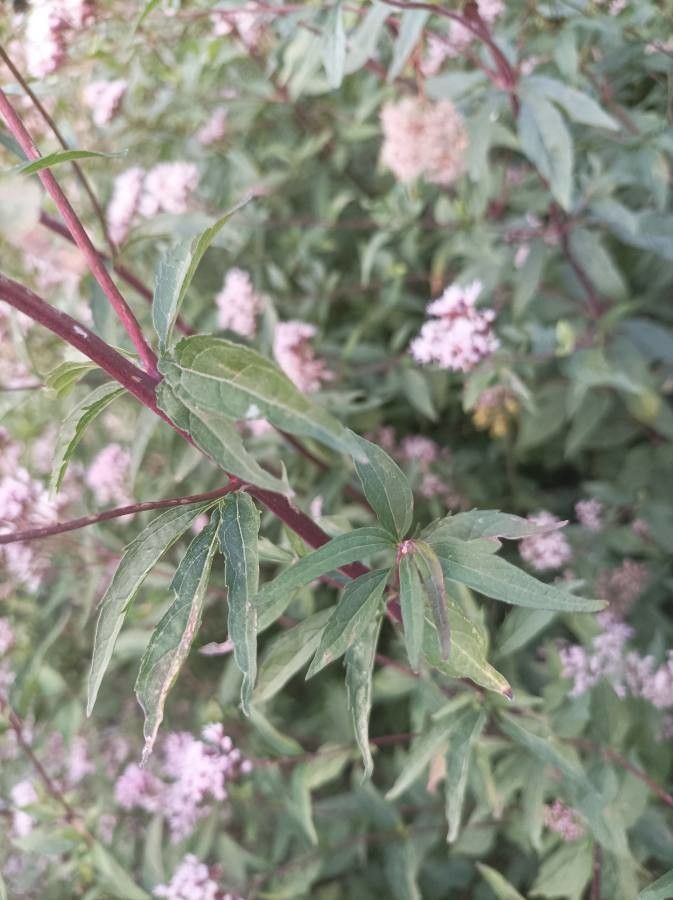
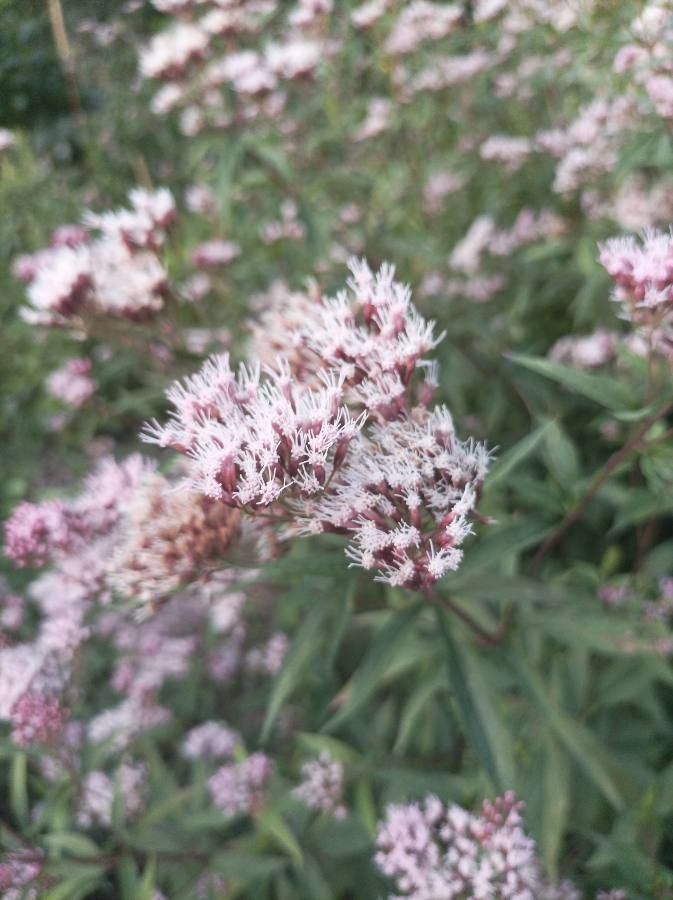
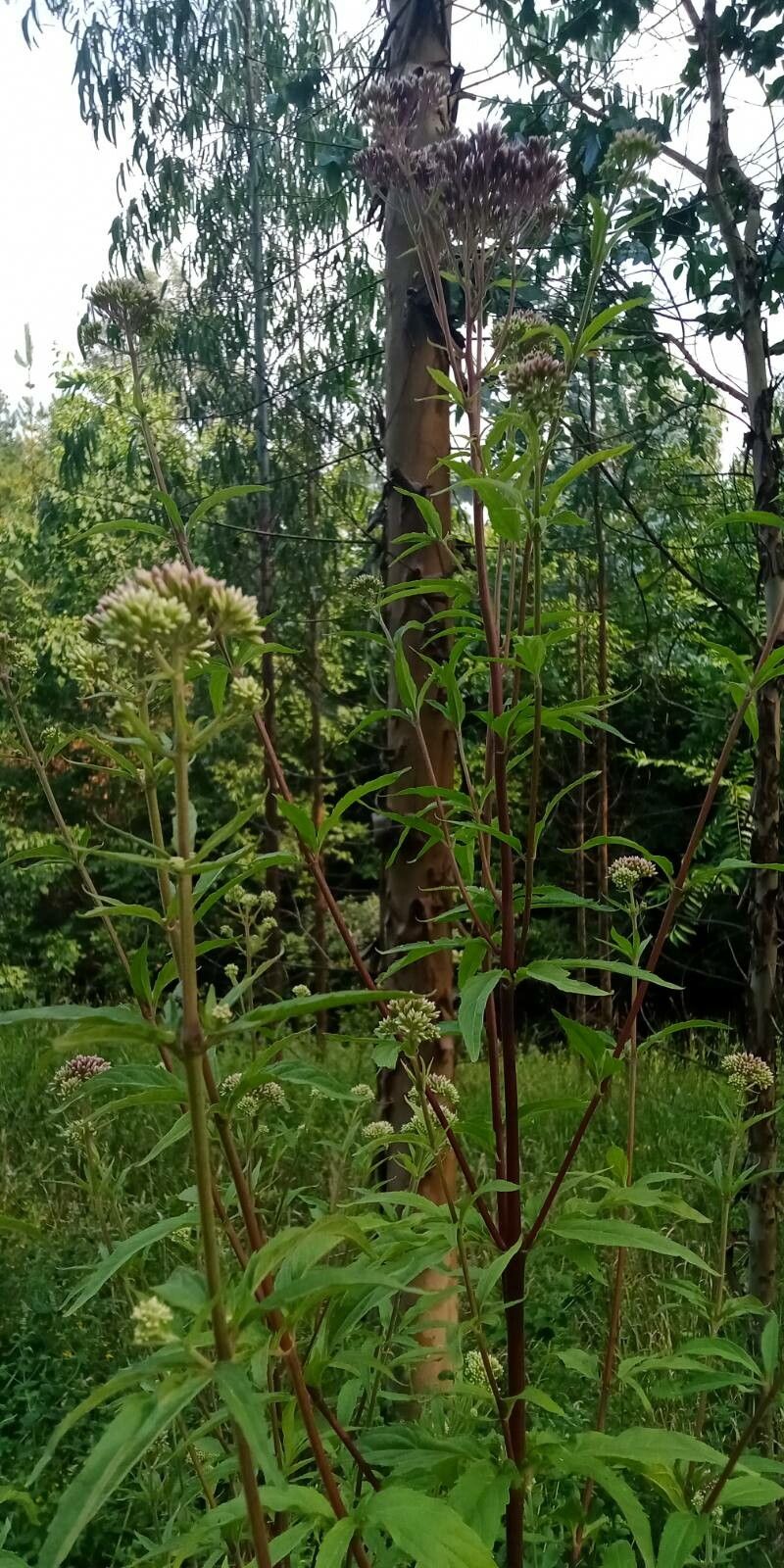
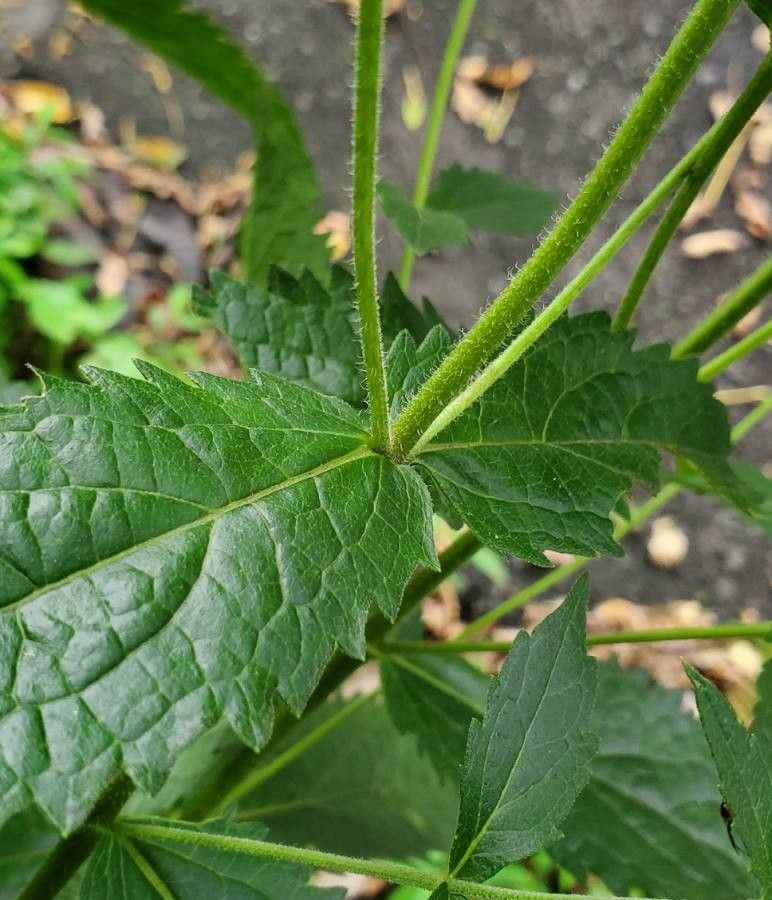
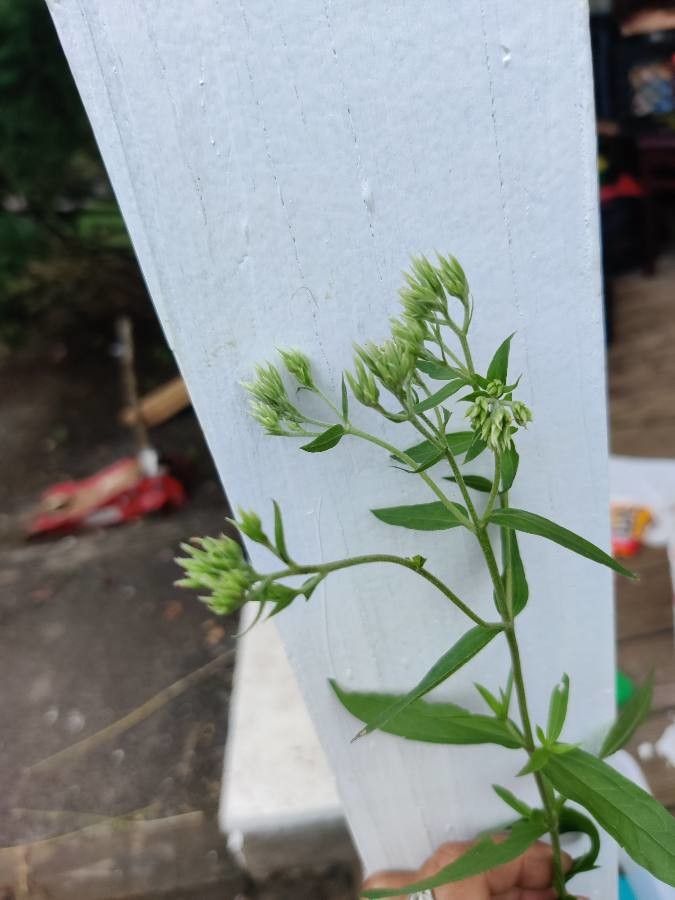
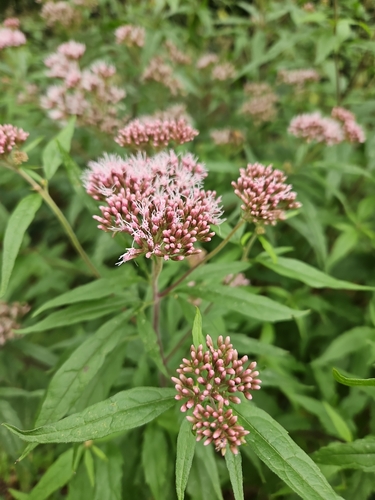
Eupatorium lindleyanum is a herbaceous perennial plant in the family Asteraceae native from China, Japan, Korea and Siberia. There are at least two varieties including:
Eupatorium lindleyanum var. lindleyanum Eupatorium lindleyanum var. eglandulosum
Hemp agrimony is fairly resistant to disease and typically does not suffer from many illnesses. Still, it can be affected by pests and diseases that occur nearby. When infections do appear, they are generally mild. Regarding maintenance, this plant needs a moderate level of care. Regular pruning is necessary to preserve its appearance and support healthy growth. Applying fertilizer can also encourage better flowering. Hemp agrimony is appropriate for anyone who has outdoor space, such as a garden or a patio, and does not demand extensive gardening experience. It may need extra attention if cultivated indoors.
How to keep Eupatorium Lindleyanum.
Light
Hemp agrimony does best in strong sunlight, which supports its ideal growth and development, although it can tolerate lower light levels. Because it comes from habitats with plentiful daylight, too little light may impair its health. Excessive sun can be harmful, but it tolerates moderately sunny conditions.
Water
Hemp agrimony flourishes in moist environments and requires consistently moist soil for healthy growth. To mimic its natural habitat, it's important to water it weekly, ensuring the water penetrates deeply into the soil. As an ornamental herbaceous perennial, hemp agrimony needs sufficient moisture during its active growing season to produce robust blooms.
Temperature
Hemp agrimony is primarily native to temperate regions and thrives in temperatures between 50 and 95 °F (10 and 35 ℃). It performs best in the warmer part of that range. During colder months, adjustments may be necessary to keep conditions at an ideal temperature.
Fertilizer
The best time to fertilize Hemp agrimony is in early spring, as it comes out of dormancy and begins active growth. Fertilizing supplies essential nutrients needed for healthy development. While Hemp agrimony does not require much fertilizer, applying it yearly can improve its chances of survival and encourage fuller, longer-lasting blooms.
Pruning
Hemp agrimony benefits from being pruned in the spring, which promotes healthy growth and improves airflow. To encourage better foliage and flower production, trim any dead stems and crossing branches just above the leaf nodes. The best time to prune is during the plant's active growth phase, as this maximizes both its vitality and appearance.
Botanical profile.
- Plant Type
- Herb
- Life Cycle
- Perennial
- Genus
- Eupatorium
- Family
- Asteraceae
- Hardiness Zone
- 6-9
- Mature Height
- 0.3 m to 1.52 m
- Mature Spread
- 61 cm
- Leaf Color
- Green, Dark Green
- Leaf Type
- Deciduous
- Flower Color
- White
- Flower Size
- 2.54 cm to 20.32 cm
- Bloom Time
- Late summer, Early fall, Mid fall
- Planting Time
- Spring, Summer, Autumn
- Harvest Time
- Mid fall, Late fall, Early winter
- Native Area
- Russia, Vietnam, Japan, Philippines, Koppen, South Korea, China
Other names.
Reader questions.
What are the sunlight requirements for Hemp agrimony?
Hemp agrimony (Eupatorium lindleyanum) thrives best under full sun conditions, ideally receiving more than 6 hours of direct sunlight per day, but it can also grow in partial sun, approximately 3-6 hours of sunlight. To ensure your plants are happy, monitor how sunlight moves through your garden to find the perfect balance of light and shade. While Hemp agrimony originates from environments with abundant daylight and can accommodate lesser light conditions, insufficient sunlight may hinder its health. It's important to note that while the plant can withstand some overexposure to sunlight, excessive amounts can cause damage.
What are the ideal temperature conditions for growing Hemp agrimony?
Hemp agrimony, or Eupatorium lindleyanum, thrives primarily in temperate regions, with an ideal temperature range of 50 to 95 °F (10 to 35 °C). The plant grows optimally in warmer temperatures but possesses strong cold resistance, making it less susceptible to frost damage. During the colder months, it's vital to ensure the temperature is maintained within this range for optimal growth. If the winter temperatures are expected to drop below -25°C, it's important to protect the plant from the cold by covering it with soil or straw. Additionally, watering the plant abundantly before the first freeze in autumn helps keep the soil moist and prevents drought and water scarcity during winter and early spring.
How can artificial lighting be used for indoor Hemp agrimony plants?
When natural sunlight is insufficient for indoor Hemp agrimony plants, especially during winter or in less sunny spaces, artificial lighting serves as an essential solution to promote optimal growth. LED lights are recommended for their ability to provide specific wavelengths of light needed by plants. Full sun plants require 30-50W/sq ft of artificial light, partial sun plants need 20-30W/sq ft, and full shade plants require 10-20W/sq ft. The artificial light source should be placed 12-36 inches above the plant to mimic natural sunlight, and the duration should replicate natural daylight hours, typically 8-12 hours per day, depending on the plant species.
How does low temperature affect Hemp agrimony and what are the solutions?
Hemp agrimony is quite cold-tolerant and can thrive well when temperatures are kept above 10°C. During the winter season, it's essential to ensure that temperatures do not fall below -15°C. If temperatures drop below -25°C, the plant might not show noticeable changes initially but may exhibit a decreased ability to sprout or fail to sprout at all during the spring. In such cases, the recommended solution is to remove any parts of the plant that have failed to sprout in spring, allowing for healthy growth and recovery.
What are common symptoms of insufficient or excessive sunlight in Hemp agrimony?
Symptoms of insufficient sunlight in Hemp agrimony include small new leaves, leggy or sparse growth, faster leaf drop, slower or no new growth, and lighter-colored or irregularly colored new leaves. Excessive sunlight can lead to chlorosis (leaves turning yellow), sunscald (damage from intense sun exposure), leaf curling (as a defense mechanism), wilting (due to water loss), and leaf scorching (brown, dry, crispy leaf edges). These symptoms indicate the plant's struggle with the lighting conditions it's experiencing.
How does high temperature affect Hemp agrimony and what are the solutions?
During the summer months, it's crucial to keep Hemp agrimony below 35°C. Exceeding 38°C can cause the leaves to lighten in color, become prone to curling, and susceptible to sunburn; severe cases may result in the entire plant wilting and drying out. To combat these issues, sunburned and dried parts of the plant should be trimmed away. The plant should be moved to a location that provides shade during the midday and afternoon sun, or a shade cloth can be used to create necessary shade. Additionally, watering the plant in the morning and evening will help keep the soil moist, preventing further stress from high temperatures.
How can I address lighting issues for my Hemp agrimony?
To address lighting issues for Hemp agrimony, gradually introduce your plant to more sunlight by moving it to a sunnier location each week until it receives at least 6 hours of direct sunlight daily, if indoors, utilize a south-facing window and keep curtains open. For large or immobile plants, consider supplementing with artificial light for at least 8 hours daily. Outdoors, adjust plant placement gradually to prevent sunburn, without making sudden, drastic changes in light exposure. If your garden is shaded, prune trees or transplant smaller plants during their dormant period to ensure they receive ample sunlight. Remember, while parts of the plant affected by low light might not recover, new growth should be healthy with improved light conditions.