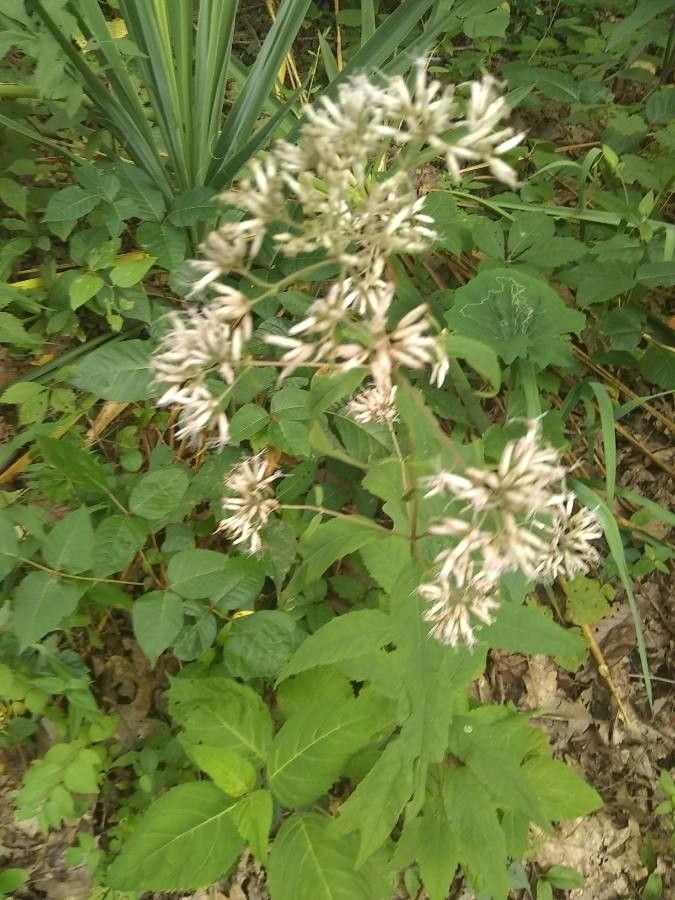
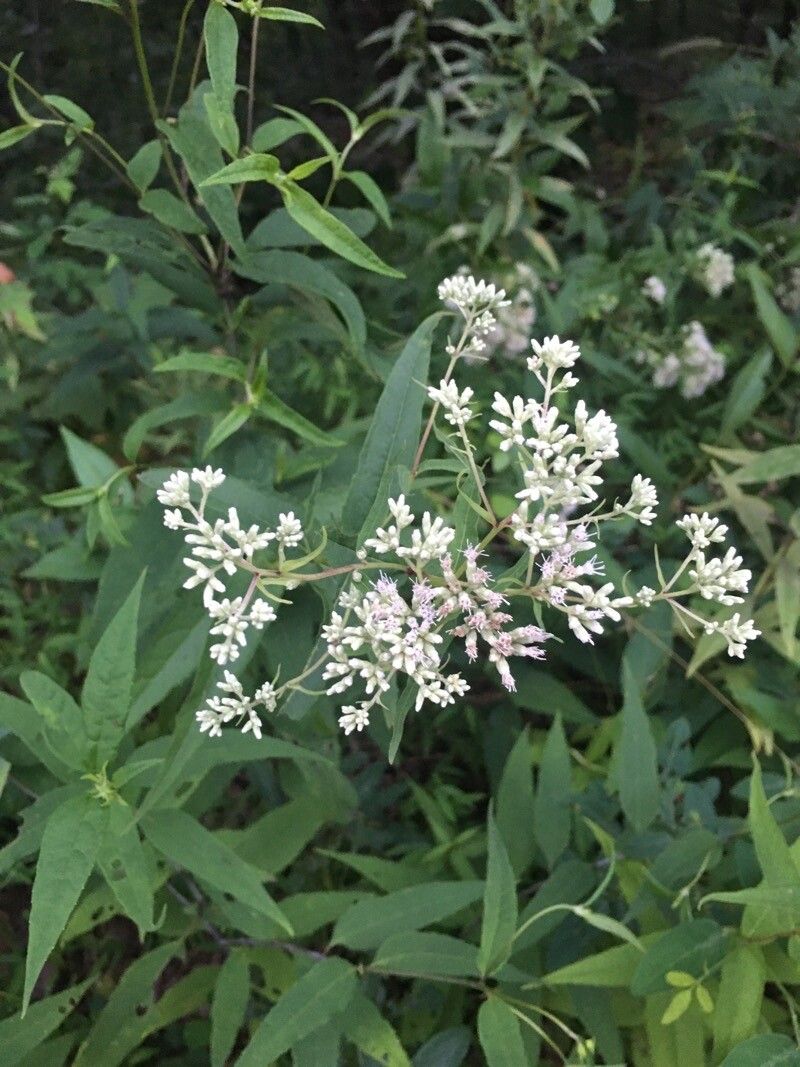
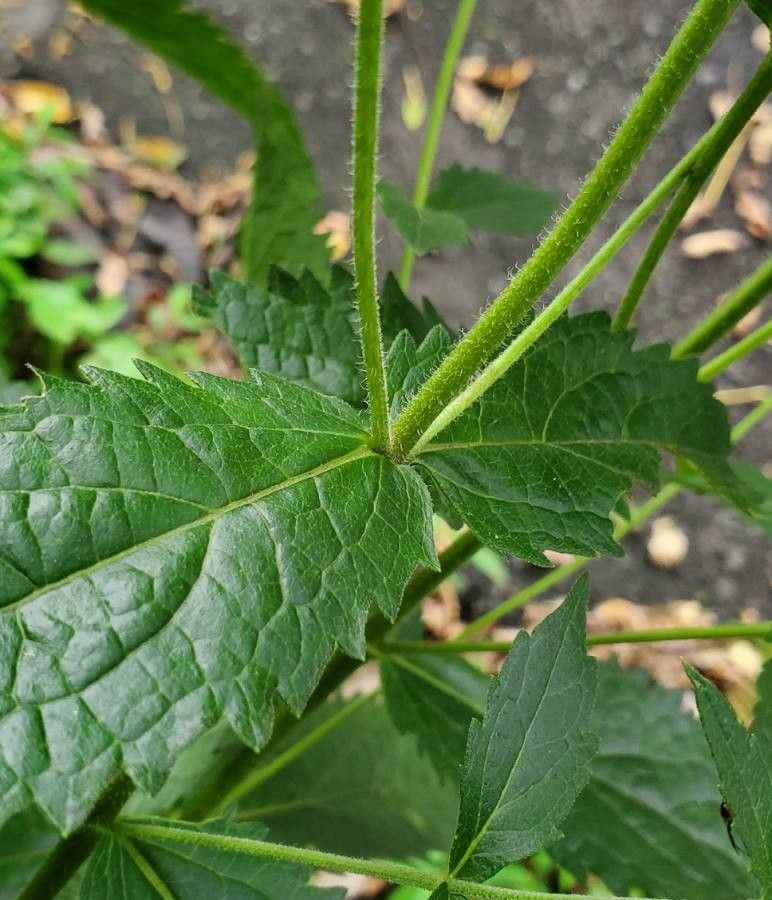
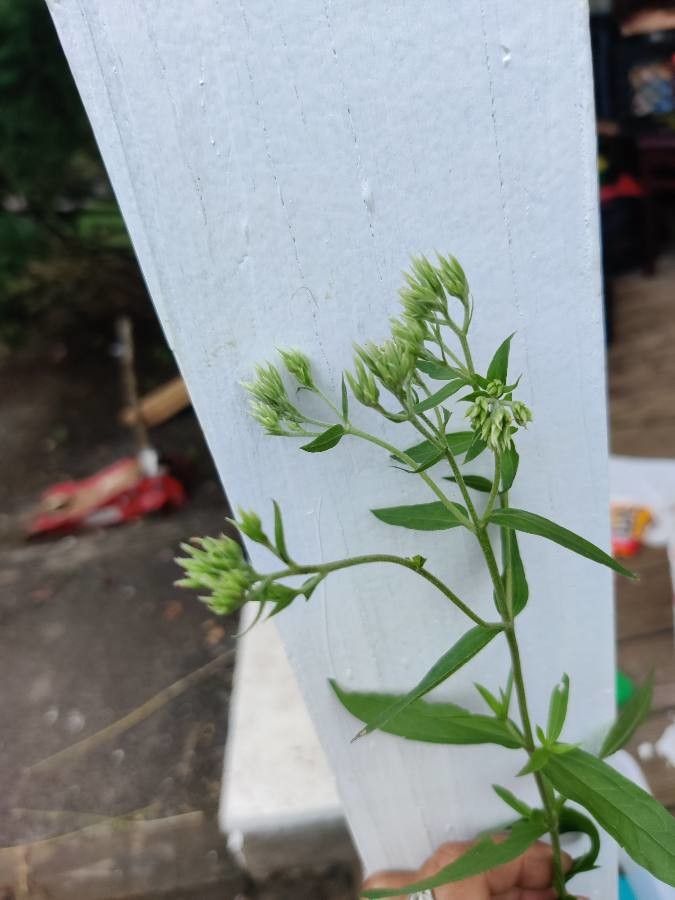
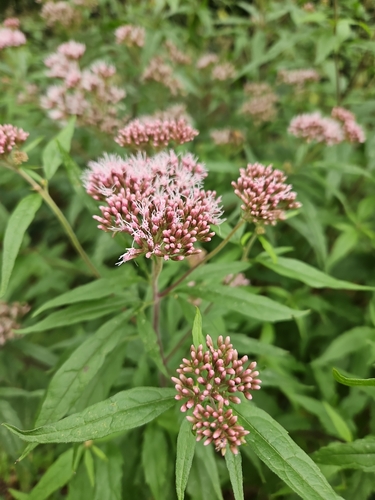
Eupatorium sessilifolium, commonly called upland boneset or sessile-leaved boneset, is a North American plant species in the family Asteraceae. It is native to the eastern and central United States, found from Maine south to North Carolina and Alabama, and west as far as Arkansas, Kansas, and Minnesota.
Upland boneset has solid resistance to disease and is usually not vulnerable to illnesses. It can, however, be affected by pests and diseases present in its environment. These outbreaks are typically mild. As for care, the plant needs a moderate level of maintenance. Regular pruning is necessary to keep it looking good and to support healthy growth. Fertilizing can also help encourage blooming. Upland boneset is appropriate for anyone with outdoor space, such as a garden or patio, and does not demand much prior plant-care experience. It may need extra attention when cultivated indoors.
How to keep Eupatorium Sessilifolium.
Light
Upland boneset is a perennial herbaceous plant that favors sunny locations and originates in open habitats, often flourishing in meadows and grasslands. It prefers full sun but can also tolerate partial sun.
Water
Upland boneset thrives in moderately moist environments and needs consistent watering. Although it can endure short periods of dryness, it is important to water it weekly, especially during its active growing season, to ensure the soil remains moist for optimal flowering. This herbaceous perennial is typically grown outdoors.
Temperature
Upland boneset can tolerate a broad span of temperatures, but its distribution may still be limited by particular combinations of moisture and heat. It performs best in warm summer climates with sufficient rainfall or watering. Extended periods of cloudy, rainy weather, as well as prolonged high temperatures, can increase the likelihood of Upland boneset dying. In winter, proper protection from cold can improve the plant's survival chances.
Fertilizer
The best time to fertilize a Upland boneset is in early spring, when it is coming out of dormancy and beginning active growth. Fertilization supplies essential nutrients for healthy development. Although Upland boneset has relatively low fertilizer needs, applying fertilizer annually can improve its survival and encourage better, longer-lasting flowers.
Pruning
Upland boneset is a perennial herb with slender stems and clusters of white flowers. To control its size and encourage growth, prune the plant in early to late spring. Remove any dead stems and thin out crowded areas to improve airflow, which will enhance the plant's health and appearance, resulting in a denser and more robust structure.
Botanical profile.
- Plant Type
- Herb
- Life Cycle
- Perennial
- Genus
- Eupatorium
- Family
- Asteraceae
- Hardiness Zone
- 4-8
- Mature Height
- 0.91 m to 1.83 m
- Mature Spread
- 30 cm to 61 cm
- Leaf Color
- Green, Dark Green
- Leaf Type
- Deciduous
- Flower Color
- White
- Flower Size
- 0.25 cm to 0.51 cm
- Bloom Time
- Mid summer, Late summer, Early fall
- Planting Time
- Spring, Summer
- Harvest Time
- Fall
Other names.
Reader questions.
What are the sunlight requirements for Upland boneset?
Upland boneset is a sun-loving perennial that thrives in full sun, which means it requires more than 6 hours of sunlight daily. However, it can also tolerate partial sun conditions, receiving about 3-6 hours of sunlight. It's essential to observe how sunlight moves through your garden to choose optimal spots for your plants, balancing light and shade to ensure their well-being.
How does artificial lighting support plant growth indoors?
Indoor plants, including Upland boneset, often need additional lighting when natural sunlight is insufficient, especially in winter or less sunny spaces. Artificial lighting, such as LED lights, can be a vital solution, promoting healthier growth. For optimal growth, full sun plants require 30-50W per square foot, partial sun plants need 20-30W per square foot, and full shade plants require 10-20W per square foot. The light source should be placed 12-36 inches above the plant to mimic natural sunlight, and most plants will benefit from 8-12 hours of artificial light per day.
What are common symptoms of light deficiency in Upland boneset?
When Upland boneset is grown in conditions with inadequate lighting, it may exhibit symptoms such as smaller new leaves, leggy or sparse growth, faster leaf drop, slower or no new growth, and lighter-colored new leaves. Additionally, chlorosis or yellowing of leaves, sunscald, leaf curling, wilting, and leaf scorching can occur, which are indicative of light stress or excessive sunlight.
What solutions can improve light exposure for Upland boneset?
To optimize light exposure for Upland boneset, gradually move plants to sunnier locations, ensuring they receive at least 6 hours of direct sunlight daily. For indoor plants, use a south-facing window or artificial lights to supplement light. Outdoor plants should be moved to optimal spots gently to avoid sunburn. Reduce obstructions by pruning blocking trees and consider transplanting smaller plants to sunnier locations with good drainage during their dormant periods. Note that parts of the plant affected by insufficient sunlight may not recover, but new growth should be healthy with improved light conditions.