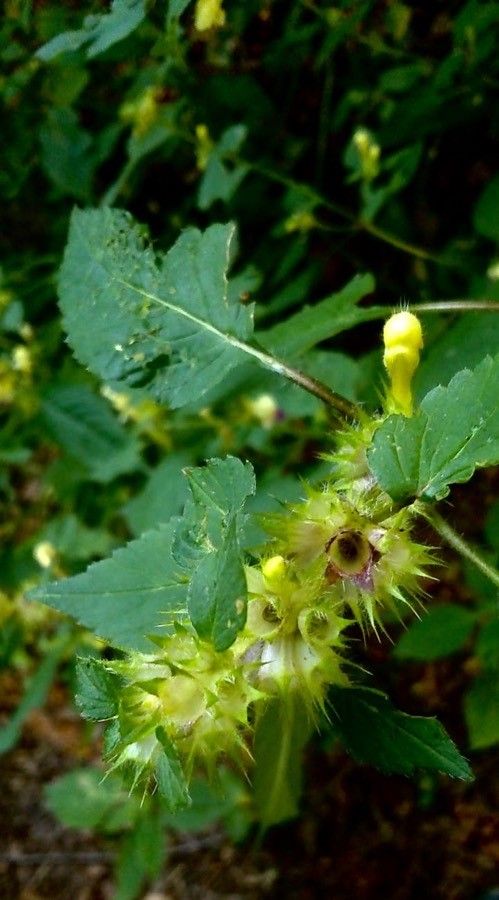
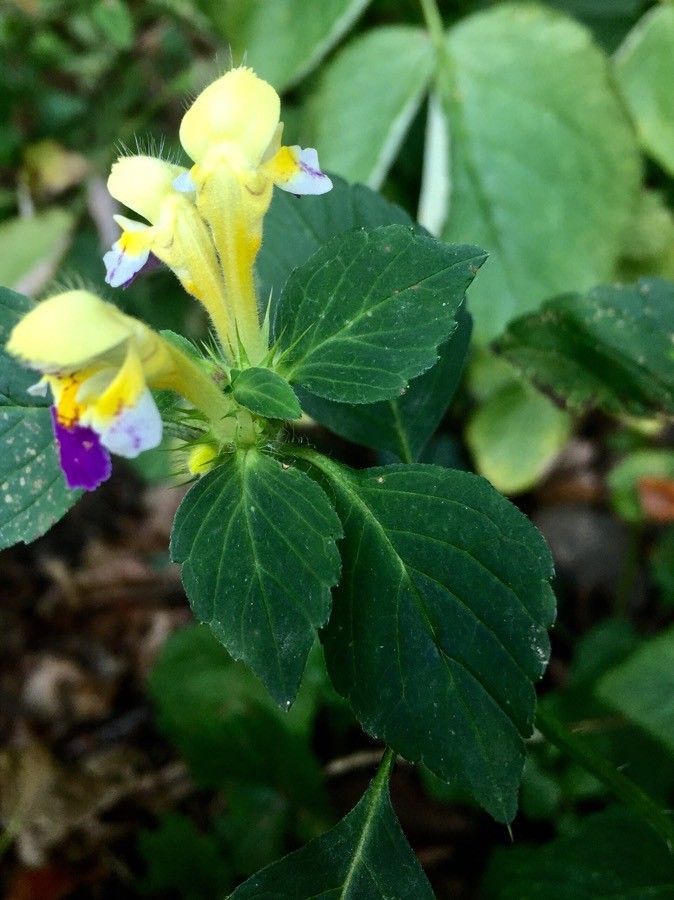
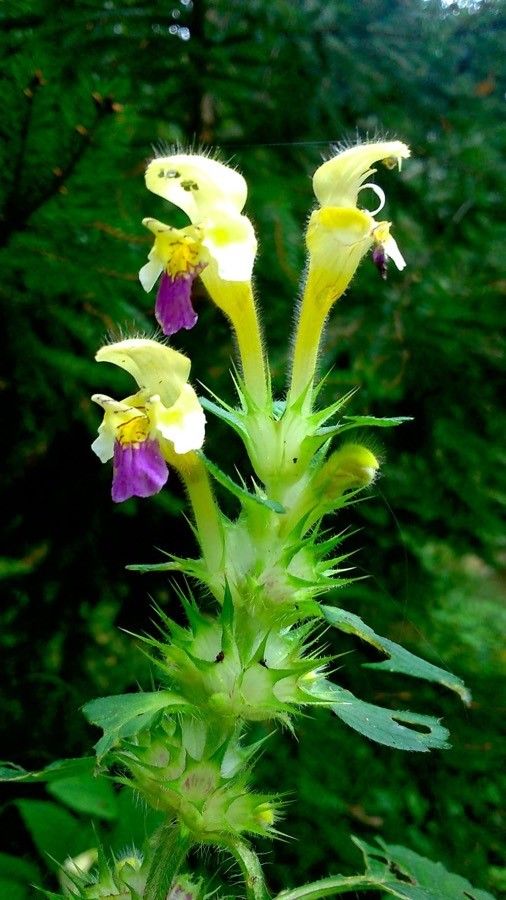
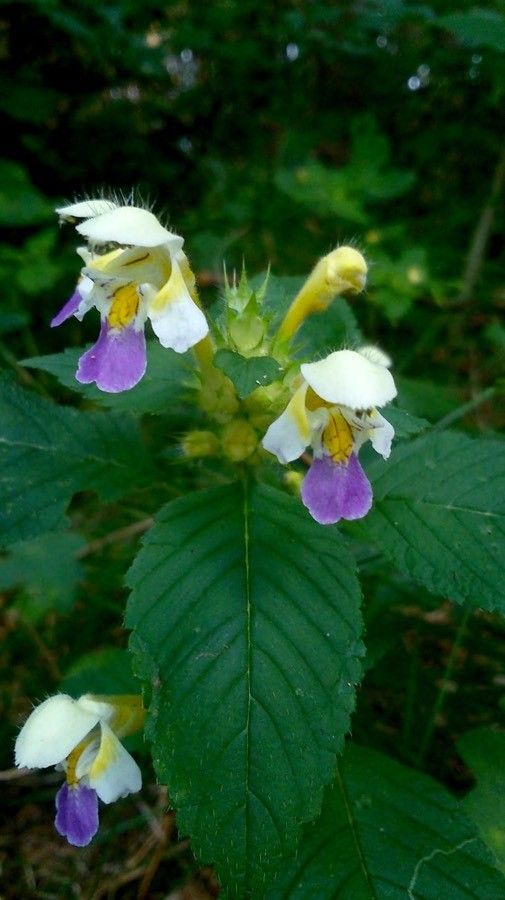
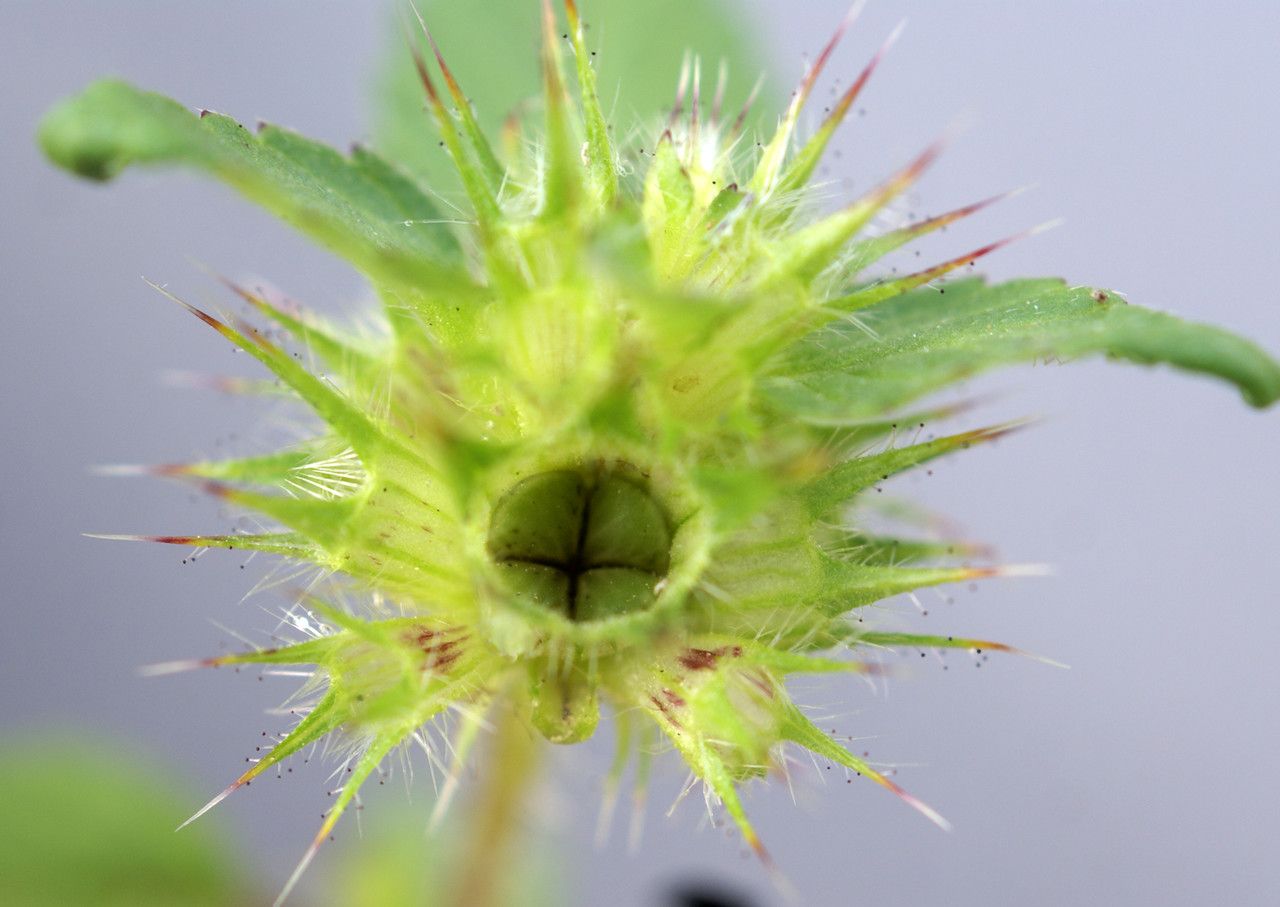
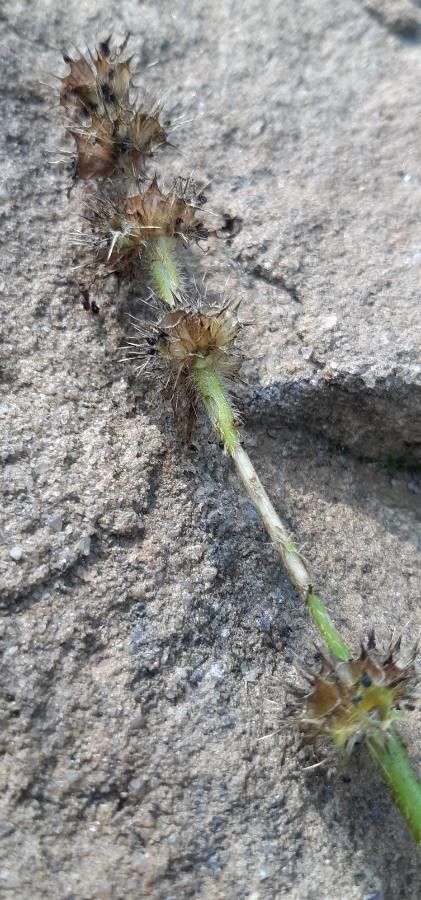
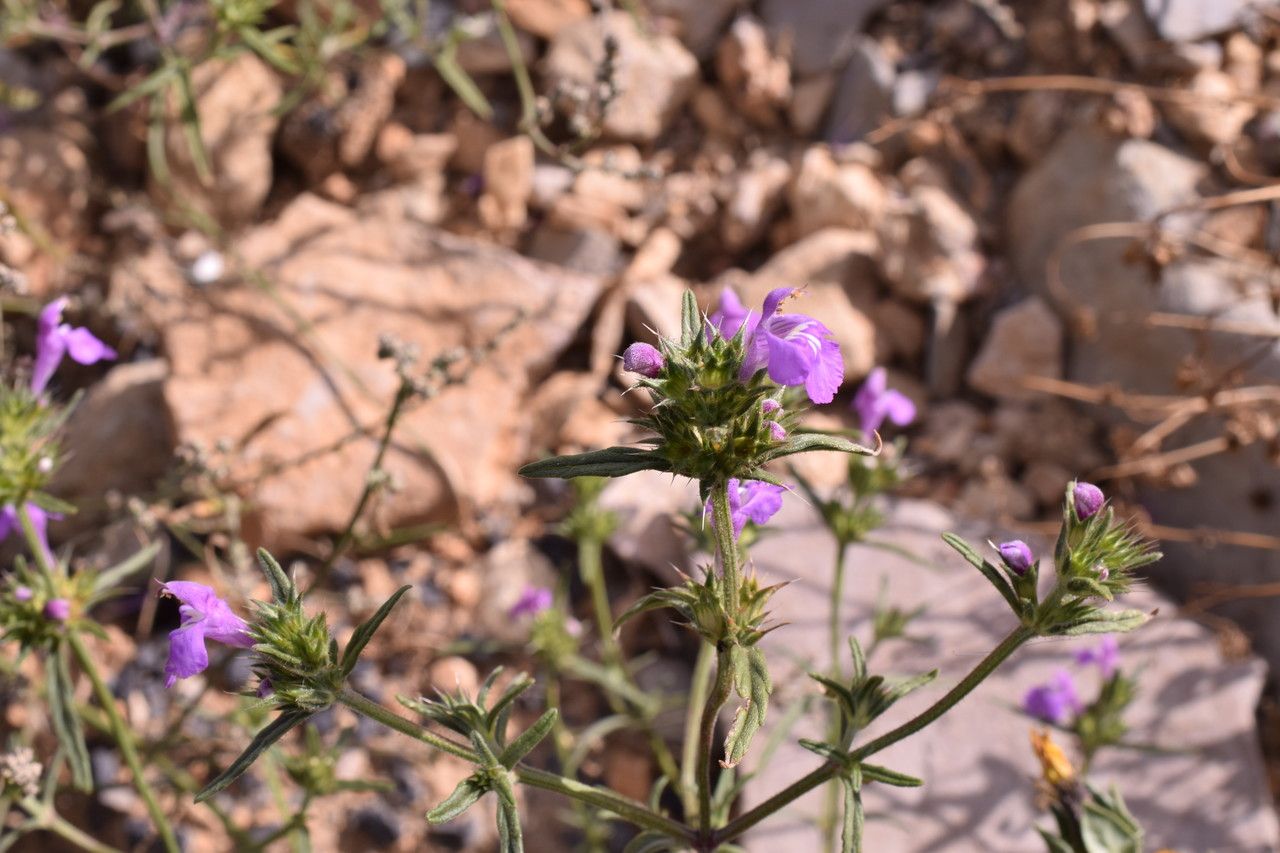
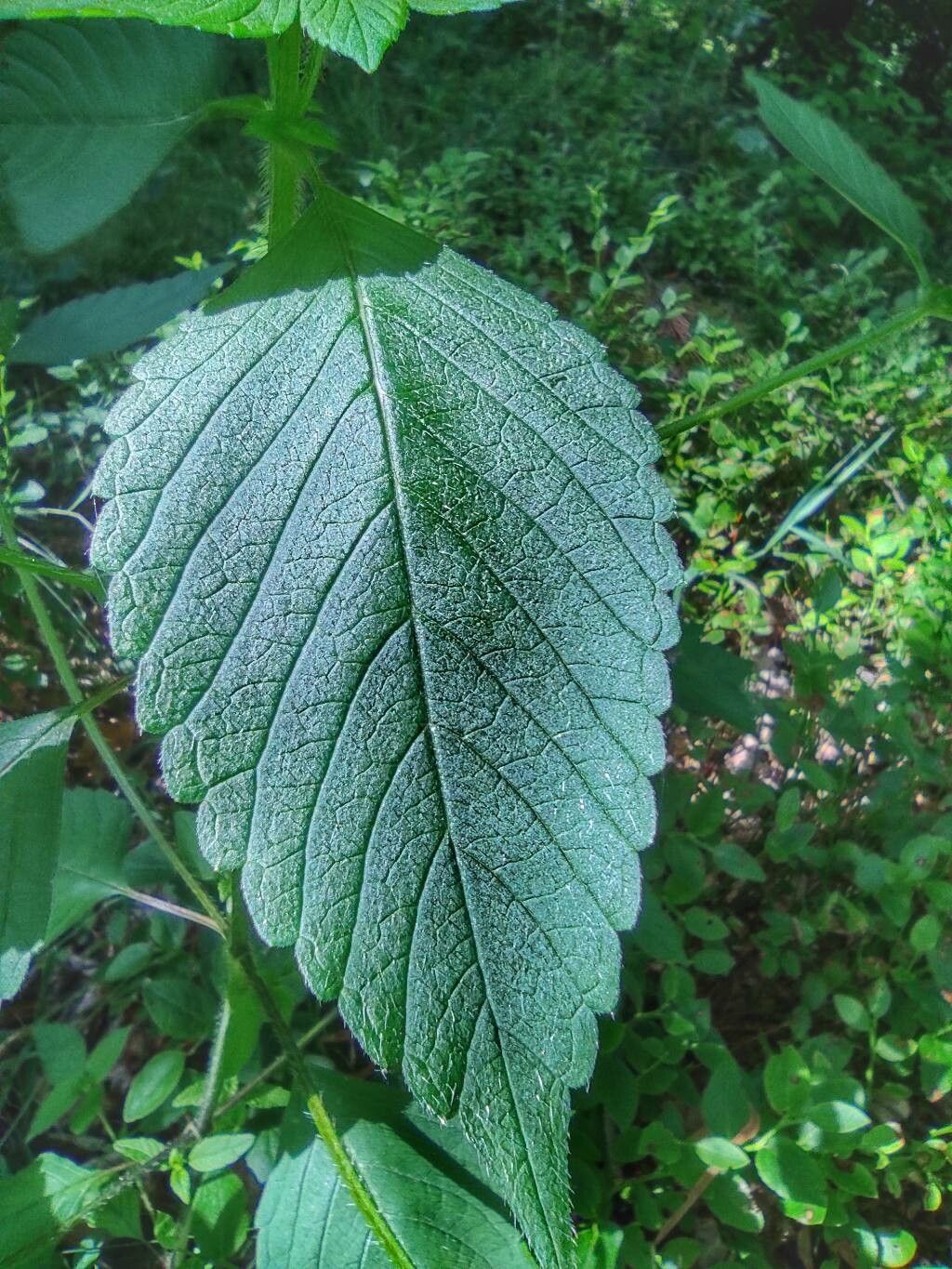
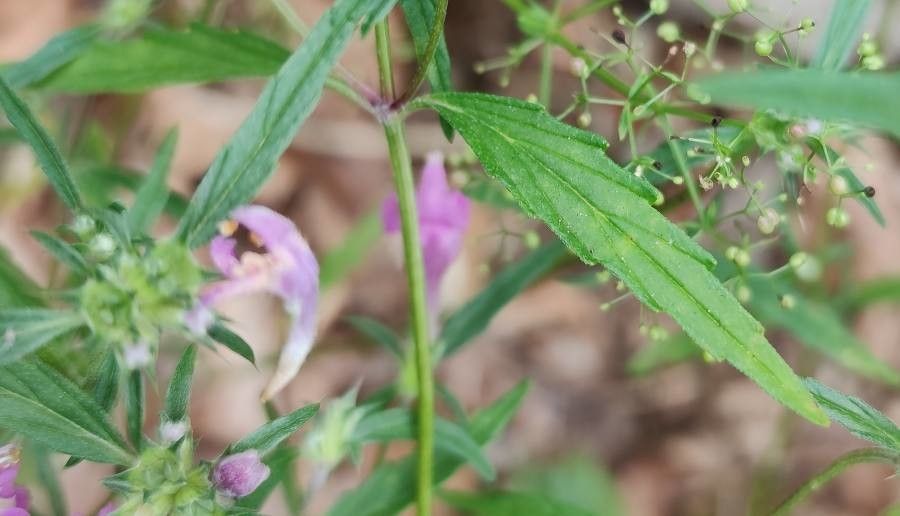
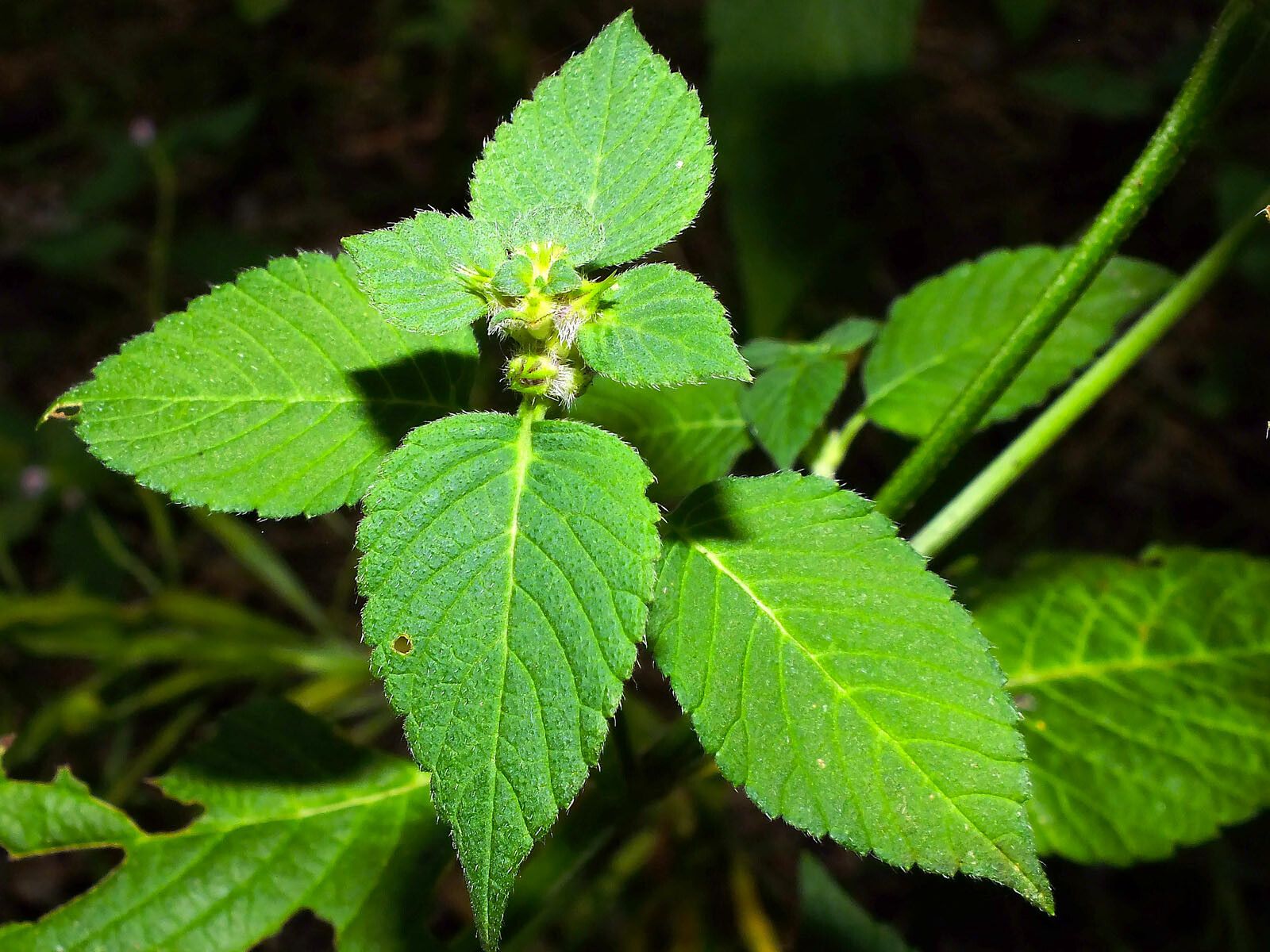
Galeopsis speciosa, the large-flowered hemp-nettle or Edmonton hempnettle, is a species of annual herbaceous plants in the family Lamiaceae. It is native to northern + central Europe and Siberia, and has become a widespread introduced weed in Canada. The plant is poisonous and causes paralysis.
Large-flowered hemp-nettle has strong disease resistance and is generally not prone to illnesses. However, it can be susceptible to pests and diseases present in its environment. These infections are generally not serious. Regarding care, this plant requires a moderate level of maintenance. It should be pruned regularly to keep a neat appearance and encourage healthy growth. Fertilizing can also assist in boosting flowering. Large-flowered hemp-nettle is suitable for anyone who has outdoor space, such as a garden or patio, and does not demand extensive gardening experience. It may need more attention when grown indoors.
How to keep Galeopsis Speciosa.
Light
Large-flowered hemp-nettle thrives with ample sunlight, though it can also tolerate moderate light. Sunlight is important for its healthy growth, but excessive or insufficient sun can stress the plant. Its native habitat was open areas that receive plentiful natural light.
Water
Large-flowered hemp-nettle, which originates from moist environments, needs consistent watering and thrives in damp soil. For optimal health, water it twice a week. This plant is primarily grown outdoors and benefits from increased humidity, which promotes lush growth and enhances its flowering potential.
Temperature
Large-flowered hemp-nettle can adjust to a broad spectrum of temperature conditions, although its distribution may still be constrained by various combinations of moisture and heat. It grows best in warm summer climates with sufficient rainfall or watering. Extended periods of cloudy, rainy weather, as well as prolonged high temperatures, can raise the risk of Large-flowered hemp-nettle dying. In winter, adequate protection from cold can increase the plant's chances of survival.
Fertilizer
When most of the Large-flowered hemp-nettle's blooms have opened to full size, resume fertilizing. Begin fertilizing around the time bloom production is at its peak, applying fertilizer once every three to four weeks as the weather allows. Then, after the Large-flowered hemp-nettle begins to produce fewer new blooms, cease fertilizing; there is no need to fertilize when the plant can no longer produce additional blooms.
Pruning
To encourage the optimal growth of large-flowered hemp-nettle, prune it from early to late spring. Begin by removing any dead or damaged branches, and thin out overcrowded areas. This promotes better light exposure, improved air circulation, and more vigorous blooms. Be sure to use sharp, clean tools for effective pruning, as this helps prevent disease and enhances the plant's vitality.
Botanical profile.
- Plant Type
- Herb
- Life Cycle
- Annual
- Genus
- Galeopsis
- Family
- Lamiaceae
- Hardiness Zone
- 4-8
- Mature Height
- 20 cm to 76 cm
- Mature Spread
- 20 cm to 40 cm
- Leaf Color
- Green, Dark Green
- Leaf Type
- Semi-evergreen
- Flower Color
- Yellow, Purple
- Flower Size
- 2.29 cm to 3.56 cm
- Bloom Time
- Summer
- Planting Time
- Spring
- Harvest Time
- Late summer, Early fall, Mid fall
- Native Area
- Austria, Sweden, Slovakia, Montenegro, Croatia, Slovenia, Belarus, Russia, Germany, Iceland, Estonia, Romania, Latvia, Belgium, France, Netherlands, Czech Republic, Bulgaria, Poland, Greece, Ukraine, Serbia, Lithuania, Norway, Italy, Kazakhstan, Switzerland, Denmark, Finland, Albania, United Kingdom, Hungary
Other names.