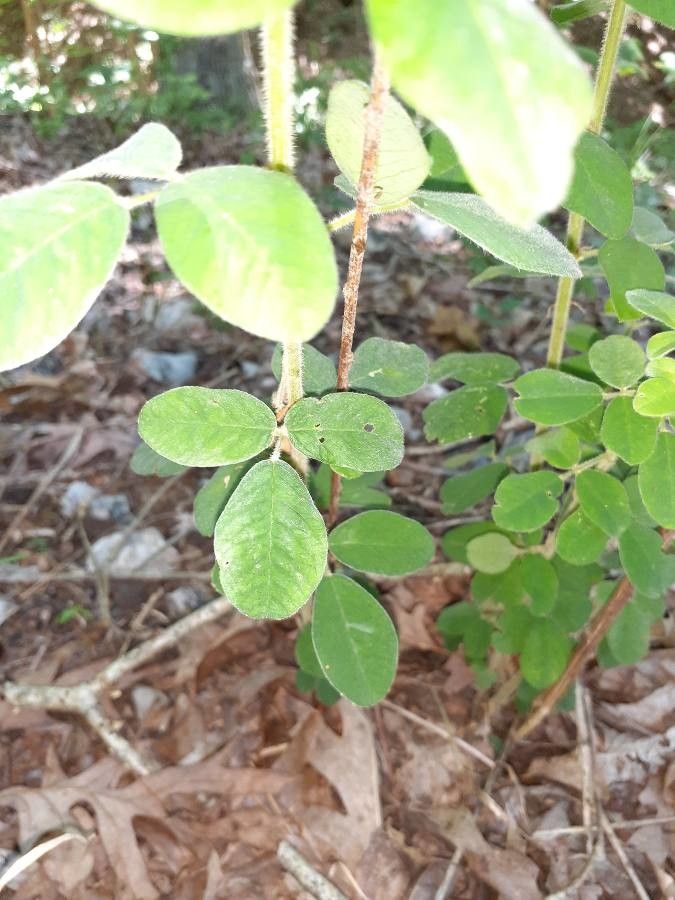
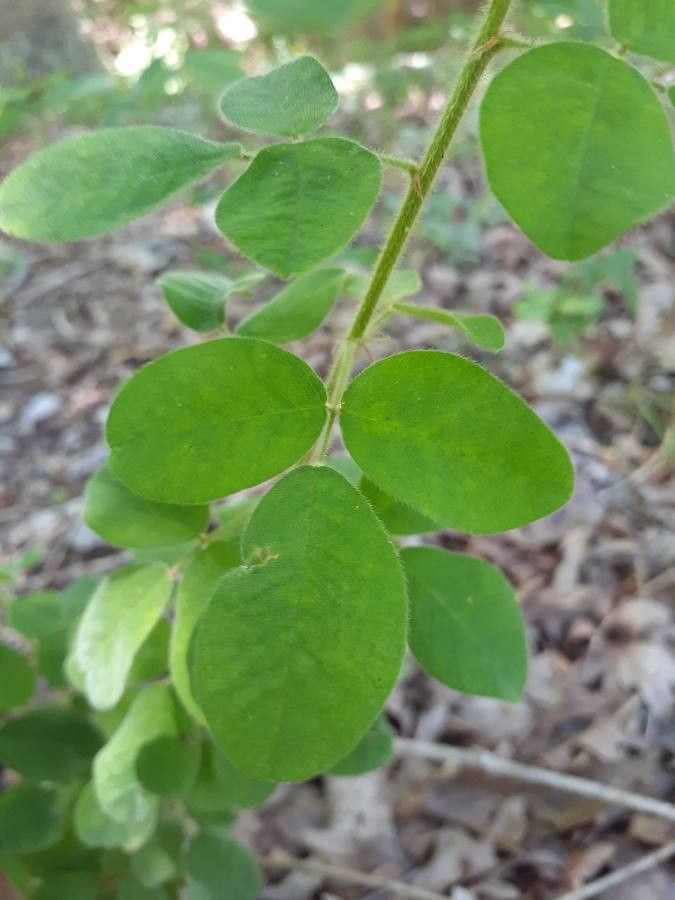
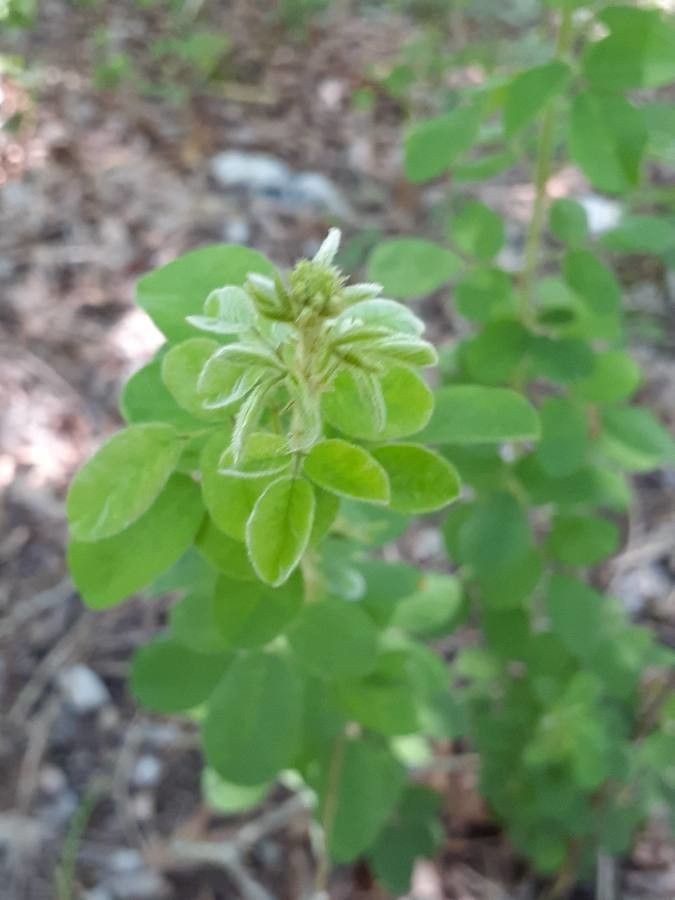
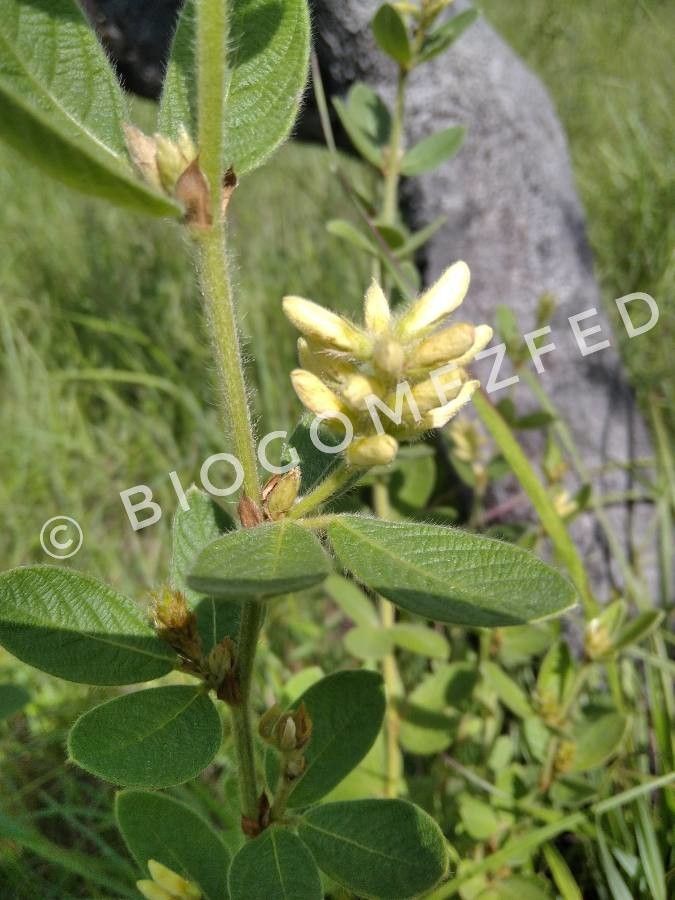
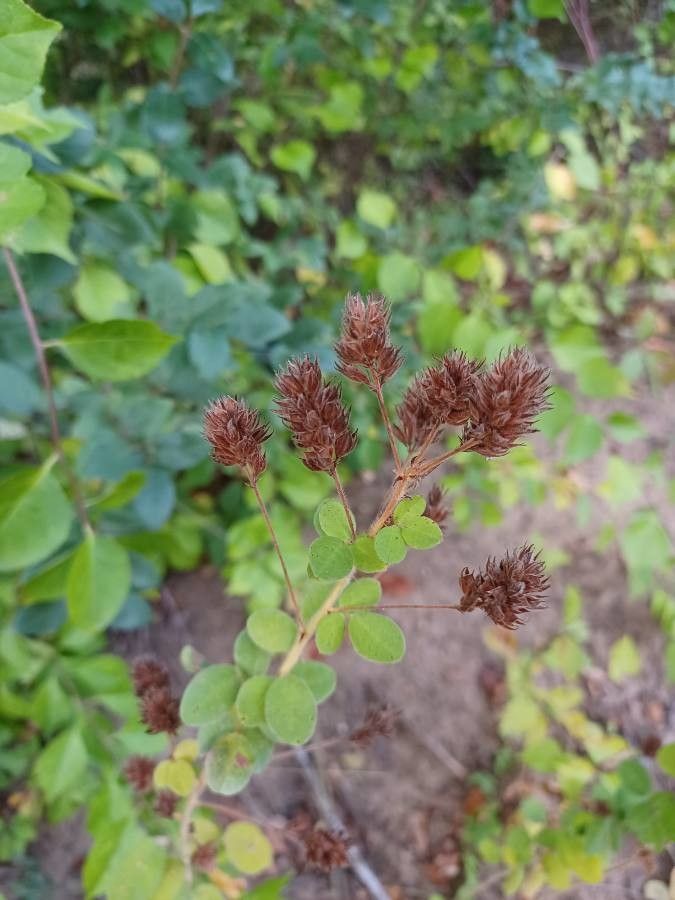
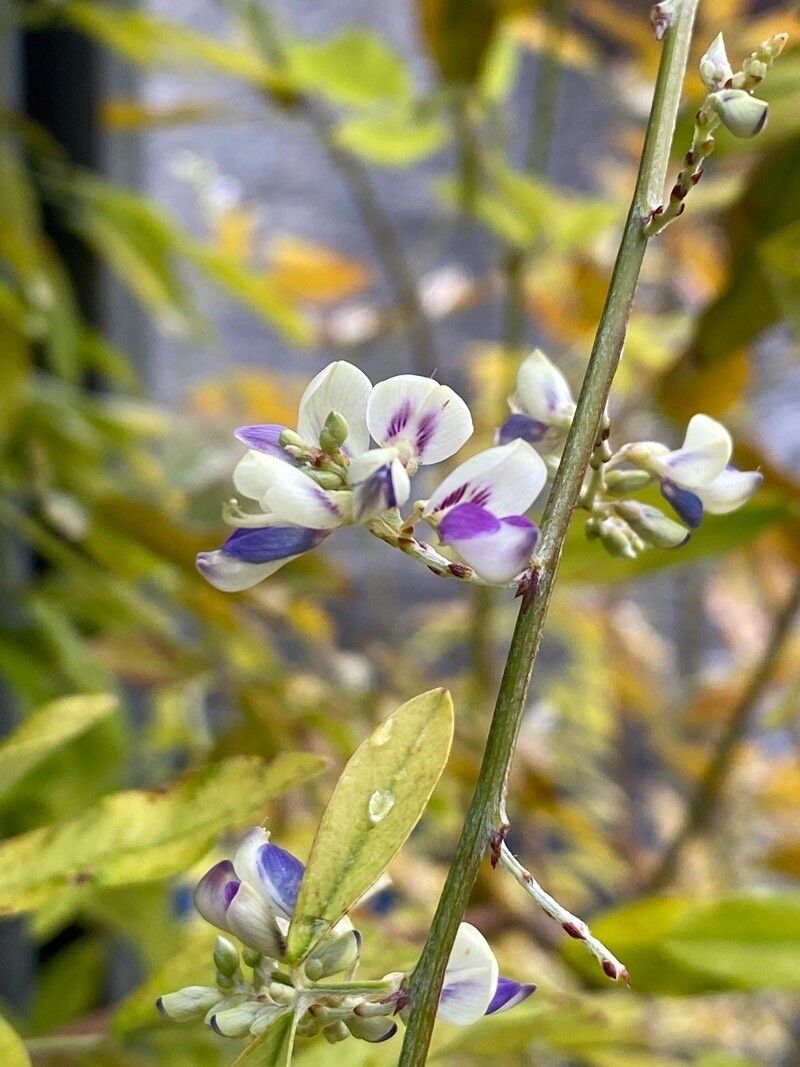
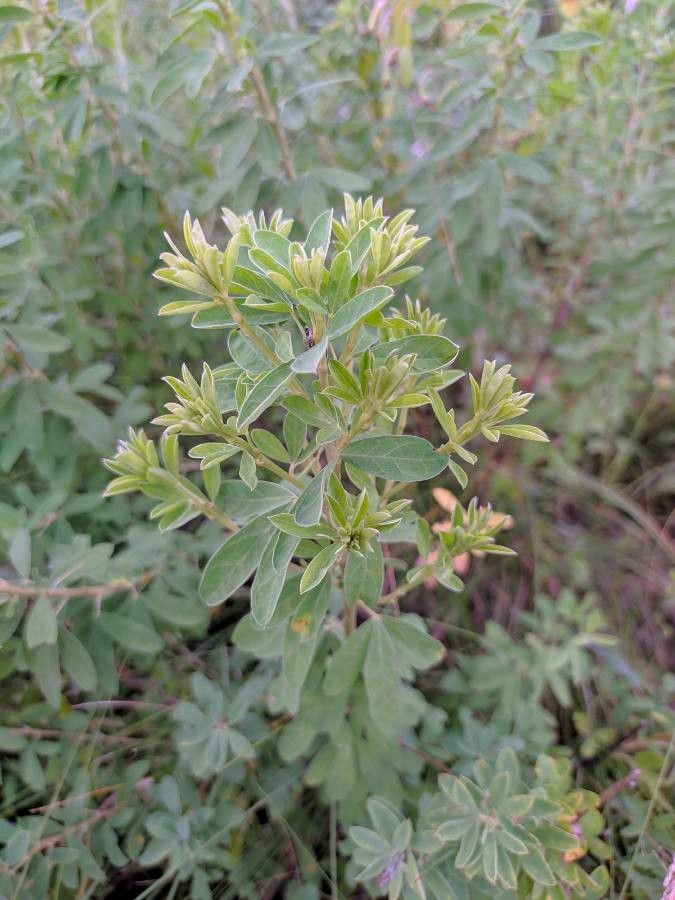
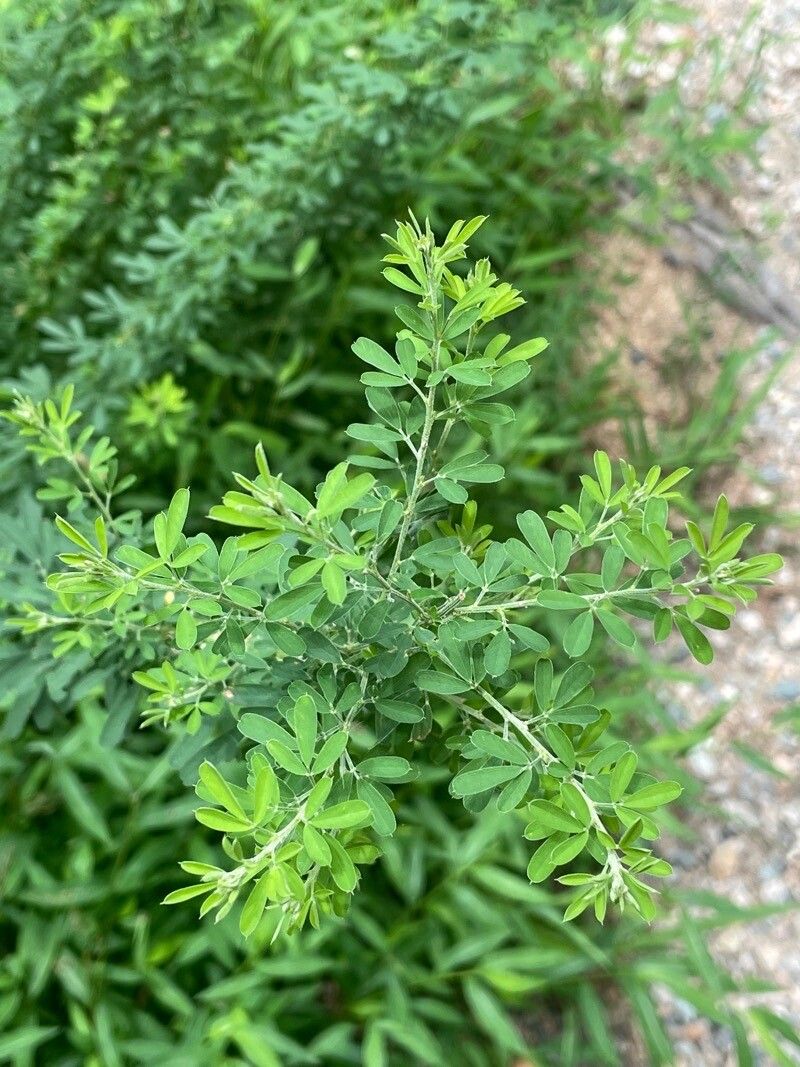
Lespedeza hirta, the hairy lespedeza or hairy bush clover, is a perennial forb native to Ontario and the eastern United States. It grows at most three feet high. It has inconspicuous small white blooms in the summer and prefers average to dry soil. It is noteworthy for the number of Lepidoptera species it supports. It is a larval host to the bella moth, black-spotted prominent moth, cloudless sulpher, confused cloudy-wing, eastern tailed blue, gray hairstreak, southern cloudywing, and zarucco duskywing.
Hairy lespedeza has strong disease resistance and generally does not suffer from many illnesses. However, it can be susceptible to pests and diseases present in its environment. These infections are generally mild. As for care, this plant requires moderate maintenance. It should be pruned regularly to maintain a pleasing appearance and healthy growth. Fertilizing can also help encourage flowering. Hairy lespedeza is appropriate for anyone with outdoor space, such as a garden or patio, and does not demand extensive care experience. It may need more attention when grown indoors.
How to keep Lespedeza Hirta.
Light
Hairy lespedeza is a perennial, herbaceous plant that prefers sunny sites and comes from open habitats, commonly growing in meadows and grasslands. It favors full sun but can also tolerate partial sun.
Water
Hairy lespedeza thrives in well-drained soil with consistent moisture, needing weekly watering. Adapted to moderate climates, it benefits from rainwater during the growing season, which enhances its growth. Typically grown outdoors, this hardy plant efficiently retains moisture even in periods without frequent rainfall.
Temperature
Hairy lespedeza can tolerate a wide range of temperatures, though its distribution may still be constrained by specific combinations of moisture and heat. It does best in warm summer climates with sufficient rainfall or irrigation. Extended periods of cloudy, rainy weather and prolonged high temperatures can increase the chance of Hairy lespedeza dying. In winter, adequate protection from cold can improve the plant’s survival.
Fertilizer
The best time to fertilize a Hairy lespedeza is in early spring, as it comes out of dormancy and begins active growth. Fertilizing supplies essential nutrients for healthy development. Although Hairy lespedeza has relatively low fertilizer requirements, an annual application can improve its survival and produce better, longer-lasting flowers.
Pruning
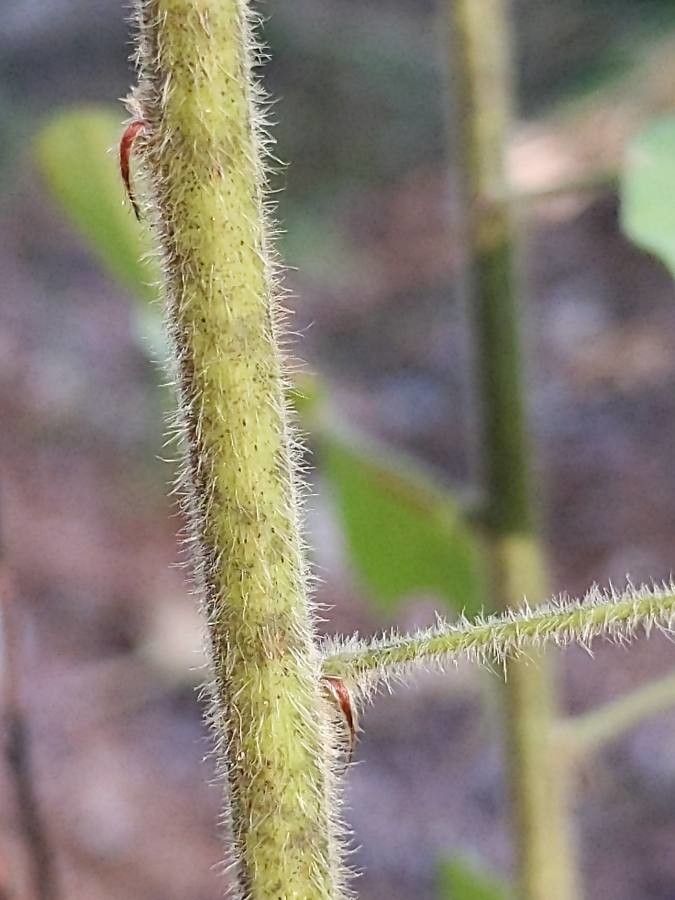
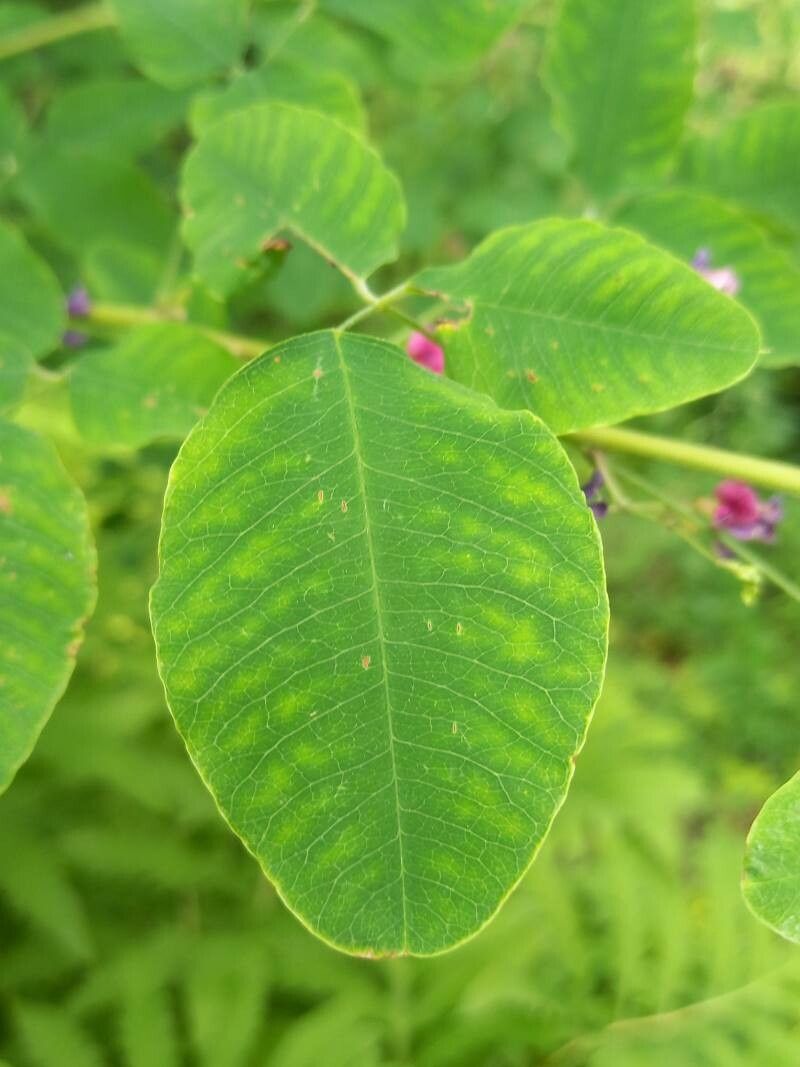
Hairy lespedeza is a perennial herb, characterized by its hairy stems and trifoliate leaves. Pruning should be done in early spring to remove dead branches, which helps improve sunlight exposure and air circulation, and encourages flowering. Pruning at this time also aligns with the plant's growth cycle and prevents it from becoming leggy.
Botanical profile.
- Plant Type
- Herb
- Life Cycle
- Perennial
- Genus
- Lespedeza
- Family
- Fabaceae
- Hardiness Zone
- 4-9
- Mature Height
- 30 cm to 91 cm
- Mature Spread
- 30 cm to 61 cm
- Leaf Color
- Green, Dark Green
- Leaf Type
- Deciduous
- Flower Color
- White, Yellow
- Flower Size
- 0.76 cm to 1.27 cm
- Bloom Time
- Late summer, Early fall, Mid fall
- Planting Time
- Spring, Autumn
- Harvest Time
- Mid fall, Late fall
Other names.