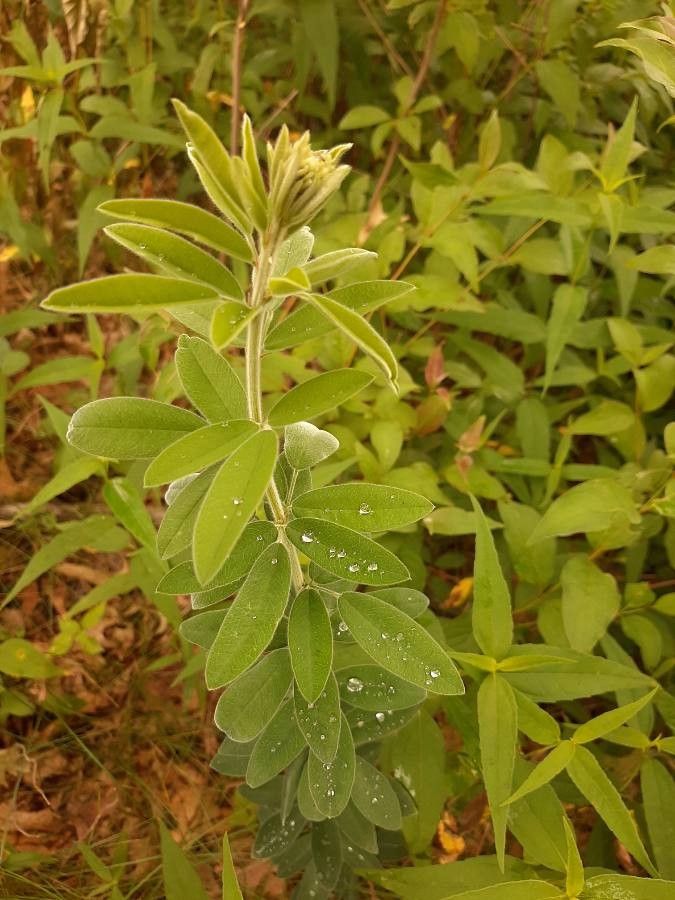
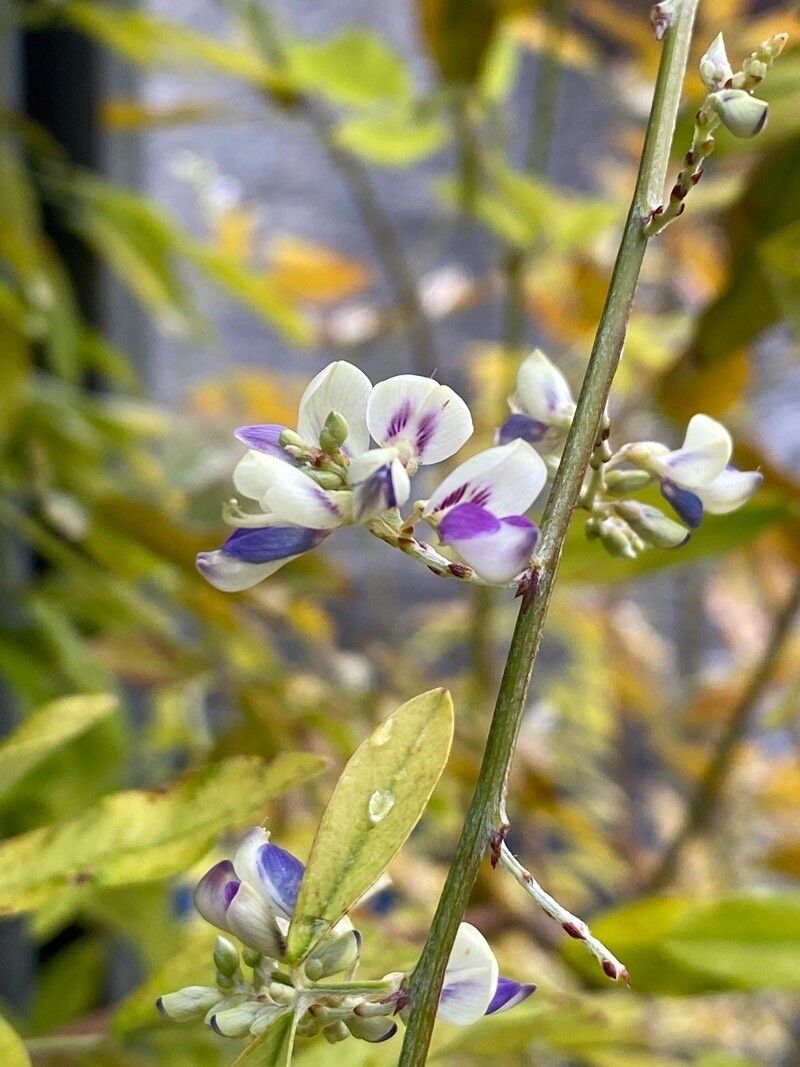
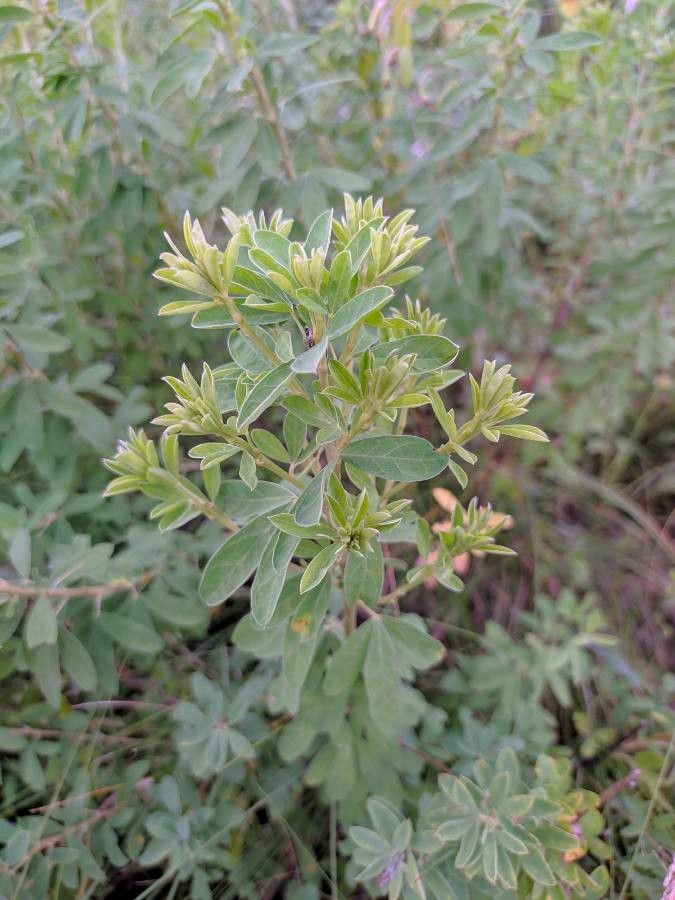
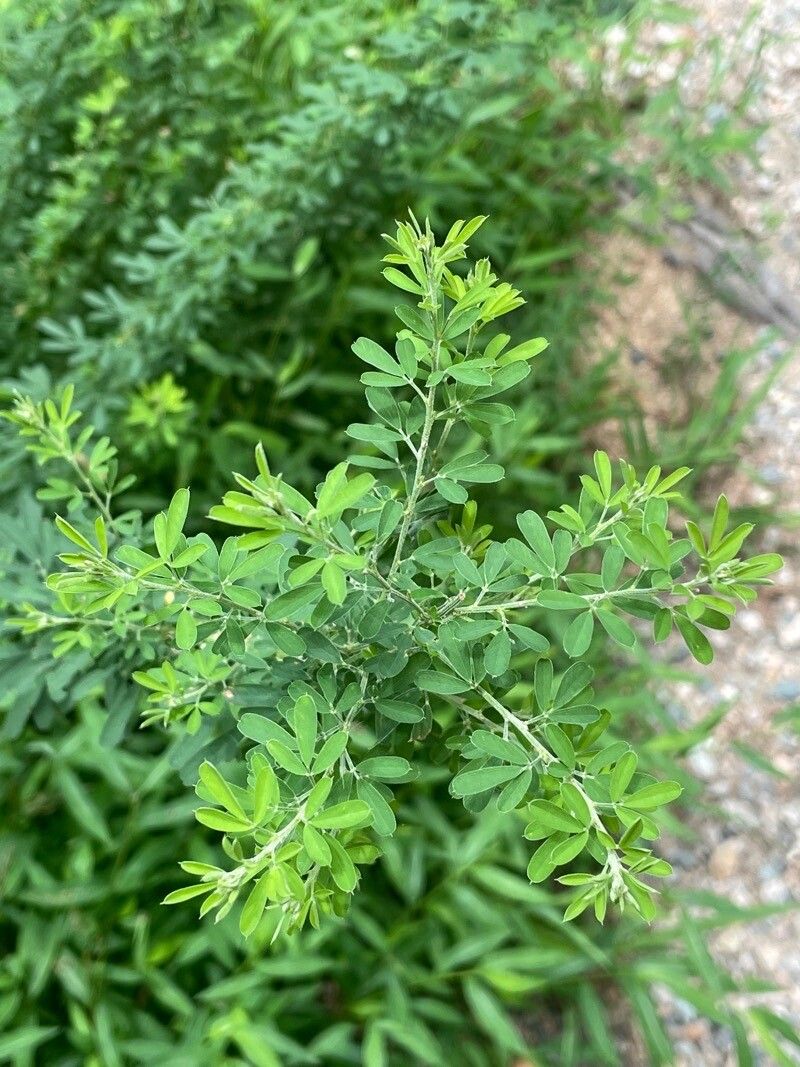
Lespedeza stuevei, commonly known as Stueve's bush clover, is a deciduous shrub in the Fabaceae family, native to the southeastern United States. This plant typically reaches a height and width of 3 to 4 feet, boasting a rounded shape with arching branches.
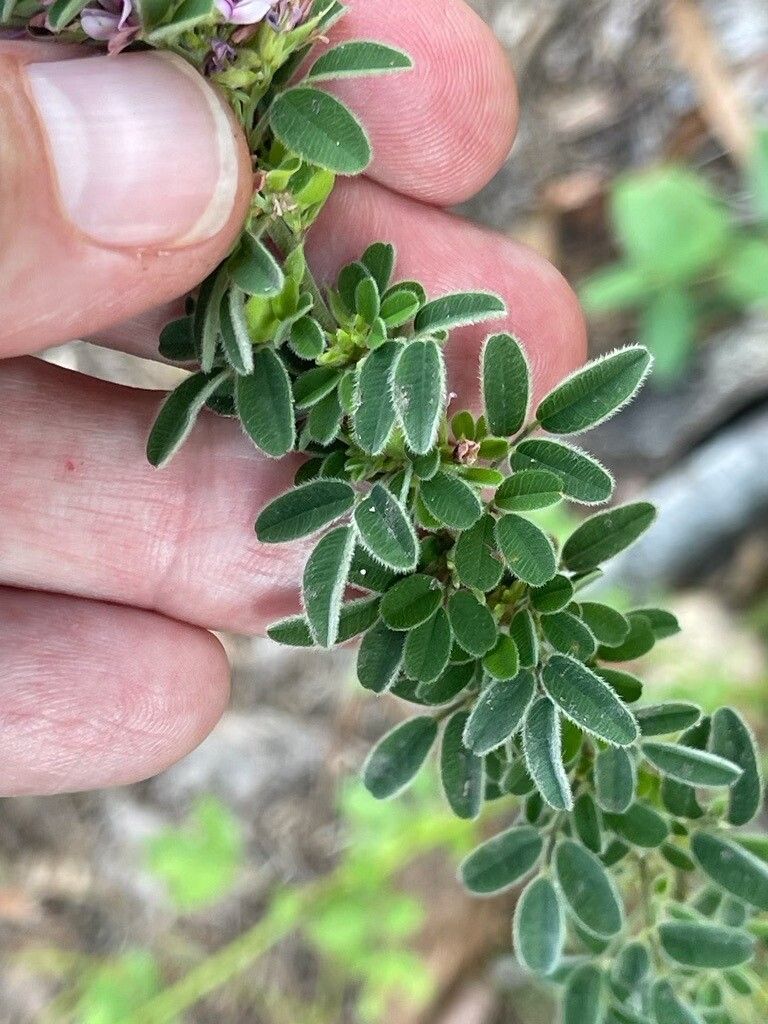
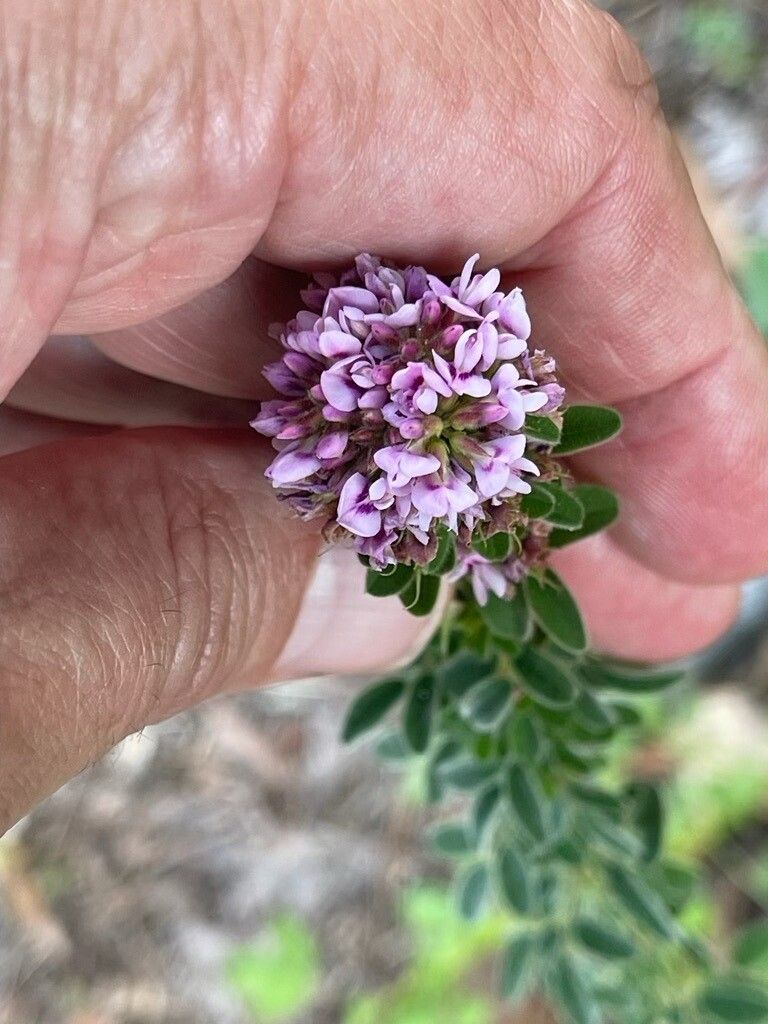
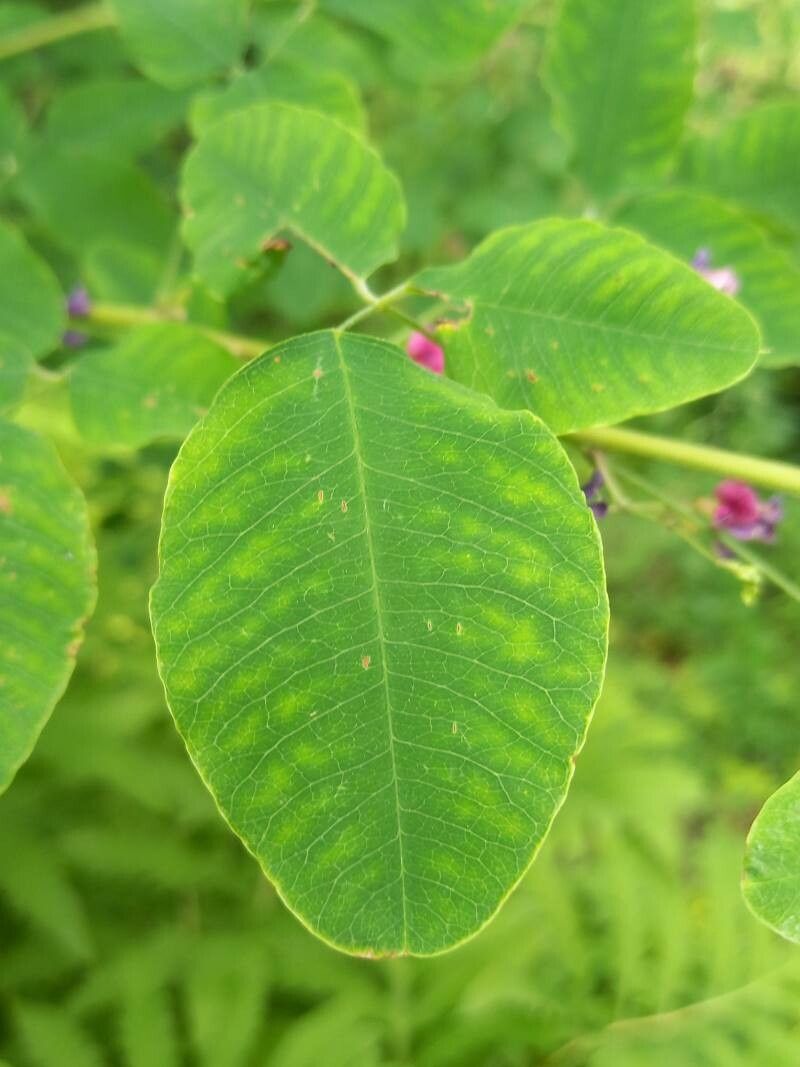
The leaves of Lespedeza stuevei are small, oval, and dark green. In late summer or early fall, the plant produces small, pinkish-purple flowers that cluster along the stems.
Stueve’s bush clover thrives in well-drained soils with full sun exposure but can also tolerate partial shade. Once established, it is drought-tolerant, though regular watering during dry periods is beneficial.
This shrub is excellent for attracting pollinators like bees and butterflies, thanks to its nectar-rich flowers. It can also be used for erosion control on slopes or simply as an ornamental addition to gardens and landscapes.
Overall, Lespedeza stuevei is an attractive native shrub that offers ecological benefits while enhancing the beauty of outdoor spaces.
Roundhead bushclover is fairly disease-resistant and generally does not suffer from many diseases. However, it can be vulnerable to pests and illnesses present in its surroundings. Such infections are usually mild. For care, this plant needs moderate maintenance. Regular pruning is needed to preserve a neat appearance and promote healthy growth. Fertilizing can also help encourage flowering. Roundhead bushclover is suitable for anyone with outdoor space, like a garden or patio, and does not demand extensive care experience. It may require more attention when grown indoors.
How to keep Lespedeza Stuevei.
Light
The roundhead bushclover thrives when it receives ample sunlight each day, promoting healthy growth. It can also tolerate less intense sun exposure. Across its different growth stages, its need for sunlight remains consistent. Originating in open habitats, it is adapted to withstand strong sun. However, uneven light exposure can impair its health or result in stunted growth.
Water
Tall lespedeza thrives in grasslands due to its drought tolerance, requiring only moderate moisture to grow successfully. Watering once a week is ideal, particularly during the active growing season, to encourage robust flowering and growth. This adaptation makes tall lespedeza resilient to varying rainfall conditions.
Temperature
Roundhead bushclover is suited to temperate climates and prefers temperatures between 41 and 89.6 °F (5 to 32 ℃). Under native growth conditions it can prosper through mild winters and warm summers. Depending on local climate, seasonal adjustments may be necessary.
Fertilizer
The best time to fertilize Roundhead bushclover is in early spring, as it comes out of dormancy and starts active growth. Fertilization supplies essential nutrients for healthy development. Although Roundhead bushclover needs relatively little fertilizer, applying it once a year can improve its survival and encourage better, longer-lasting blooms.
Pruning
To encourage new growth and maintain its shape, tall lespedeza needs to be pruned from early to late spring. Begin by removing any dead or diseased wood to improve air circulation, paying special attention to the larger stems near the base of the plant. Regular pruning helps achieve a fuller appearance and promotes healthier growth throughout the season.
Botanical profile.
- Plant Type
- Herb
- Life Cycle
- Perennial
- Genus
- Lespedeza
- Family
- Fabaceae
- Hardiness Zone
- 4-8
- Mature Height
- 1.52 m
- Mature Spread
- 15 cm to 30 cm
- Leaf Color
- Green, Dark Green
- Leaf Type
- Deciduous
- Flower Color
- White
- Flower Size
- 2.54 cm
- Bloom Time
- Mid summer
- Planting Time
- Spring, Summer, Autumn
- Harvest Time
- Mid summer, Late summer, Early fall
Other names.