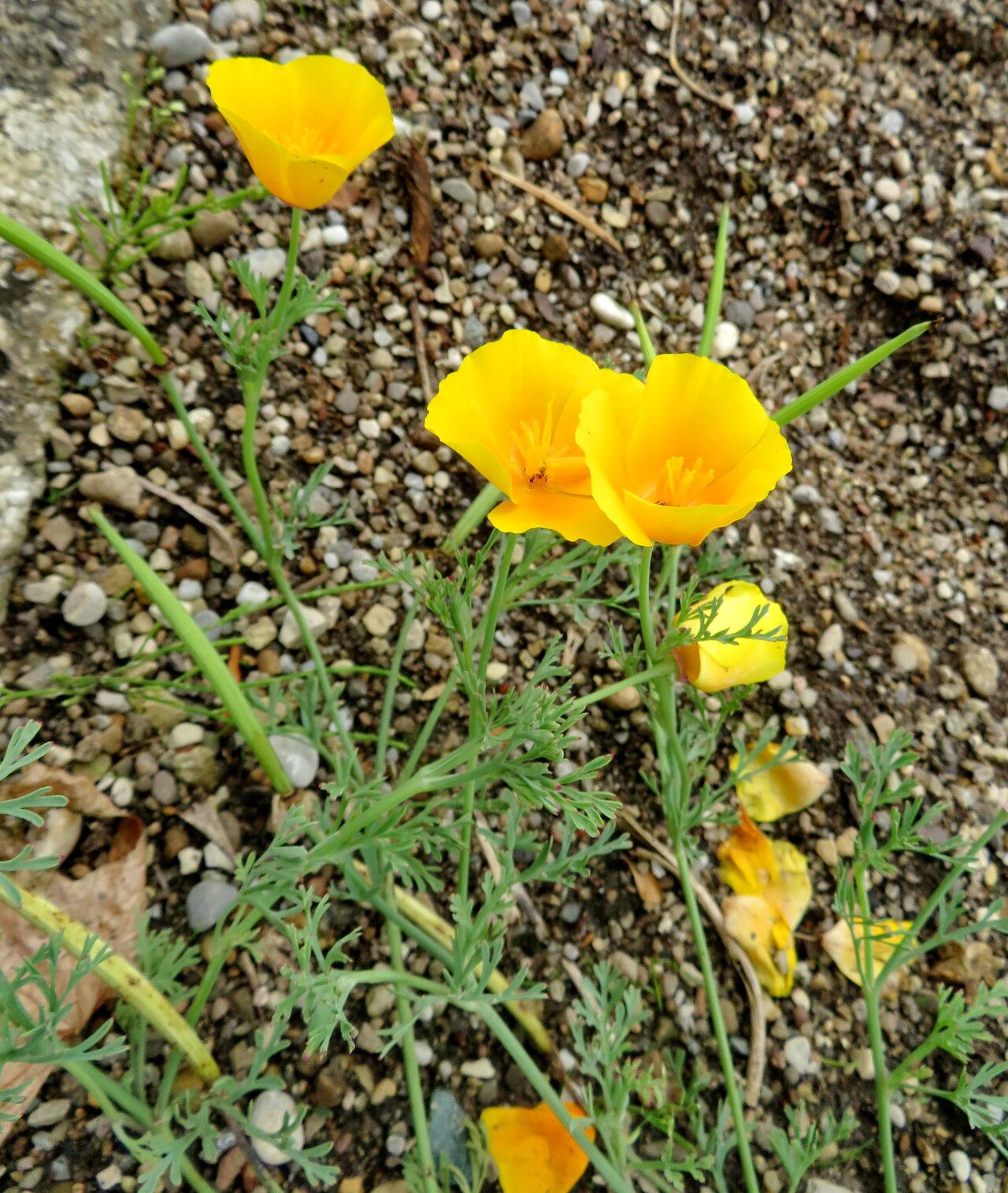
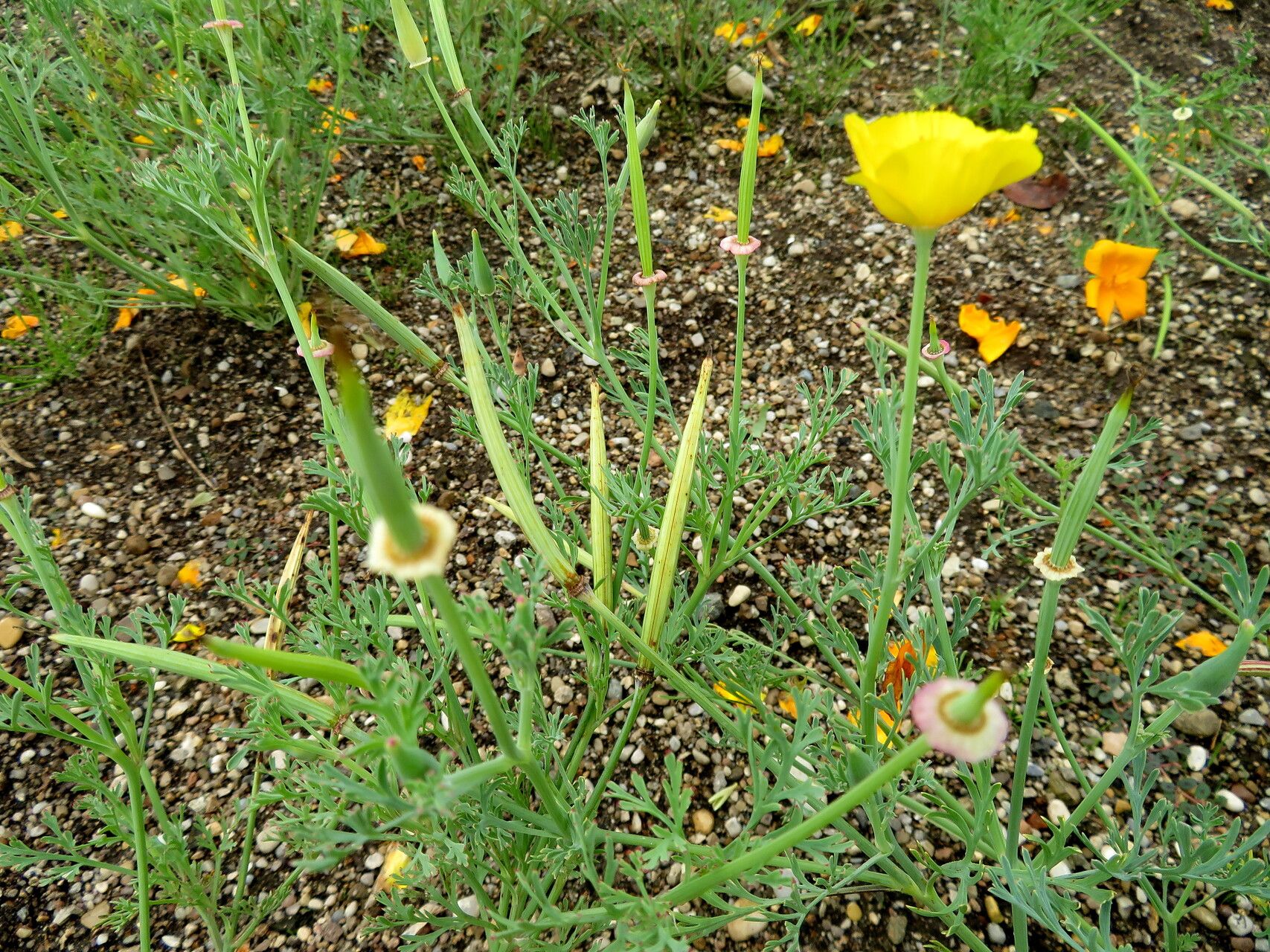
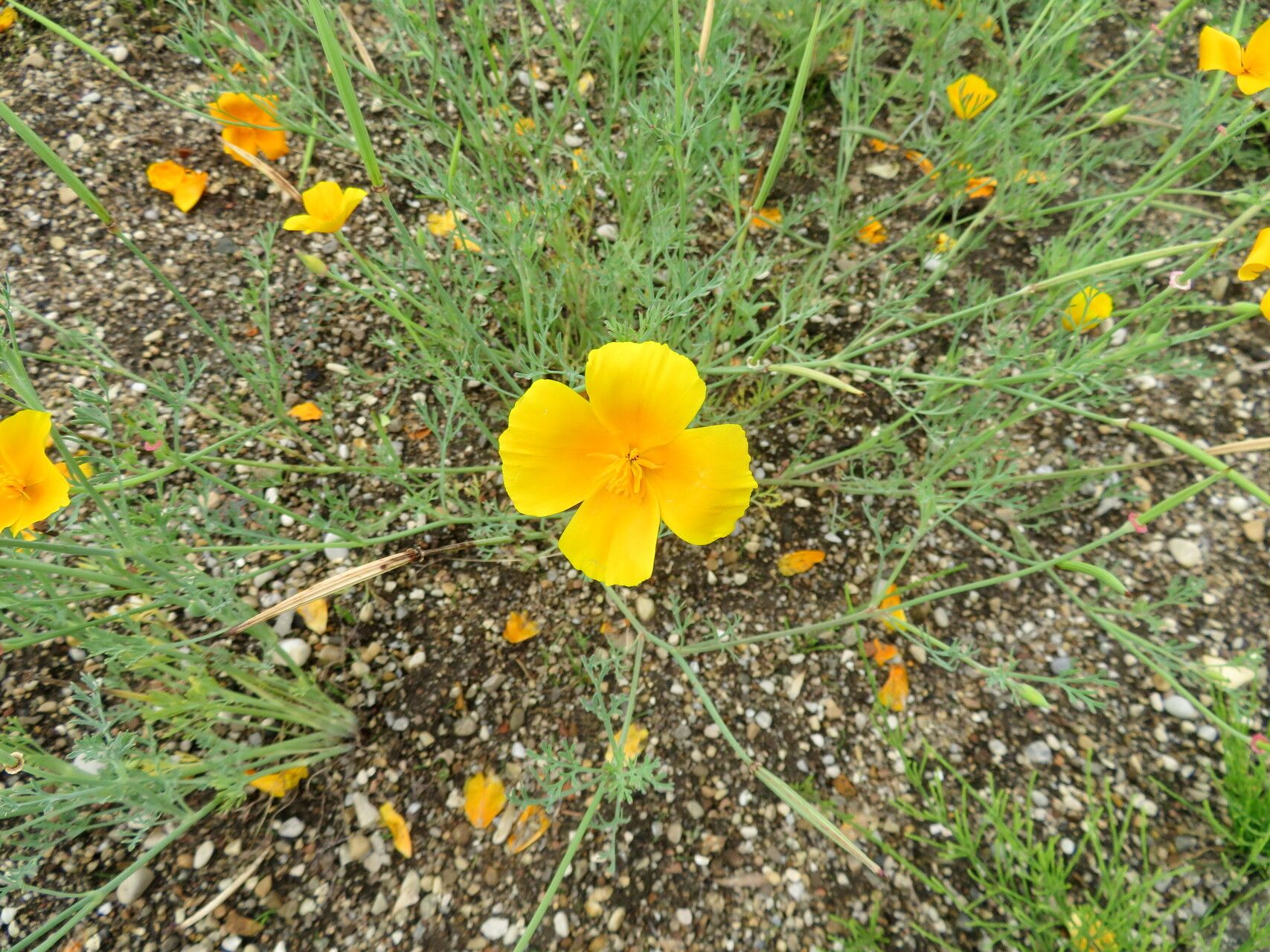
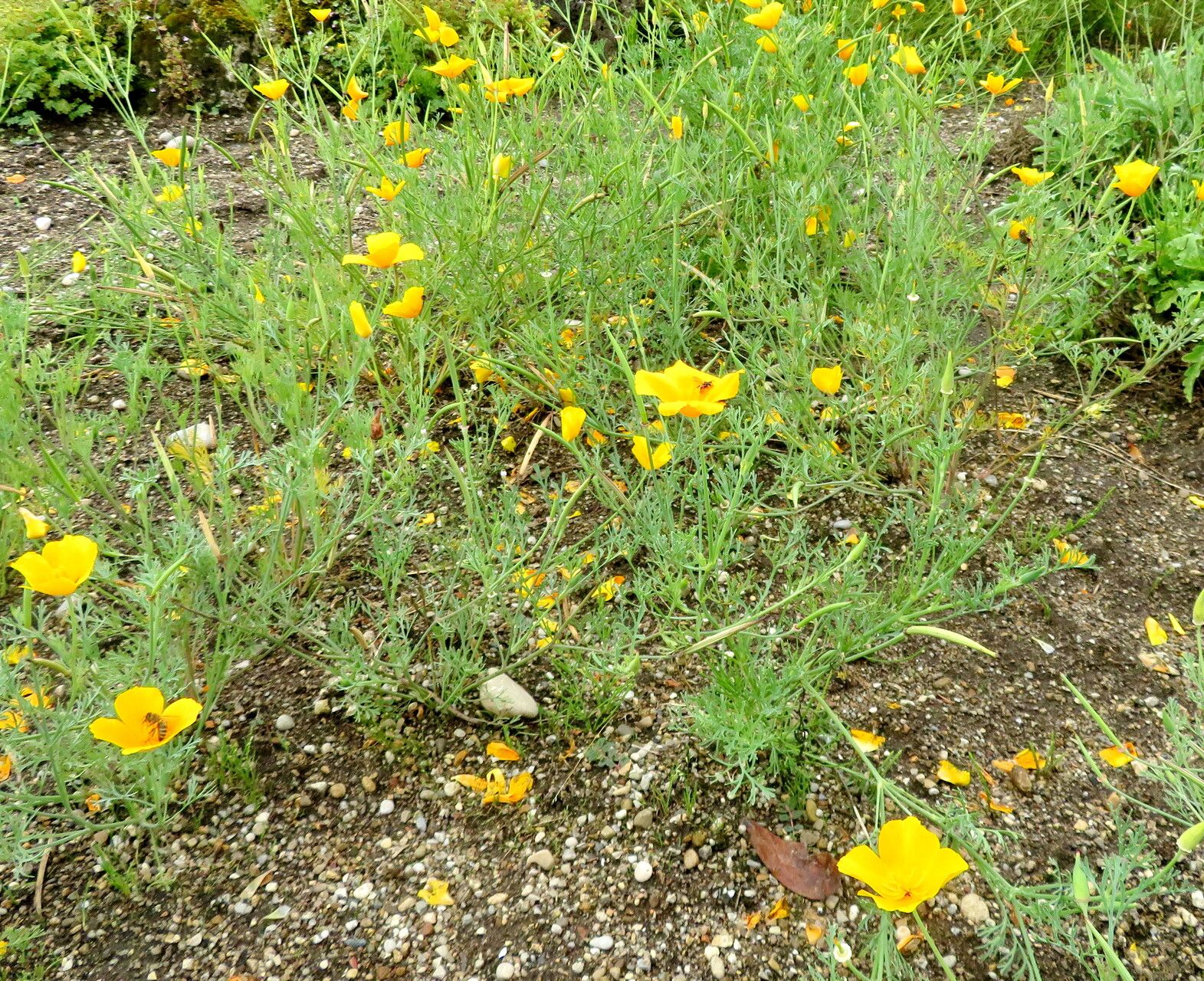
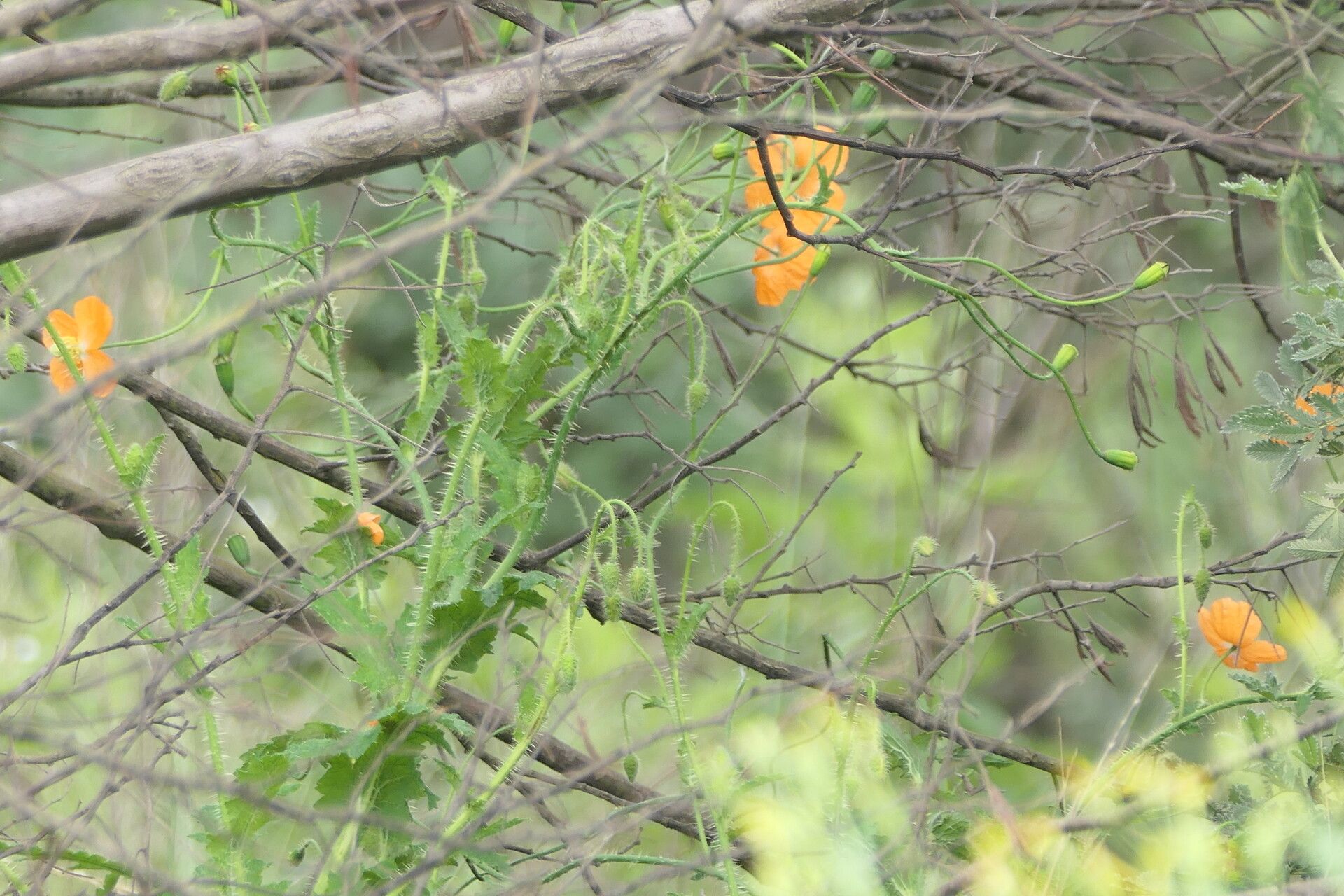
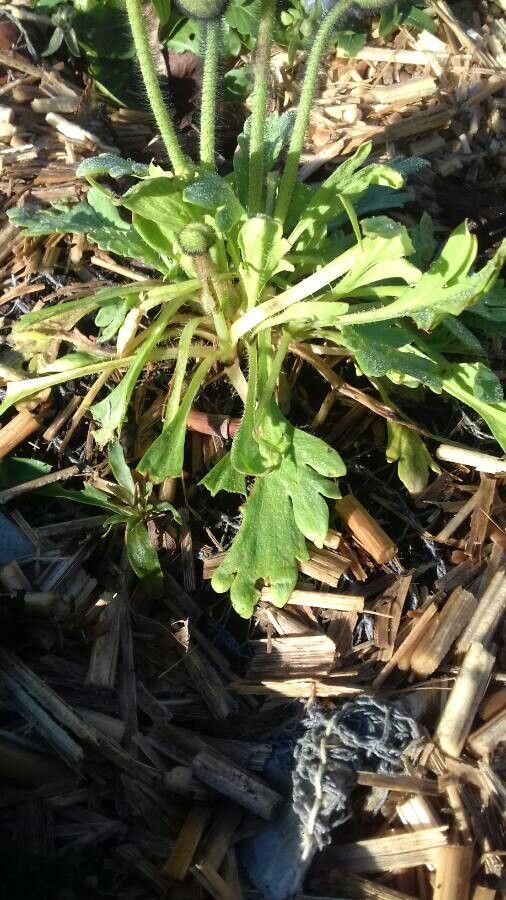
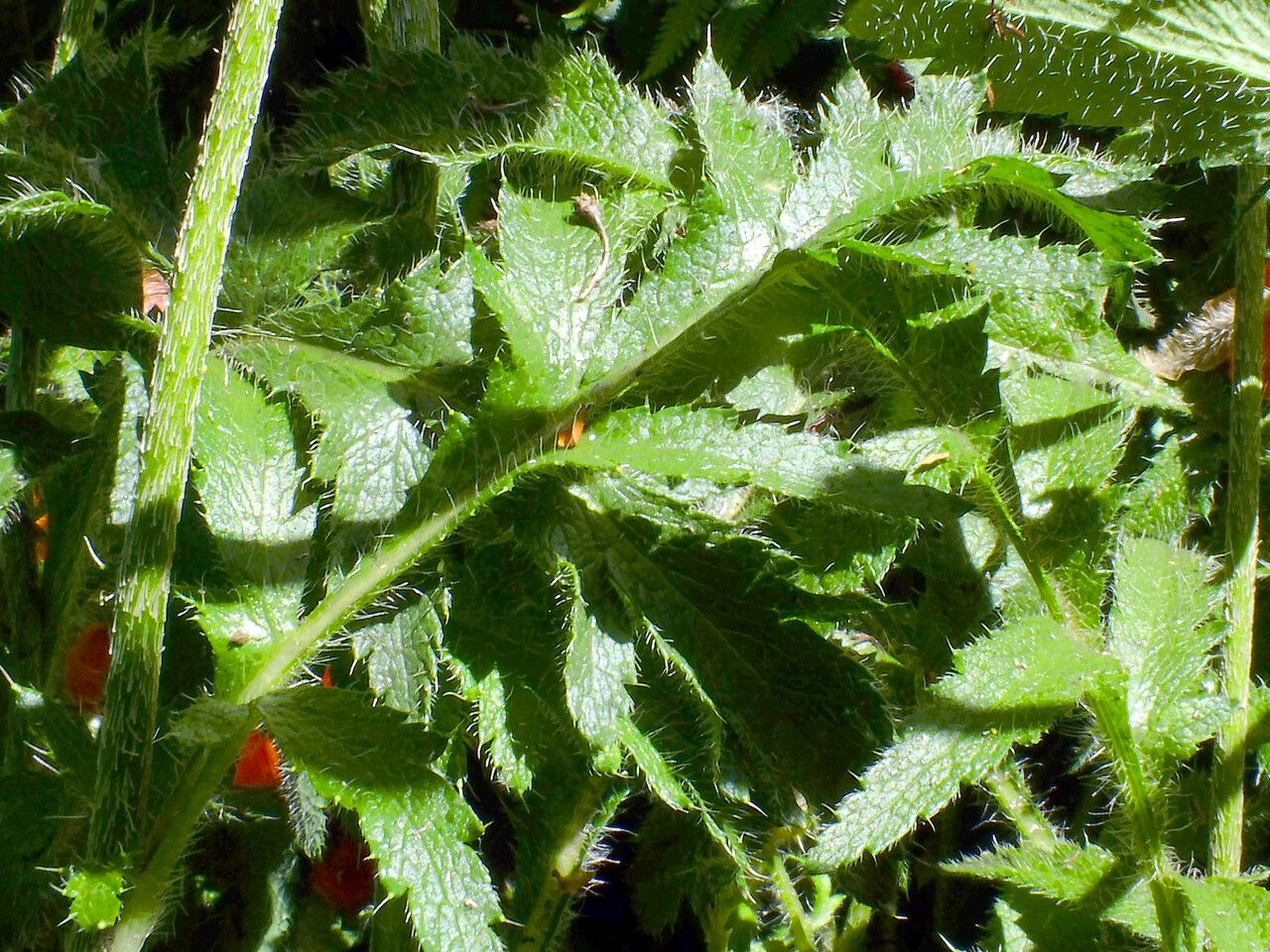
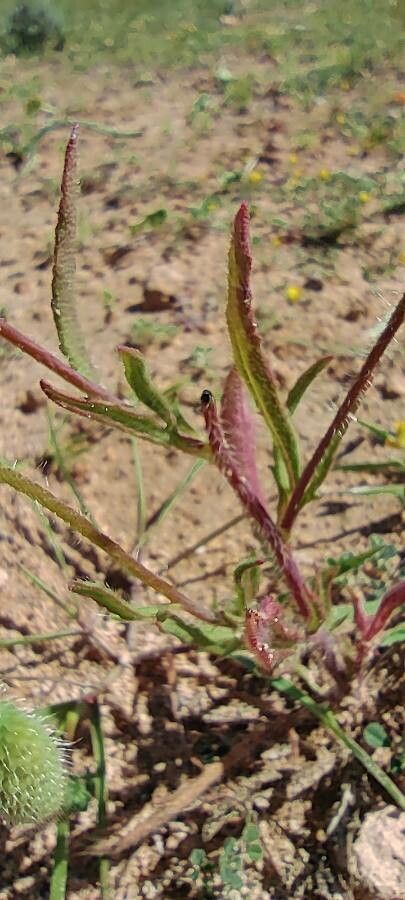
Papaver commutatum, the Caucasian scarlet poppy, is a species of flowering plant in the family Papaveraceae native to northern Turkey, northwestern Iran and the Caucasus. It is an erect annual growing to 45 cm (18 in) tall by 15 cm (6 in) wide, with hairy stalks and leaves. The flower is bowl-shaped and about 8 cm (3 in) in diameter, bright red with prominent black blotches at the bases of the petals, and is borne in early summer. The flowers are followed by spherical seed heads.
How to keep Papaver Commutatum.
Water
The Ladybird poppy flourishes in environments with balanced moisture levels and displays moderate drought tolerance. Native to stable climates, it thrives with consistent watering every 1-2 weeks. As an outdoor herbaceous plant, the Ladybird poppy effectively absorbs and stores water throughout its growth cycle, enabling it to endure suboptimal conditions.
Pruning
The Ladybird poppy is known for its vibrant red petals adorned with black spots. To encourage growth and reblooming, prune the plant in early spring by removing dead stems and spent flowers, in accordance with its growth cycle. Regular pruning not only boosts air circulation and prevents disease but also helps maintain the plant's shape and visual appeal.
Pot & Repot
For Ladybird poppies to thrive in pots, they need excellent drainage. This prevents root rot and promotes healthy growth.
Botanical profile.
- Genus
- Papaver
- Family
- Papaveraceae