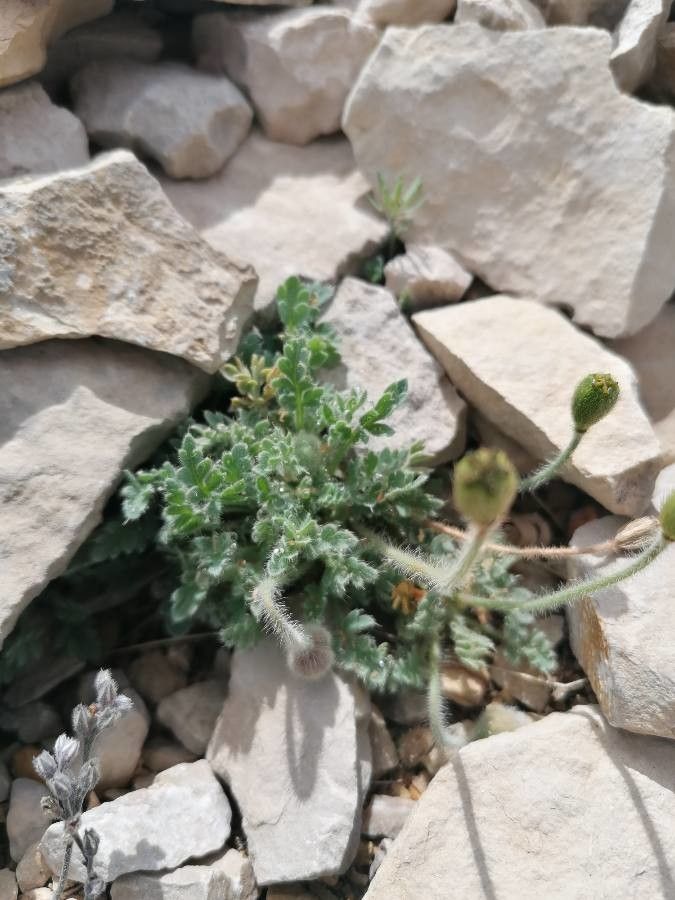
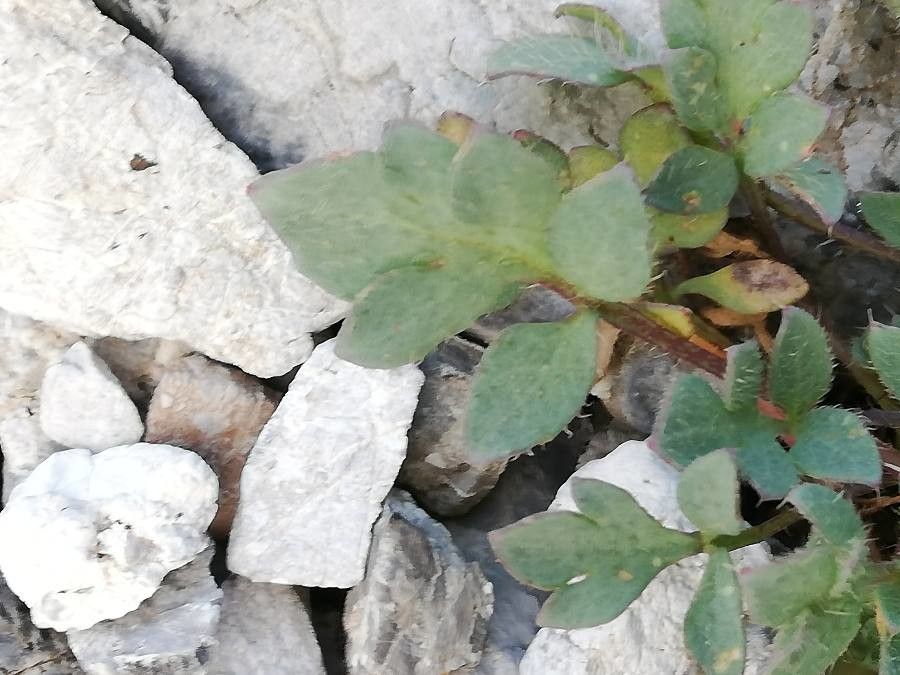
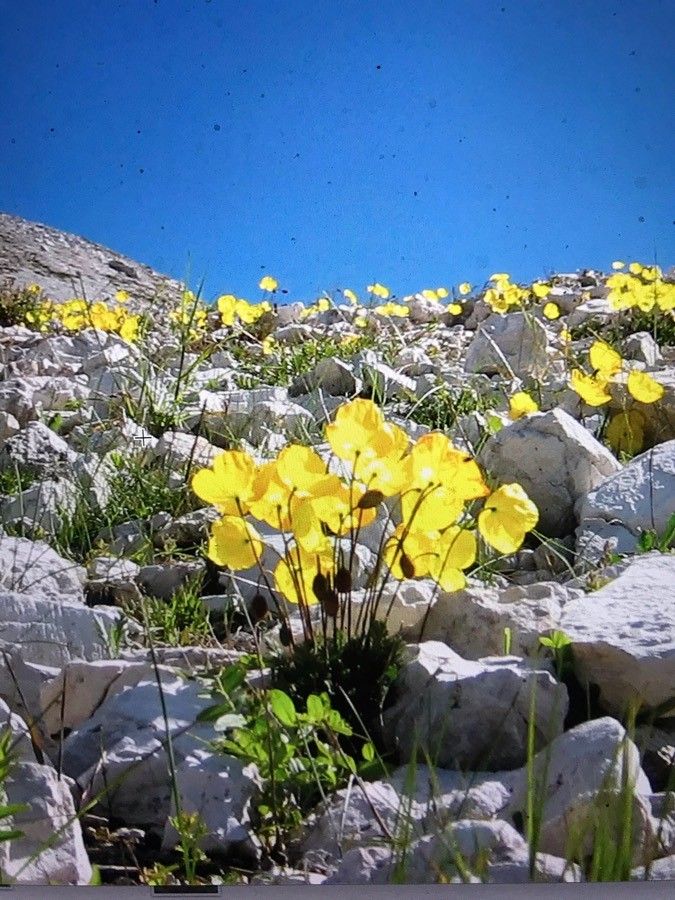
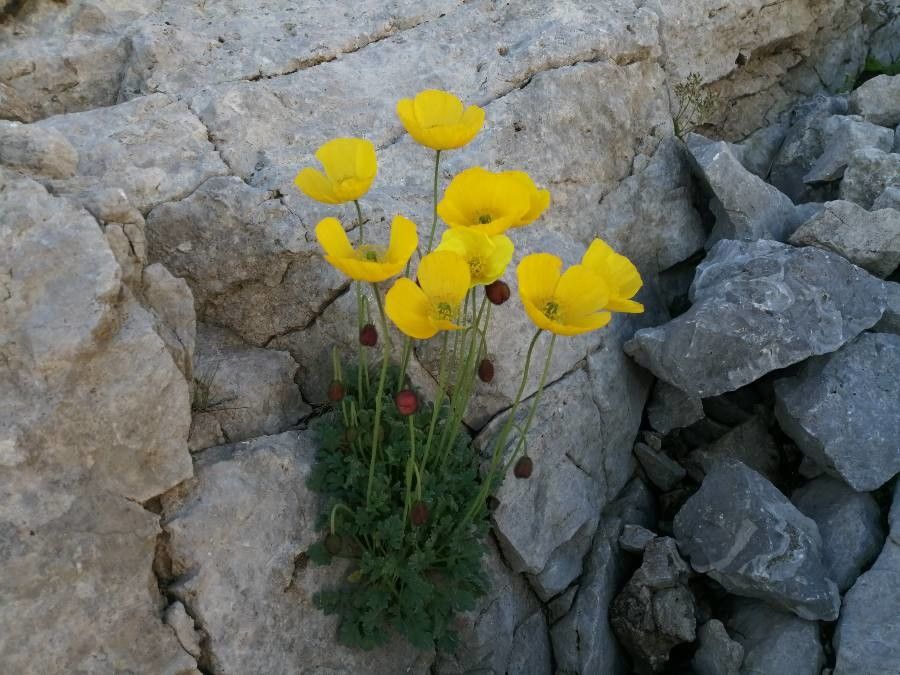
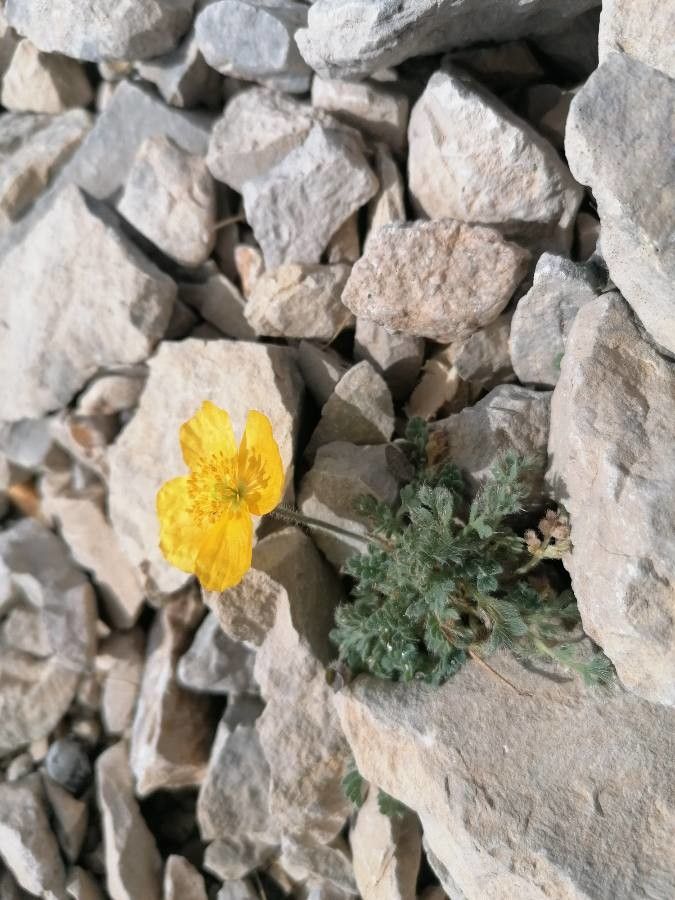
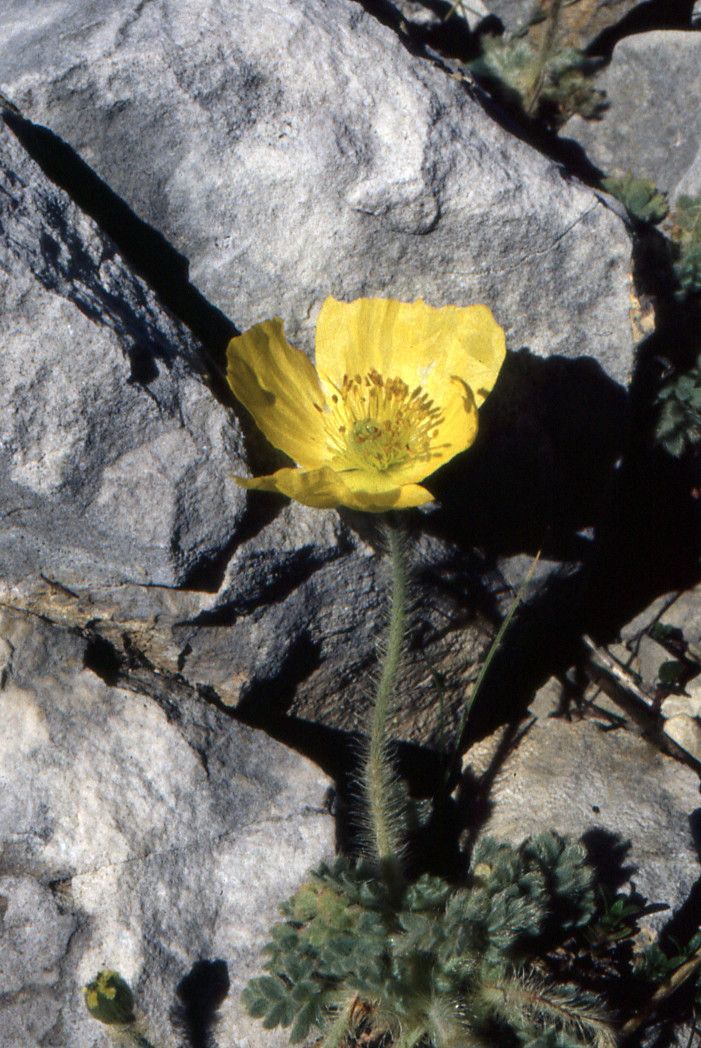
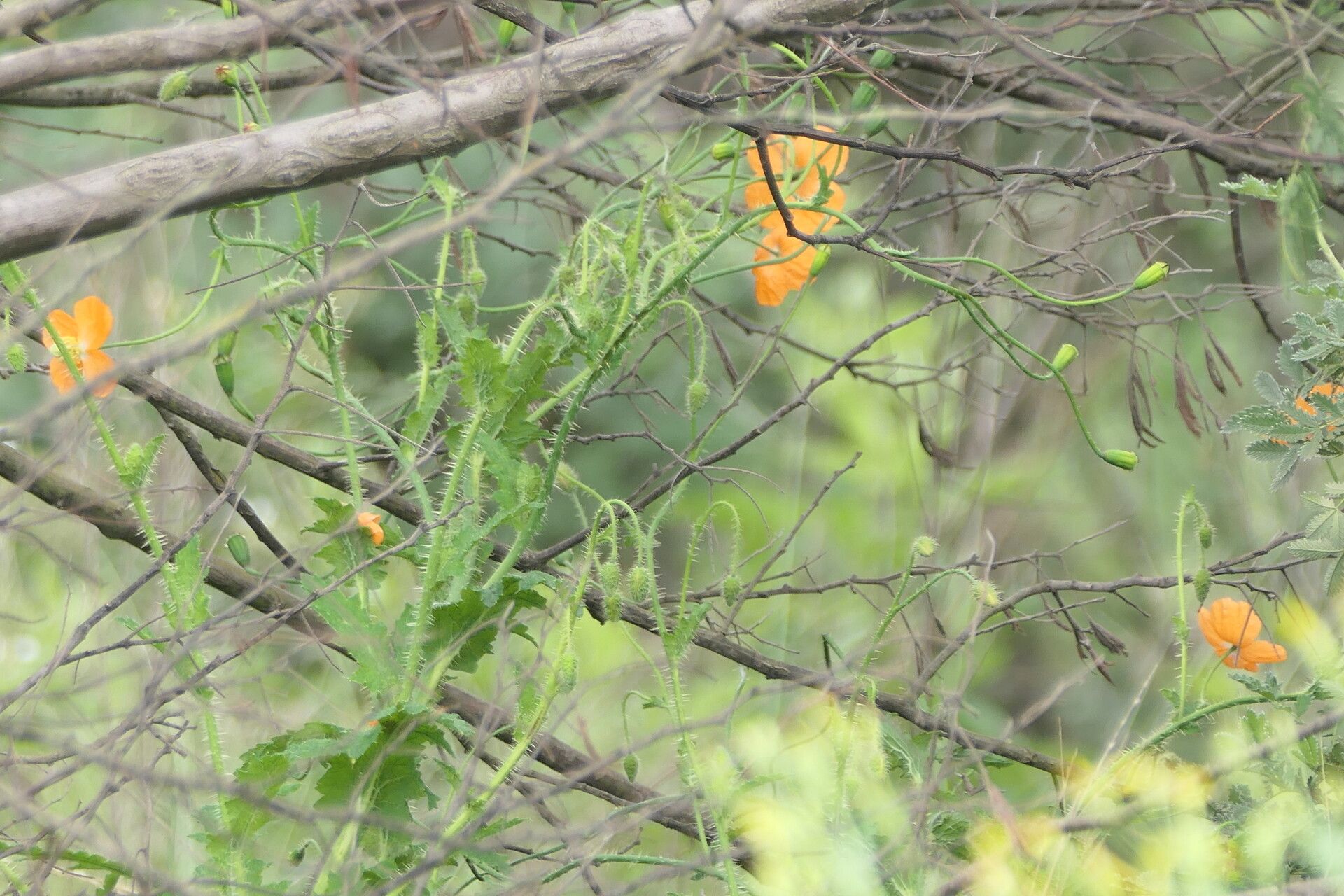
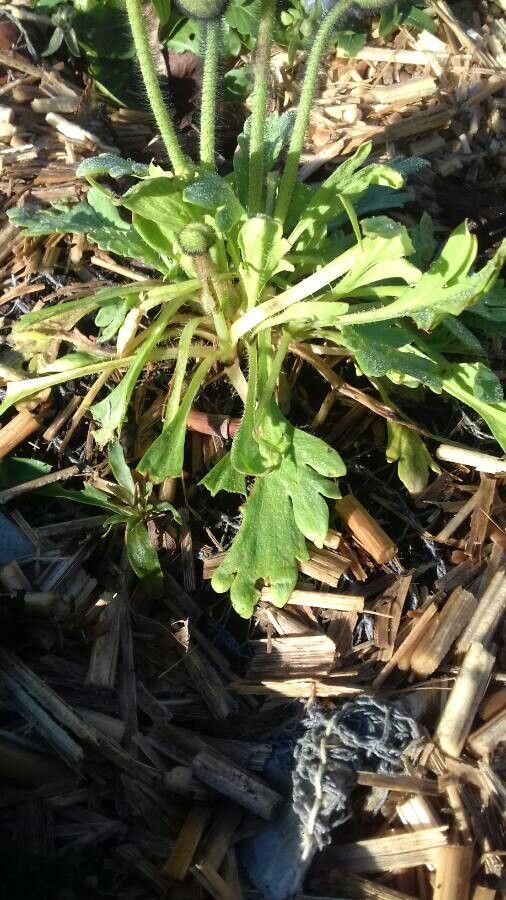
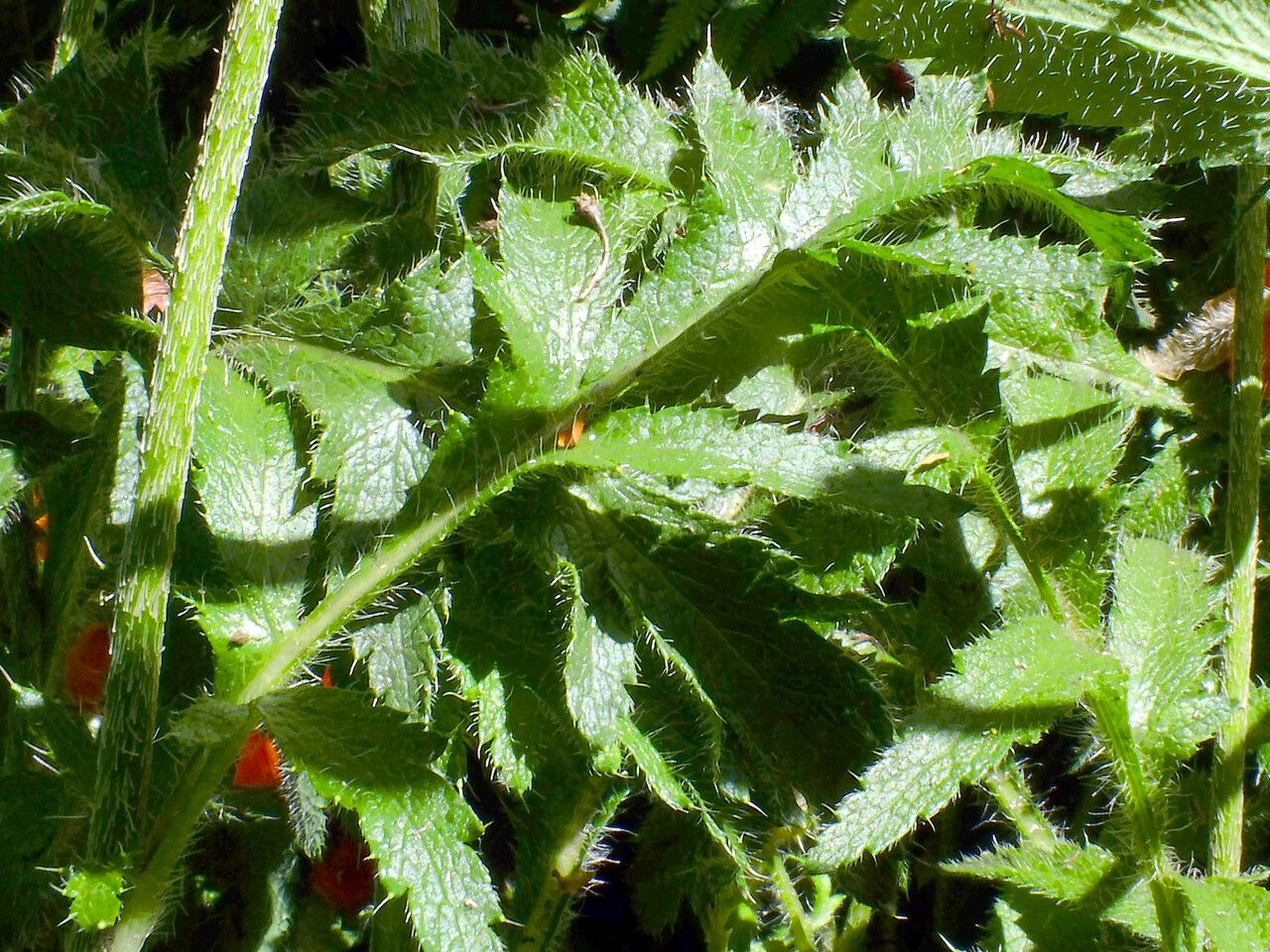
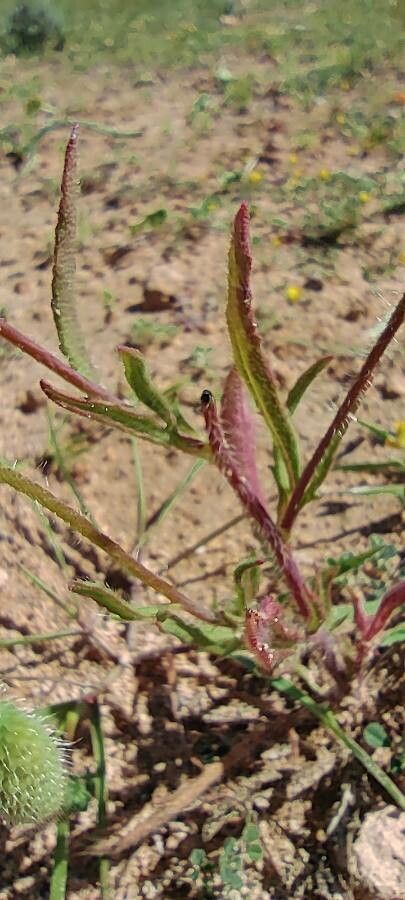
Oreomecon alpina, synonym Papaver alpinum, the Alpine poppy or dwarf poppy, is a poppy found in the Alps. The circumscription of the species varies considerably. In some treatments, the species is one of a group of related species, and includes several subspecies, four of which are found in Austria. In other treatments, it includes species that have been treated as separate, and has at most one subspecies.
Papaver aurantiacum is fairly disease-resistant and typically not prone to illnesses. Nevertheless, it can be affected by pests and diseases present in its surroundings. Such infections are generally not severe. Regarding care, this plant requires moderate maintenance. Regular pruning is necessary to maintain a tidy appearance and promote healthy growth. Fertilizing can also aid in encouraging flowering. Papaver aurantiacum is well suited to anyone with outdoor space, such as a garden or patio, and does not demand extensive care experience. It may need more attention when grown indoors.
How to keep Papaver Rhaeticum.
Light
Papaver aurantiacum is a perennial herbaceous plant that thrives in the sun and is native to open spaces, typically prospering in meadows and grasslands. It prefers full sun exposure, but can withstand conditions of partial sun as well.
Fertilizer
Typically, a single fertilizer application in the spring suffices for Papaver aurantiacum, yet growth can be optimized by several feedings. Fertilize once every one to one and a half months. This process not only improves the look and functionality of leaves, fostering uniform color and a robust texture, but it also boosts root development and nutrient uptake, contributing to the long-term well-being of the plant.
Botanical profile.
- Plant Type
- Herb
- Life Cycle
- Perennial
- Genus
- Papaver
- Family
- Papaveraceae
- Hardiness Zone
- 6-9
- Leaf Type
- Deciduous