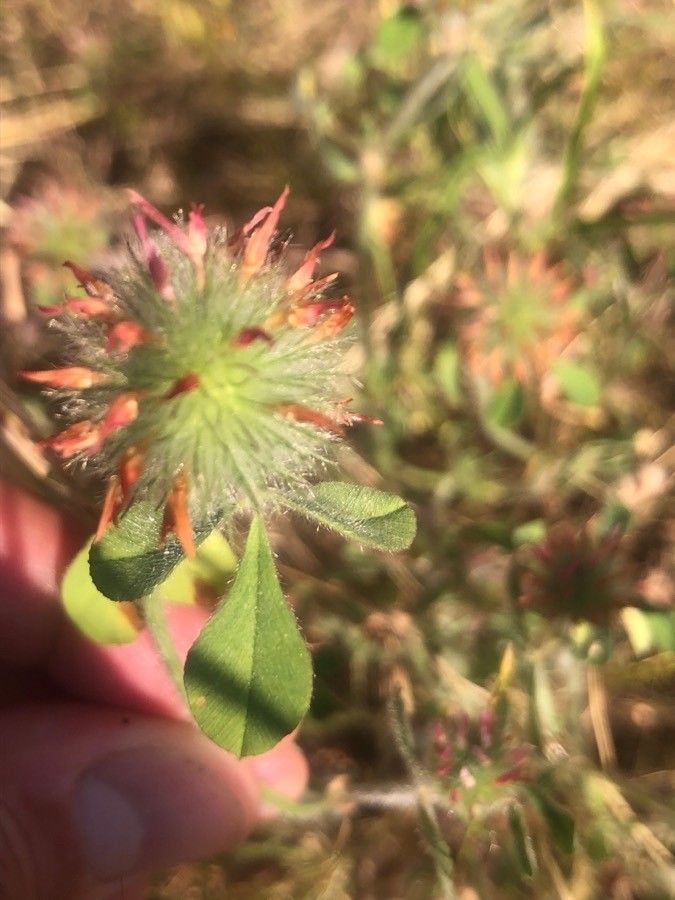
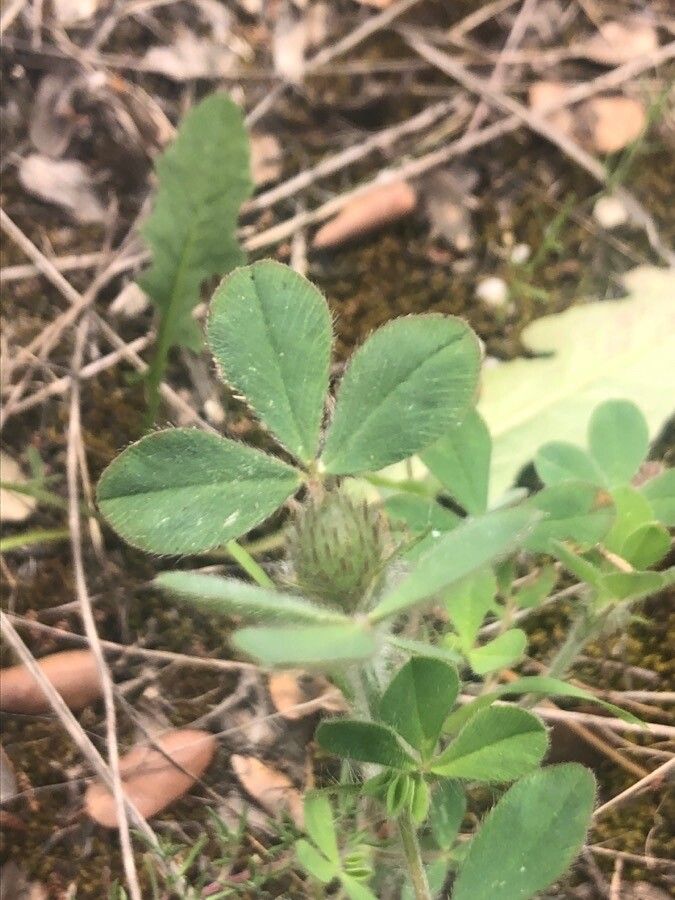
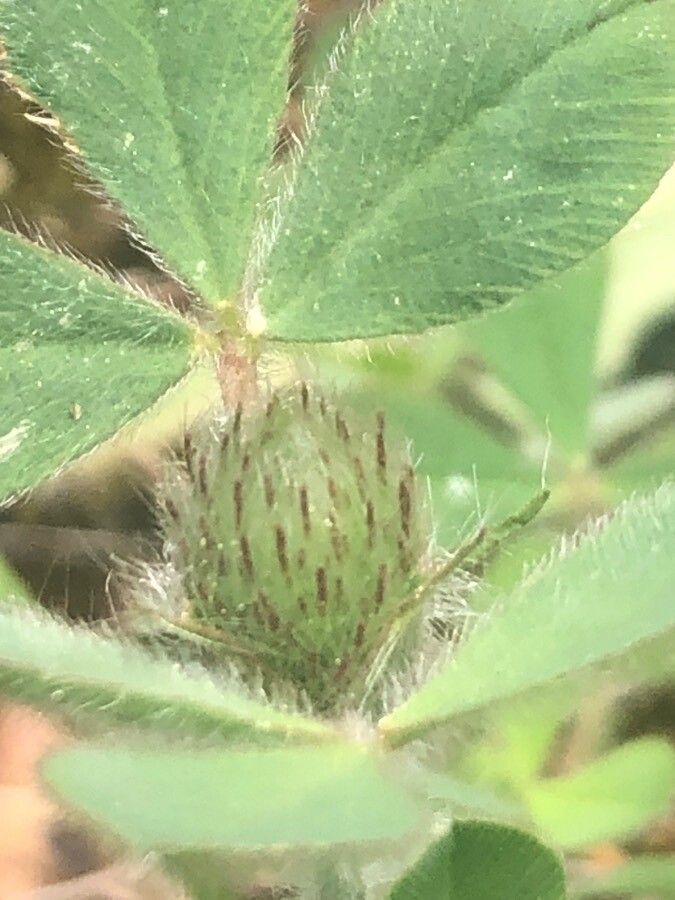
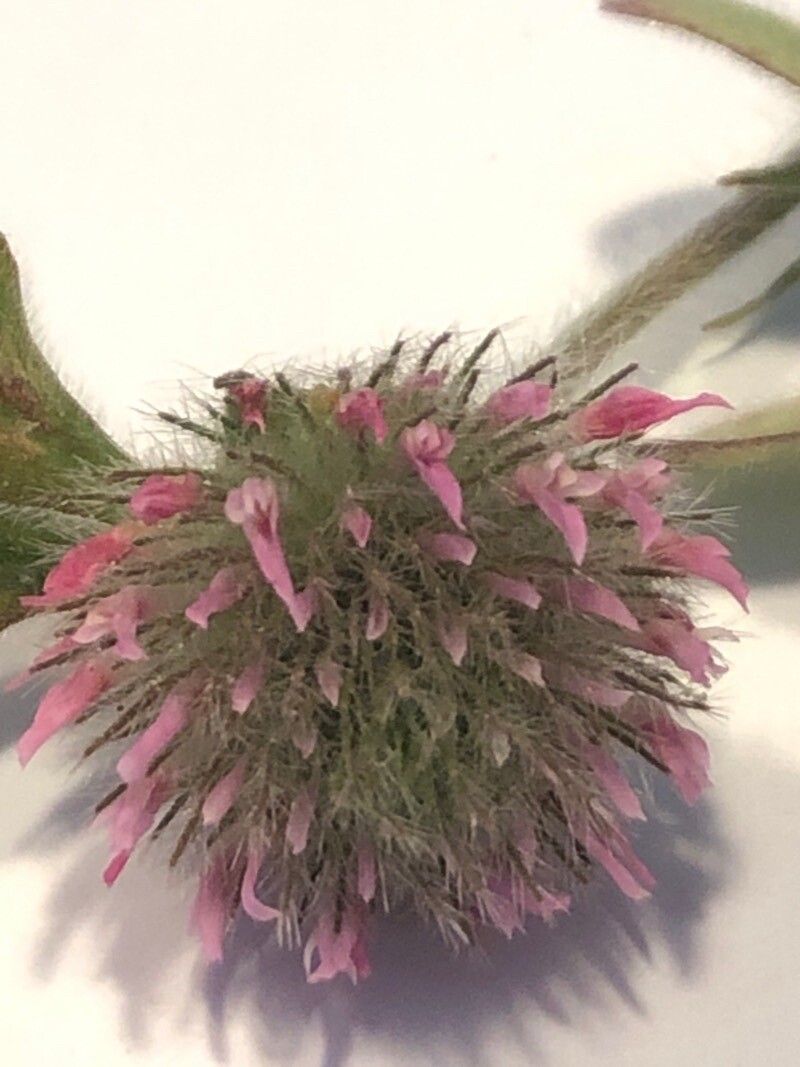
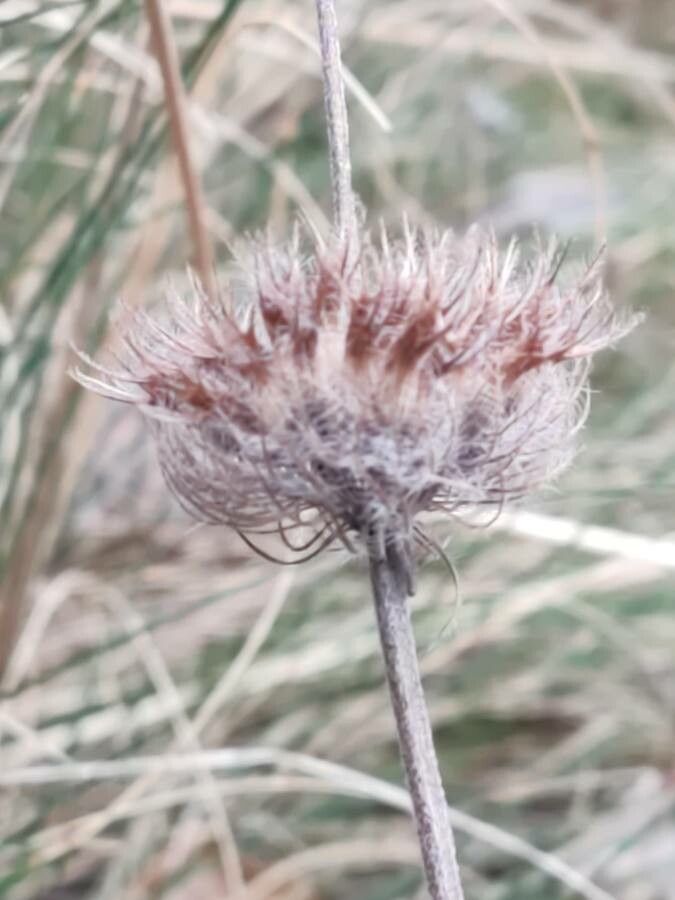
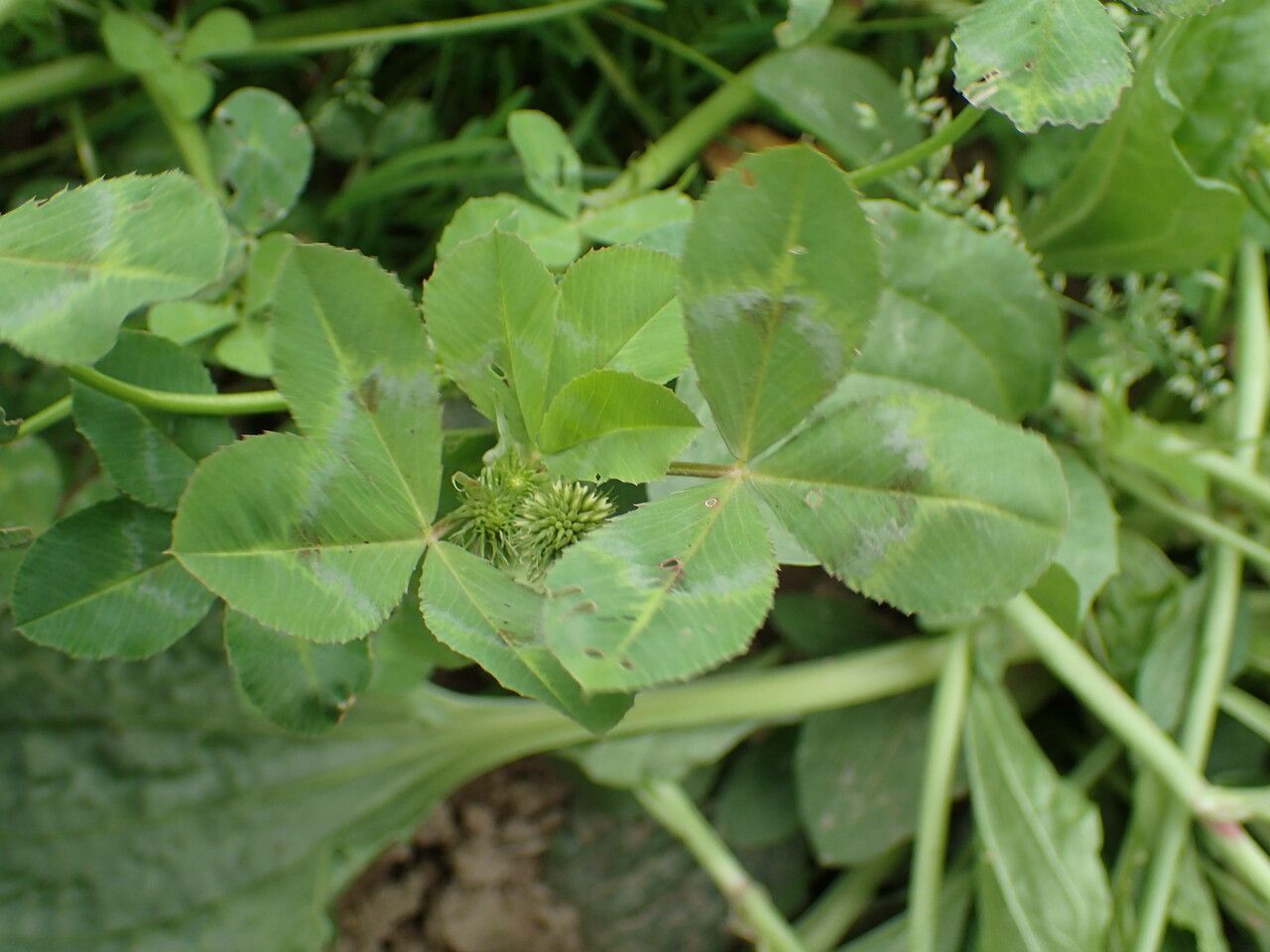
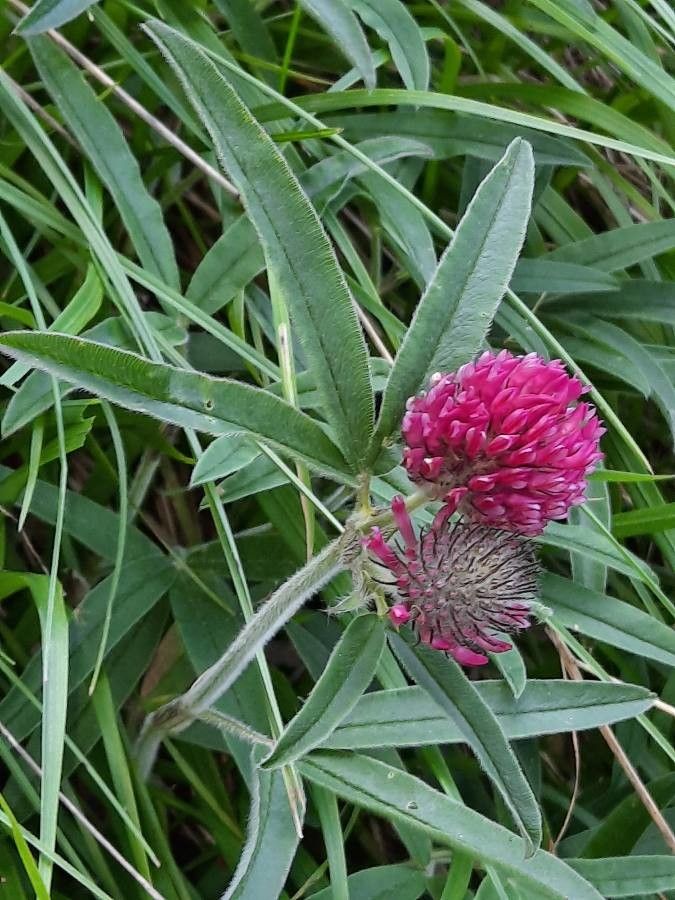
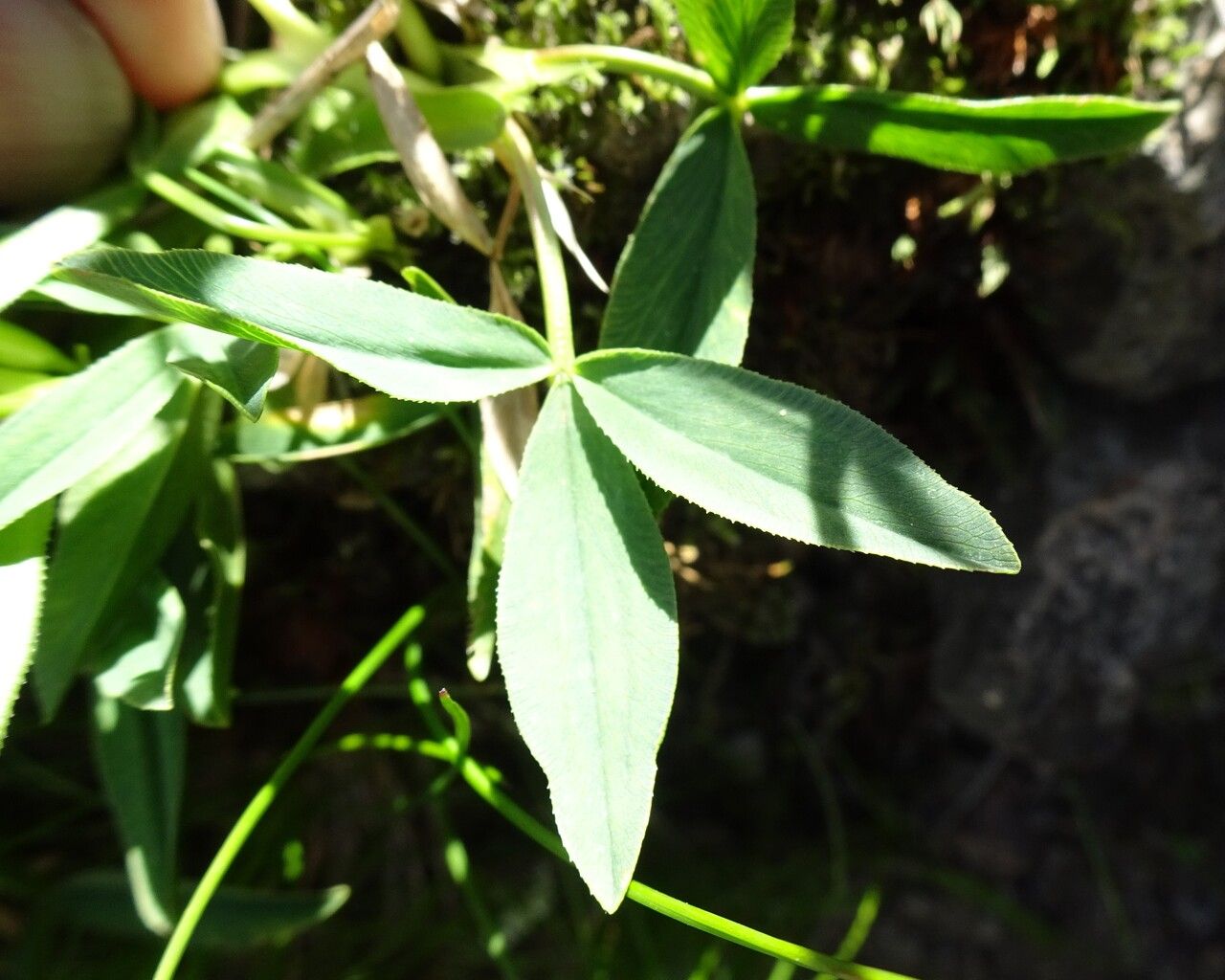
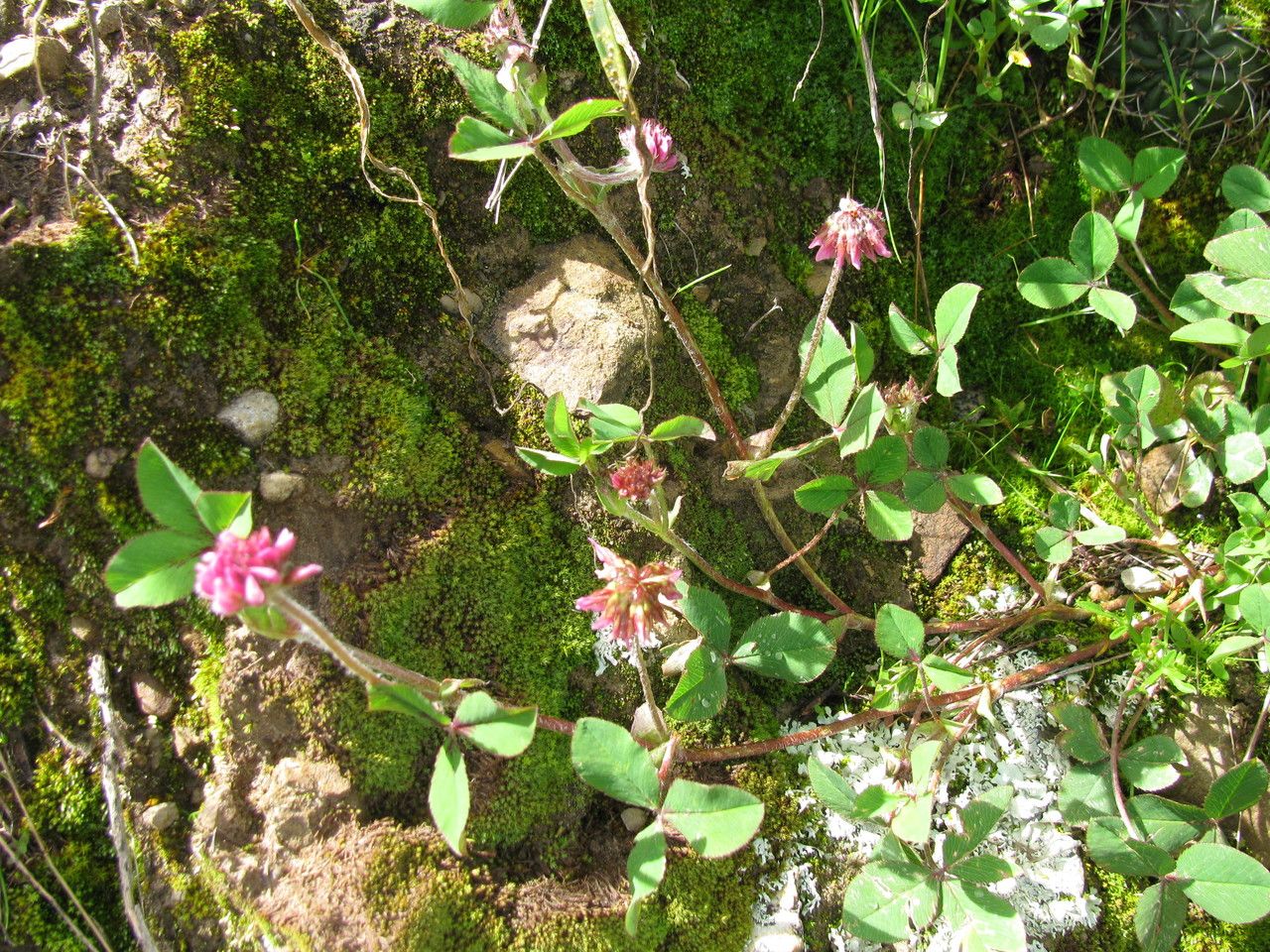
Trifolium hirtum, commonly known as hairy clover or rough clover, is a species of flowering plant in the pea family, Fabaceae. Native to Europe and western Asia, it has been introduced to other regions worldwide as a forage crop. The plant typically grows up to 50 cm tall, featuring hairy stems and leaves. The leaves are trifoliate, with each leaflet being oval-shaped and having toothed edges. Its flowers, which bloom from May to September, are pink or purple and grow in dense clusters at the end of long stalks. Hairy clover is widely used as a forage crop for livestock due to its high protein content and palatability. Additionally, it possesses nitrogen-fixing properties, which can enhance soil fertility when used in crop rotations or intercropping systems. In traditional medicine, hairy clover has been employed for its diuretic properties and as a treatment for respiratory ailments such as coughs, bronchitis, asthma, and tuberculosis. Overall, Trifolium hirtum is a significant plant species that offers economic benefits as livestock feed and has medicinal properties utilized by humans throughout history.
Rose clover has strong disease resistance and is usually not prone to illnesses. However, it can be vulnerable to pests and diseases present in its environment. These problems are typically mild. As for care, this plant requires a moderate level of maintenance. It should be pruned regularly to keep a neat appearance and support healthy growth. Fertilizing can also assist in encouraging flowering. Rose clover is suitable for anyone with outdoor space, like a garden or patio, and does not need extensive care experience. It may demand more attention when grown indoors.
How to keep Trifolium Hirtum.
Light
Rose clover thrives in abundant sunlight and can tolerate lower-light conditions. Its native habitat is suited to ample light, which fosters optimal growth. Too much shade can suppress growth, and too much exposure can create stressful conditions, though the plant can adjust within its tolerance limits.
Water
Rose clover, native to the Mediterranean regions, flourishes in well-drained soil and has a moderate tolerance for drought. To keep it healthy and encourage vibrant blooms, it is best to water it deeply once a week. Ideal for xeriscaping, rose clover benefits from natural rainfall, though it can also endure brief periods of drought.
Temperature
Rose clover originates from areas with temperate climates and prefers temperatures between 68 and 95 °F (20 to 35 °C). Seasonal care involves monitoring local temperatures and making any necessary adjustments to maintain optimal warmth.
Fertilizer
When most of the Rose clover blooms have fully opened, resume fertilizing. During the period of peak flowering, apply fertilizer every three to four weeks as weather allows. Once the Rose clover begins producing fewer new blooms, stop fertilizing; there is no need to feed the plant when it can no longer produce more flowers.
Pruning
Rose clover is a resilient legume known for its hairy leaves and pink flowers. It benefits greatly from pruning done between early and late spring. The main strategies for pruning include removing any dead growth and thinning the plant to improve air circulation. This encourages healthier growth, abundant flowering, and helps prevent diseases. For the best results, prune after the last frost.
Botanical profile.
- Plant Type
- Herb
- Life Cycle
- Annual
- Genus
- Trifolium
- Family
- Fabaceae
- Hardiness Zone
- 8
- Mature Height
- 15 cm
- Mature Spread
- 46 cm
- Leaf Color
- Green, Light Green
- Leaf Type
- Deciduous
- Flower Color
- Pink
- Flower Size
- 1.52 cm
- Bloom Time
- Mid spring, Late spring, Early summer
- Planting Time
- Spring, Summer
- Harvest Time
- Summer
- Native Area
- Turkey, Montenegro, Morocco, Russia, Iraq, Portugal, France, Bulgaria, Cyprus, Armenia, Greece, Lebanon, Serbia, Syria, Italy, Spain, Iran, Albania, Azerbaijan, Algeria
Other names.
Reader questions.
How should I water my Rose clover?
There are several ways to water Rose clover, including using a garden hose, watering can, or any other common watering tool. Fortunately, Rose clover is not too particular about the type of water it receives, whether it's rainwater, tap water, or filtered water. However, it is advised to avoid watering this plant from overhead as it can harm the leaves and flowers and potentially lead to diseases. Instead, a drip irrigation system is often the best method for watering Rose clover as it provides even and direct watering to the soil. For container-grown Rose clover, you can use a cup, watering can, or tap to water the soil directly.
What are the sun requirements for Rose Clover?
Rose Clover thrives best with more than 6 hours of sunlight, categorizing it as a full sun plant, but it can also tolerate partial sun conditions of about 3-6 hours of sunlight. It's crucial to observe the movement of sunlight through your garden to find the ideal spots that offer a harmonious balance of light and shade, ensuring the plants' well-being and optimal growth.
What is the native climate of Rose Clover?
Rose clover is natively suited for temperate climates, thriving best within a temperature range of 68 to 95°F (20 to 35°C). Its ability to endure cold weather is significant, making it unnecessary to take special frost protection measures in most winter conditions. However, to guard against extreme cold below -10°C, it's advisable to cover the plant with protective materials like soil or straw. Additionally, watering the plant abundantly before the first freeze in autumn helps keep the soil moist, which is crucial for its survival during the colder months.
What should I do if I give my Rose clover too much water or too little water?
To prevent underwatering Rose clover, simply water it more regularly when you notice it lacking moisture. Overwatering, however, can be a bigger problem. It can cause diseases that lead to the plant's decline and death. To avoid this, choose a sunny location with good drainage for the plant to grow. If you overwater Rose clover in a pot, consider changing to a new pot with proper drainage. Make sure to use loose soil and a well-draining pot when repotting.
What are the essentials for growing Rose Clover?
Rose Clover needs ample sunlight to flourish, as its native habitat is accustomed to abundant light which supports its optimal development. While it can adjust to varying light conditions, too much shade can hinder its growth, and excessive sunlight might stress the plant. However, it's noteworthy that Rose Clover has a remarkable ability to adapt within its tolerance levels to varying light exposures.
How does low temperature affect Rose Clover, and what are the solutions?
Rose clover is known for its cold tolerance, ideally thriving at temperatures above 20°C. In winter, ensuring the temperature stays above 0°C is crucial. If temperatures fall below -10°C, the plant may not show immediate damage during winter but could exhibit decreased sprouting or fail to sprout in spring. To mitigate these effects, any parts that have not sprouted by spring should be removed to promote healthy growth.
How often do I need to water my Rose clover?
Rose clover should be watered regularly throughout the growing season. In the spring, water it once a week. As the season gets warmer, you may need to water it two to three times a week, but be careful not to exceed this amount as it can harm the plant. Regardless of how often you water, make sure the soil remains moist but not too wet. When watering Rose clover in a pot, you'll need to increase the watering frequency as the soil in pots dries out faster. In most cases, water a potted Rose clover a few times per week, compared to just once a week for a plant in the ground.
How can artificial lighting benefit indoor plants like Rose Clover?
For optimal growth of indoor plants such as Rose Clover, especially when natural sunlight is scarce, artificial lighting serves as a crucial alternative. It's advisable to opt for LED lights, which can be tailored to provide the specific wavelengths needed by your plants. For full sun plants, 30-50W/sq ft of artificial light is recommended, 20-30W/sq ft for partial sun plants, and 10-20W/sq ft for full shade plants. Position the light source about 12-36 inches above the plant, ensuring it mimics natural daylight hours with 8-12 hours of light per day.
How does high temperature affect Rose Clover, and what should be done?
During the hotter months, keeping Rose clover's surrounding temperatures below 35°C is necessary to avoid heat stress. Temperatures exceeding 38°C can lead to the leaves becoming lighter, curling, and becoming susceptible to sunburn. In severe cases, the plant may wilt and dry out. To counteract these issues, trim away any sunburned or dried parts of the plant. It's also beneficial to relocate the plant to a shadier spot or utilize a shade cloth to protect it during peak sunlight hours. Ensuring the soil remains moist by watering in the morning and evening further helps in managing the plant's health under high temperature conditions.
How much water does my Rose clover require?
There are a few ways to determine how much water to give your Rose clover. Some gardeners feel the soil to check for moisture and water until the top six inches are moist. Alternatively, you can use a set measurement, like two gallons per week, depending on temperature and soil dryness. However, be cautious about overwatering if your plant needs less than two gallons. For container-grown Rose clover, water enough to moisten all the dry soil layers, which you can check by feeling with your finger or noticing excess water draining from the pot.
What are the signs of inadequate light exposure in Rose Clover?
When Rose Clover is cultivated indoors and receives insufficient light, several symptoms may manifest, including smaller new leaves, leggy or sparse growth, early leaf drop, stunted or halted growth, pale or irregularly colored new leaves, chlorosis, sunscald, leaf curling, wilting, and leaf scorching. These symptoms reflect the plant's struggle to adapt to low light conditions and should prompt a reassessment of its light exposure.
How can I know if I'm giving enough water to my Rose clover?
Avoiding overwatering your Rose clover can be challenging due to conflicting factors. On one hand, these plants have deep roots that need weekly moistening of the soil. However, Rose clover is highly prone to root rot and can develop browning due to excess watering. Underwatering is less likely to occur since these plants can withstand some time without supplemental watering. Yet, if you wait too long to water, the plant may wilt and exhibit dry leaves.