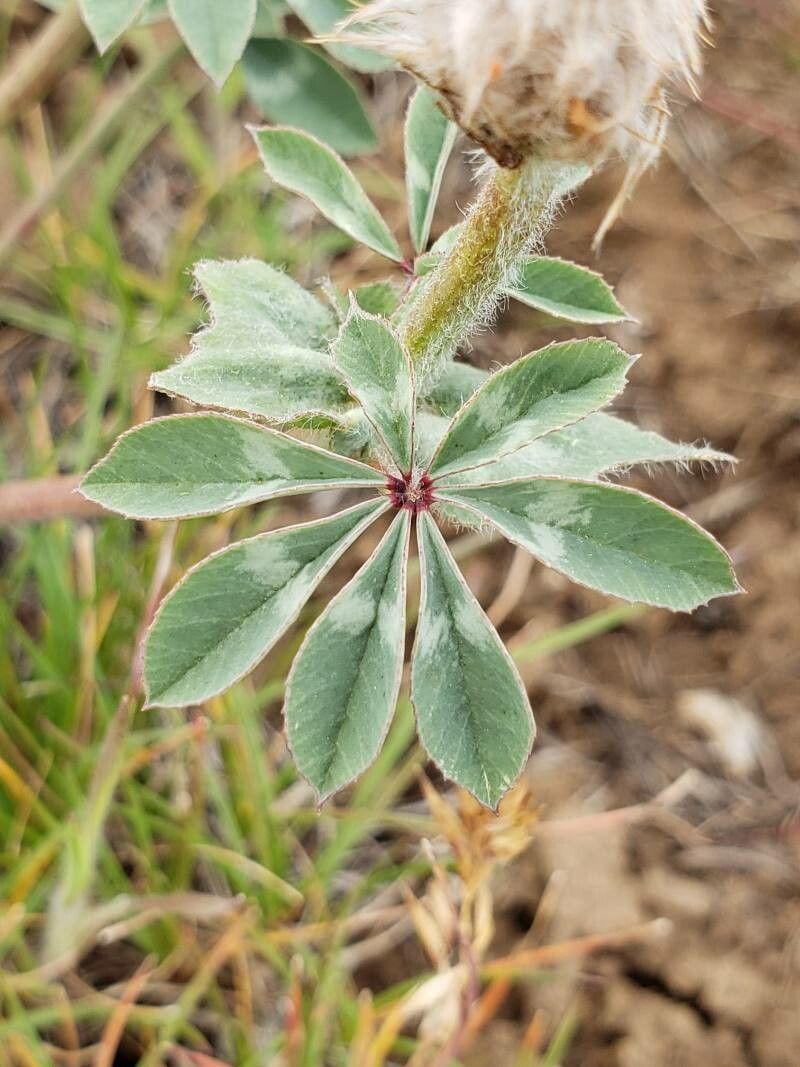
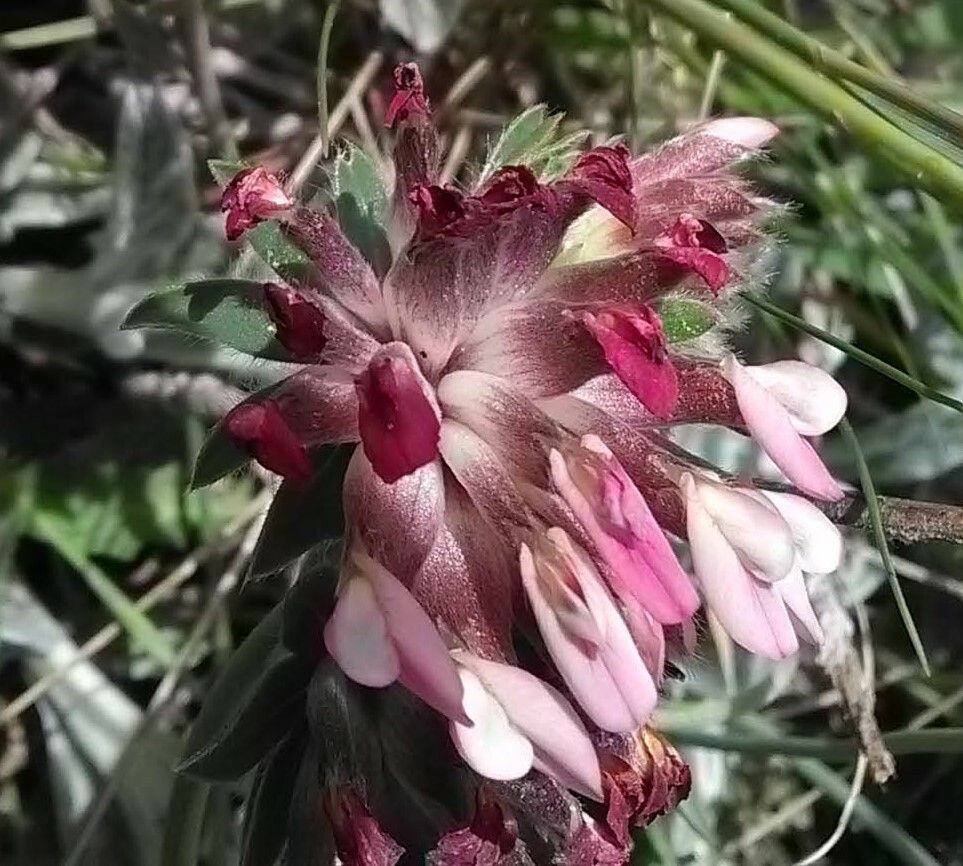
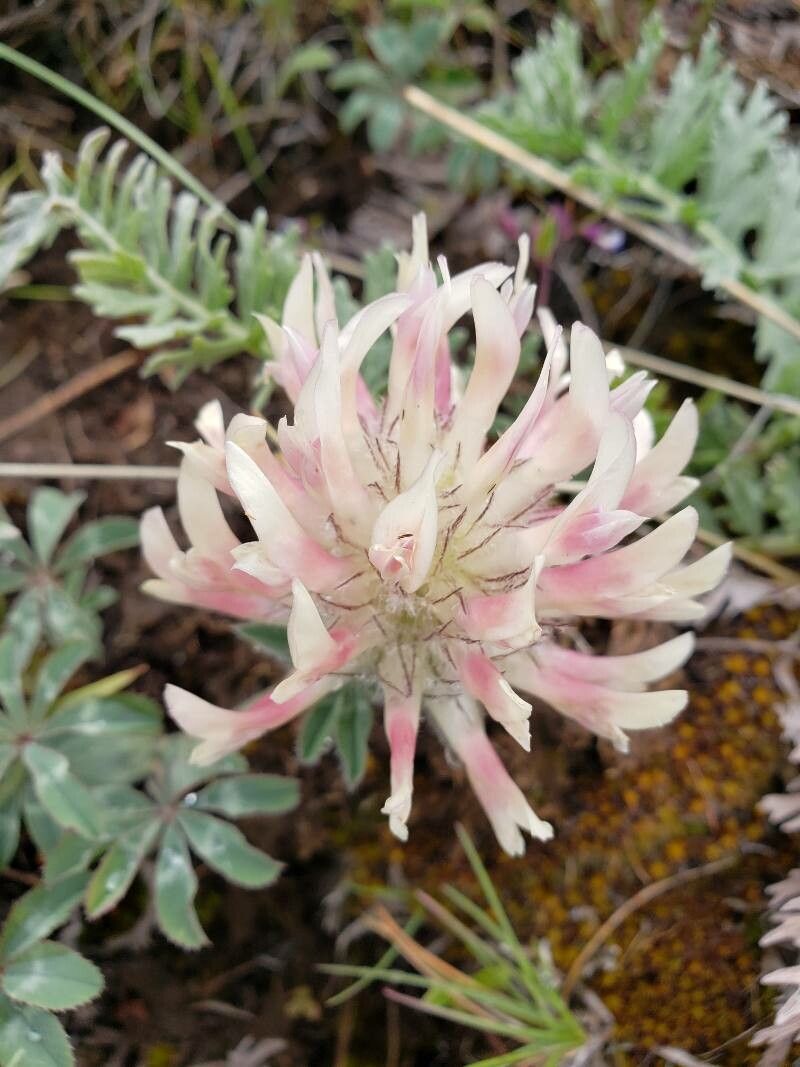
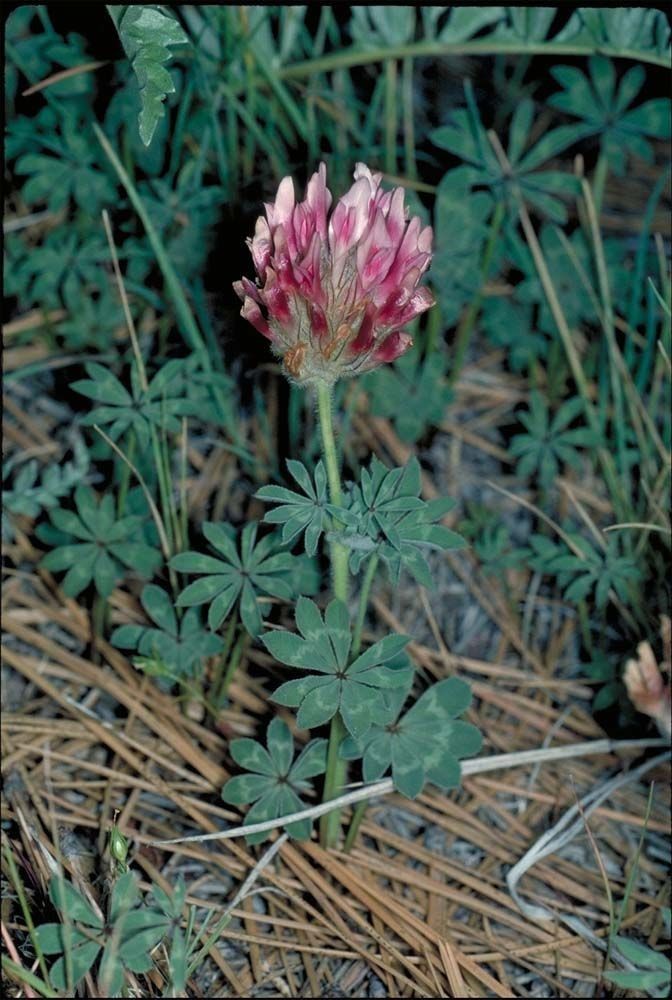
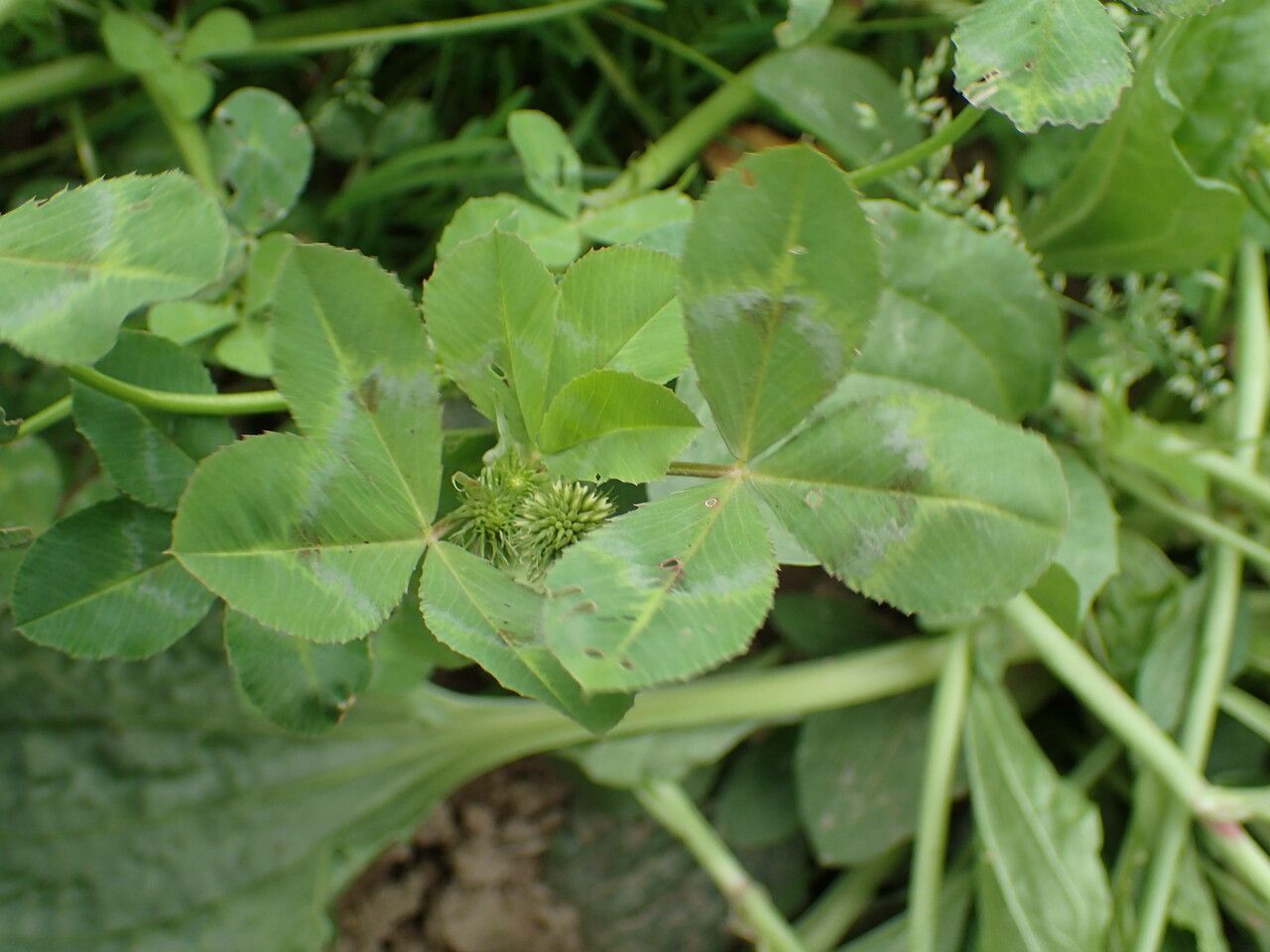
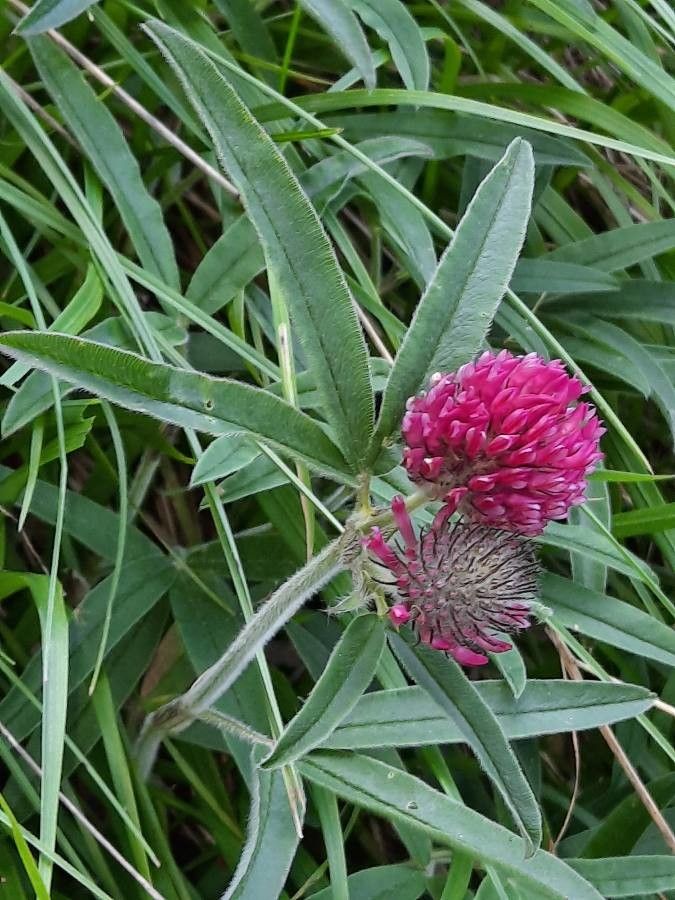
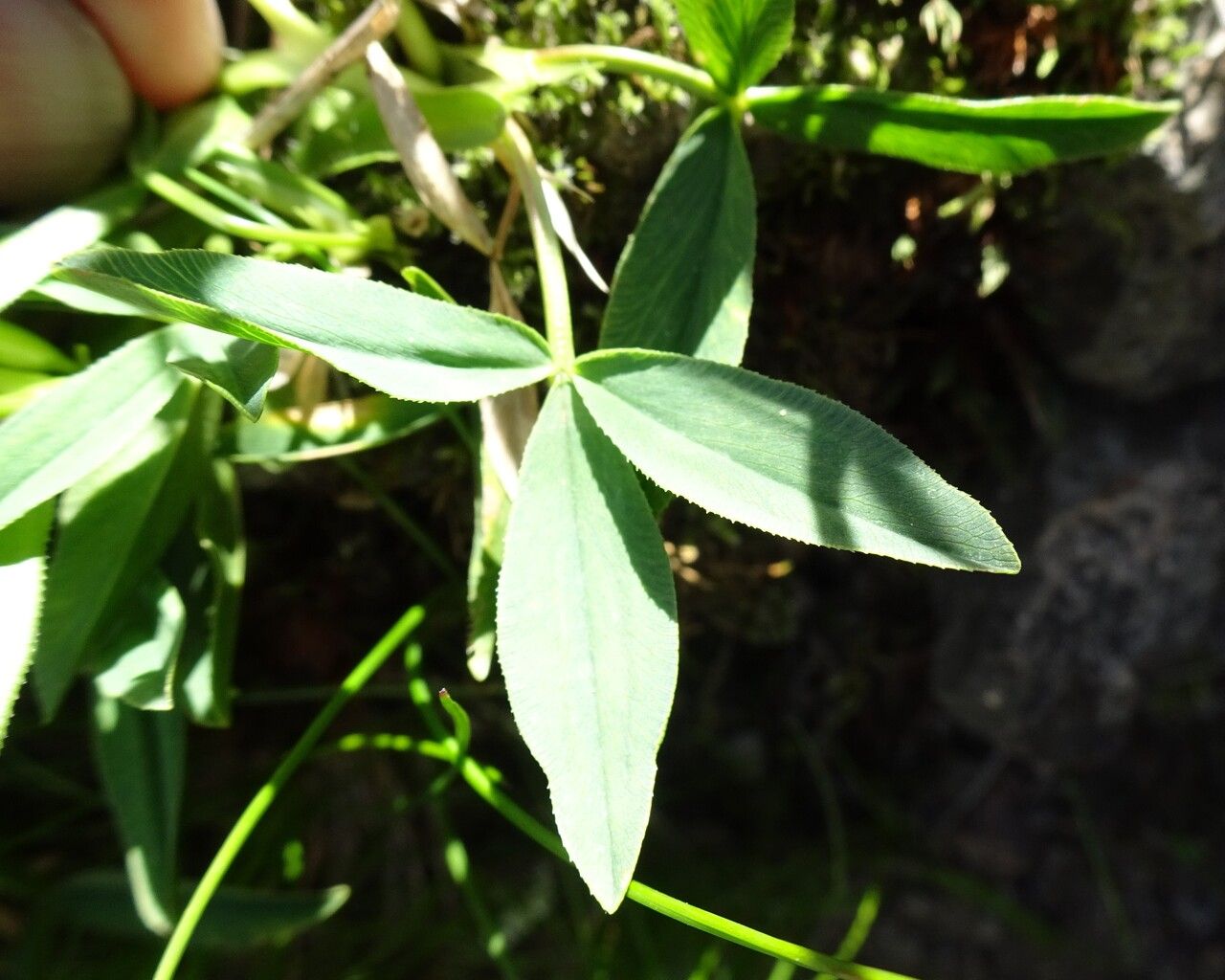
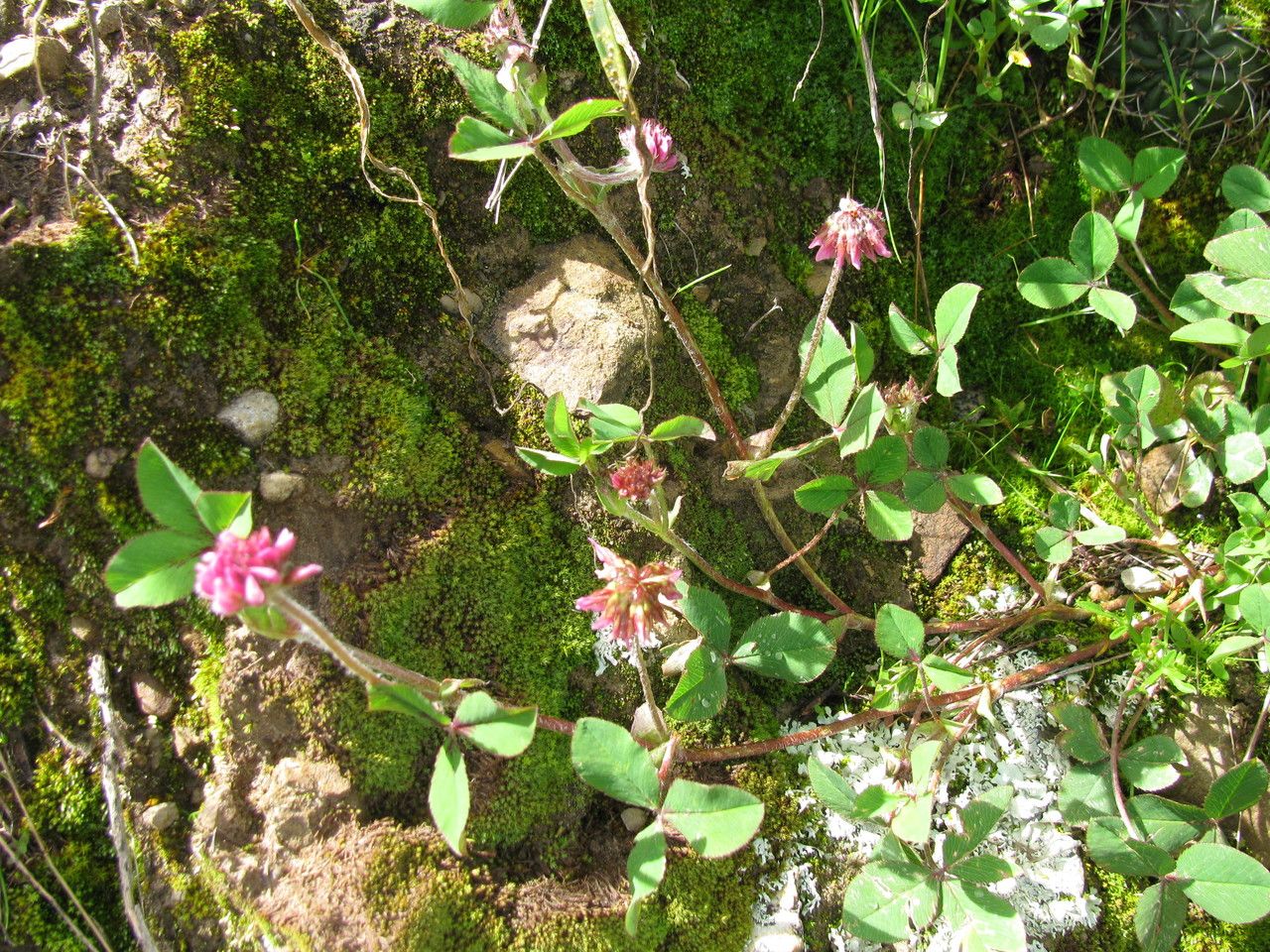
Trifolium macrocephalum is a species of clover known by the common name largehead clover.It is native to the Great Basin region of the western United States, from Washington to northern California, and Nevada to Idaho. It occurs in several types of habitat, including sagebrush scrub, juniper woodland, yellow pine forest, and mountain woodlands. It prefers thin-soiled, rocky areas.
Large-head clover is fairly disease-resistant and generally not prone to illness. Still, it can be affected by pests and diseases present in the surrounding area, although such infections are typically not severe. In terms of care, the plant requires moderate maintenance. It should be pruned regularly to maintain an attractive appearance and healthy growth. Fertilizing can also help encourage flowering. Large-head clover is well suited for anyone with outdoor space, such as a garden or patio, and does not demand much gardening experience. It may need more attention if grown indoors.
How to keep Trifolium Macrocephalum.
Fertilizer
Typically, a single fertilizer application in spring is enough for Large-head clover, though multiple feedings can boost growth. Apply fertilizer about every one to one and a half months. Fertilizing improves the leaves’ appearance and function, supporting even color and a healthy texture. It also promotes root development and nutrient uptake for the plant’s long-term health.
Pruning
Large-head clover is known for its large blooms and should be pruned from early to late spring. To promote better air circulation and growth, remove any dead or diseased stems. Light shaping can further enhance growth. Be sure to use clean, sharp tools to minimize damage, which will encourage a vigorous flowering season and improve the plant's overall health.
Botanical profile.
Other names.
Reader questions.
What are the sunlight requirements for Large-head clover (Trifolium macrocephalum)?
Large-head clover (Trifolium macrocephalum) has specific sunlight requirements to thrive. For those plants that need full sun, they should be placed in locations where they receive above 6 hours of sunlight daily. On the other hand, those that require partial sun should be in spots getting about 3-6 hours of sunlight. It's important to observe how sunlight moves through your garden throughout the day. This will help you select locations that offer an ideal mix of light and shade, ensuring your Large-head clover, along with other plants, remains healthy and happy.