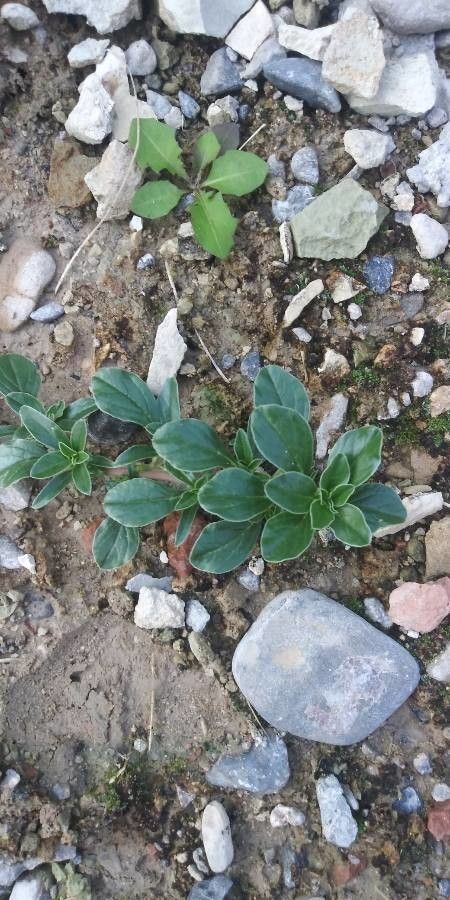
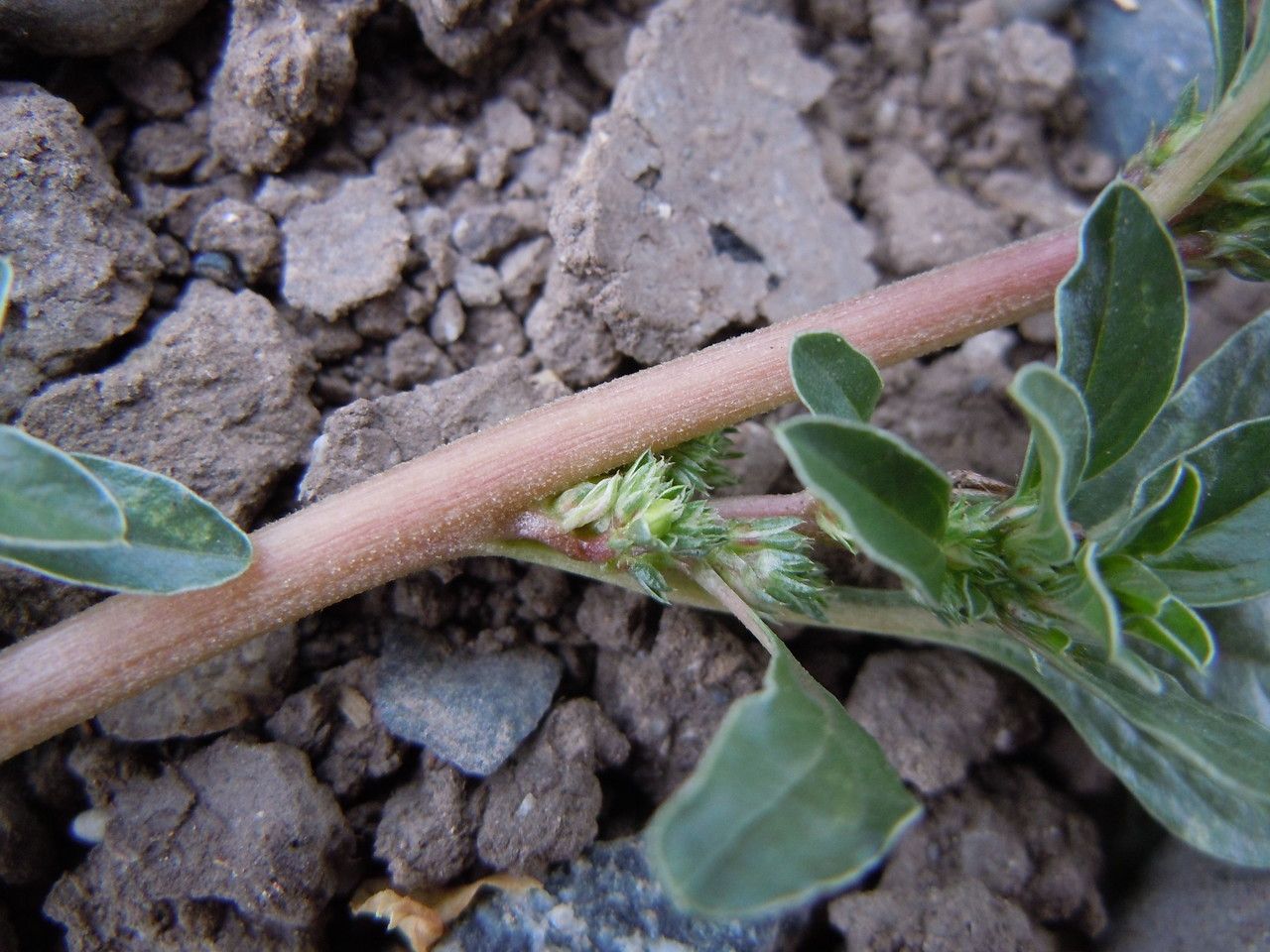
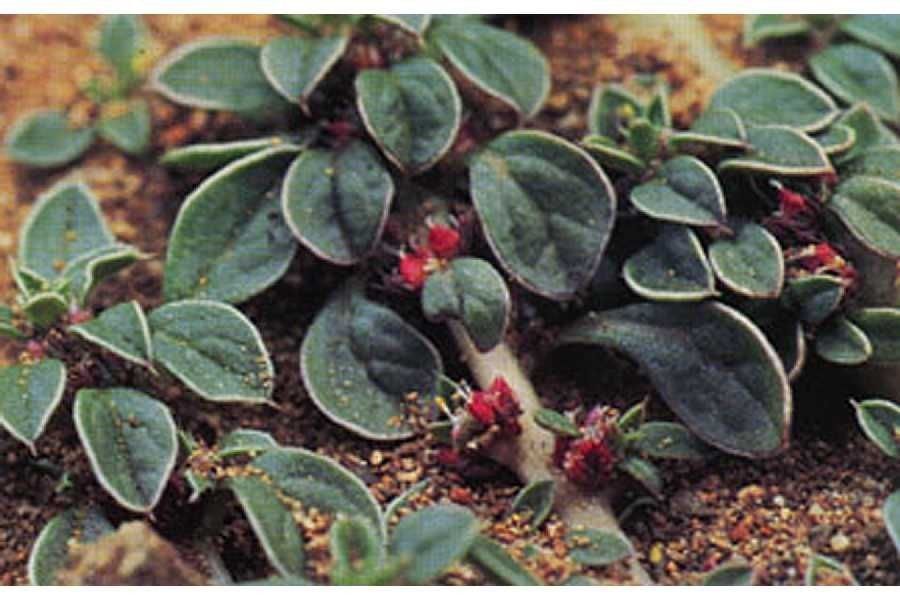
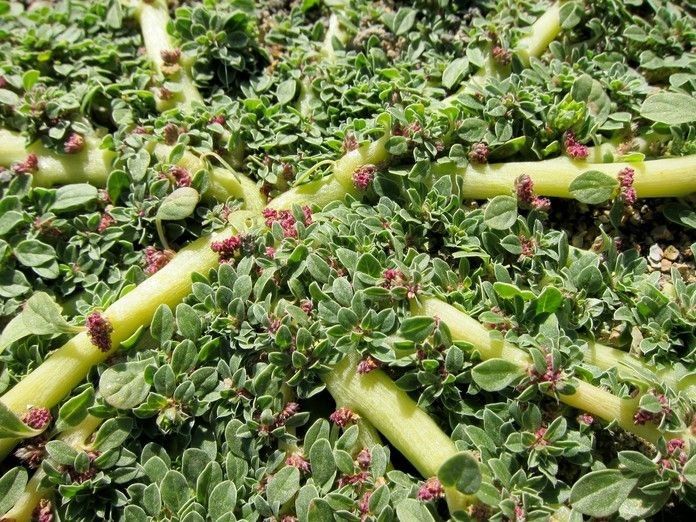
Amaranthus californicus, commonly known as California amaranth, is a species of annual herbaceous plant in the Amaranthaceae family. Native to California, it thrives in diverse habitats, including grasslands, chaparral, and coastal sage scrub.
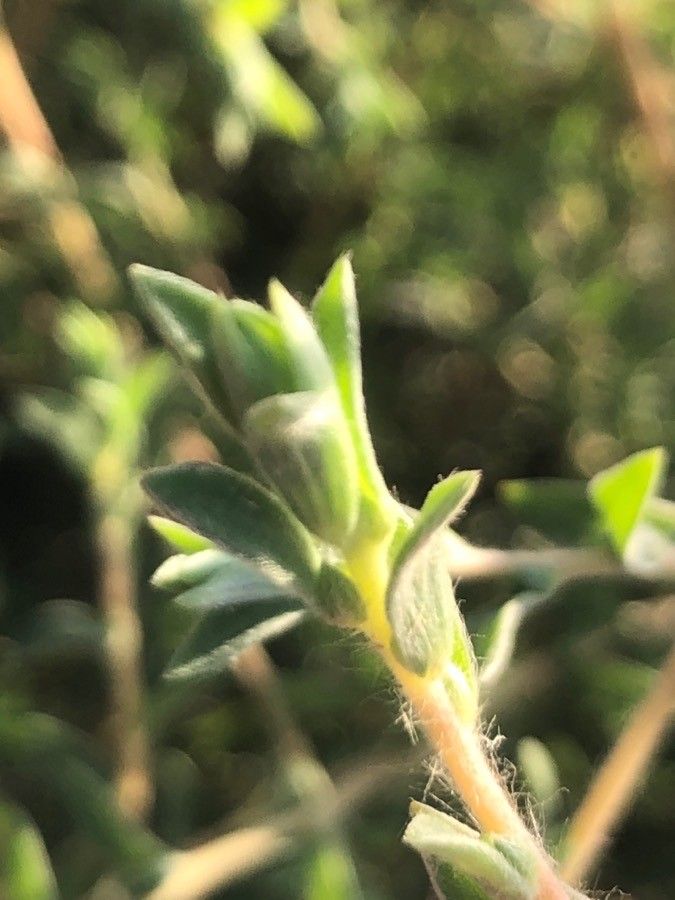
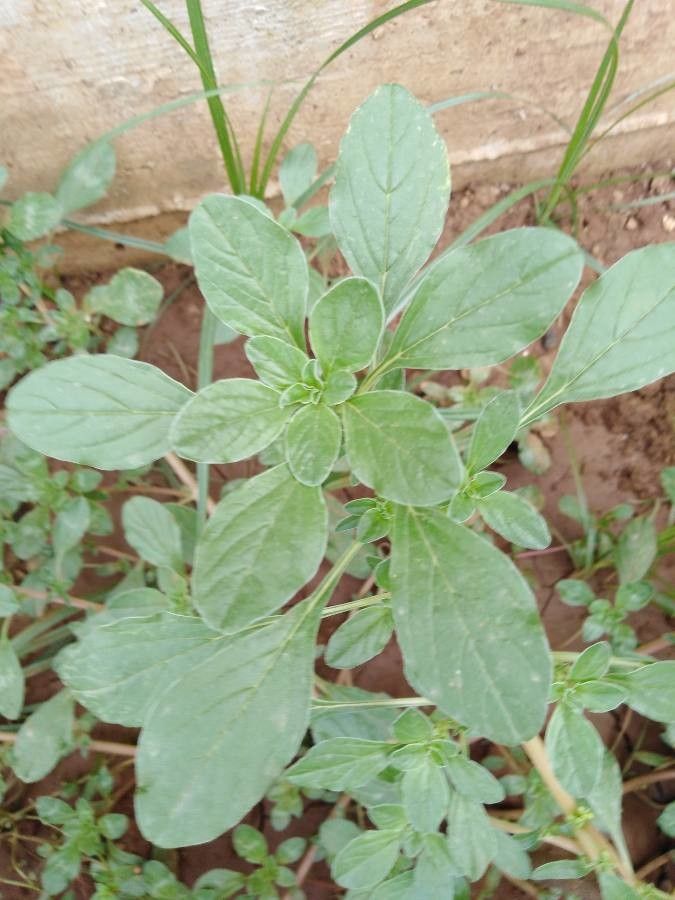
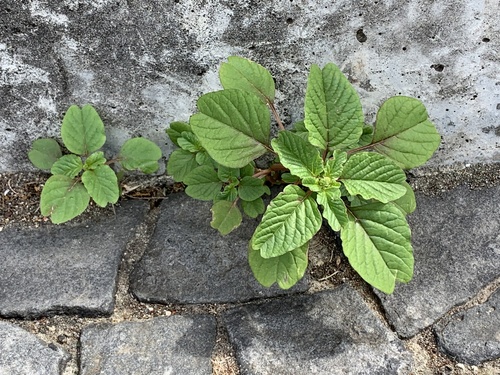
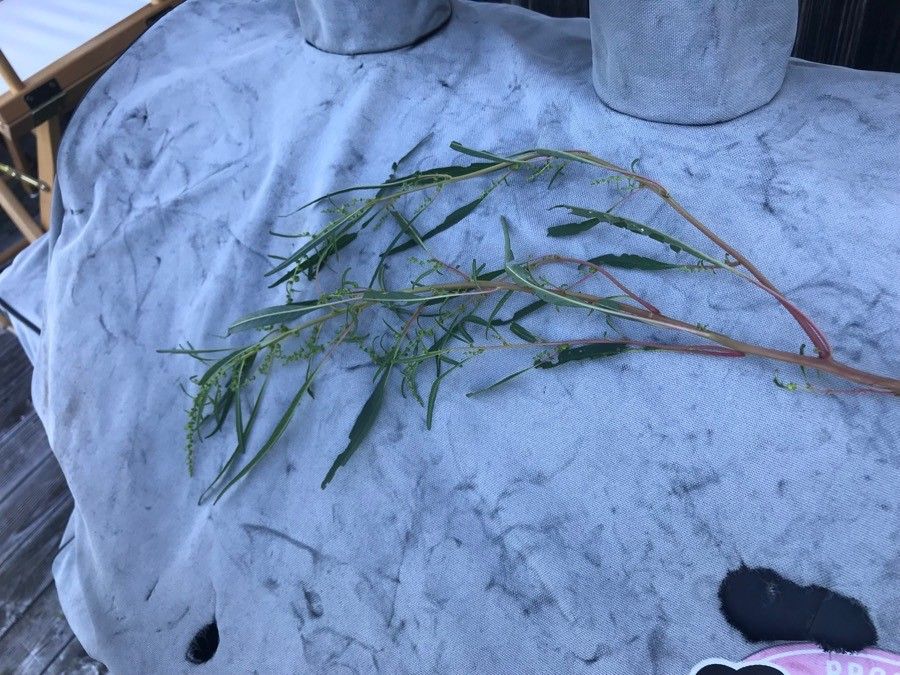
This plant can reach a height of 1 to 2 meters and features a branching stem with green or reddish-brown leaves. The lance-shaped leaves have pointed tips and a smooth texture. Although the flowers of Amaranthus californicus are small and inconspicuous, they form dense clusters at the top of the stem.
Native Americans historically utilized the seeds of this plant for their high protein content and some parts of the plant for medicinal purposes, such as treating diarrhea.
Amaranthus californicus plays a significant ecological role in its native habitat, serving as a food source for various animals, including birds and insects. However, it can become an invasive species outside its natural range, where it competes with native plants for resources.
In summary, Amaranthus californicus is an interesting annual herb with ecological significance and cultural importance within its natural range. Nonetheless, it poses potential threats outside its natural habitat if not managed properly.
Botanical profile.
- Genus
- Amaranthus
- Family
- Amaranthaceae
Other names.