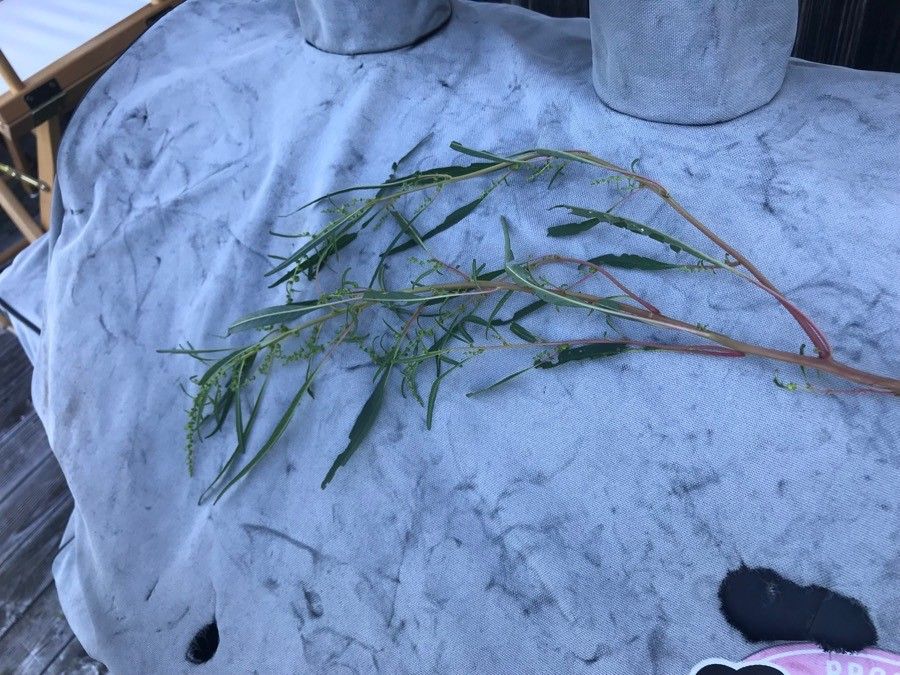
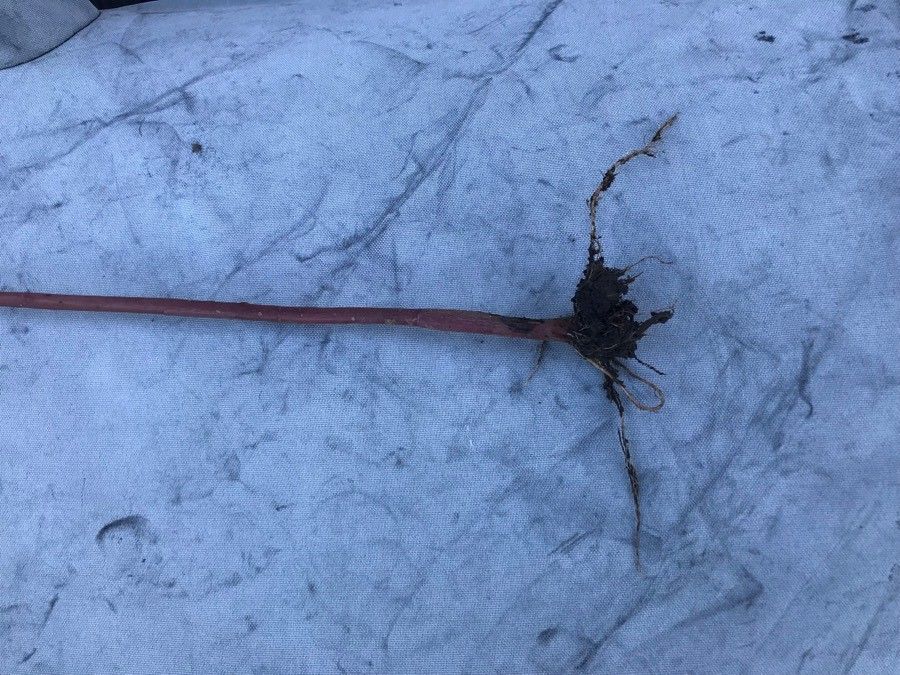
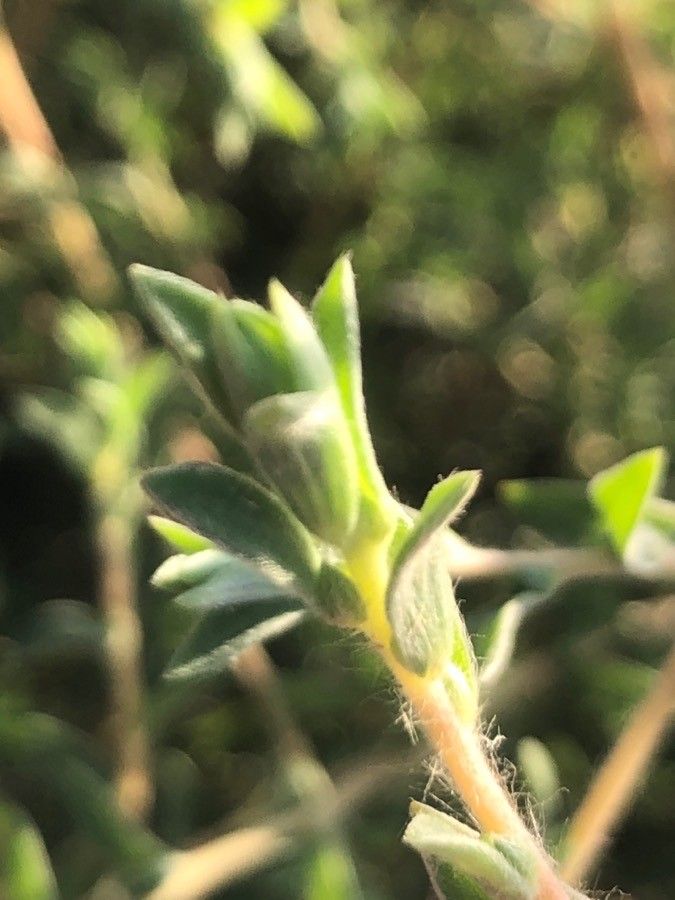
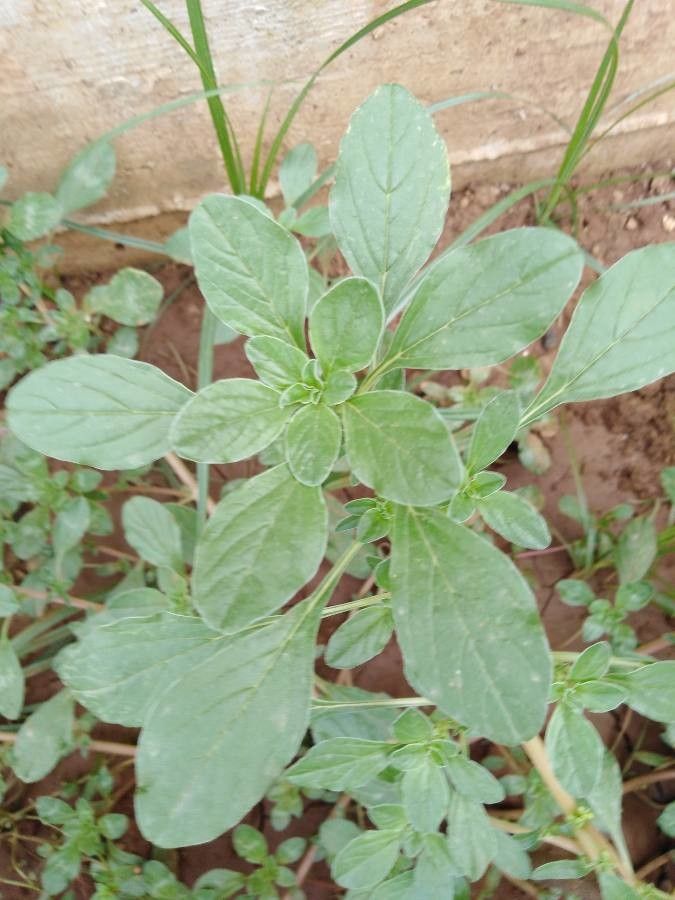
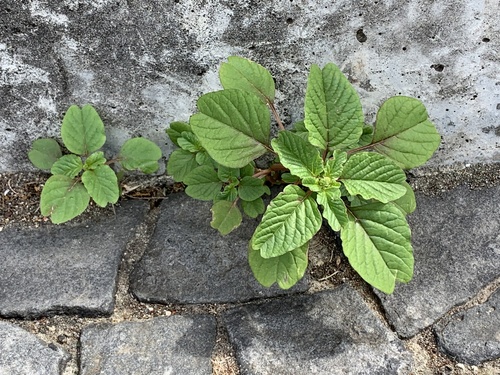
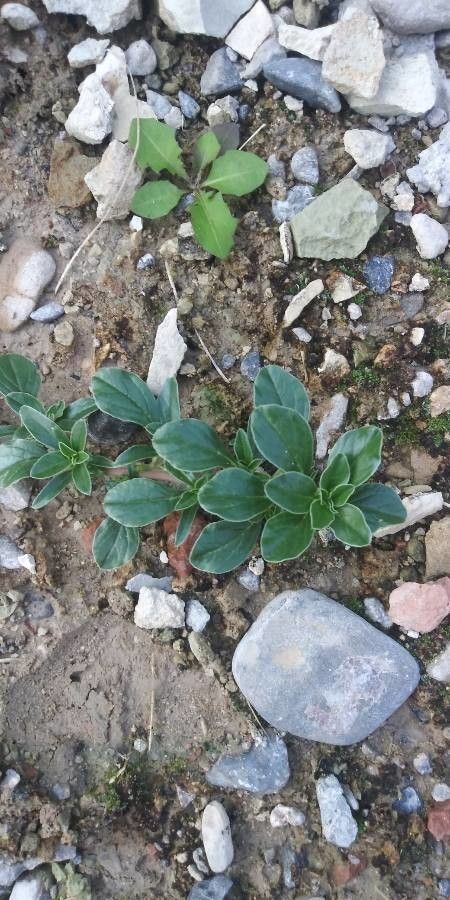
Amaranthus cannabinus is a plant species also known as salt marsh water hemp or salt marsh pigweed. It is a herbaceous perennial found in most of the eastern United States. It grows from 1 to 3 m in height. It is often mistaken for Amaranthus australis.
Tidalmarsh amaranth has strong disease resistance and is generally not prone to illnesses. Still, it can be vulnerable to pests and diseases present in its environment. Such infections are typically mild. Regarding care, this plant needs moderate maintenance. It should be pruned regularly to preserve its appearance and healthy growth. Applying fertilizer can also encourage flowering. Tidalmarsh amaranth is suitable for anyone with outdoor space, like a garden or patio, and does not demand extensive care experience. It may require more attention when grown indoors.
How to keep Amaranthus Cannabinus.
Light
Tidalmarsh amaranth is a sun-loving, perennial herbaceous plant that comes from open habitats and often thrives in meadows and grasslands. It prefers full sun but can also tolerate partial sun.
Water
Tidalmarsh amaranth flourishes in consistently moist environments, making wetlands its preferred habitat. Although it can tolerate moderate drought, weekly watering is ideal for maintaining its health. Providing abundant water during the growing season supports its vigorous growth and resilience.
Temperature
Tidalmarsh amaranth comes from tropical areas, where the climate is generally warm and humid. As a result, it is adapted to high temperatures and humidity. It dislikes abrupt temperature changes and prefers a stable thermal environment, so it is important to avoid temperature fluctuations indoors. It typically cannot tolerate cold conditions and requires warmer temperatures to grow. If the surrounding temperature falls too low, the plant may stop growing or even die.
Fertilizer
Tidalmarsh amaranth needs the most fertilizer during its active growing period, which is mainly in spring, summer, and early fall. Fertilization supplies essential nutrients that the soil may lack, supporting healthy root and stem growth and promoting the attractive foliage that is a key characteristic of this plant.
Botanical profile.
- Plant Type
- Herb
- Life Cycle
- Perennial
- Genus
- Amaranthus
- Family
- Amaranthaceae
- Hardiness Zone
- 3-10
- Leaf Type
- Semi-evergreen
- Flower Color
- Yellow, Green
- Native Area
- Georgia
Other names.