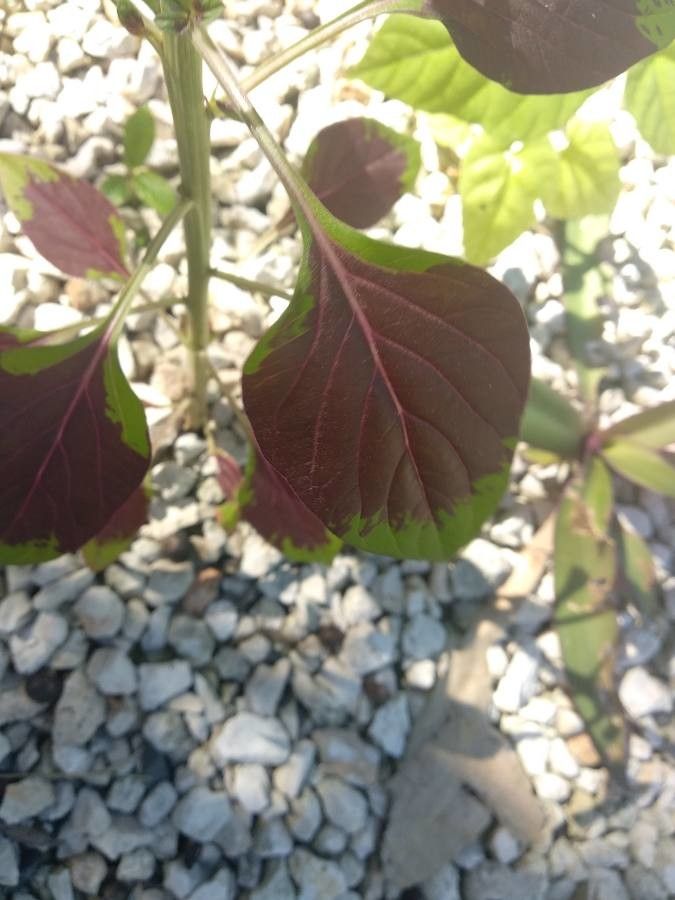
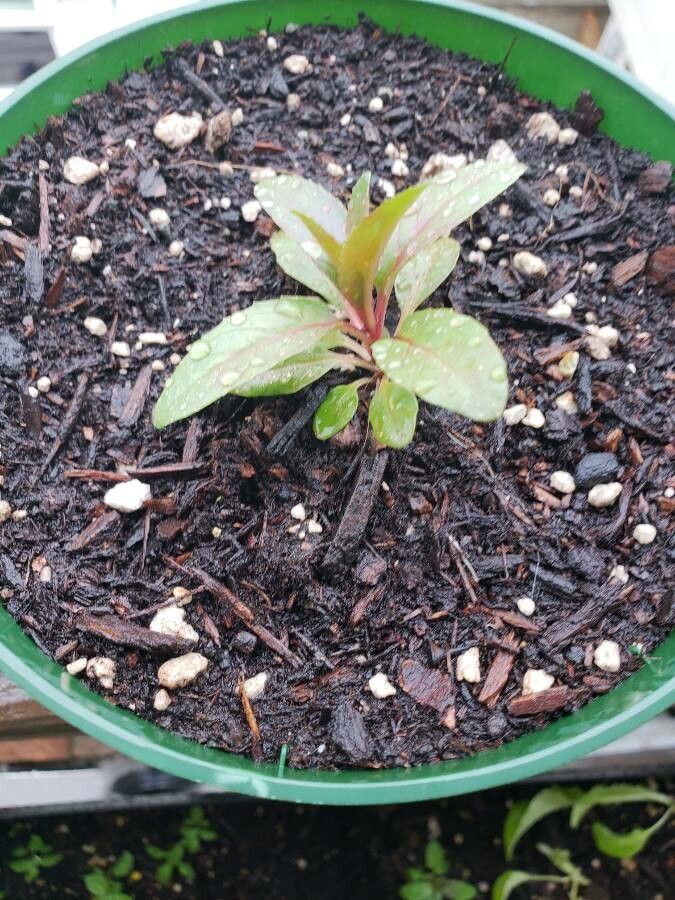
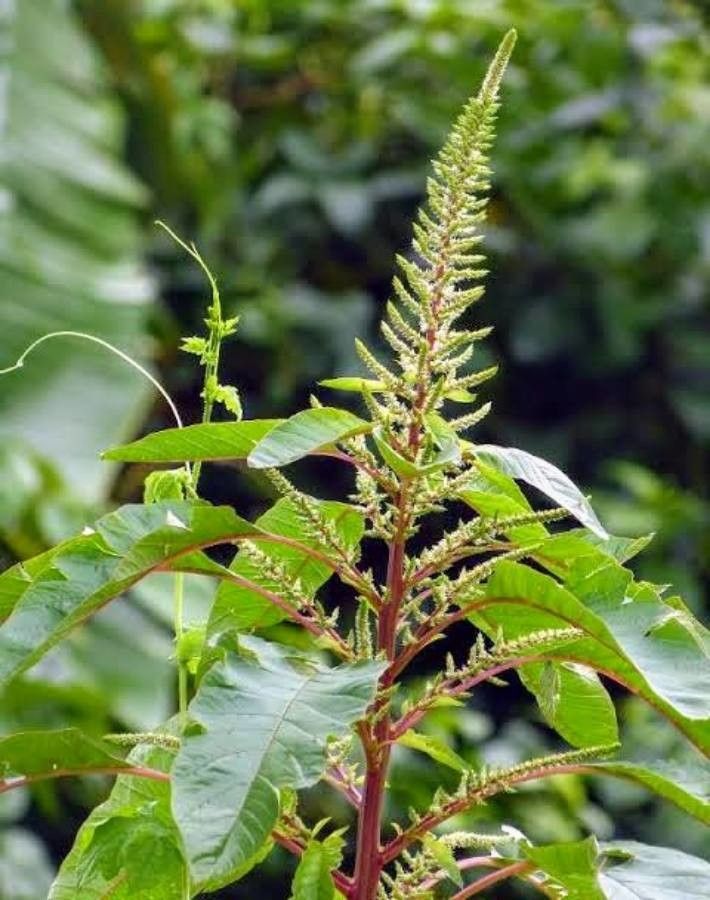
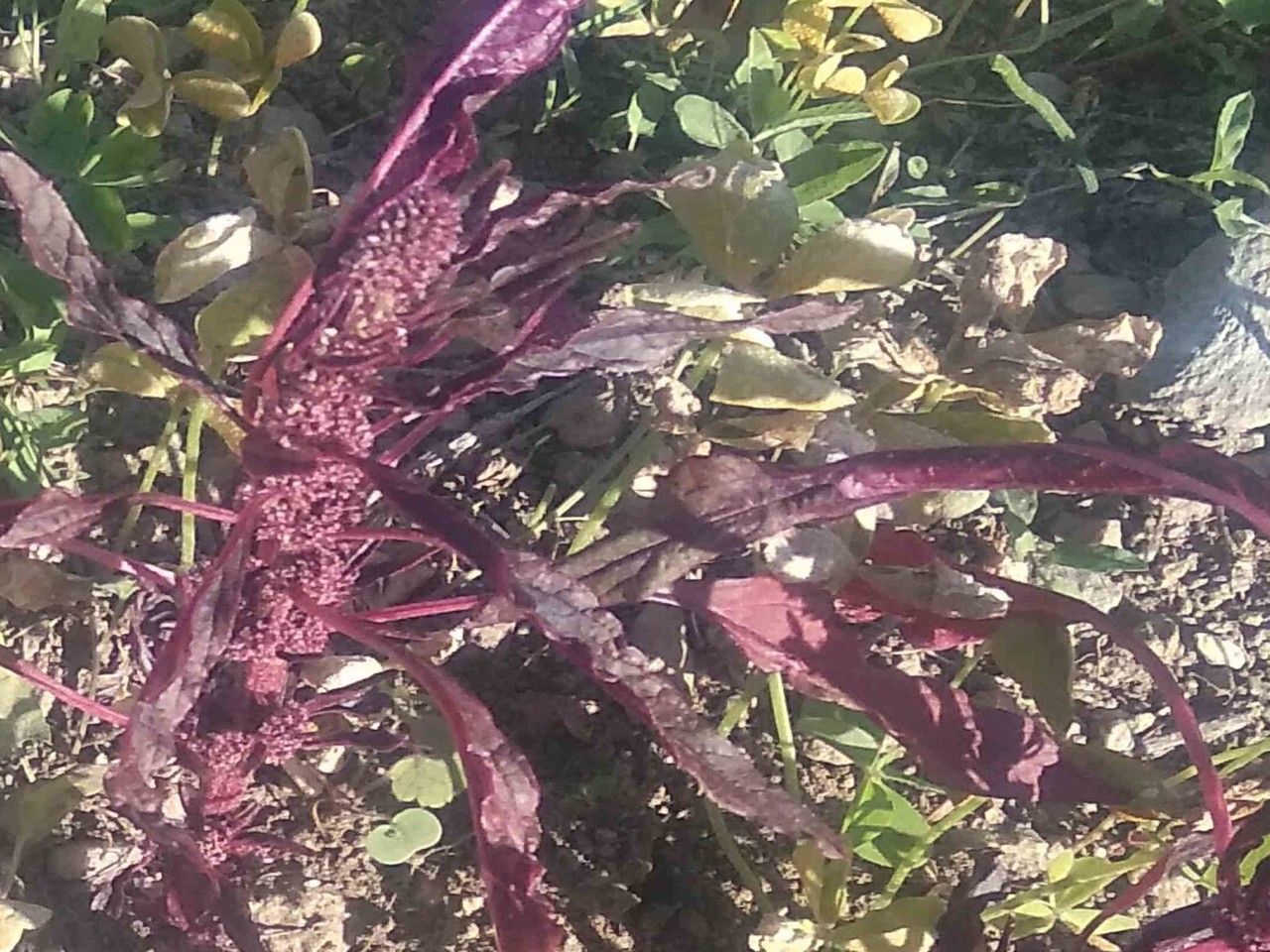
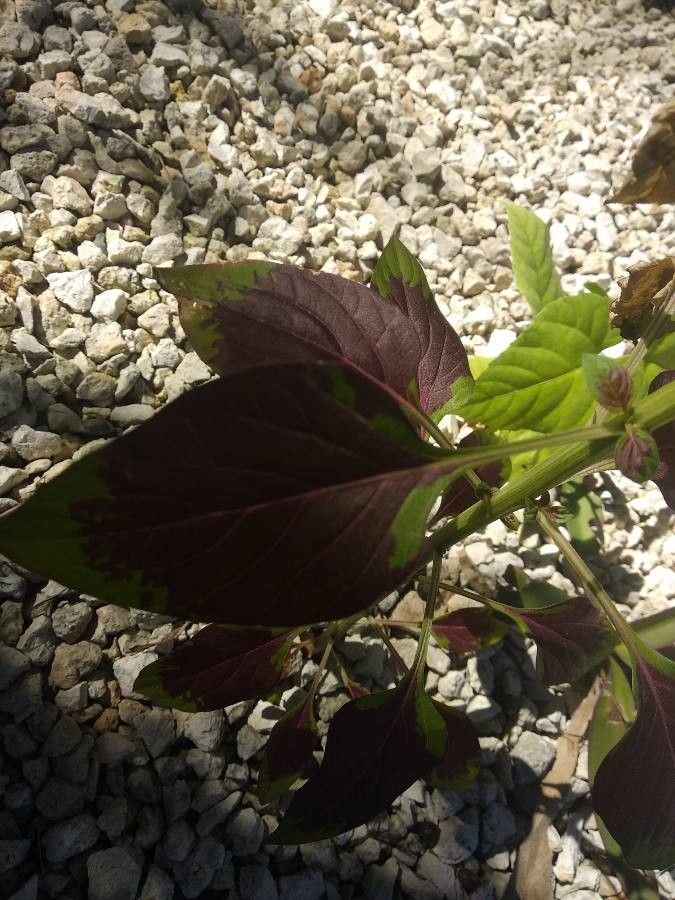
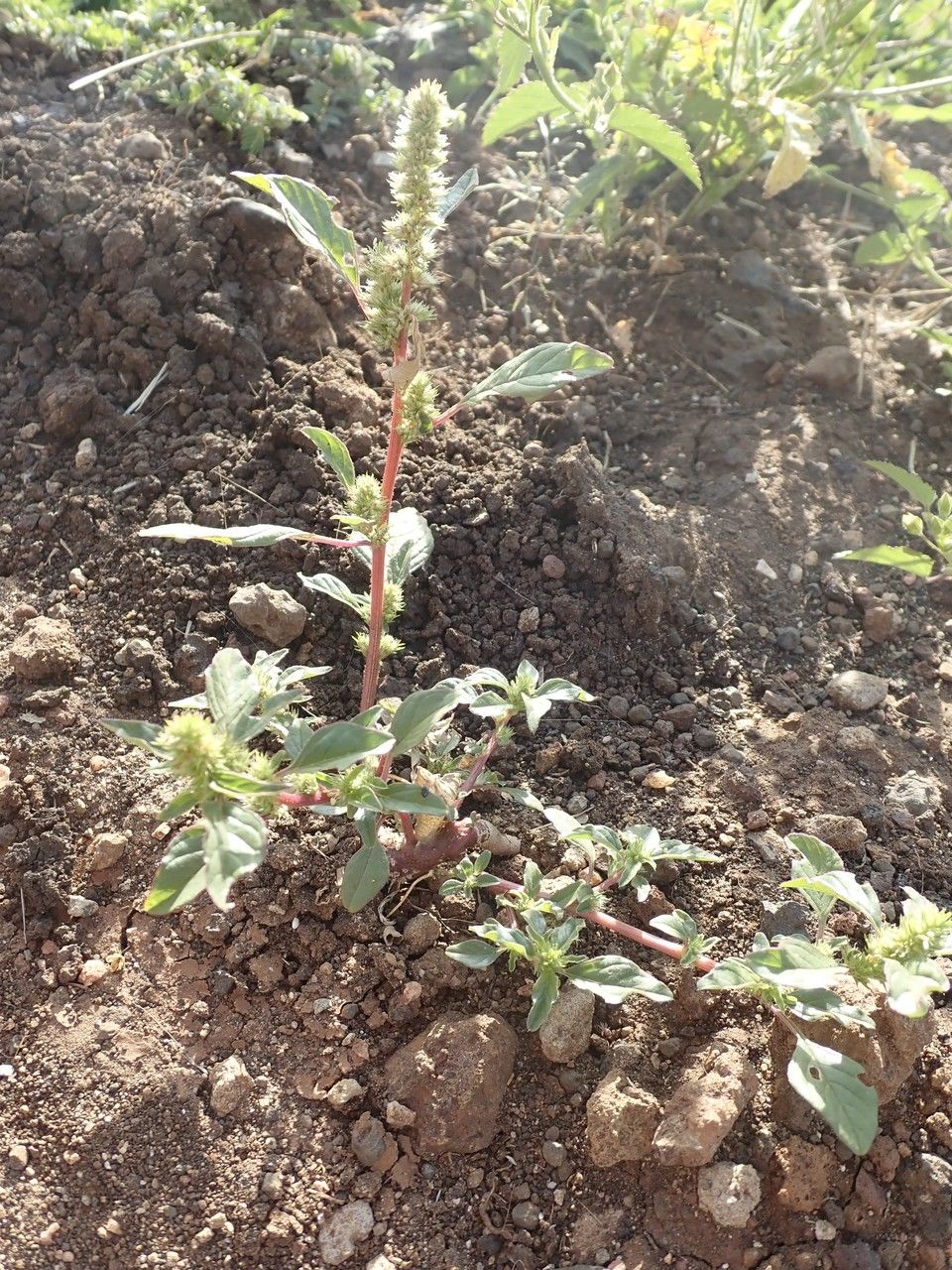
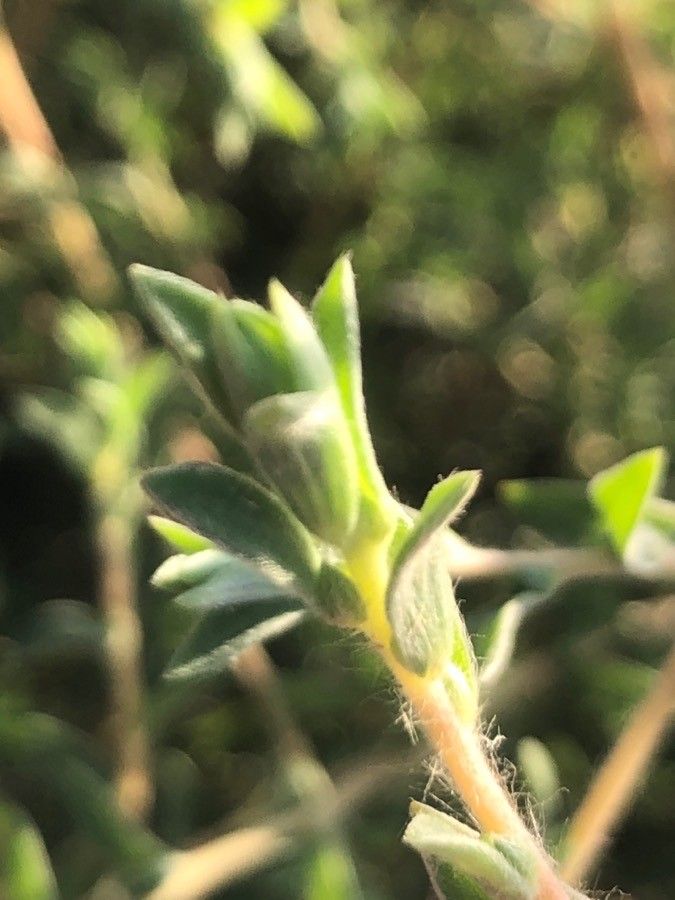
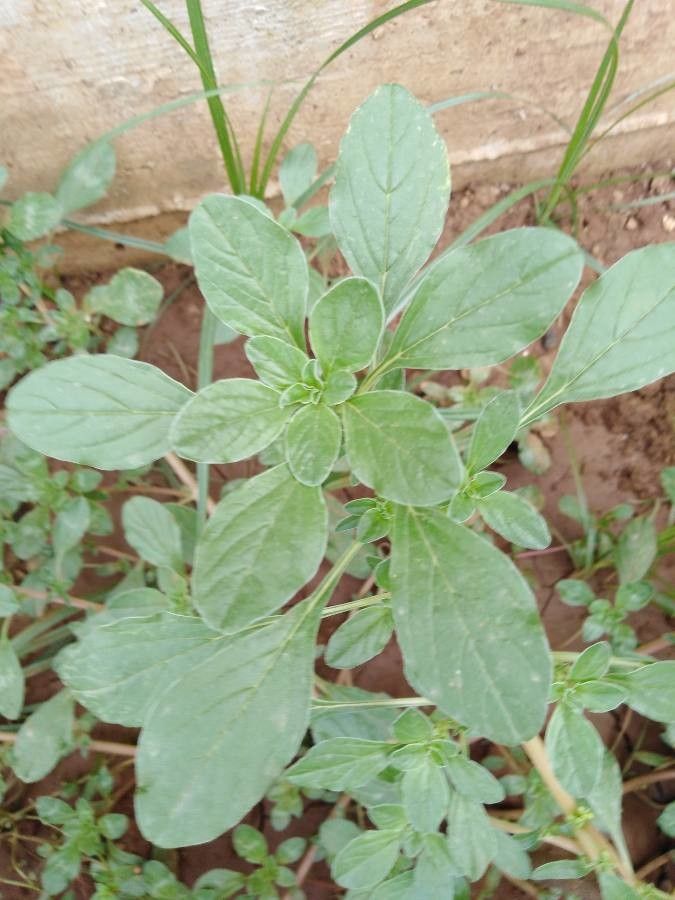
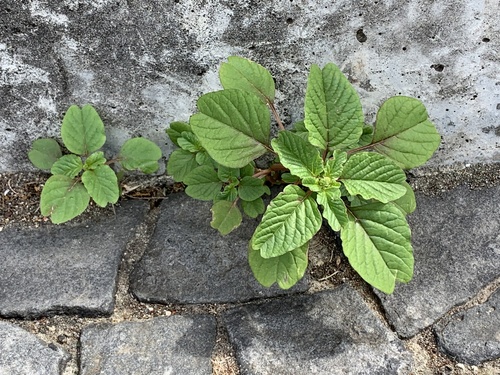
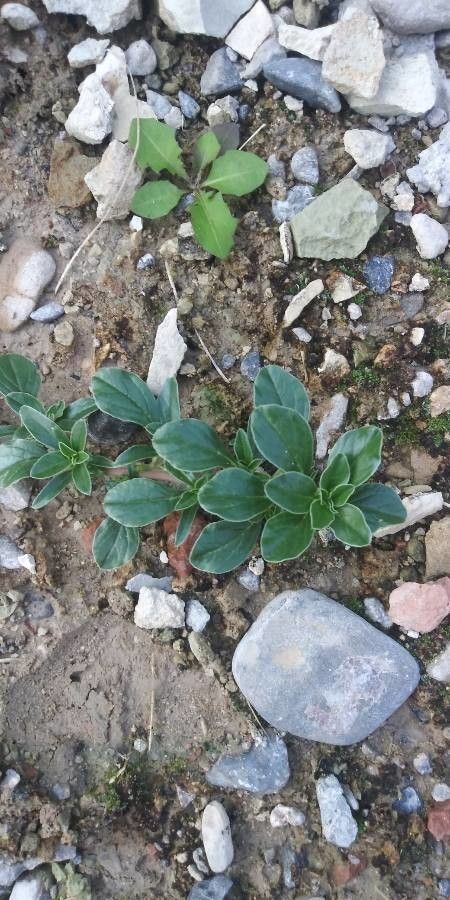
Amaranthus dubius, commonly known as Spleen Amaranth or Red Spinach, is a leafy vegetable belonging to the Amaranthaceae family. It is native to tropical regions and is widely cultivated for its edible leaves and stems. The plant can grow up to 1 meter tall, featuring green or reddish stems and ovate-shaped leaves with pointed tips. The dark green leaves have distinctive red veins running through them, giving them a unique appearance.
Amaranthus dubius is an annual plant that thrives in warm climates and can be grown year-round. It prefers well-drained soil rich in organic matter and requires regular watering for optimal growth. The plant produces small green flowers that develop into tiny seeds, which can also be harvested for consumption.
The young leaves of Amaranthus dubius are commonly used as a vegetable in various cuisines around the world, including African, Asian, Caribbean, and Latin American dishes. They have a slightly bitter taste but can be cooked like spinach or added raw to salads.
In addition to its culinary uses, Amaranthus dubius is a nutrient-rich food crop, high in vitamins A and C, iron, and calcium. It also has medicinal properties, such as anti-inflammatory effects when applied topically to wounds. Traditionally, some cultures have used it to treat ailments such as diarrhea and fever.
Overall, Amaranthus dubius is an important crop due to its high nutritional value, making it a crucial food source, particularly in areas where malnutrition is a concern.
Spleen amaranth shows moderate disease resistance and can be vulnerable to ailments like leaf spot. Its vulnerability to insect pests differs by cultivar, though the majority are relatively less resistant to pests. Regarding maintenance, spleen amaranth requires consistent watering and feeding, along with frequent removal of yellowing leaves. It is essential to manage pests and diseases as they occur and to harvest the crop promptly. Spleen amaranth is best suited for people who can commit some time and effort to ongoing care.
How to keep Amaranthus Dubius.
Light
Spleen amaranth comes from habitats with plentiful sunlight, for example open fields and sunny meadows. It prefers full sun but can tolerate partial sun.
Temperature
Spleen amaranth prefers moderate temperatures, roughly the range most people find comfortable. It grows best when it is neither too hot nor too cold. The primary problem with high temperatures is the danger of sunburn, so giving it some shade in summer is recommended to prevent excessive heat. When temperatures decline, Spleen amaranth goes dormant. If you want it to keep growing, you must maintain warmer temperatures in winter. Frost can damage the plant and should be avoided.
Fertilizer
To maximize yield, Spleen amaranth benefits from regular applications of a balanced fertilizer, particularly one high in nitrogen. Apply fertilizer before planting, at planting, and when seedlings are 2 inches tall. Adding compost or manure also provides a continuous nutrient supply. Insufficient nutrients in the soil result in underdeveloped leaves and stems, inferior flavors, thin stems, and potentially a bitter taste.
Pruning
Spleen amaranth is a rapidly growing plant with bright green leaves. To encourage new growth, improve air circulation, and minimize the risk of disease, prune it regularly from early to late spring. Ensure you use clean, sharp tools for the best plant health and vigorous regrowth.
Botanical profile.
- Plant Type
- Herb
- Life Cycle
- Annual
- Genus
- Amaranthus
- Family
- Amaranthaceae
- Hardiness Zone
- 2-11
- Mature Height
- 0.3 m to 1.52 m
- Mature Spread
- 30 cm to 61 cm
- Leaf Color
- Green, Dark Green
- Leaf Type
- Deciduous
- Flower Color
- Green
- Flower Size
- 0.20 cm to 0.25 cm
- Bloom Time
- Summer, Early fall, Mid fall
- Planting Time
- Spring, Summer, Autumn
- Harvest Time
- Late summer, Fall, Early winter
- Native Area
- Belize, Honduras, Mexico, Peru, Dominican Republic, Panama, Jamaica, Colombia, Bahamas, Argentina, Haiti, Bolivia, Venezuela, Guyana, Brazil, Nicaragua, Suriname
Other names.
Reader questions.
What are the sunlight requirements for Spleen amaranth (Amaranthus dubius)?
Spleen amaranth, also known as Amaranthus dubius, thrives in various sunlight conditions. To ensure its happiness and growth, it requires full sun, which means the plant should receive above 6 hours of sunlight daily. However, it can also grow in partial sun, defined as about 3-6 hours of sunlight each day. It's important to observe how sunlight moves through your garden throughout the day, allowing you to choose locations that offer an optimal balance of light and shade suitable for the needs of your Spleen amaranth.
What is the common name for Amaranthus dubius?
The common name for Amaranthus dubius is Spleen amaranth.