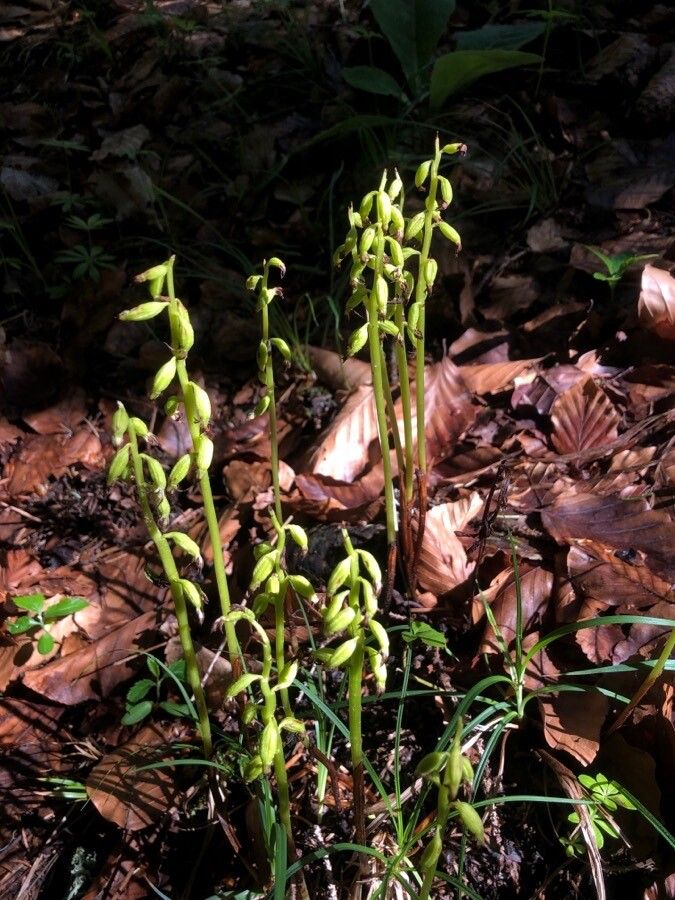
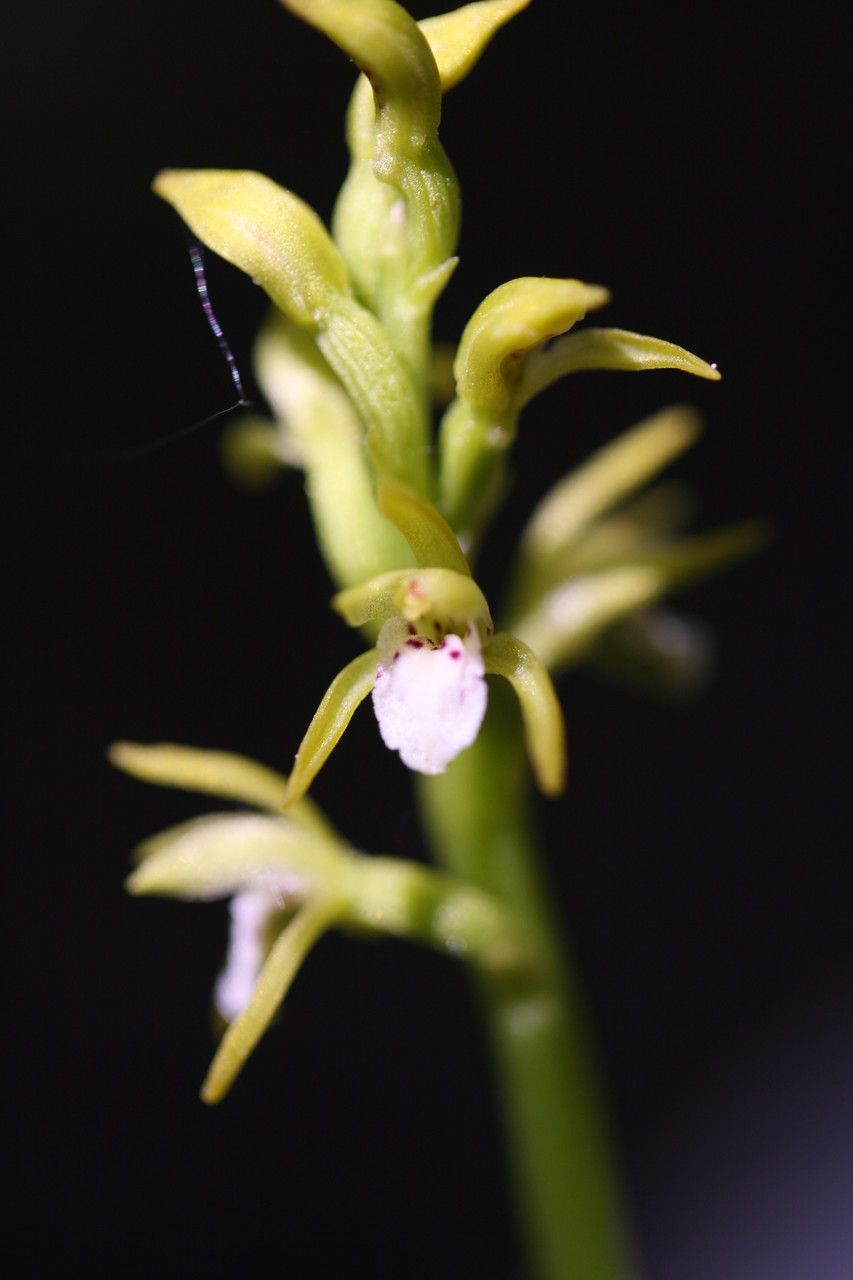
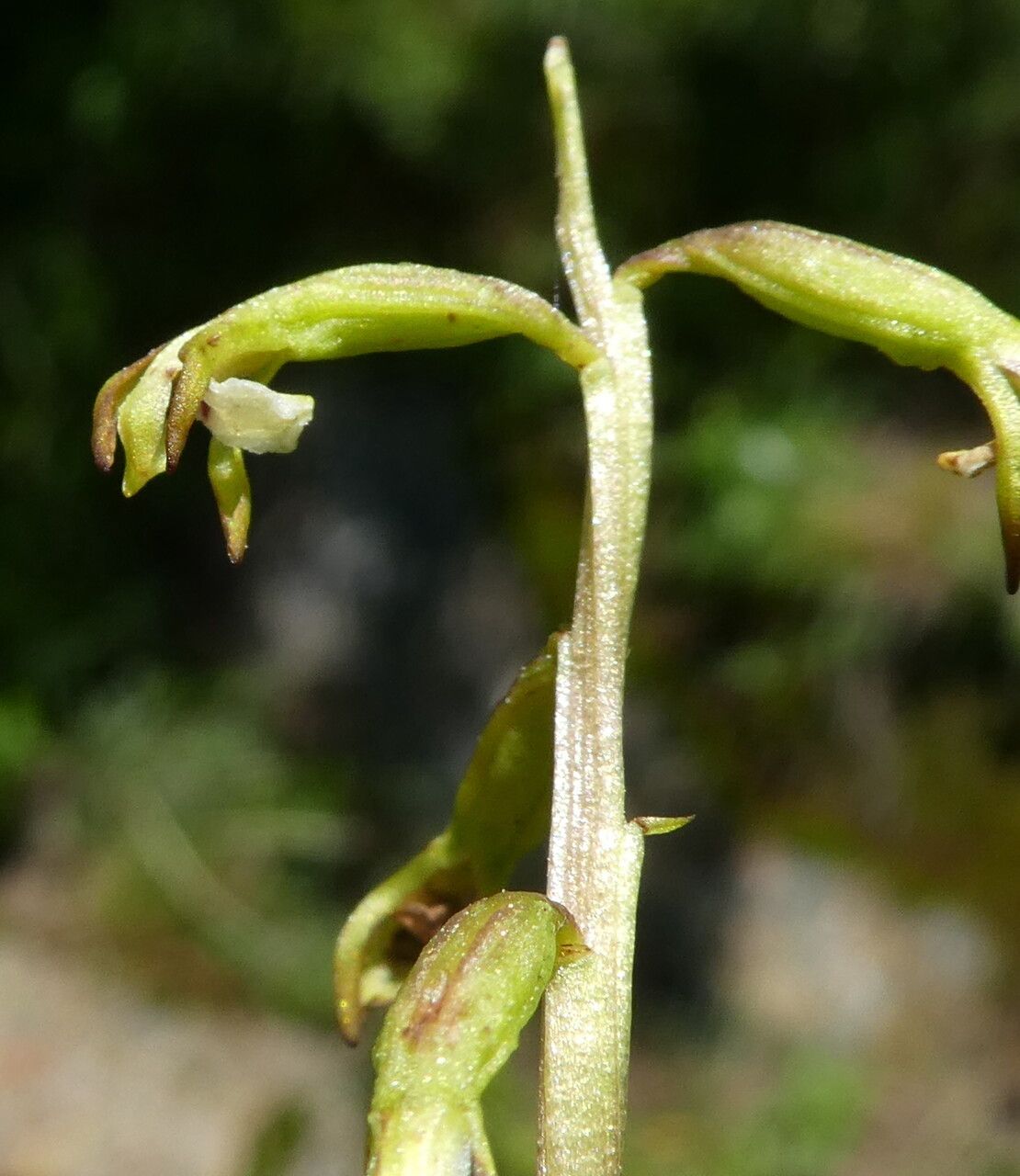
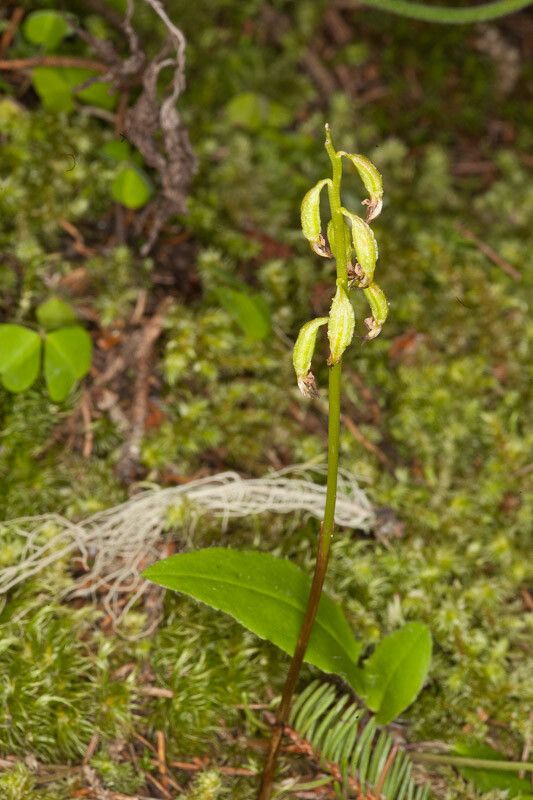
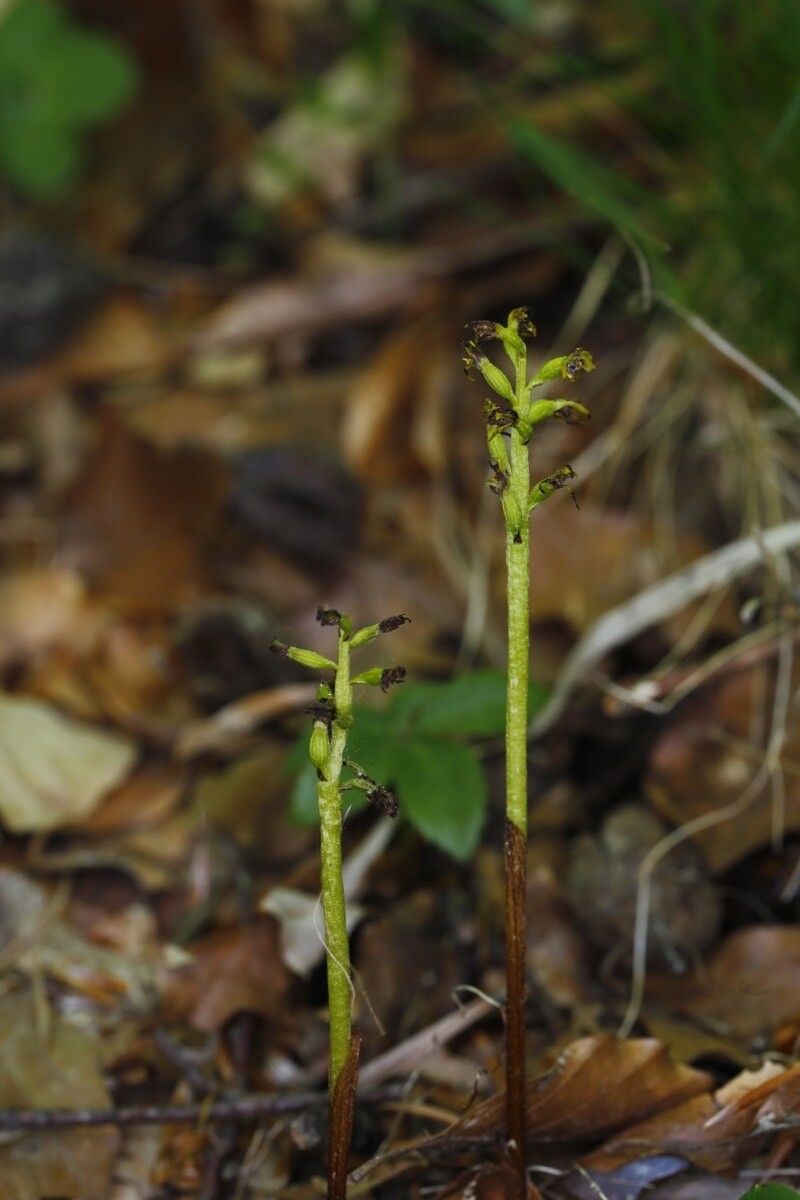
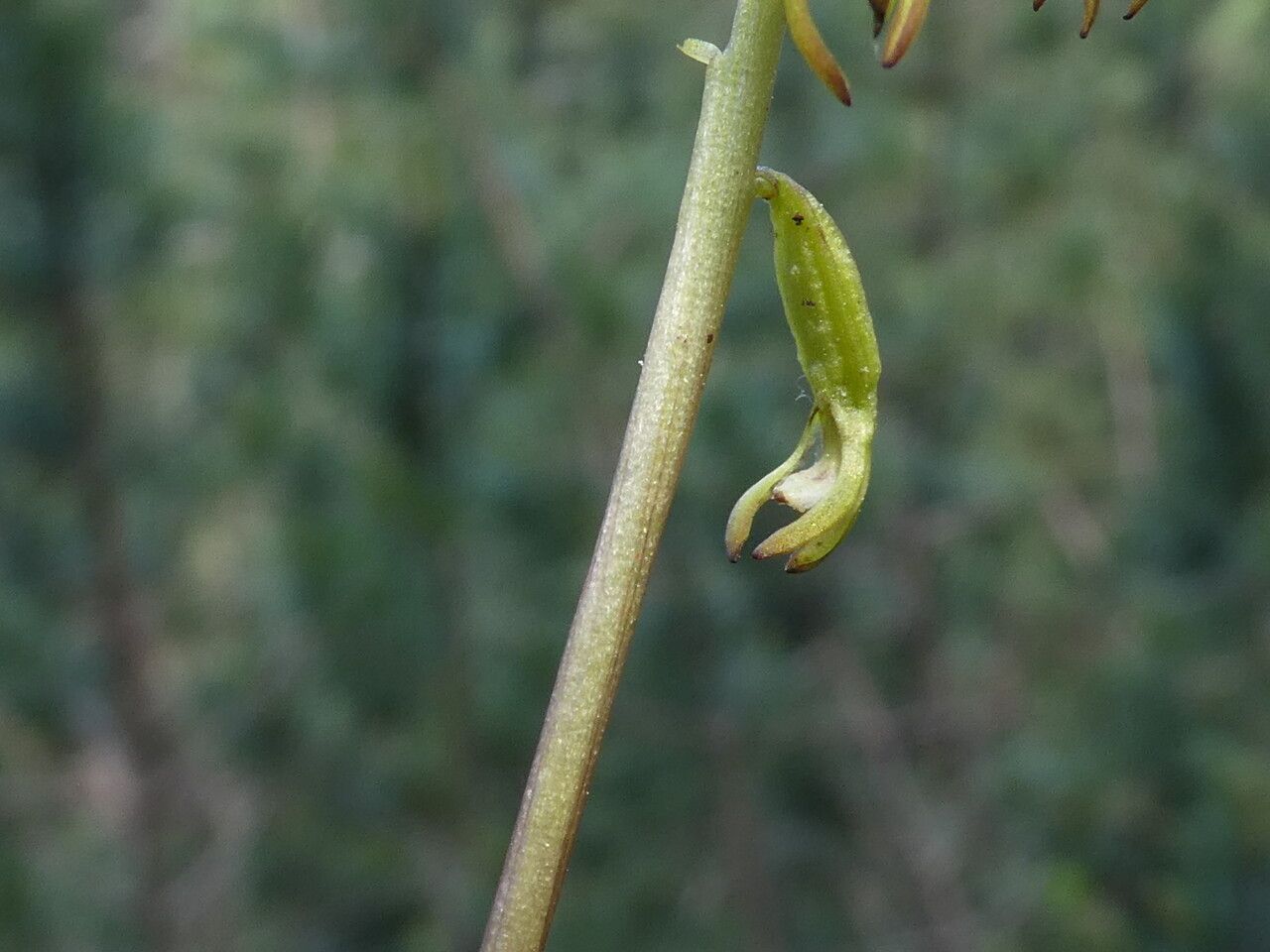
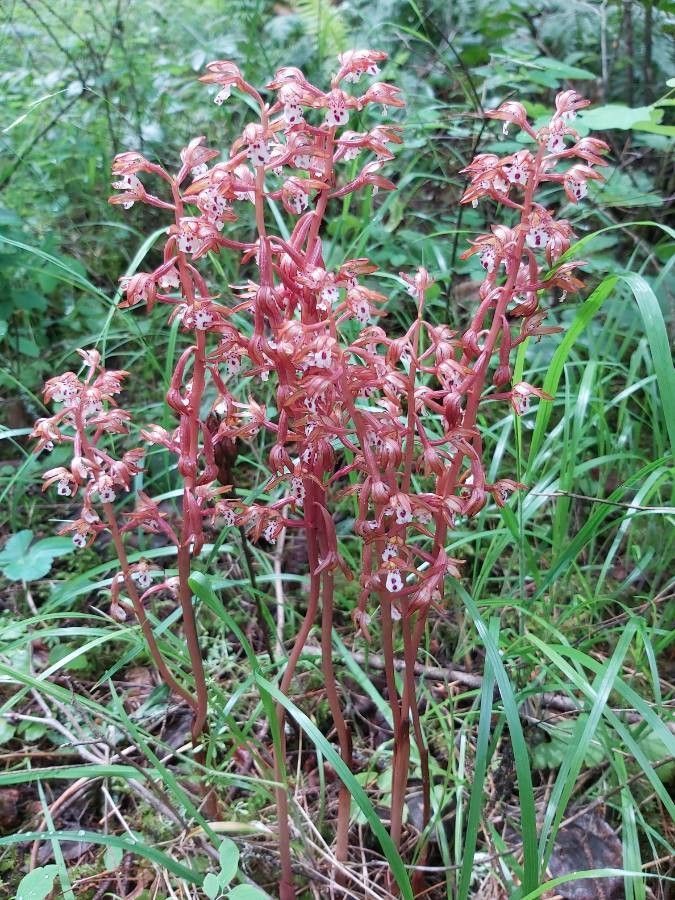
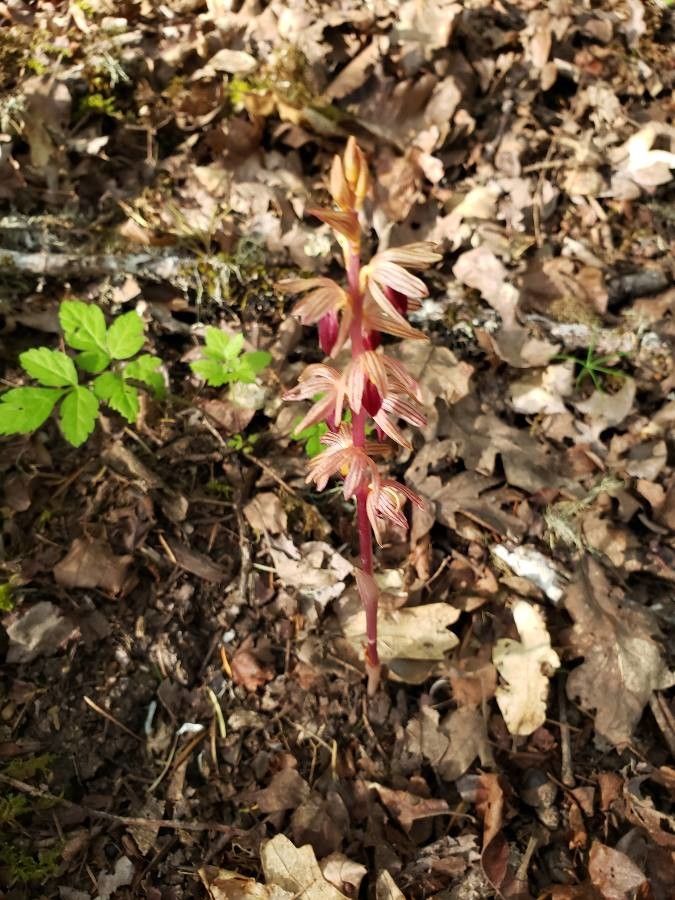
Corallorhiza trifida, commonly known as early coralroot, northern coralroot, or yellow coralroot, is a coralroot orchid native to North America and Eurasia, with a circumboreal distribution. The species has been reported from the United States, Canada, Russia, China, Japan, Korea, India, Nepal, Kashmir, Pakistan, and almost every country in Europe.
Yellow coralroot is generally quite resistant to disease and is affected by relatively few insect pests. Its care is considered difficult because it needs high humidity combined with good ventilation and few harmful pathogens. Too much watering can cause root rot. While growing Yellow coralroot is suitable for anyone, keeping it healthy and getting it to flower again requires more experience.
How to keep Corallorhiza Trifida.
Light
For yellow coralroot, moderate sunlight is the preferred light level, although it can still thrive in spots with very little light. As an epiphyte, it commonly occupies dimly lit forest floors. However, too little light can hinder growth, while excessive exposure may cause dehydration.
Water
Yellow coralroot flourishes in conditions with moderate moisture, mirroring the consistent humidity of its woodland habitat. To keep it healthy, it requires weekly watering, favoring soil that remains evenly moist but not waterlogged, especially during its active growing season. While it is usually cultivated outdoors, yellow coralroot is neither tolerant of drought nor does it demand excessive moisture.
Temperature
Yellow coralroot is indigenous to habitats with temperatures from 32 to 77 °F (0 to 25 ℃). It favors cooler conditions and can tolerate seasonal temperature changes. During periods of extreme cold or heat, adjust the plant's surroundings as needed to keep it within its optimal temperature range.
Fertilizer
A single fertilizer application in spring is generally sufficient for Yellow coralroot, although multiple feedings can optimize growth. Apply fertilizer about every one to one and a half months. Fertilization improves the leaves' appearance and function, encouraging even color and a healthy texture. It also encourages root development and nutrient uptake, supporting the plant's long-term health.
Pruning
Yellow coralroot is a distinctive orchid species found in cooler regions. It is easily recognized by its slender, leafless stems and bright yellow flowers. When caring for this plant, it's important to prune it in early to late spring, concentrating on removing any dead or damaged stems to promote healthy growth. Be careful not to disturb the roots during this process.
Botanical profile.
- Plant Type
- Herb
- Life Cycle
- Perennial
- Genus
- Corallorhiza
- Family
- Orchidaceae
- Hardiness Zone
- 1-6
- Mature Height
- 10 cm to 25 cm
- Mature Spread
- 5 cm to 10 cm
- Leaf Color
- Light Green
- Leaf Type
- Deciduous
- Flower Color
- White, Yellow
- Flower Size
- 0.51 cm to 1.02 cm
- Bloom Time
- Mid spring, Late spring
- Harvest Time
- Early summer, Mid summer
- Native Area
- Turkey, Sweden, India, Austria, Slovakia, Slovenia, Croatia, Belarus, Russia, Germany, Iceland, Estonia, Koppen, Romania, Latvia, Belgium, Moldova, Netherlands, Nepal, France, Czech Republic, Bulgaria, Armenia, Poland, Greece, Ukraine, Serbia, China, Lithuania, Norway, Kyrgyzstan, Kazakhstan, Italy, Spain, Switzerland, Denmark, Mongolia, Finland, Albania, United Kingdom, Hungary
Other names.
Reader questions.
How should I water my Yellow coralroot plant?
The way you water the Yellow coralroot depends on whether it's in an active growth phase or not. If it is, water the soil and occasionally water from above if it's warm. In winter or cool/wet weather, only water the soil. Look out for thin, dry leaves and roots or discoloration, which indicate the plant needs more water. If the Yellow coralroot looks mushy and limp, it's getting too much water. Use a pot with good drainage and water multiple times per week during the growing season. The frequency will depend on the pot size, with larger pots needing less frequent watering. Use rainwater or distilled water that matches the air temperature.
What are the sunlight requirements for plants in general?
Plants have different sunlight requirements based on their specific needs. Partial sun plants thrive with about 3-6 hours of sunlight daily, whereas full shade plants do well with less than 3 hours of sunlight per day. It's crucial to observe the movement of sunlight through your garden to ensure you pick spots that provide the ideal balance of light and shade, guaranteeing the well-being of your plants.
What is the optimal temperature range for Yellow coralroot?
Yellow coralroot thrives in environments where the temperatures range between 32 to 77 °F (0 to 25 °C). It is adapted to cooler climates and can adjust to seasonal fluctuations in temperature. Despite its high tolerance to cold, in conditions of extreme cold or heat, it is advised to modify the plant's surroundings to keep within this ideal temperature range.
What should I do if I give my Yellow coralroot plant too much or too little water?
One common way to kill Yellow coralroot is by leaving it in overly moist soil for too long. While these plants need frequent watering during active growth, they also require well-draining soil. Overwatering can lead to mushy roots and root rot, which can be addressed by removing any rotted roots with sterile pruning shears. Afterward, you should repot the plant in a container that provides proper drainage and fill it with a fast-draining potting mix. However, excessive repotting is not ideal for Yellow coralroot, so it's important to find the right balance of watering. If the plant starts to shrivel and feel dry, it may be underwatered. In this case, increase the watering frequency as the soil may be drying out faster than expected.
What are the ideal light conditions for Yellow Coralroot?
Yellow Coralroot, or Corallorhiza trifida, flourishes in moderate sunlight, making it well-suited for areas that may receive minimal rays, such as dimly lit forest floors. The plant can thrive under both indoor and outdoor conditions, given the right amount of light. However, inadequate light could hinder its growth, while too much exposure might lead to dehydration.
Does Yellow coralroot require any special care during winter?
Yellow coralroot is remarkably cold-tolerant and does not need additional frost protection in winter. However, it is beneficial to water the plant plentifully before the first freeze of autumn to ensure the soil is moist and freezes in this state. This practice helps prevent water scarcity and drought for the plant during the winter and early spring months.
How often do I need to water my Yellow coralroot plant?
During the active growth stage, which is in spring and summer, you should water your Yellow coralroot once or twice per week. During long, hot, and dry spells, you may need to increase this to three times per week or more. In winter, you should still water your Yellow coralroot, but not as often. A frequency of two to three times per month should suffice during the coldest months. However, if you keep your Yellow coralroot indoors in winter, you'll need to be aware that indoor environments can cause the soil to dry out faster. In this case, you may need to water more frequently. In the fall, you can gradually reduce your watering frequency from multiple times per week to match your reduced winter schedule.
How can artificial lighting be used for indoor plants?
Artificial lighting is essential for indoor plants, especially when natural sunlight is insufficient. LED lights are popular as they can be customized to provide specific wavelengths needed for plant growth. For full sun plants, 30-50W per square foot is recommended; partial sun plants require 20-30W per square foot, and full shade plants need 10-20W per square foot. The light source should be placed 12-36 inches above the plant, mimicking natural sunlight. Generally, plants need 8-12 hours of light per day.
What should be done if Yellow coralroot is exposed to temperatures below -45°C?
While Yellow coralroot can tolerate extremely cold temperatures, it should ideally be kept above -45°C during winter. Falling below this temperature threshold may not result in immediate visible harm, but it might lead to a decrease in sprouting or even a lack of sprouting in spring. If this occurs, it is recommended to remove any parts of the plant that have failed to sprout in the spring.
What do I need to think about when watering my Yellow coralroot during different seasons and growth stages?
When planning the watering schedule for your Yellow coralroot, it's important to consider two growth phases. The first phase is the active growth period, which occurs in spring and summer. During this time, the plant needs to be watered multiple times per week. The second phase is the rest period, which happens in winter for about two to three months. During this period, the Yellow coralroot requires much less water and fertilization. You should water the plant only once or twice per month during winter. In the fall, gradually decrease the watering frequency from multiple times per week to once or twice per month, as appropriate for the winter season.
What are signs of insufficient light in Yellow Coralroot?
Yellow Coralroot shows several symptoms when exposed to inadequate light, including smaller new leaves, leggy or sparse growth, accelerated leaf drop, slowed or halted growth, paler new leaves, chlorosis, sunscald, leaf curling, wilting, and leaf scorching. These signs indicate that the plant needs better light conditions to maintain healthy growth.
How does Yellow coralroot react to high temperatures, and what are the solutions?
Yellow coralroot does not fare well in high temperatures. Once the temperature goes above 25°C, the plant's growth can halt, and it becomes more prone to rot. To mitigate this, trim away any parts of the plant that are sunburned or dried up. Moving the plant to a cooler location, providing shade during the midday and afternoon sun, or using a shade cloth can be effective strategies. Additionally, watering the plant in the morning and evening can help keep the soil at an appropriate moisture level.